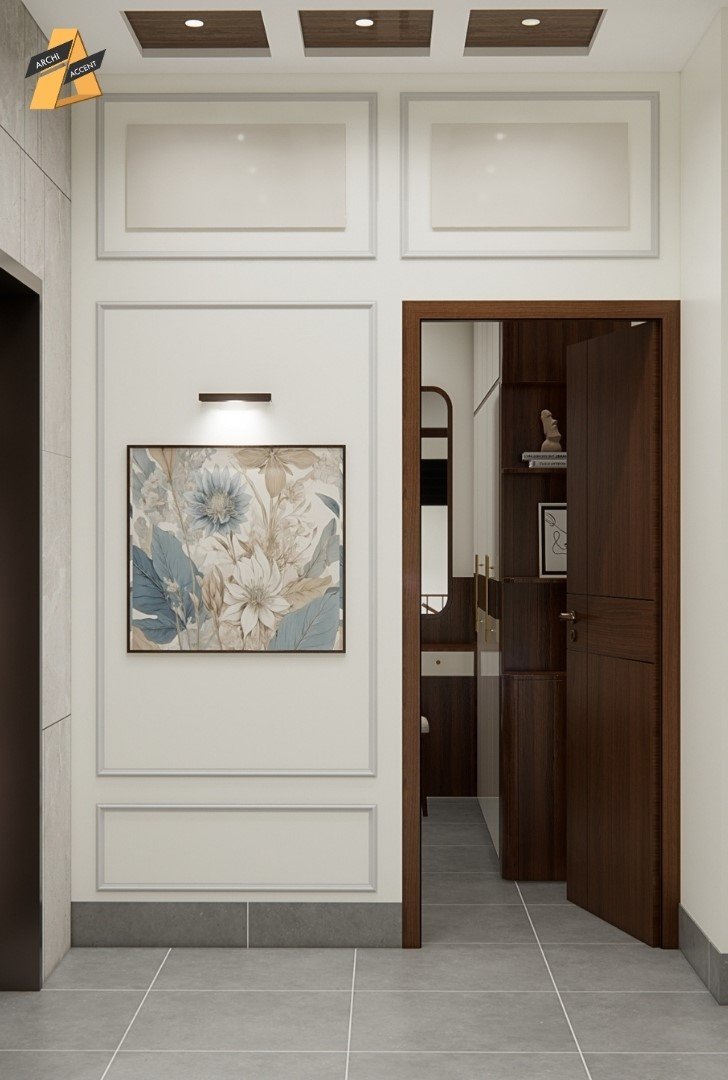
The Best Cooling Interior Design Ideas for Bangladesh focus on creating homes that feel comfortable, breathable, and naturally cooler despite the country’s hot and humid climate. While air conditioners can help reduce temperature, good interior design can significantly improve comfort by reducing heat retention and enhancing airflow. Many homeowners overlook how colors, materials, furniture placement, and ventilation affect the indoor environment. A thoughtfully designed home can feel noticeably cooler while also reducing dependence on artificial cooling. At Archi Accent, we incorporate personalized design strategies that consider climate, lifestyle, and space requirements to create homes that remain comfortable throughout the year. Choose Light and Reflective Colors Color plays a major role in how a space feels. Lighter shades reflect more light and absorb less heat than darker colors. Popular cooling color choices include: These shades help rooms feel: Light-colored walls are one of the simplest ways to create a cooler atmosphere indoors. Maximize Natural Ventilation Proper airflow is essential in Bangladesh’s climate. Good ventilation helps: To improve ventilation: A well-ventilated home often feels significantly cooler without relying solely on air conditioning. Select Heat-Resistant Materials Material selection directly affects indoor comfort. The Best Cooling Interior Design Ideas for Bangladesh often include materials that retain less heat and perform better in humid conditions. Recommended materials include: These materials stay cooler and are easier to maintain in hot weather. At Archi Accent, material recommendations are tailored through a personalized design approach to match both climate and lifestyle needs. Use Lightweight Fabrics Heavy fabrics can make interiors feel warmer and less breathable. For curtains and upholstery, consider: These materials help maintain airflow while creating a softer and more comfortable environment. Lighter fabrics are particularly useful during Bangladesh’s long summer and monsoon seasons. Avoid Overcrowding Spaces A cluttered room often feels warmer and less comfortable. Too much furniture can: Modern interiors benefit from: Creating breathing space within a room improves both comfort and functionality. Incorporate Natural Elements Natural materials help create a refreshing atmosphere. Consider incorporating: Plants can help make interiors feel cooler and more connected to nature. They also contribute to a calmer and more relaxing environment. Optimize Window Treatments Windows play a major role in heat gain. Choose window treatments that: Options include: Proper window coverings help control heat while keeping rooms bright and welcoming. Focus on Smart Lighting Choices Traditional lighting can contribute to heat generation. Modern LED lighting offers: Layered lighting also helps create comfort without overwhelming a space. Good lighting design contributes to a cooler and more pleasant indoor environment. Design for Lifestyle and Comfort Every family experiences comfort differently. Some homeowners prioritize: This is why personalized design is so important. At Archi Accent, cooling strategies are integrated into each project based on: This ensures the home remains comfortable while reflecting the homeowner’s identity. Create Open and Flexible Layouts Open layouts often feel cooler because air can circulate more freely. Benefits include: While every home requires some level of zoning, maintaining openness where possible can improve comfort significantly. Don’t Ignore Ceiling Design Ceilings influence how a room feels. To support cooling: Simple and clean ceiling treatments often work best in warm climates. The Best Cooling Interior Design Ideas for Bangladesh focus on combining smart planning, breathable materials, natural ventilation, light colors, and efficient layouts. Together, these elements help create homes that feel fresher, more comfortable, and better suited to Bangladesh’s hot and humid climate. With a strong focus on personalized design, firms like Archi Accent help homeowners create interiors that are not only beautiful but also comfortable and climate-responsive throughout the year.
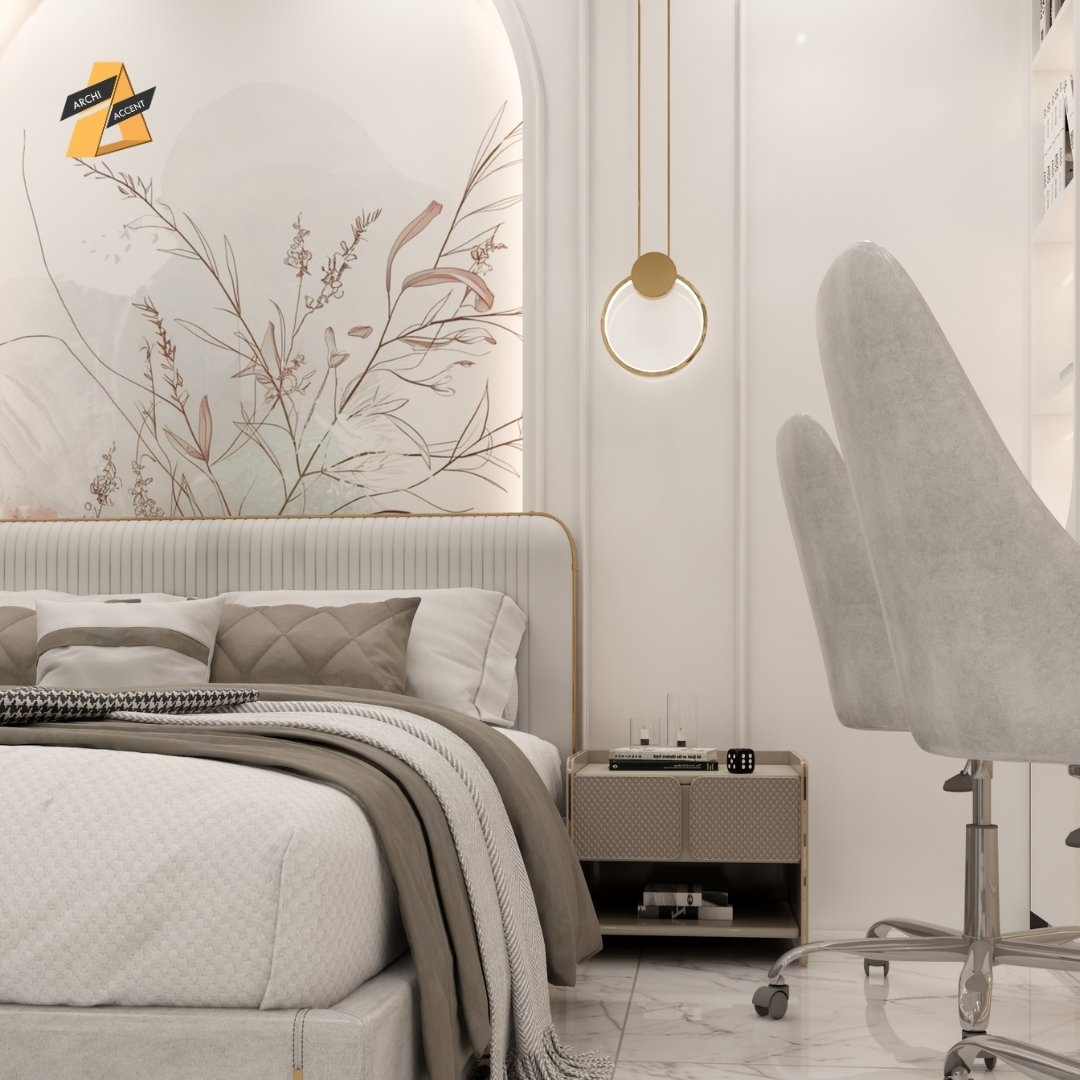
Choosing the Best Bedroom Color Psychology for Better Sleep can have a greater impact on your wellbeing than many people realize. While factors such as lighting, temperature, and mattress quality affect sleep, color also plays an important role in shaping how calm, relaxed, and comfortable a bedroom feels. Colors influence emotions, energy levels, and mood. Some shades help create a peaceful environment that encourages rest, while others can feel stimulating and make it harder to unwind at the end of the day. At Archi Accent, color selection is an important part of our personalized design approach because the ideal bedroom should support both comfort and quality sleep. Why Color Psychology Matters in Bedrooms Color psychology studies how different colors affect human emotions and behavior. In a bedroom, the right colors can help: Since bedrooms are designed for rest and recovery, color choices should support calmness rather than stimulation. Understanding the Best Bedroom Color Psychology for Better Sleep helps homeowners make more informed design decisions. Soft Blue: The Classic Sleep-Friendly Color Blue is often considered one of the best bedroom colors for relaxation. Soft blue tones can create feelings of: Because blue is associated with the sky and water, it often helps people feel more relaxed and comfortable. Light blue shades work especially well in modern bedrooms where a peaceful atmosphere is the goal. Sage Green for a Natural and Relaxing Environment Green is strongly connected to nature, making it a popular choice for bedrooms. Benefits of sage green include: Sage green has become increasingly popular in modern interiors because it feels fresh without being overpowering. At Archi Accent, sage green is often recommended as part of a personalized design palette for homeowners who want a calming and sophisticated bedroom. Warm Beige and Soft Neutrals Neutral colors remain one of the safest and most versatile options for bedrooms. Popular choices include: These shades create: Neutral palettes also pair well with a variety of furniture and decorative styles. Muted Earth Tones for Comfort Earth-inspired colors can create a cozy and grounded atmosphere. Examples include: These colors add warmth while maintaining a relaxing environment. They are particularly effective when combined with natural materials such as wood and linen. Colors to Use Carefully While personal preference always matters, some colors can feel overly stimulating in bedrooms when used excessively. Bright Red Red is associated with: Large amounts of bright red may feel too intense for a sleep-focused environment. Vibrant Orange Orange can create warmth and enthusiasm, but highly saturated shades may feel too energetic for relaxation. Strong Yellow Yellow can make a room feel cheerful, but very bright tones sometimes create visual stimulation that may not support restful sleep. This is why color balance is important in bedroom design. The Role of Lighting in Color Psychology Color does not exist independently of lighting. Natural light, artificial lighting, and room orientation all affect how colors appear. For example: This is why testing paint samples under actual room lighting conditions is always recommended. Good lighting enhances the benefits of sleep-friendly colors. Personalized Design Creates Better Bedrooms Not everyone responds to colors in the same way. Some people feel relaxed in cool tones, while others prefer warm and cozy environments. Factors that influence color selection include: This is where personalized design becomes valuable. At Archi Accent, bedroom color palettes are selected based on individual preferences and comfort rather than simply following trends. A personalized approach often creates a more restful and emotionally comfortable space. Combining Colors for Better Results The best bedrooms rarely rely on a single color. Instead, successful designs combine: For example: Layering colors thoughtfully creates depth while maintaining relaxation. Understanding the Best Bedroom Color Psychology for Better Sleep can help homeowners create spaces that support relaxation, emotional comfort, and better rest. Soft blues, sage greens, warm neutrals, and earthy tones are among the most effective choices for creating a peaceful bedroom environment. With thoughtful planning and a strong focus on personalized design, firms like Archi Accent help homeowners choose color palettes that not only look beautiful but also contribute to healthier and more comfortable living.
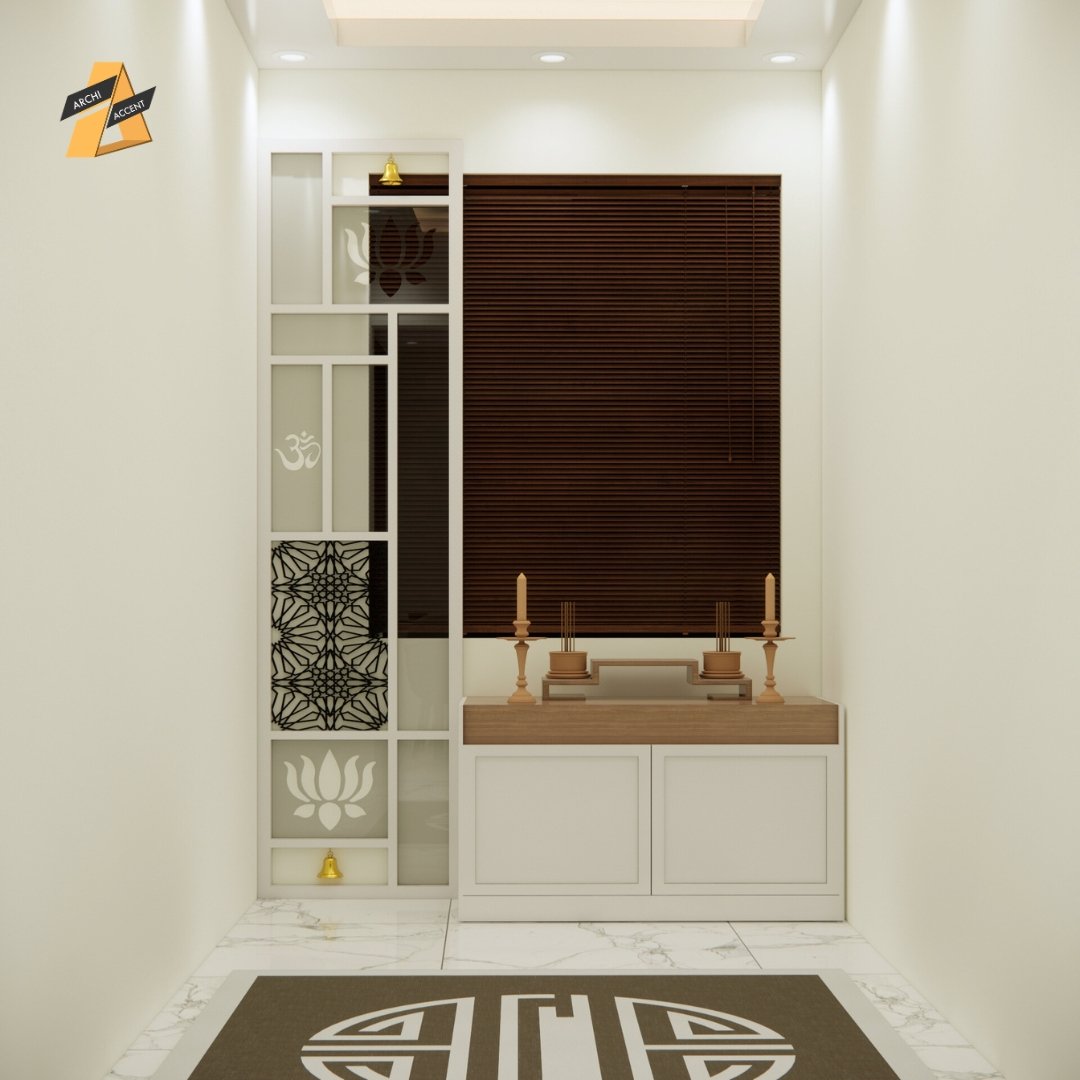
Choosing the Best Moisture-Resistant Materials for Bangladeshi Homes is essential for creating interiors that remain beautiful and durable for years. Bangladesh’s climate is characterized by high humidity, heavy rainfall, and long monsoon seasons, which can significantly affect furniture, walls, flooring, and cabinetry if the wrong materials are used. Many homeowners invest heavily in interior design but overlook how moisture can cause swelling, peeling, mold growth, discoloration, and material deterioration over time. Selecting moisture-resistant materials from the beginning helps reduce maintenance costs and protects the long-term quality of your home. At Archi Accent, material selection is an important part of our personalized design process, ensuring that every home is designed not only for aesthetics but also for Bangladesh’s unique climate conditions. Why Moisture Resistance Matters in Bangladesh Humidity affects almost every part of a home. Common problems caused by moisture include: Homes located near water bodies or areas with poor ventilation are often more vulnerable to these issues. Using moisture-resistant materials helps minimize damage and extends the lifespan of interior elements. Marine Plywood for Cabinets and Furniture One of the most reliable materials for Bangladeshi homes is marine plywood. Benefits include: Marine plywood is commonly used for: Although it costs more than standard plywood, it often provides better long-term value. At Archi Accent, marine plywood is frequently recommended as part of a personalized design strategy for humid environments. PVC and WPC Materials PVC (Polyvinyl Chloride) and WPC (Wood Plastic Composite) have become increasingly popular because they are highly resistant to moisture. Advantages include: These materials are commonly used for: For spaces with constant exposure to moisture, they can be an excellent alternative to traditional wood products. Porcelain Tiles for Flooring Flooring materials must withstand moisture, cleaning, and daily wear. Porcelain tiles are one of the best choices because they offer: They work particularly well in: Porcelain tiles also come in a wide variety of designs, allowing homeowners to achieve both style and practicality. Moisture-Resistant Paints Paint plays an important role in protecting walls from humidity. Modern moisture-resistant paints offer: These paints are especially useful in: Investing in quality paint products helps reduce maintenance requirements over time. Quartz Countertops Countertops frequently come into contact with water and moisture. Quartz is an excellent option because it is: Unlike some natural stones, quartz does not require regular sealing, making it a practical choice for busy households. Aluminum and Glass Solutions Modern interiors increasingly use aluminum and glass for both functionality and durability. Benefits include: Common applications include: These materials perform exceptionally well in humid environments. Proper Material Selection for Kitchens The kitchen is one of the most moisture-prone areas in any home. Recommended materials include: Choosing the right materials helps prevent swelling, stains, and long-term damage. At Archi Accent, kitchen designs are developed through a personalized design approach that considers cooking habits, maintenance preferences, and family needs. Bathroom Materials That Last Longer Bathrooms face constant exposure to water and humidity. For better durability, consider: Proper ventilation should also be incorporated to improve long-term performance. Good material choices can significantly reduce maintenance costs in bathrooms. Don’t Ignore Ventilation Even the most moisture-resistant materials perform better when paired with proper ventilation. Good airflow helps: Natural ventilation, exhaust fans, and thoughtful layout planning all contribute to a healthier home environment. Why Personalized Design Matters Not every home experiences moisture in the same way. Factors such as: can influence which materials are most suitable. This is why personalized design is essential. At Archi Accent, material recommendations are tailored to each project rather than applying the same solution to every home. This ensures better performance, durability, and long-term satisfaction. Choosing the Best Moisture-Resistant Materials for Bangladeshi Homes is one of the smartest investments homeowners can make. From marine plywood and porcelain tiles to moisture-resistant paints and quartz countertops, the right materials help protect interiors from Bangladesh’s challenging climate. With expert guidance and a strong focus on personalized design, firms like Archi Accent help homeowners create interiors that remain beautiful, functional, and durable for years to come.
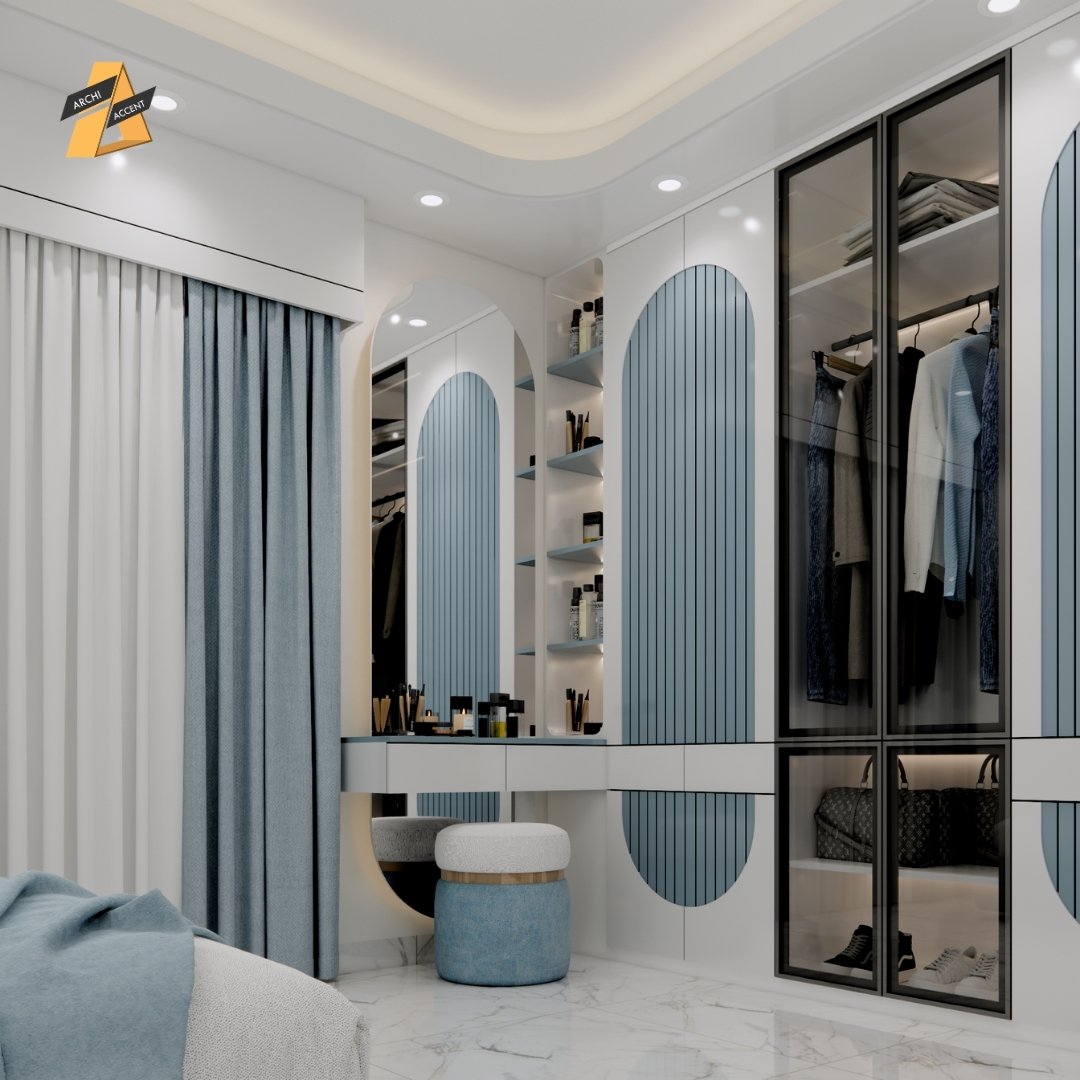
Finding the Best Interior Design for 3 Bedroom Apartments in Bangladesh is about creating a balance between comfort, functionality, aesthetics, and efficient use of space. Three-bedroom apartments are among the most popular residential layouts in Bangladesh because they offer enough room for families while still requiring thoughtful planning to maximize every area. Whether the apartment is 1,200 square feet or 2,000 square feet, a well-designed interior can make the home feel more spacious, organized, and comfortable for everyday living. At Archi Accent, we believe every apartment should be developed through a personalized design approach that reflects the lifestyle, habits, and needs of the family living there. Start with Smart Space Planning The foundation of the Best Interior Design for 3 Bedroom Apartments in Bangladesh is proper space planning. Before choosing furniture or colors, homeowners should determine: A good layout prevents overcrowding and ensures every room serves a clear purpose. Proper planning often makes an apartment feel larger without increasing its actual size. Create a Functional Living Room The living room is often the most frequently used area of a home. Modern apartment living rooms work best when they focus on: Neutral color palettes combined with natural textures help create a welcoming atmosphere. At Archi Accent, living spaces are often designed around the family’s daily routines as part of a personalized design process. Design Bedrooms Based on Individual Needs One advantage of three-bedroom apartments is the flexibility they provide. Typically: Each room should reflect its specific purpose rather than following a uniform design approach. A personalized bedroom design improves comfort and functionality significantly. Maximize Storage Without Creating Clutter Storage is one of the most important elements of apartment design. Smart storage solutions include: Good storage planning keeps spaces organized while maintaining a clean visual appearance. This is especially important in urban Bangladeshi apartments where efficient space usage matters. Use Light Colors to Create Spaciousness Many homeowners searching for the Best Interior Design for 3 Bedroom Apartments in Bangladesh choose lighter color palettes because they make interiors feel larger and brighter. Popular choices include: These colors reflect natural light and create a more open atmosphere. Accent colors can then be introduced through furniture, artwork, and decorative elements. Prioritize Natural Light and Ventilation Bangladesh’s climate makes ventilation and daylight extremely important. A well-designed apartment should maximize: Natural light improves mood, reduces dependence on artificial lighting, and makes interiors feel more inviting. Proper ventilation also contributes to long-term comfort and healthier living environments. Modern Kitchen Design for Everyday Efficiency The kitchen should be both attractive and practical. Modern apartment kitchens often include: Whether open or closed, the kitchen should support daily cooking habits comfortably. A personalized design approach helps ensure the layout matches the family’s lifestyle and usage patterns. Incorporate Flexible Multi-Purpose Spaces Modern families often need rooms that serve multiple functions. Examples include: Multi-purpose spaces improve adaptability without requiring additional square footage. This flexibility is becoming increasingly valuable in contemporary apartment living. Focus on Lighting Layers Lighting plays a major role in interior comfort. A well-designed apartment combines: Layered lighting helps create different moods throughout the day while improving functionality. Proper lighting can make rooms feel larger, warmer, and more sophisticated. Why Personalized Design Matters No two families live the same way. Some prioritize: This is why personalized design is essential. At Archi Accent, every apartment project begins by understanding the client’s lifestyle, habits, and future needs rather than applying a standard design template. This approach creates homes that feel more comfortable, functional, and meaningful. Avoid Common Apartment Design Mistakes Many homeowners unintentionally reduce functionality by: The best apartment interiors balance aesthetics and practicality equally. Good design should support everyday living while remaining visually appealing. The Best Interior Design for 3 Bedroom Apartments in Bangladesh combines smart space planning, efficient storage, comfortable living areas, proper lighting, and thoughtful material selection. A successful design is not measured only by appearance but also by how well it supports the people living inside the home. With a strong focus on personalized design, firms like Archi Accent help homeowners create apartment interiors that are modern, functional, comfortable, and perfectly suited to their lifestyle.
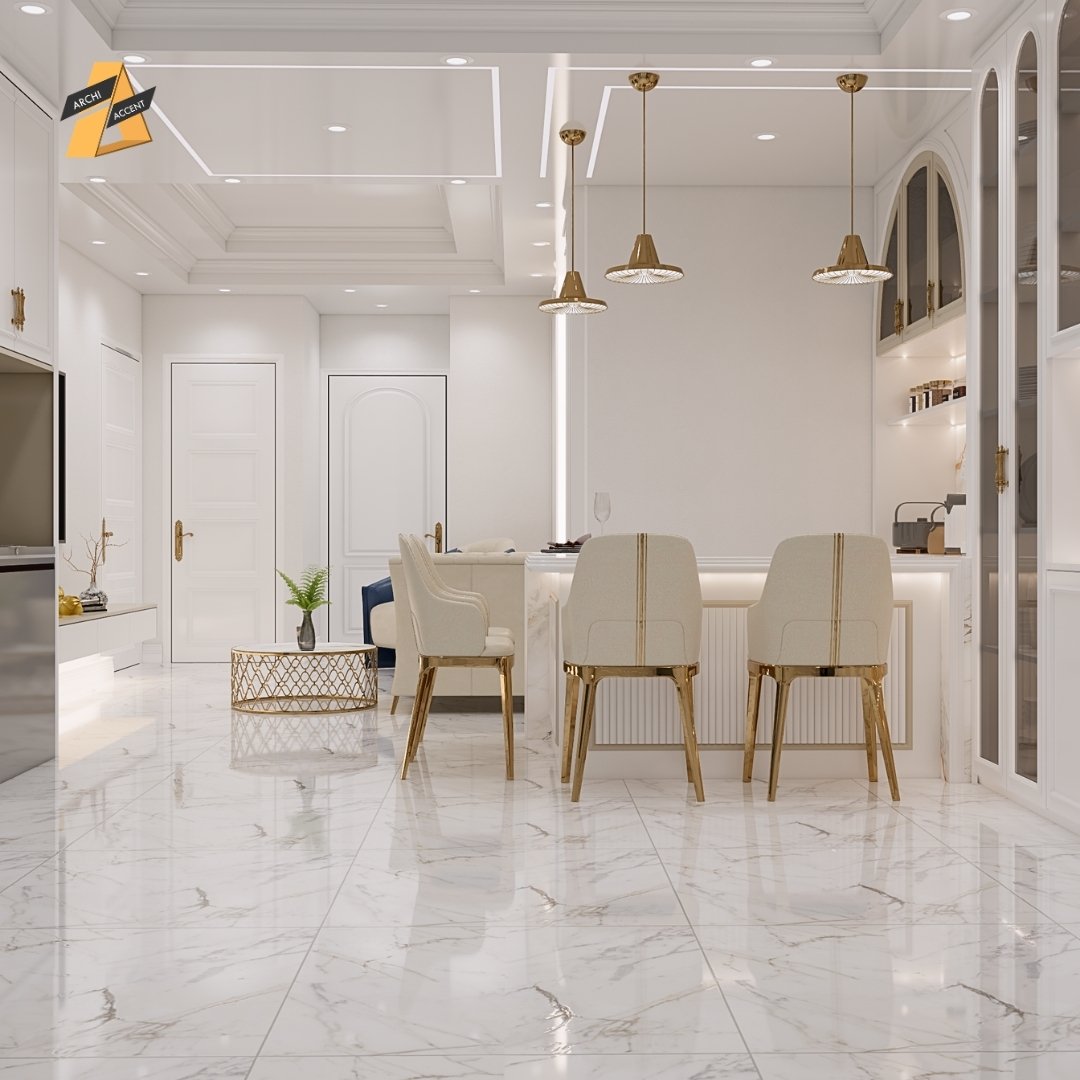
Moving into a new home is exciting, but rushing in without proper planning can lead to unnecessary expenses, poor space utilization, and design regrets later. An Interior Design Checklist Before Moving Into a New Home helps homeowners prepare their space properly before furniture arrives and daily life begins. Many homeowners focus only on paint colors and furniture shopping, but successful interiors require careful planning of layouts, storage, lighting, materials, and functionality. Taking time to organize these details before moving can save both time and money in the future. At Archi Accent, we believe every home should be planned around personalized design, ensuring the space fits the lifestyle and needs of the people who will live there. Finalize Your Furniture Layout First Before moving any furniture inside, create a clear layout plan. Consider: A proper layout prevents overcrowding and helps rooms feel balanced and functional. Furniture should support movement and daily activities rather than simply filling empty spaces. Check Electrical Points and Lighting One of the most important items on any Interior Design Checklist Before Moving Into a New Home is reviewing electrical and lighting arrangements. Check: Also evaluate whether the existing lighting is sufficient for: Good lighting significantly improves comfort and functionality. Plan Storage Before You Need It Storage is often ignored until the home becomes cluttered. Before moving in, identify areas for: Well-planned storage keeps the home organized from the beginning and reduces the need for unnecessary furniture later. At Archi Accent, storage planning is considered an important part of every personalized design strategy. Inspect Wall Finishes and Paint Before bringing furniture into the home, inspect all wall surfaces carefully. Look for: It is much easier to fix wall issues before the house is fully occupied. If repainting is necessary, now is the ideal time to do it. Evaluate Natural Light and Ventilation Natural lighting and airflow strongly affect comfort inside a home. Check: Homes with good natural light often feel: Understanding how light enters different rooms can also help with furniture placement and curtain selection. Choose Curtains and Window Treatments Window treatments play an important role in both privacy and comfort. Consider: Curtains should complement the overall design while supporting the room’s function. Lighter fabrics often work well in Bangladesh because they help maintain a bright and airy atmosphere. Review Flooring and Maintenance Needs Before moving in, inspect flooring carefully. Check for: It is also useful to understand the maintenance requirements of your flooring materials to avoid long-term problems. Practical materials help reduce maintenance efforts later. Plan Room-by-Room Functionality Every room should have a clear purpose. Ask yourself: Planning functionality before moving helps prevent impulsive purchases and design mistakes. This is where personalized design becomes valuable because every family uses spaces differently. Prioritize Safety Features Safety should be reviewed before the move. Check: A beautiful home should also be a safe and comfortable environment. Create a Personalized Design Plan One of the most overlooked steps in an Interior Design Checklist Before Moving Into a New Home is personalization. Instead of copying online trends, think about: At Archi Accent, we believe the best interiors come from personalized design solutions that reflect the people living inside the home. A personalized approach creates spaces that remain functional and meaningful for years. Avoid Buying Everything at Once Many homeowners rush to fill every room immediately after moving in. Instead: This often leads to better design decisions and avoids unnecessary spending. A well-designed home evolves naturally over time. Following an Interior Design Checklist Before Moving Into a New Home helps homeowners create spaces that are functional, organized, and comfortable from day one. By planning furniture layouts, lighting, storage, ventilation, and functionality before moving in, you can avoid many common design mistakes. With thoughtful planning and a strong focus on personalized design, firms like Archi Accent help homeowners transform new houses into homes that truly support their lifestyle and daily needs.
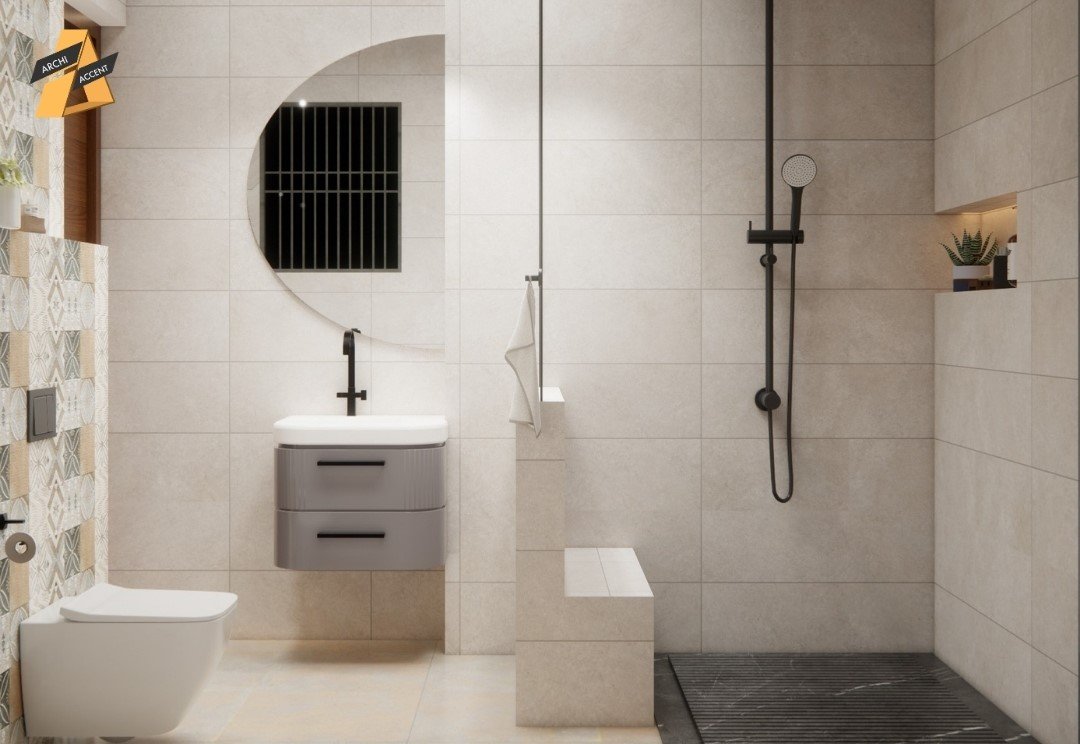
The Modern Bathroom Design Trends in Bangladesh are rapidly evolving as homeowners now focus more on comfort, hygiene, and smart use of space rather than just basic utility. Bathrooms are no longer treated as purely functional areas—they are now designed as personal wellness spaces that combine aesthetics, relaxation, and practicality. In urban Bangladeshi homes, especially apartments, bathroom design must balance limited space, humidity, ventilation, and maintenance concerns. That is why modern designs prioritize simplicity, durability, and intelligent planning. At Archi Accent, we focus on personalized design that ensures every bathroom matches the homeowner’s lifestyle, comfort needs, and daily routines. Minimal and Clean Bathroom Designs One of the strongest Modern Bathroom Design Trends in Bangladesh is minimalism. Modern bathrooms now avoid heavy decoration and instead focus on: This style is especially useful in small apartments, where simplicity helps make the space feel larger and more organized. Minimal design also improves hygiene and makes cleaning easier, which is very practical for daily use. Neutral and Earthy Color Palettes Color selection plays a major role in modern bathroom design. Popular shades include: These colors help create a calm and fresh environment while reflecting natural light effectively. In Bangladesh’s humid climate, lighter tones also make bathrooms feel cooler and more breathable. Smart Space-Saving Bathroom Layouts Because many urban homes have compact bathrooms, space optimization is essential. Modern designs use: These solutions help maximize usable space without making the bathroom feel crowded. A well-planned layout improves movement, comfort, and overall usability. At Archi Accent, space planning is always developed as part of a personalized design approach to match each home’s size and structure. Modern Tile Designs and Finishes Tiles are one of the most important design elements in bathrooms. Current trends include: Large tiles reduce visible grout lines, making bathrooms look cleaner and more modern. Textured flooring is also becoming popular for safety and durability. Walk-In Showers and Glass Partitions Walk-in showers are now a major trend in modern bathroom design. They create: Glass partitions are commonly used to separate wet and dry zones while maintaining visual openness. This design approach is especially suitable for small and medium-sized bathrooms. Smart Storage Solutions in Bathrooms Storage is often overlooked, but it is essential in maintaining a clean bathroom. Modern solutions include: These designs help reduce clutter and keep daily essentials organized. A clean bathroom always feels more relaxing and visually appealing. Lighting for a Fresh Bathroom Atmosphere Lighting has a big impact on bathroom comfort. Modern bathrooms use: Good lighting improves visibility while also creating a spa-like atmosphere. Proper lighting placement also enhances the design of tiles, mirrors, and fixtures. Ventilation and Moisture Control In Bangladesh’s humid climate, ventilation is extremely important in bathroom design. Proper ventilation helps: Windows, exhaust fans, and proper airflow planning are essential for long-term maintenance. Without proper ventilation, even the best design can become uncomfortable over time. Luxury Touches in Modern Bathrooms Even in compact homes, small luxury details are becoming popular. These include: Luxury in modern bathrooms is not about excess—it is about comfort, simplicity, and refined detailing. A balanced approach creates a premium yet practical experience. Personalized Design in Bathroom Planning Every homeowner has different habits and comfort needs, especially in daily-use spaces like bathrooms. This is why personalized design is extremely important. At Archi Accent, bathroom design is planned based on: This ensures the bathroom is not only stylish but also practical for everyday use. The Modern Bathroom Design Trends in Bangladesh focus on simplicity, smart space use, durability, and comfort. From minimal layouts to modern fixtures and better lighting, today’s bathrooms are designed to feel more like personal wellness spaces rather than just utility areas. With thoughtful planning and a strong focus on personalized design, firms like Archi Accent help create bathrooms that are modern, functional, and perfectly suited to everyday living in Bangladesh.
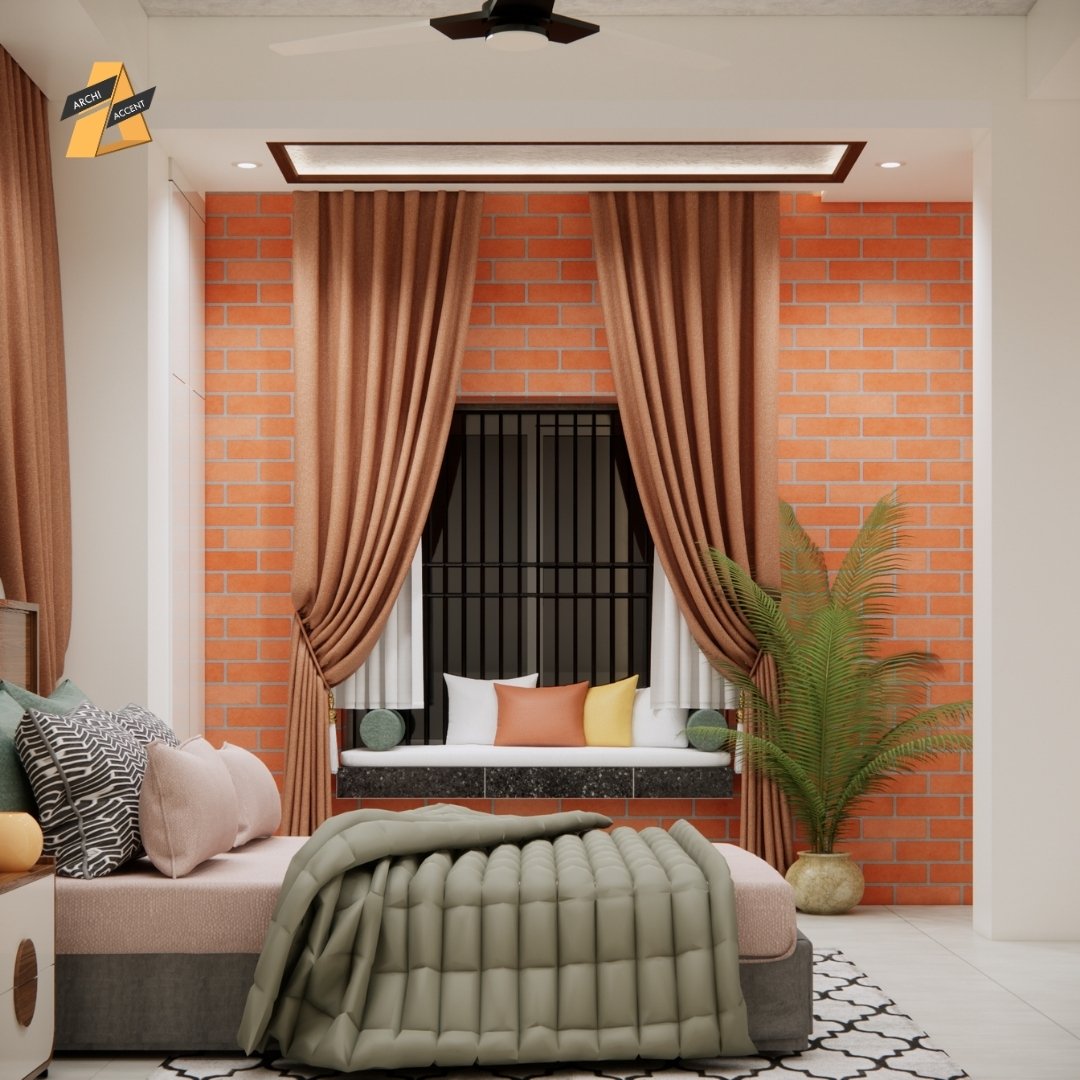
Understanding why personalized design creates better homes is essential in today’s interior design world, where many spaces look visually appealing but fail to feel truly comfortable in daily life. A home is not just a display of furniture and colors—it is a living environment shaped by habits, routines, emotions, and personal comfort. That is why modern interior design is shifting away from one-size-fits-all styling toward more meaningful and lifestyle-based planning. A home should reflect the people living in it, not just current trends. At Archi Accent, we strongly focus on personalized design, ensuring every space is created based on the homeowner’s personality, needs, and way of living. What Is Personalized Design? Personalized design means creating interiors based on individual lifestyle and preferences rather than following generic templates or copied ideas. It considers: Instead of forcing a fixed design style, personalized interiors adapt to the people who actually live in the space. Every Homeowner Has a Different Lifestyle One of the biggest reasons why personalized design creates better homes is because no two families live the same way. For example: A design that does not reflect real lifestyle needs often becomes inconvenient over time, no matter how beautiful it looks. A home should support life, not complicate it. Personalized Design Improves Daily Functionality Functionality is at the core of good interior design. A personalized approach ensures: Instead of designing only for appearance, personalized interiors focus on how the space actually works in real life. At Archi Accent, functionality is always planned alongside aesthetics to ensure balanced and livable spaces. Emotional Comfort Is Just as Important as Visual Beauty Homes have a strong emotional impact on people. Colors, lighting, textures, and layout all influence how a space feels. Some people feel calm in minimal environments, while others feel more comfortable in warm, detailed spaces. A personalized design creates: This emotional connection is one of the most important reasons why personalized homes feel better in the long run. Personalized Homes Feel More Natural Over Time Trend-based interiors often lose their appeal quickly as styles change. However, personalized design remains timeless because it is built around the homeowner’s actual lifestyle, not temporary trends. Personalized homes: A well-planned personalized home grows with its users instead of becoming outdated. Better Space Utilization Through Personalization Every person uses space differently. Some prefer: Without personalization, spaces may look good but fail to serve real needs. A personalized approach ensures every corner of the home has a purpose, improving both efficiency and comfort. Personalized Material and Color Choices Not everyone feels comfortable with the same design style. Some prefer: A personalized design process helps select: based on lifestyle and emotional comfort rather than copying trends. At Archi Accent, every project is developed through personalized design principles to match the client’s unique identity. Avoiding Generic and Repetitive Interiors Many modern homes look similar because they follow online trends without adaptation. This often results in: Personalized design solves this by making each home unique to its owner. A home should feel like “you,” not like a copied template. Understanding why personalized design creates better homes helps homeowners move beyond visual trends and focus on what truly matters—comfort, functionality, emotional connection, and long-term usability. A well-designed home should reflect how people live, not just how spaces look. With a strong focus on personalized design, firms like Archi Accent create interiors that feel meaningful, practical, and naturally connected to everyday life.
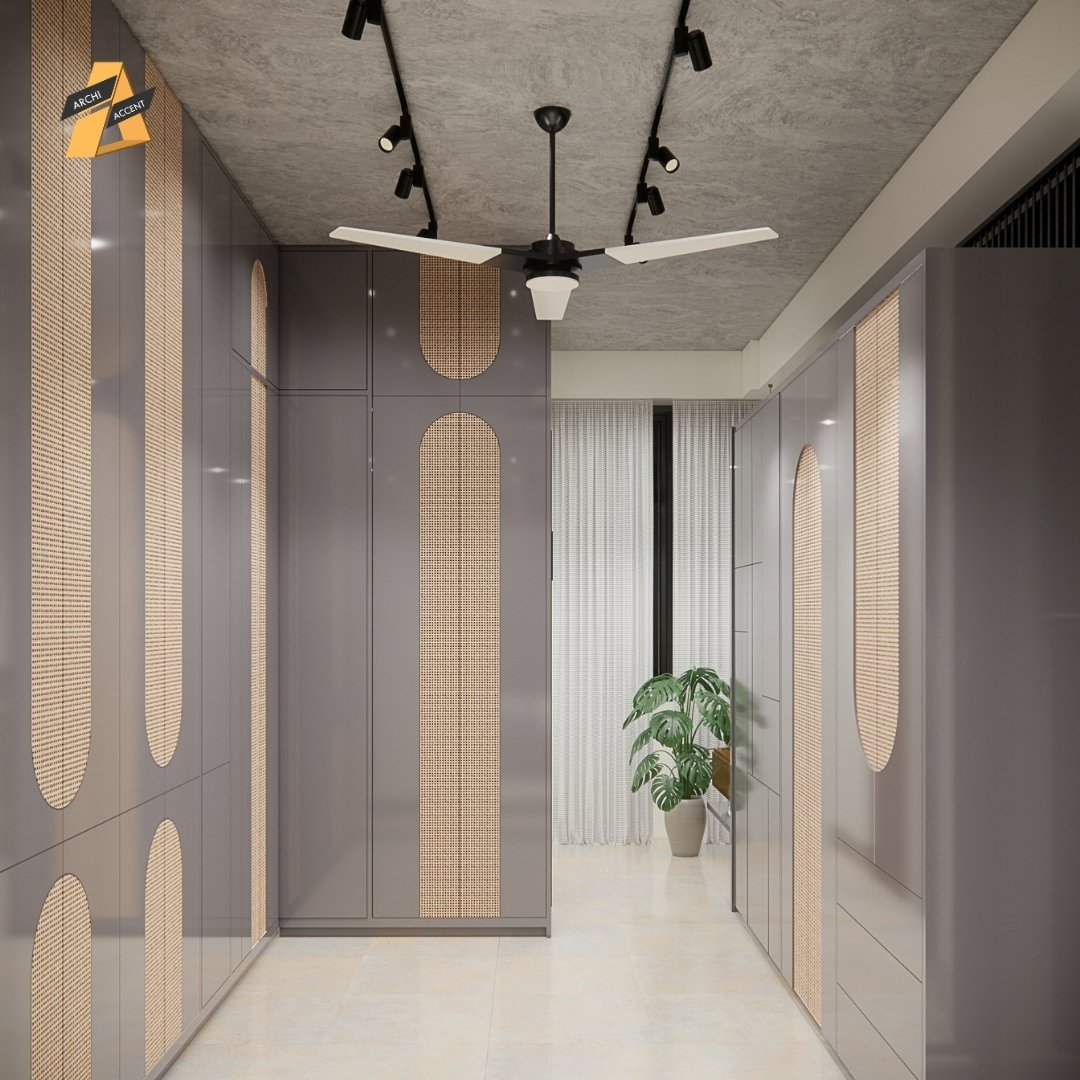
Choosing the best paint colors for Bangladeshi homes is about more than simply following trends. Color strongly affects how a home feels emotionally, visually, and even physically. In Bangladesh, factors like climate, natural lighting, apartment size, and lifestyle all influence which colors work best inside a home. The right paint color can make spaces feel: At Archi Accent, we believe paint selection should always be part of a thoughtful personalized design approach instead of blindly copying trending palettes online. Why Paint Colors Matter in Interior Design Wall colors shape the overall mood of a space more than most people realize. Colors influence: A poorly chosen color palette can make even well-designed interiors feel uncomfortable or visually heavy. The best interiors use color strategically to improve both aesthetics and daily comfort. Neutral Colors Remain the Most Popular Choice Neutral shades continue to dominate modern Bangladeshi interiors because they create balance and flexibility. Popular neutral tones include: These colors work especially well in urban apartments because they help smaller spaces feel larger and more breathable. Neutral palettes also allow furniture, textures, and lighting to stand out more naturally. At Archi Accent, neutral palettes are often used as the foundation of many personalized design concepts because they adapt well to different lifestyles and aesthetics. Light Colors Work Better in Bangladesh’s Climate Bangladesh experiences strong sunlight, heat, and humidity for much of the year. Lighter wall colors help because they: Soft neutral shades often perform better in hot climates compared to darker and heavily saturated walls. This is especially important for apartments with limited ventilation or smaller windows. Warm White vs Cool White Walls Many homeowners struggle when choosing between warm and cool white shades. Warm White Warm whites usually create: These tones pair beautifully with wooden textures and warm lighting. Cool White Cool whites feel: However, overly cool tones can sometimes feel harsh or sterile if not balanced properly. For most Bangladeshi homes, warm neutrals often create more comfortable and timeless interiors. Earthy Colors Are Becoming More Popular Modern interiors are increasingly moving toward earthy and nature-inspired palettes. Popular earthy shades include: These colors create warmth while still maintaining calmness and sophistication. Earth-inspired palettes also work beautifully with natural materials such as wood, stone, and textured fabrics. Dark Colors Should Be Used Carefully Dark shades can create luxury and depth, but they need balance. Colors like: work best as accent walls or feature areas rather than throughout the entire home. In smaller Bangladeshi apartments, excessive dark colors may make spaces feel tighter and heavier unless there is strong natural lighting. Good design is about balance, not extremes. Room-by-Room Paint Color Ideas Living Room Colors Living rooms usually work best with: These shades create welcoming and comfortable environments for both guests and family. Bedroom Colors Bedrooms should feel calming and relaxing. Popular choices include: Overly bright or highly saturated colors can sometimes affect relaxation negatively. Kitchen Colors Modern kitchens often use: These combinations create cleaner and more modern environments. Personalized Design Matters in Color Selection Not everyone feels comfortable in the same type of environment. Some people prefer: This is why personalized design is extremely important in paint color selection. At Archi Accent, color palettes are usually selected based on: instead of simply following trends. Avoid Choosing Colors Only from Online Photos One common mistake homeowners make is selecting paint colors directly from social media images. Colors often look very different depending on: Testing paint samples inside the actual home is always a smarter decision before finalizing colors. Choosing the best paint colors for Bangladeshi homes requires balancing aesthetics, climate suitability, lighting, and emotional comfort together. The right colors can completely transform how a home feels while improving spaciousness, warmth, and functionality. With thoughtful planning and a strong focus on personalized design, firms like Archi Accent help homeowners create interiors that feel timeless, comfortable, and naturally connected to their lifestyle.
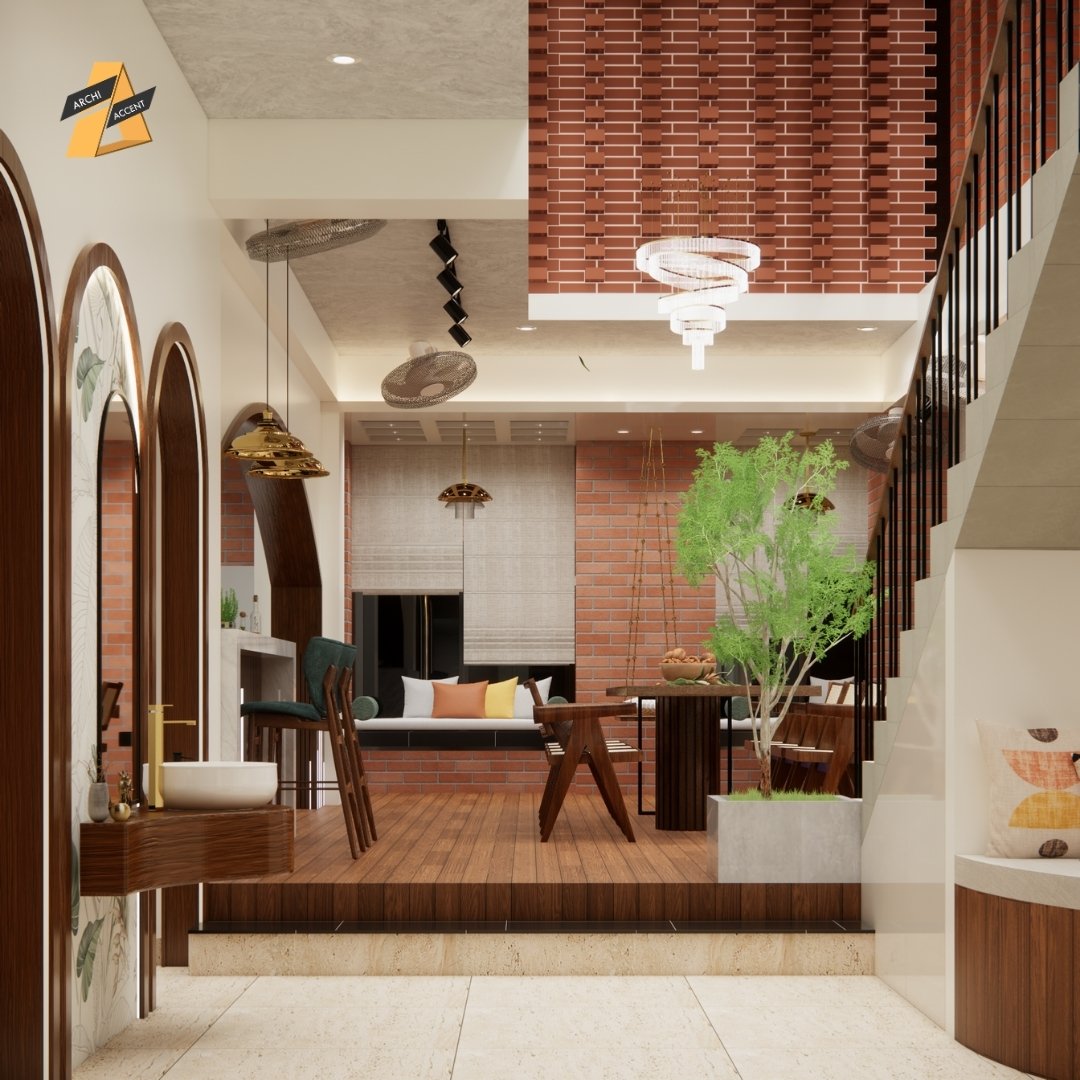
Modern interior design ideas for duplex homes focus on creating spaces that feel connected, functional, spacious, and visually balanced across multiple levels. Duplex homes offer unique opportunities for luxury, openness, and creative layouts, but they also require careful planning to maintain harmony between floors. Unlike smaller apartments, duplex interiors involve staircase integration, vertical space planning, lighting balance, and zoning between private and social areas. A well-designed duplex should feel elegant while still remaining practical for everyday living. At Archi Accent, we believe duplex interiors work best when built around personalized design that reflects the homeowner’s lifestyle, comfort preferences, and family needs naturally. Create a Strong Connection Between Floors One of the most important aspects of duplex interior design is maintaining visual harmony between both levels. The design language should feel connected through: This does not mean both floors need to look identical, but they should feel like parts of one complete home rather than disconnected spaces. Balanced continuity creates a more luxurious and organized atmosphere. Design the Staircase as a Feature Element In duplex homes, staircases become one of the most visually important architectural elements. Modern duplex interiors often use staircases as statement features through: A well-designed staircase adds elegance while improving the overall identity of the home. At Archi Accent, staircase planning is often treated as both a functional and aesthetic centerpiece in duplex interiors. Separate Public and Private Spaces Properly One advantage of duplex homes is the ability to divide spaces more efficiently. Usually: This separation helps maintain better privacy and organization. The lower level may include: While the upper floor often contains: Proper zoning improves comfort and functionality significantly. Use Double Height Spaces Carefully Many duplex homes include double-height living areas that create openness and luxury. These spaces feel: However, double-height areas require balanced lighting and proper furniture proportions to avoid feeling empty or overwhelming. Layered lighting and vertical design elements help maintain visual balance inside taller spaces. Lighting Plays a Huge Role in Duplex Interiors Lighting becomes extremely important in duplex homes because of larger spaces and vertical layouts. Modern duplex interiors usually combine: Large pendant lights or chandeliers often work beautifully in stairwells and double-height areas. Good lighting improves both aesthetics and emotional comfort inside the home. Personalized Design Creates Better Duplex Homes Every duplex homeowner uses spaces differently. Some families prioritize: This is why personalized design is essential in duplex interiors. At Archi Accent, duplex planning focuses heavily on lifestyle understanding before developing layouts and design concepts. A personalized approach creates homes that feel more functional and emotionally connected instead of simply luxurious. Smart Storage Solutions for Duplex Homes Even larger homes need organized storage planning. Modern duplex interiors often include: Smart storage helps maintain cleaner and more visually balanced interiors without overcrowding spaces. Good organization improves both comfort and long-term usability. Use Natural Materials for Warmth Luxury duplex interiors today focus more on warmth and comfort rather than excessive decoration. Natural materials such as: help create elegant yet relaxing environments. Overly glossy or heavily decorative interiors can sometimes feel visually tiring over time. Balanced material selection creates more timeless interiors. Create Cozy Family Spaces Large homes can sometimes feel emotionally distant if not planned carefully. Adding cozy areas such as: helps create warmth and stronger family interaction inside the home. A duplex should feel comfortable, not just visually impressive. Avoid Overdesigning the Space One common mistake in duplex interiors is trying to fill every corner with decorative elements. Too much detailing can make even luxury homes feel heavy and cluttered. Modern duplex interiors work best when they balance: Sometimes restraint creates more sophistication than excessive decoration. The best interior design ideas for duplex homes combine luxury, comfort, functionality, and emotional warmth together. A well-designed duplex should feel connected across floors while supporting the lifestyle and routines of the family naturally. With thoughtful planning and a strong focus on personalized design, firms like Archi Accent help create duplex interiors that feel modern, practical, visually balanced, and comfortable for long-term living.
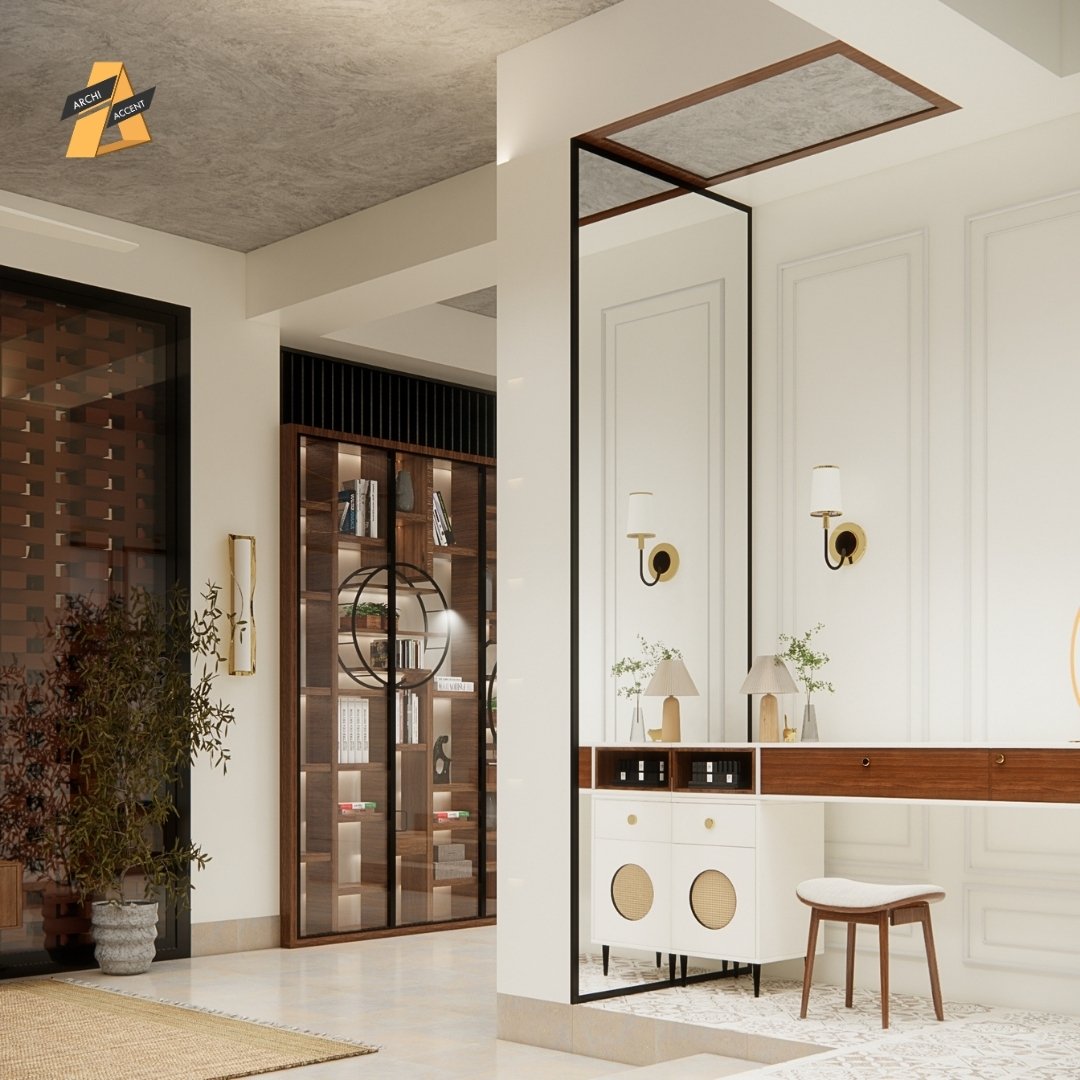
Modern homes today often look visually impressive online, but many of them fail to feel comfortable in real life because they are designed only around trends instead of real lifestyles. Understanding why personalized design creates better homes is important because a home should reflect the personality, routines, comfort preferences, and daily needs of the people living inside it. Good interior design is not simply about copying luxury aesthetics or viral Pinterest inspiration. It is about creating spaces that feel natural, functional, emotionally comfortable, and practical for everyday living. At Archi Accent, we strongly believe every home should be built around personalized design because every person experiences comfort differently. What Is Personalized Design? Personalized design means creating interiors based on the homeowner’s: Instead of forcing a fixed style onto every client, personalized interiors adapt according to the individual living inside the space. This creates homes that feel more authentic and emotionally connected rather than generic or trend-driven. Every Family Lives Differently One major reason why personalized design creates better homes is because no two families use spaces in exactly the same way. For example: A home designed without understanding lifestyle habits often becomes inconvenient later. Interior design should support everyday living naturally. Personalized Design Improves Functionality Functionality is one of the most important parts of good interior design. A personalized approach helps improve: Instead of simply making rooms look beautiful, personalized interiors make spaces easier and more comfortable to live in. At Archi Accent, functionality is always considered equally important as aesthetics during the design process. Emotional Comfort Matters in Interior Design Homes affect emotions more than many people realize. Colors, lighting, textures, furniture arrangement, and openness all influence how people feel inside a space. Some people feel relaxed in minimalist interiors, while others feel more comfortable in warm and layered environments. A personalized home feels: This emotional comfort is one of the biggest reasons why generic trend-based interiors often fail over time. Personalized Homes Age Better Over Time Trends change constantly. A design style that feels modern today may feel outdated after a few years. Homes designed only around trends often lose their charm quickly. However, personalized design usually remains timeless because it is based on the homeowner’s real lifestyle rather than temporary online aesthetics. Personalized interiors often: This makes them more sustainable in the long run. Better Space Planning Through Personalization Different people use spaces differently. For example: Without personalization, spaces may look attractive but fail practically. Good space planning should always match real-life usage patterns. Personalized Material and Lighting Choices Not everyone enjoys the same atmosphere inside a home. Some people prefer: Personalized design helps select: based on comfort preferences instead of blindly following trends. At Archi Accent, design planning often includes understanding personality and lifestyle before selecting materials or design direction. Why Copied Designs Often Fail Many homeowners try to directly copy interiors from Pinterest or social media. However, those designs may not suit: A design that works beautifully in one home may feel uncomfortable in another. This is why personalized design creates more practical and emotionally satisfying results compared to trend-copying. Personalized Design Creates Stronger Identity A home should feel like a reflection of the people living inside it. Personalized interiors create spaces that feel: Instead of looking identical to every modern apartment online, personalized homes develop character and individuality over time. Understanding why personalized design creates better homes helps homeowners move beyond trends and focus on what truly matters—comfort, functionality, emotional connection, and long-term usability. A home should not simply look beautiful in photographs. It should feel comfortable, natural, and supportive in everyday life. With thoughtful planning and a strong focus on personalized design, firms like Archi Accent help create interiors that genuinely reflect the people who live inside them.