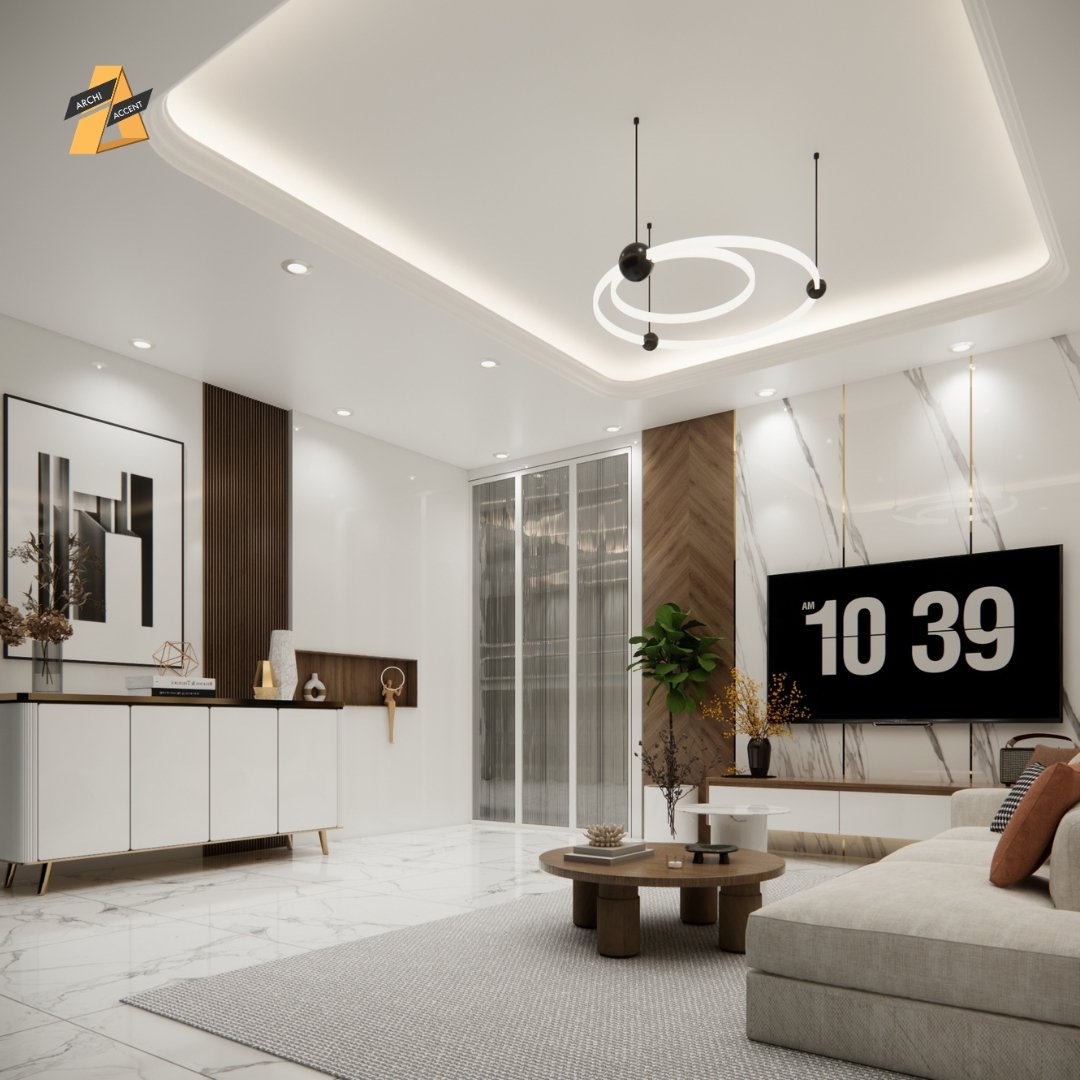
Understanding the Quoting Process for Interior Design Services in Bangladesh Getting accurate home interior design quotes in Bangladesh can often feel confusing for homeowners, especially when prices vary significantly from one design firm to another. Many people focus only on the final number without understanding what is actually included in the quotation. As a result, they may face unexpected costs, delays, or compromises in quality later during the project. At Archi Accent, we believe a proper quotation is more than just pricing—it is a complete understanding of the client’s space, lifestyle, functionality needs, and long-term comfort. A detailed and transparent quotation helps create smoother execution and better design results. Factors Affecting Interior Design Quotes When homeowners receive different quotations from different firms, many wonder why the pricing varies so much. The reality is that several important factors influence the overall cost of interior design services. Understanding these elements helps clients evaluate quotations more realistically instead of focusing only on the final number. Project Size and Scope of Work One of the biggest factors affecting interior design pricing is the overall size of the project. A small living room makeover will naturally cost much less than designing an entire apartment or duplex home. Larger projects require: The scope of work also matters. A project involving only furniture and decor will cost differently compared to a full renovation that includes ceiling work, electrical modifications, flooring, carpentry, and custom fabrication. At Archi Accent, project quotations are usually prepared based on both the property size and the complexity of required work. How to Obtain and Compare Quotes from Designers Effectively Getting multiple quotations is one of the smartest steps homeowners can take before starting an interior project. However, simply collecting several price estimates is not enough. The real goal is understanding what each quotation includes and how the services differ from one designer to another. A lower quotation may initially seem attractive, but without proper comparison, homeowners may later face hidden costs, material compromises, or incomplete services. That is why comparing quotations carefully is extremely important when choosing an interior design firm. Request Quotes from Multiple Interior Designers Before finalizing any company, homeowners should request quotations from several interior firms. When asking for quotations, provide clear information such as: The more detailed the information provided, the more accurate the quotation becomes. At Archi Accent, project discussions usually begin with understanding the client’s lifestyle, functionality needs, and space limitations before preparing detailed quotations. Navigating Hidden Costs in Interior Design Quotes One of the biggest concerns homeowners face during interior projects is unexpected expenses. Many quotations initially appear affordable, but additional charges often begin appearing once the project starts. Understanding these hidden costs beforehand can help clients avoid budget stress and make more informed decisions. A transparent quotation should clearly explain what is included, what is excluded, and where extra costs may occur during the project timeline. Why Hidden Costs Happen in Interior Projects Hidden costs usually happen because of: Sometimes homeowners also change preferences midway through the project, which naturally increases costs. This is why detailed planning before execution is extremely important.
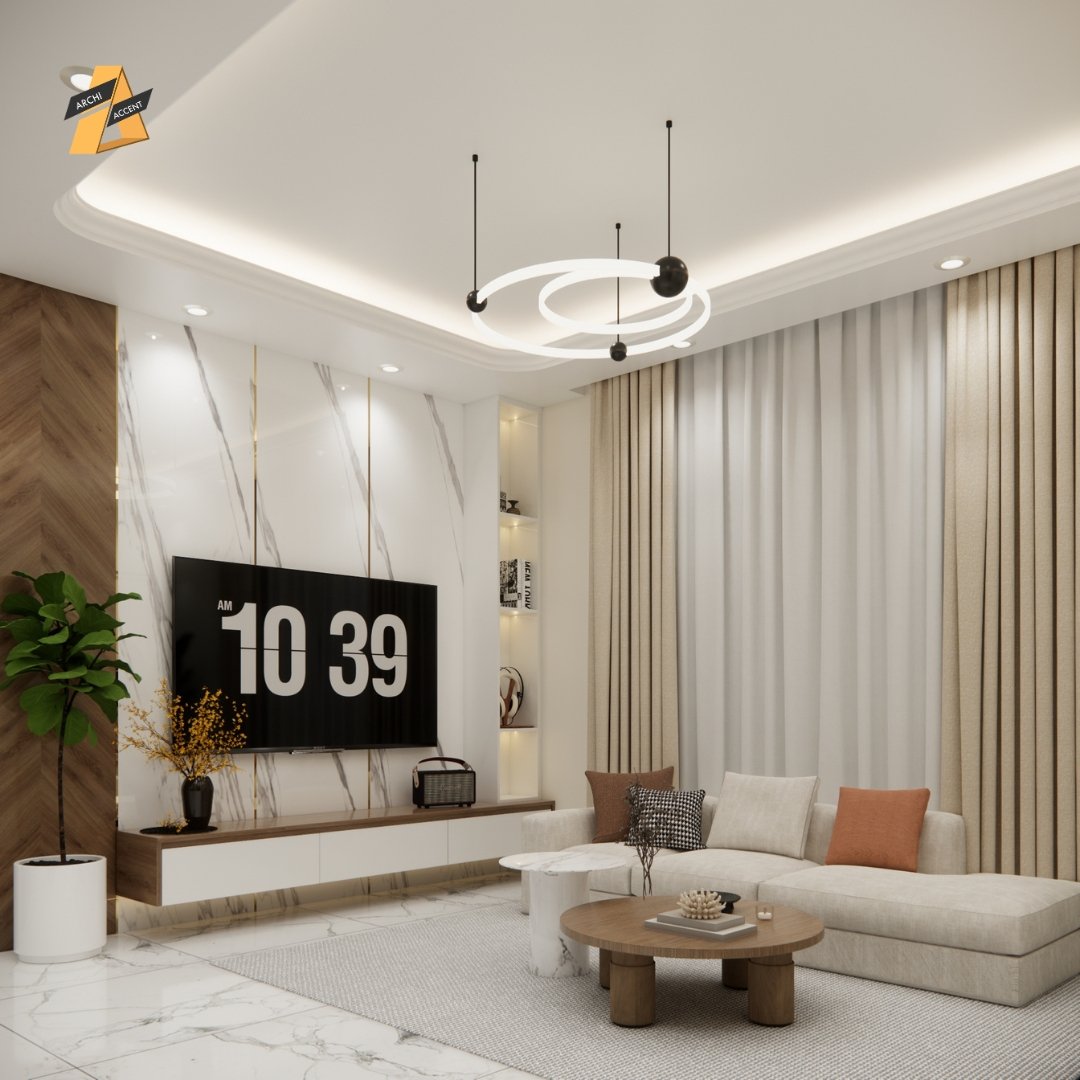
Choosing the right TV unit design ideas for modern living rooms can completely transform the overall atmosphere of your space. Today, TV units are no longer just furniture pieces for placing a television—they have become an important part of modern interior aesthetics. A well-designed TV unit adds balance, storage, style, and functionality while enhancing the visual appeal of the living room. Modern homes now prefer cleaner, simpler, and more practical TV unit designs that blend naturally with the rest of the interior. Why TV Unit Design Matters in Modern Interiors In many homes, the TV area becomes the visual center of the living room. Because of this, the design of the TV unit strongly affects the overall look and feel of the space. A poorly designed unit can make the room feel cluttered and heavy, while a smart design creates a clean and organized atmosphere. The best TV unit design ideas for modern living rooms focus on: Modern design is no longer about adding excessive details—it is about creating harmony. Floating TV Units for a Minimal Look Floating TV units are one of the most popular trends in modern interiors. These units are mounted slightly above the floor, creating a lighter and more spacious appearance. They work especially well in smaller apartments because they reduce visual heaviness and make cleaning easier. Floating designs also create a more premium and contemporary aesthetic compared to bulky traditional cabinets. Many homeowners combine floating TV units with hidden storage compartments to maintain a clutter-free look. Wood and Matte Finishes for Warmth Wood textures continue to dominate modern TV unit design because they create warmth and comfort. Natural wood laminates paired with matte finishes create a balanced look that feels modern without becoming cold or overly industrial. Dark wood tones create depth and luxury, while lighter wood finishes help smaller spaces feel brighter and more open. Matte finishes are especially preferred today because they: Using LED Lighting in TV Unit Designs Lighting can completely change how a TV unit feels inside a living room. Soft LED strip lighting behind panels or shelves adds subtle depth and creates a more premium atmosphere. Warm lighting usually works best because it feels relaxing and comfortable during evening hours. Modern interiors often avoid harsh direct lighting around TV areas because softer lighting creates a more cinematic and cozy environment. The goal is not brightness—it is mood and balance. Smart Storage Solutions for TV Units Storage is one of the biggest reasons why TV units remain important in living room design. A good TV unit should help organize: Hidden storage systems help maintain a cleaner and more minimal appearance. Open shelves can also work well if styled carefully without overcrowding the space. TV Unit Design Ideas for Small Living Rooms Smaller living rooms require more thoughtful planning. The best TV unit design ideas for modern living rooms with limited space usually include: Large and heavy furniture can make compact rooms feel cramped. Simpler layouts help maintain openness and movement. Using mirrors, lighter textures, and proper lighting alongside the TV unit can also make the room feel visually larger. Balancing Decoration and Simplicity One common mistake people make is overdecorating the TV wall. Too many shelves, colors, textures, or accessories can create visual chaos. Modern design works best when there is balance between decoration and empty space. A few carefully selected decor elements often look more sophisticated than overcrowded designs. Simplicity creates elegance. The best TV unit design ideas for modern living rooms combine aesthetics with practicality. Whether you prefer floating units, wooden textures, hidden storage, or subtle lighting, the goal should always be creating a balanced and comfortable living space. Modern TV units are no longer just functional furniture—they are part of the identity and atmosphere of the home itself.
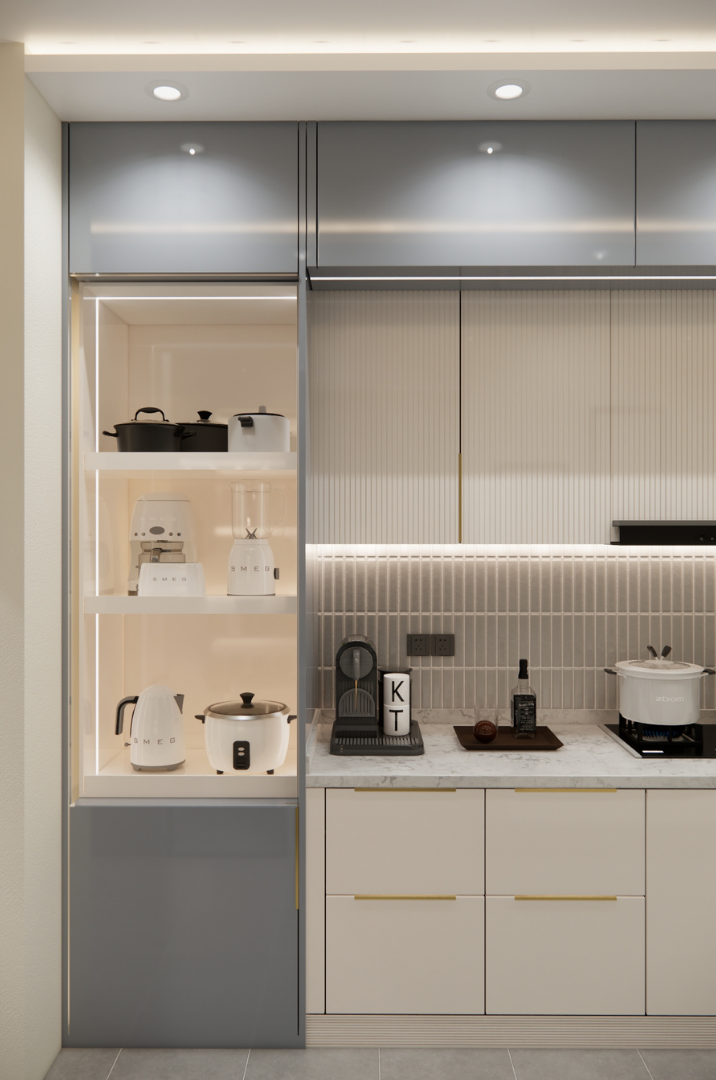
If you are planning a renovation or new home setup, understanding the things to know before starting home interior work is very important. Without proper planning, many homeowners face issues like budget overruns, poor space utilization, and design dissatisfaction. A well-prepared approach ensures your home not only looks beautiful but also works perfectly for your lifestyle. Understand Your Lifestyle First Before anything else, think about how you actually live in your space. Interior design is not just decoration—it is daily functionality. For example: A design that doesn’t match your lifestyle will feel uncomfortable, no matter how beautiful it looks. Set a Clear and Realistic Budget One of the most important things to know before starting home interior work is budgeting. A clear budget helps you: Always keep some extra budget for unexpected costs, because interior projects often include small changes during execution. Focus on Functionality, Not Just Looks Many people make the mistake of focusing only on visual design. A good interior should balance: A stylish home that is not functional becomes frustrating in daily life. Choose Materials Based on Climate and Usage Material selection is critical, especially in countries like Bangladesh where humidity and heat are high. Poor material choices can lead to: So always choose durable and climate-friendly materials for long-term comfort. Plan Lighting and Ventilation Properly Lighting and airflow are often ignored in early planning, but they play a huge role in comfort. Good lighting improves mood and usability of space, while proper ventilation keeps the home fresh and healthy. Natural light should always be prioritized whenever possible. Communication with Your Designer Matters Clear communication is one of the most overlooked things to know before starting home interior work. You should always: Miscommunication often leads to delays and dissatisfaction. Don’t Rush the Process Interior design takes time. Rushing usually leads to mistakes in execution, poor finishing, and unnecessary costs. A well-planned project ensures: Patience always results in a better home. Final Thoughts Understanding the things to know before starting home interior work can completely change how your project turns out. Proper planning, budgeting, material selection, and communication are the foundation of a successful interior project. When these steps are followed correctly, your home becomes not just beautiful—but also functional, comfortable, and long-lasting.
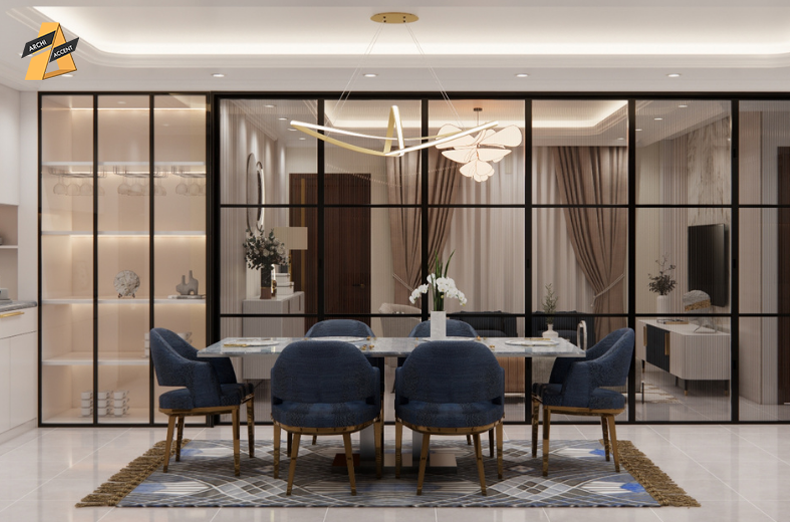
One of the most common questions homeowners ask before starting a project is: how long does an interior design project take? The timeline depends on several factors, including the size of the space, design complexity, customization, and construction requirements. While some small apartment projects can be completed within a few weeks, larger residential interiors may take several months to finish properly. Understanding the process beforehand helps clients plan their budget, schedule, and expectations more realistically. The Different Stages of an Interior Design Project Interior design projects usually move through several important stages. Each stage takes time depending on the scope of work and the decisions involved. 1. Planning & Consultation The first stage includes discussions between the client and the designer. This is where lifestyle needs, preferences, budget, and design goals are discussed. Site measurements, space analysis, and concept planning also happen during this phase. Proper planning is important because it prevents confusion and costly mistakes later in the project. This stage may take anywhere from a few days to a couple of weeks depending on project complexity. 2. Design Development After the initial consultation, designers begin creating layouts, mood boards, material suggestions, and visual concepts. This is one of the most important phases because it shapes the overall direction of the project. Clients may request revisions or adjustments before final approval. Projects with custom furniture, unique detailing, or luxury finishes usually require more time during this stage. 3. Material Selection & Procurement Choosing materials is another major part of the interior design timeline. Furniture, lighting, fabrics, tiles, laminates, paints, and accessories all need to be selected carefully. If imported materials or custom-made items are involved, delivery time can significantly affect the project schedule. In Bangladesh, delays may also happen due to supplier availability or transportation issues. 4. Construction & Installation This is the stage where the actual transformation begins. Depending on the project, construction may include ceiling work, electrical setup, carpentry, painting, flooring, partitions, and furniture installation. A small apartment interior may take a few weeks, while a complete home renovation can take several months. Unexpected site conditions or last-minute changes can also extend the timeline. Good coordination between designers, workers, and suppliers is essential during this phase. What Factors Affect Interior Design Project Time? Several factors influence how long an interior design project takes: Projects with detailed customization and luxury finishes naturally require more time compared to simpler interiors. Why Rushing Interior Design Can Be a Mistake Many people focus only on finishing quickly, but good interiors require careful execution. Rushing often leads to poor finishing, design inconsistencies, or long-term maintenance problems. A well-designed space should remain functional, comfortable, and visually balanced for years. Interior design is not only about creating a beautiful home quickly—it’s about creating a space that genuinely supports everyday living. So, how long does an interior design project take? The answer depends entirely on the project’s scale and requirements. Some interiors can be completed within weeks, while others may need several months for proper execution. The most important thing is planning carefully from the beginning and working with a team that values both quality and functionality. A thoughtfully designed home always takes time—but the result is usually worth it.
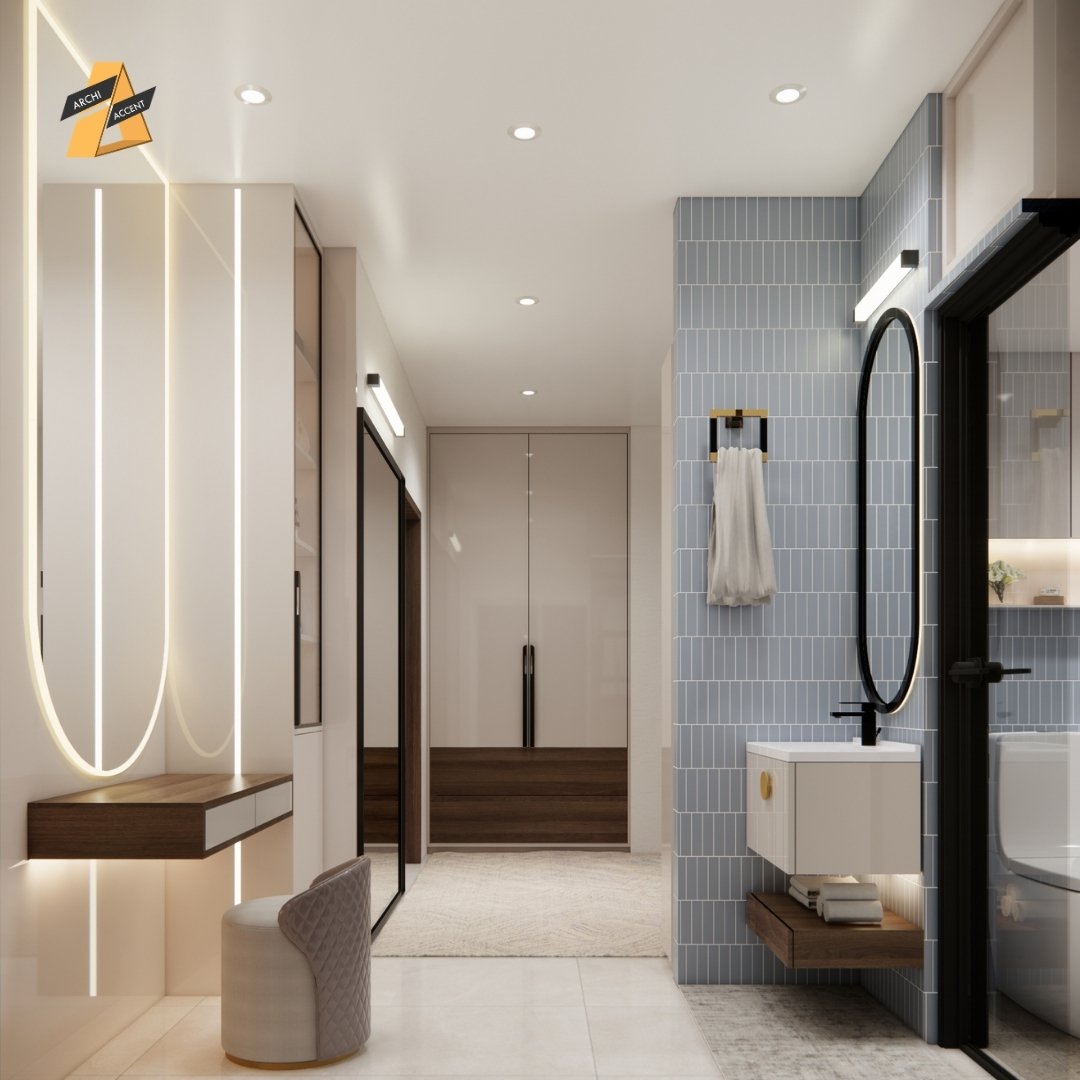
Why Choosing the Best Materials for Homes in Humid Climates Matters The best materials for homes in humid climates are essential for protecting interiors from moisture damage, swelling, rust, and long-term wear. In humid regions, poor material choices can quickly lead to maintenance issues and reduced durability. Selecting the right materials ensures your home stays strong, comfortable, and visually appealing over time. Wood Alternatives That Last Longer Traditional solid wood is often affected by humidity. It can expand, crack, or lose its shape when exposed to moisture for long periods. Instead, engineered wood or high-quality laminates are better options. They offer a similar look while being more stable and resistant to environmental changes. Moisture-Resistant Wall Finishes Walls in humid environments need extra protection. Moisture-resistant paints help prevent peeling, damp patches, and mold growth. Choosing the right finish not only improves durability but also keeps interiors looking fresh for longer periods without frequent repainting. Flooring Options for Humid Conditions Flooring plays a big role in maintaining comfort in humid climates. Materials like tiles, ceramic, or marble are far more practical than carpets. They stay cooler, resist moisture, and are easier to clean. Carpets, on the other hand, can trap humidity and develop odor over time. Metals That Resist Rust and Corrosion In humid environments, metal fixtures can easily rust if not chosen carefully. Stainless steel and treated metals are the most reliable options. They maintain their strength and appearance even in moisture-heavy conditions, making them ideal for kitchens, bathrooms, and fittings. Importance of Ventilation and Sunlight Even the best materials for homes in humid climates won’t perform well without proper ventilation. Good airflow helps reduce moisture buildup indoors. Natural sunlight also plays a key role in keeping spaces dry and preventing mold growth. The best materials for homes in humid climates focus on durability, moisture resistance, and smart design choices. From flooring to furniture, every selection impacts how well your home handles humidity. A well-planned home doesn’t just look good—it stays strong and comfortable in challenging weather conditions.
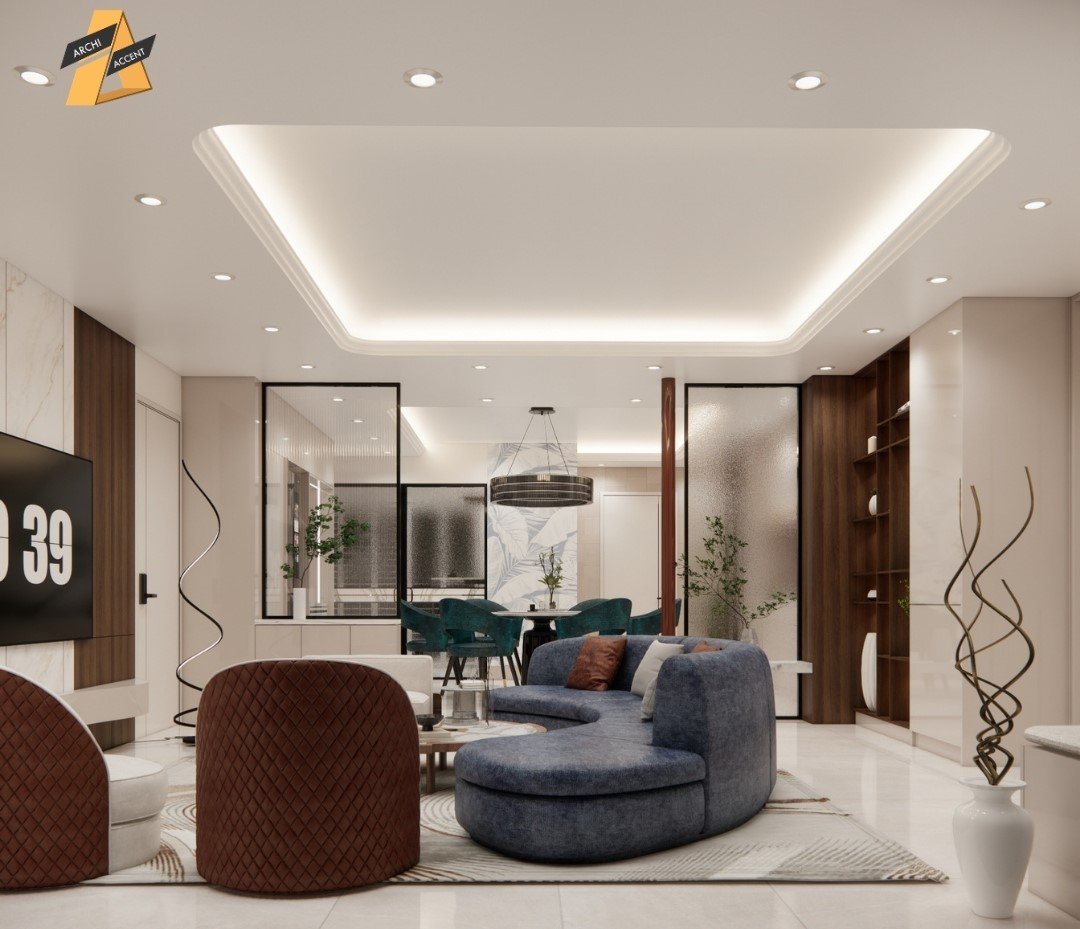
Why Interior Design Ideas for Hot Weather Bangladesh Matter The interior design ideas for hot weather Bangladesh are essential for creating a comfortable home in a warm and humid climate. High temperatures and humidity can make indoor spaces feel heavy and uncomfortable if not designed properly. By choosing the right materials, colors, and layout, you can naturally reduce heat and improve airflow—making your home feel cooler without relying only on air conditioning. Light Colors That Reflect Heat Color plays a big role in temperature control. Light shades like white, off-white, beige, and soft pastels reflect heat instead of absorbing it. Using these tones on walls and ceilings helps keep rooms brighter and cooler. This is one of the simplest yet most effective solutions for warm climates. Breathable Fabrics for Better Comfort In hot weather, fabric choice matters more than you think. Heavy materials trap heat, making spaces feel warmer. Instead, go for breathable fabrics like cotton and linen for curtains, cushions, and upholstery. These materials allow better air circulation and create a lighter, more comfortable environment. Ventilation and Airflow Planning Good airflow is essential in any hot-weather home. Cross ventilation—where air enters from one side and exits from another—can significantly reduce indoor heat. Keeping windows open when possible, using ventilated doors, and avoiding blocked air paths all help maintain a fresh and cool atmosphere. Choosing the Right Flooring Materials Flooring has a direct impact on how cool a space feels. Materials like tiles, marble, or stone remain naturally cooler compared to carpets or heavy wooden floors. These options are more practical for warm climates and also easier to maintain in humid conditions. Using Plants for a Fresh Environment Indoor plants are a simple way to improve air quality and add a refreshing feel to your home. They help create a more natural environment and can slightly reduce heat perception. Choosing low-maintenance plants ensures they stay healthy without much effort. Keep It Light and Minimal Heavy furniture and excessive décor can make a room feel more congested and warm. A lighter, more minimal approach helps improve airflow and keeps the space feeling open. This doesn’t mean empty—it means keeping only what’s necessary and functional. The interior design ideas for hot weather Bangladesh focus on working with the climate rather than against it. Simple choices like lighter colors, breathable materials, and better ventilation can make a noticeable difference. A well-designed home in a hot climate should feel cool, comfortable, and easy to live in every day.
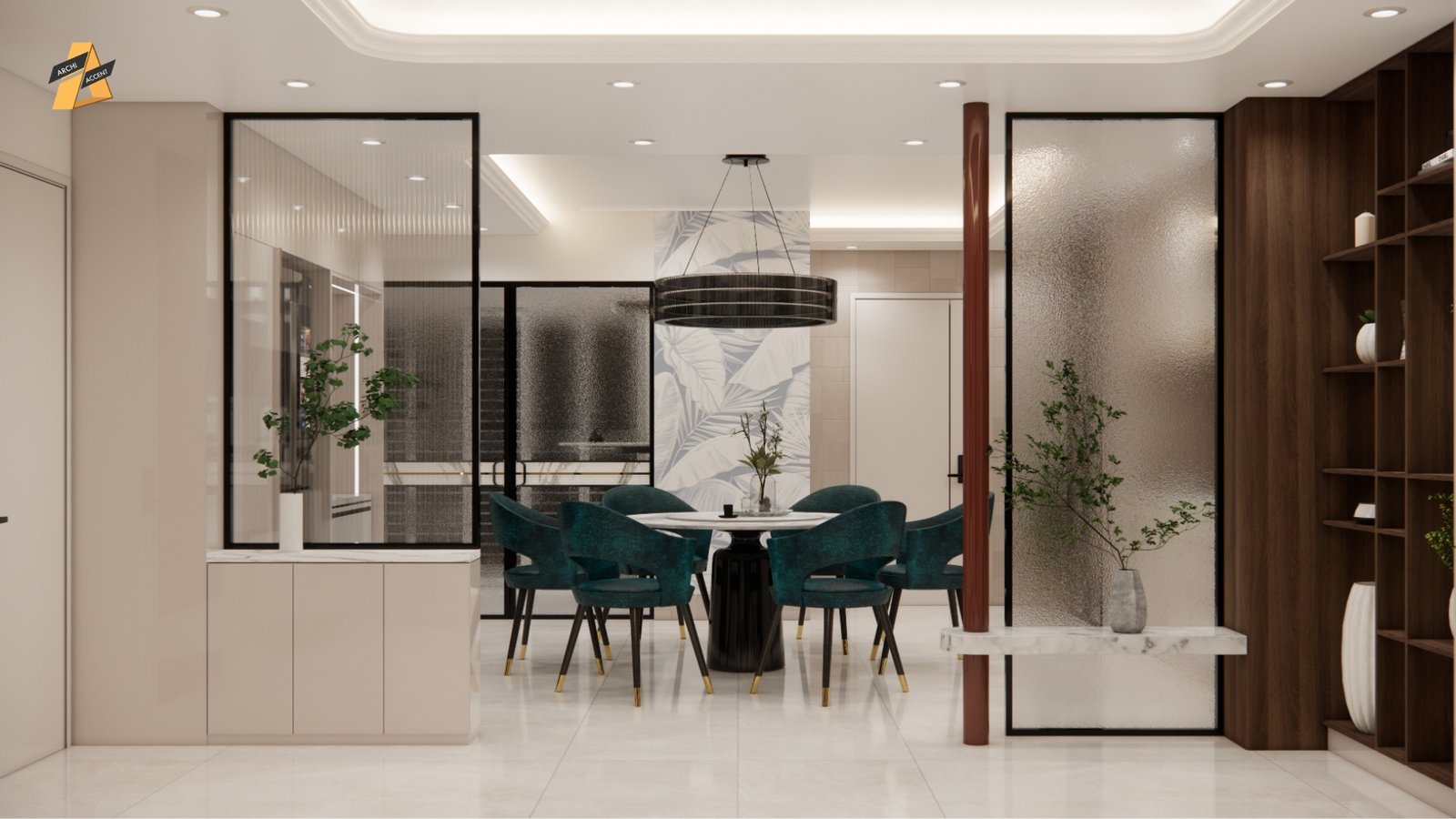
Why These Decor Ideas Don’t Always Work in Real Homes Pinterest-inspired home decor ideas often look perfect online, but real homes come with different lighting, space limitations, and daily use. That’s why not every idea translates well directly. The key is to understand the concept behind the design and adjust it based on your own environment. Gallery Wall Ideas That Feel Balanced Gallery walls are one of the most popular home styling trends. When done right, they add personality and become a strong focal point. To keep it visually appealing, use a consistent color palette or frame style. Planning the layout before hanging anything helps avoid a cluttered or random look. Smart Use of Floating Shelves Floating shelves are both practical and stylish, making them a favorite in modern interiors. Instead of filling them with too many items, keep the arrangement minimal. A few books, décor pieces, or small plants are enough to create a clean and organized appearance. Indoor Plant Styling Tips for Real Spaces Adding greenery is a simple way to make any room feel fresh and lively. However, not all plants suit every home. Choose low-maintenance options that match your lighting and climate. This ensures your décor stays consistent without extra effort. Layering Textures for a Cozy Look One of the easiest ways to upgrade your home is by layering different textures. Combining rugs, cushions, curtains, and natural materials like wood or woven elements adds depth and warmth. This technique works well without requiring major changes. Adapting Design Inspiration to Your Lifestyle Instead of copying ideas exactly, focus on adapting them. What looks good in a photo might not suit your space or routine. Understanding your needs and adjusting accordingly will always give better results than following trends blindly. Pinterest-inspired home decor ideas can be useful when approached thoughtfully. Keep things simple, practical, and aligned with your space. A well-designed home reflects your lifestyle—not just what looks good online.
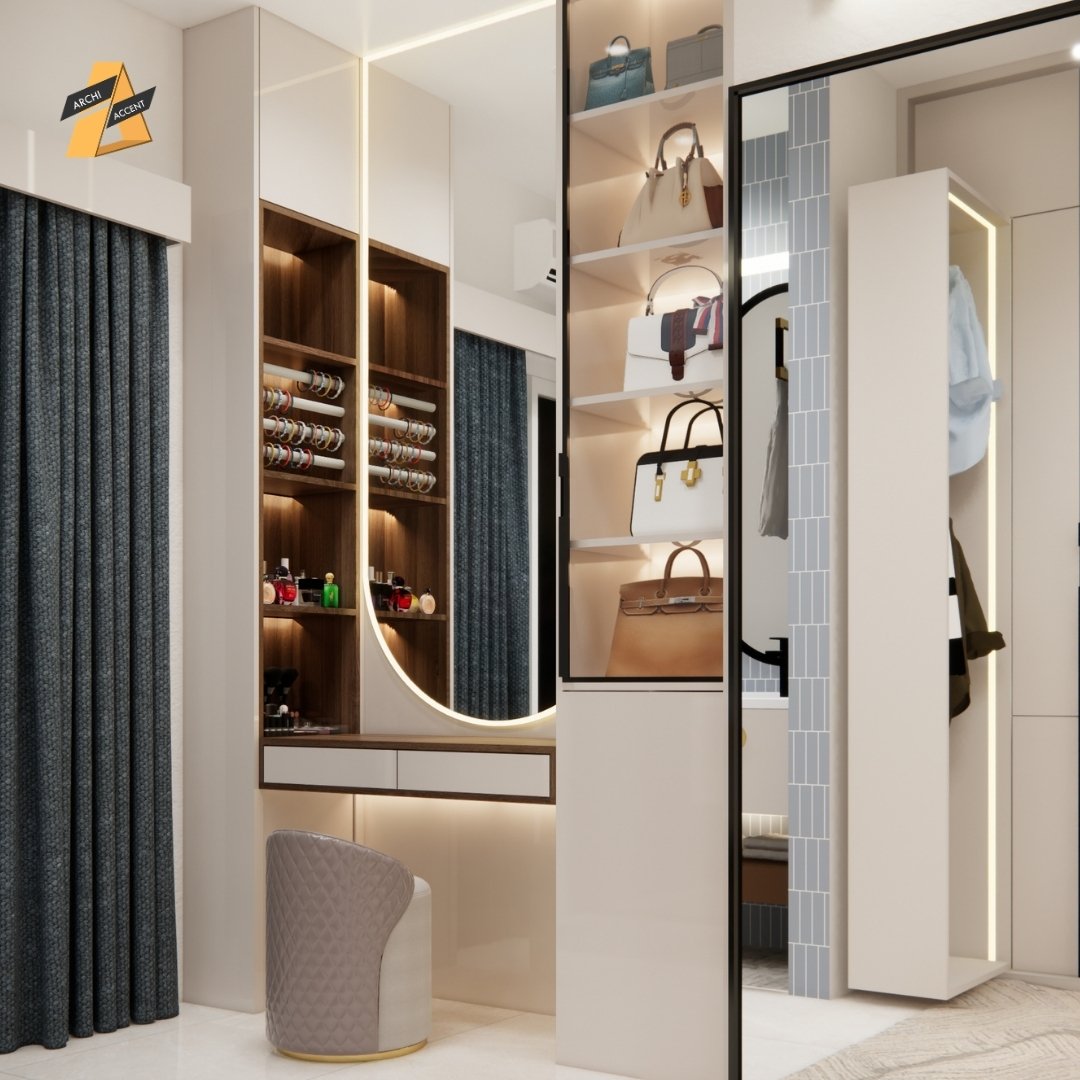
If you’re searching for the best interior design ideas for flats in Bangladesh, you’ve come to the right place. Flats in Bangladesh often face space constraints, limited natural light, and compact layouts, which makes thoughtful interior design essential. At Archi Accent, we specialize in creating flats that are both stylish and practical, helping homeowners maximize space while maintaining a modern aesthetic. Maximizing Space in Compact Flats Space efficiency is crucial for flats in Bangladesh. Modular furniture, wall-mounted shelves, and foldable tables can make even the smallest rooms feel open and organized. Example: Archi Accent recently transformed a Dhaka flat using a storage bed, multi-purpose dining table, and vertical shelving, which allowed the living room to double as a workspace without feeling crowded. Color Schemes and Lighting Choosing the right colors can make a big difference. Light neutrals like beige, white, or soft gray open up spaces, while pops of color in decor or accent walls add personality. Mirrors and reflective surfaces further enhance natural light. Layered lighting is essential: ceiling lights for general illumination, wall sconces for mood, and task lighting for specific areas like study corners or kitchen counters. Furniture and Layout Tips Flats require furniture that is both functional and proportionate to room size. Avoid oversized pieces, which can overwhelm a small space. Multi-functional furniture such as sofa beds, storage ottomans, and extendable tables provides flexibility. Incorporating Local Materials Using locally available materials like bamboo, light wood, and natural fabrics can make your flat feel both authentic and climate-friendly. These materials help keep interiors cool in Bangladesh’s warm climate while adding texture and warmth. Tip: Choose cotton or linen curtains instead of heavy drapes for better airflow and light control. Final Touches: Decor and Personalization Add personality through artwork, indoor plants, and carefully chosen accessories. At Archi Accent, every flat is designed to reflect the homeowner’s lifestyle while keeping the space modern, functional, and aesthetically pleasing. Finding the best interior design ideas for flats in Bangladesh requires creativity, practicality, and attention to local needs. With smart layouts, proper lighting, and functional furniture, even compact flats can feel spacious and stylish. Archi Accent combines local expertise and modern design solutions to help homeowners transform their flats into comfortable, elegant homes.
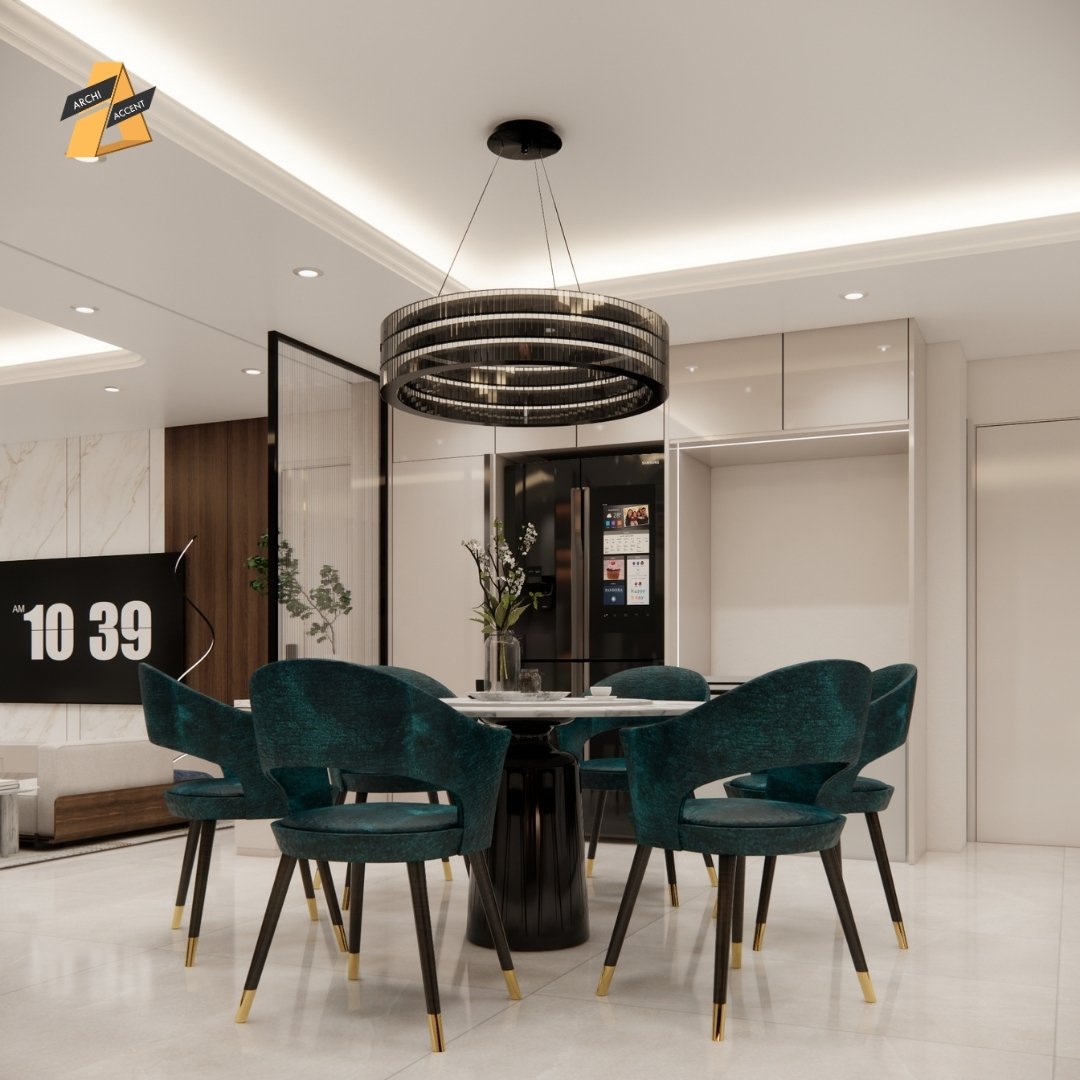
If you’re searching for interior design ideas for Dhaka apartments, you’ve come to the right place. Living in Dhaka often means dealing with limited space, narrow layouts, and high-density living. Thoughtful interior design can transform even the smallest apartment into a functional and stylish home. At Archi Accent, we specialize in creating apartments that are practical, modern, and tailored to your lifestyle. Smart Layouts for Small Spaces Space is limited in Dhaka apartments, so maximizing every corner is essential. Open-concept living-dining layouts help rooms feel larger, while multi-functional furniture like foldable tables and storage sofas ensures efficiency. Example: In one Dhaka apartment project, Archi Accent used a modular sofa with hidden storage and a wall-mounted workspace, creating a living area that also serves as a home office. Light Colors and Reflective Surfaces Choosing the right colors can make a small apartment feel spacious. Light tones like white, beige, or soft gray reflect natural light, creating an airy and open atmosphere. Mirrors and glossy surfaces can enhance this effect further. Tip: Accent walls or colorful decor pieces add personality without overwhelming the space. Archi Accent carefully balances neutral bases with bold accents for every project. Practical Furniture and Storage Solutions Storage is a common challenge in Dhaka apartments. Vertical shelving, under-bed storage, and multi-purpose cabinets keep your apartment organized. Furniture should be proportionate to room size—oversized pieces can make a small space feel cramped. Lighting and Ventilation Natural light is a key factor in apartment design. Use light curtains to let sunlight in while maintaining privacy. Layered artificial lighting, such as ceiling lights, wall sconces, and floor lamps, creates a comfortable ambiance for different activities. Final Touches: Decor and Personalization Adding artwork, indoor plants, and carefully selected accessories makes your apartment feel like home. Archi Accent focuses on interiors that reflect your personal style while maintaining a clean, modern look suitable for Dhaka apartments. Conclusion Transforming a small Dhaka apartment is possible with smart planning, practical furniture, and thoughtful decor. The right interior design ideas for Dhaka apartments can turn even the most compact space into a stylish and comfortable home. Archi Accent brings creativity, practicality, and local expertise together to help you achieve this transformation.
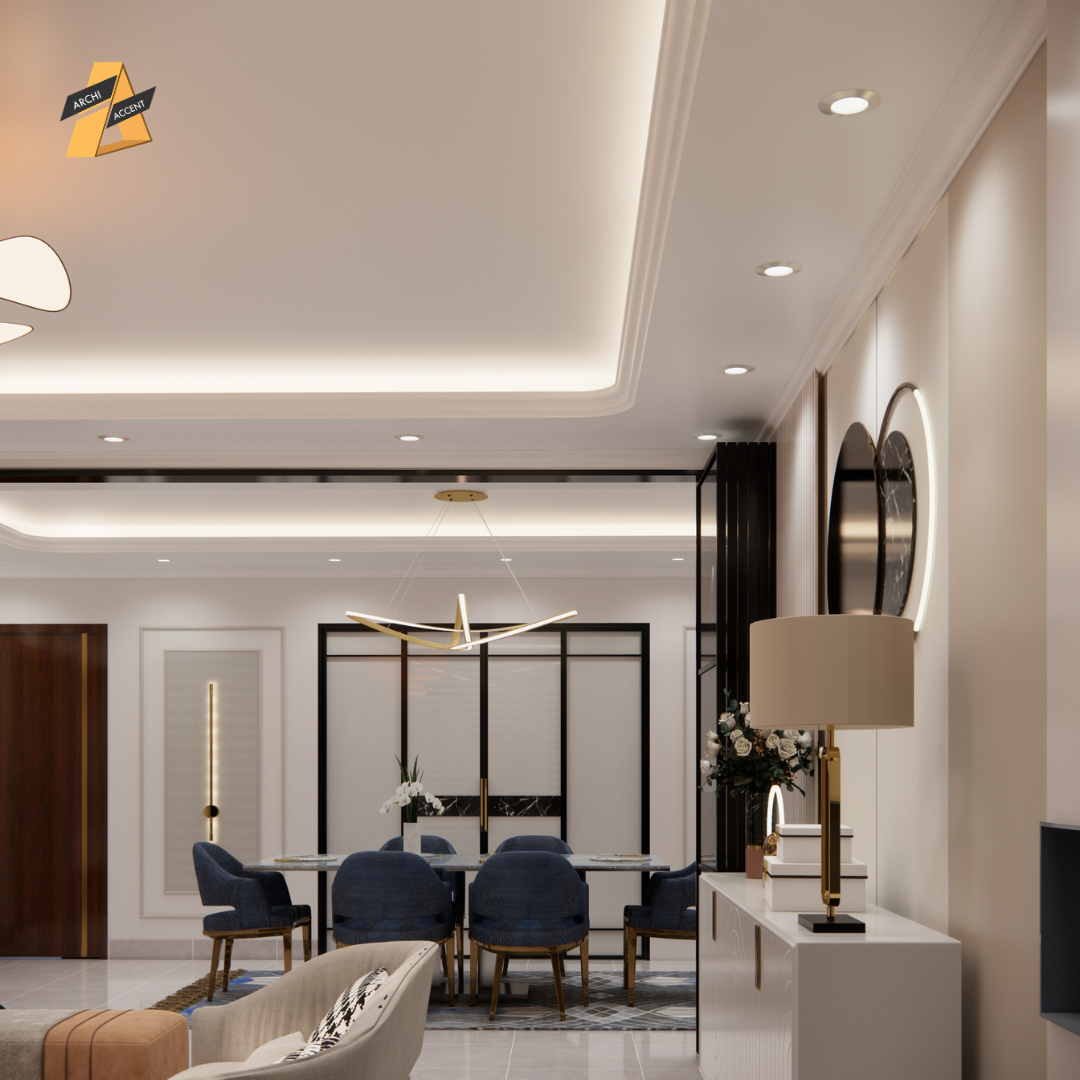
If you’re looking for interior design ideas in Bangladesh, you’ve come to the right place. Homes in Bangladesh face unique challenges such as limited space, high humidity, and irregular layouts, making thoughtful interior design more important than ever. At Archi Accent, we specialize in creating homes that are not only visually appealing but also practical for everyday living. Modern Interior Design for Bangladeshi Homes Modern interior design focuses on clean lines, functional furniture, and a balanced color palette. In Bangladesh, interior design ideas often include using light-colored walls, mirrors, and compact furniture to make spaces appear larger. Natural light is prioritized, while multi-functional furniture helps maximize smaller rooms. Example: A living room can double as a home office by using a foldable desk and modular seating. Archi Accent has implemented this in several Dhaka apartments, combining style with practicality. Using Local Materials for Style and Comfort Incorporating local materials is a smart way to balance aesthetics and climate needs. Bamboo, light wood, and natural fabrics are ideal for interior design in Bangladesh, keeping homes cool while maintaining a warm, inviting atmosphere. Tip: Use cotton or linen curtains instead of heavy drapes to let in light and improve airflow. Archi Accent always selects materials suited to Bangladesh’s hot climate. Color Combinations and Lighting Choosing the right colors and lighting is crucial. Neutral tones with pops of vibrant colors work well for walls, furniture, and accessories. Layered lighting, such as ceiling lights combined with floor lamps and wall sconces, enhances both comfort and ambiance. Multi-Functional Spaces for Bangladeshi Apartments Space efficiency is key. For small apartments, multi-functional furniture like storage beds, foldable tables, and wall-mounted shelves helps keep spaces organized. Archi Accent specializes in transforming compact Dhaka apartments into functional, stylish homes. Finding the right interior design ideas in Bangladesh doesn’t have to be difficult. With the right mix of colors, furniture, lighting, and local materials, every home can be both stylish and practical. Archi Accent is here to help homeowners across Bangladesh create interiors that reflect their lifestyle while optimizing space and comfort.