Choosing the right Durable Materials for Family Homes is one of the most important decisions during any interior design project. While colors and décor can be updated over time, the materials used for flooring, cabinets, countertops, and furniture have a lasting impact on your home’s comfort, maintenance, and overall value. For families with children, elderly members, or pets, durability becomes even more important. Daily wear and tear can quickly damage low-quality materials, leading to frequent repairs and additional costs. Investing in durable materials from the beginning helps create a home that remains beautiful, functional, and easy to maintain for years. At Archi Accent, every project is guided by personalized design, ensuring that materials are selected based on each family’s lifestyle, budget, and long-term needs—not just current design trends. Why Material Selection Matters A beautiful design is only successful if it performs well over time. High-quality materials offer: Choosing durable materials helps reduce future repairs while keeping your home looking its best. Marine Plywood for Cabinets and Furniture Marine plywood is one of the most reliable choices for homes in Bangladesh. Benefits include: It is especially suitable for: Although it costs more than standard plywood, its durability often makes it a better long-term investment. Quartz Countertops for Kitchens Quartz has become one of the most popular countertop materials for modern homes. Advantages include: Quartz is ideal for busy kitchens because it handles everyday use while maintaining its appearance. Porcelain Tiles for Flooring Porcelain tiles are known for their durability and versatility. They are: They work well in: For homes with children or elderly family members, matte or textured porcelain tiles also provide better slip resistance. High-Quality Hardware Cabinets and wardrobes are used every day, making hardware quality extremely important. Invest in: Good hardware improves functionality and extends the life of your furniture. At Archi Accent, hardware is selected through our personalized design process to match both usage patterns and long-term durability. Washable Interior Paint Walls experience daily wear, especially in family homes. Washable paints offer several benefits: This makes them a practical choice for living rooms, children’s bedrooms, hallways, and dining spaces. Moisture-Resistant Laminates Laminates provide an attractive finish while protecting furniture surfaces. Quality laminates offer: They are commonly used for wardrobes, kitchen cabinets, TV units, and storage furniture. Tempered Glass for Safety Glass can add elegance to modern interiors, but safety should always come first. Tempered glass is: It combines durability with a clean, contemporary look. Performance Fabrics for Upholstery Sofas and dining chairs in family homes experience heavy daily use. Choose fabrics that are: Performance fabrics help maintain the appearance of furniture while reducing maintenance. Choose Materials Based on Your Lifestyle The best materials depend on how you use your home. For example: This is why personalized design is so important. The right material for one family may not be the best choice for another. Consider Bangladesh’s Climate Bangladesh’s hot and humid weather can affect the lifespan of many materials. Choose products that: Climate-friendly materials perform better over time and help reduce future repair costs. Why Archi Accent Recommends Personalized Material Selection At Archi Accent, we understand that every family has different needs. Our personalized design approach considers: We also offer a personality assessment on our website to help homeowners better understand their design preferences. These insights allow us to recommend materials that not only look beautiful but also suit each client’s lifestyle and expectations. Instead of recommending the same materials for every project, we create customized solutions that balance durability, functionality, and aesthetics. Common Material Selection Mistakes Avoid these common mistakes: A thoughtful material selection process helps create a home that remains beautiful and functional for many years. Choosing the right Durable Materials for Family Homes is an investment in your home’s future. High-quality materials such as marine plywood, quartz countertops, porcelain tiles, moisture-resistant laminates, tempered glass, and durable hardware offer lasting performance while reducing maintenance and repair costs. At Archi Accent, we combine quality materials with our personalized design philosophy to create homes that are tailored to each family’s lifestyle, climate, and long-term needs. The result is a home that not only looks beautiful on the day it is completed but continues to perform well for many years to come.
Planning a home is a long-term investment, which is why understanding How to Future-Proof Your Home Interior is so important. While design trends come and go, a well-planned home should remain functional, comfortable, and visually appealing for many years. Future-proofing your interior means designing spaces that can adapt to changing lifestyles, growing families, evolving technology, and future maintenance needs. Instead of renovating every few years, smart planning from the beginning can save both time and money. At Archi Accent, we believe every home should be built around personalized design, creating interiors that meet your current needs while remaining flexible enough for the future. What Does Future-Proofing Mean? Future-proofing means making design decisions today that continue to work tomorrow. It focuses on: Rather than following short-term trends, future-proofed interiors prioritize lasting value. Design for Your Future Lifestyle Your lifestyle may change over the next five or ten years. Consider future possibilities such as: Planning for these possibilities helps prevent expensive renovations later. At Archi Accent, our personalized design process begins by understanding not only how you live today but also how your needs may evolve in the future. Choose Timeless Design Over Temporary Trends Trendy interiors often lose their appeal after a few years. Instead, invest in timeless elements such as: You can always update accessories and décor without redesigning the entire home. Timeless design offers better long-term value. Invest in Durable Materials The materials you choose determine how well your home ages. For Bangladeshi homes, durable options include: Quality materials reduce maintenance costs and increase the lifespan of your interiors. Plan Flexible Spaces Modern homes often need rooms that serve multiple purposes. Examples include: Flexible spaces make it easier to adapt your home as your lifestyle changes. Prioritize Smart Storage Storage needs usually increase over time. Include solutions such as: Well-designed storage keeps your home organized without sacrificing style. Our personalized design approach at Archi Accent ensures storage is tailored to your family’s present and future needs. Make Technology-Friendly Decisions Technology continues to evolve, so your home should be ready for future upgrades. Consider: Planning these features early avoids unnecessary modifications later. Maximize Natural Light and Ventilation Homes with good natural light and airflow remain comfortable regardless of changing trends. Benefits include: Proper window placement and thoughtful furniture arrangement help maximize these natural advantages. Select Easy-to-Maintain Finishes Beautiful interiors should also be practical. Choose finishes that: Low-maintenance materials help keep your home looking new for years with less effort. Design for Every Stage of Life A future-proof home should remain comfortable for all family members. This may include: Small planning decisions today can greatly improve long-term comfort and accessibility. Avoid Overcrowding Your Home Many homeowners try to maximize every inch of space with furniture and decoration. Instead: An uncluttered home is easier to adapt as your needs change. Why Personalized Design Is the Key to Future-Proofing No two homeowners have the same lifestyle or future plans. Some families may need additional children’s rooms in the future, while others may require workspaces, entertainment areas, or elderly-friendly layouts. This is why personalized design is essential. At Archi Accent, every project begins with understanding your daily routine, long-term goals, and lifestyle preferences. We also offer a personality assessment on our website to better understand your design style and functional needs. These insights allow us to create homes that remain practical, comfortable, and relevant for years to come. Rather than designing for today alone, we create interiors that grow with you. Common Mistakes to Avoid When planning your home, avoid: Avoiding these mistakes helps protect your investment and keeps your home functional over time. Understanding How to Future-Proof Your Home Interior helps homeowners make smarter design decisions that continue to deliver value for many years. By choosing durable materials, flexible layouts, timeless styles, and practical storage solutions, you can create a home that adapts to life’s changes without constant renovations. At Archi Accent, our personalized design philosophy ensures every home is tailored to both your current lifestyle and your future aspirations. The result is an interior that is beautiful, functional, and built to stand the test of time.
Choosing the best paint colors for Bangladeshi homes is about more than simply following trends. Color strongly affects how a home feels emotionally, visually, and even physically. In Bangladesh, factors like climate, natural lighting, apartment size, and lifestyle all influence which colors work best inside a home. The right paint color can make spaces feel: At Archi Accent, we believe paint selection should always be part of a thoughtful personalized design approach instead of blindly copying trending palettes online. Why Paint Colors Matter in Interior Design Wall colors shape the overall mood of a space more than most people realize. Colors influence: A poorly chosen color palette can make even well-designed interiors feel uncomfortable or visually heavy. The best interiors use color strategically to improve both aesthetics and daily comfort. Neutral Colors Remain the Most Popular Choice Neutral shades continue to dominate modern Bangladeshi interiors because they create balance and flexibility. Popular neutral tones include: These colors work especially well in urban apartments because they help smaller spaces feel larger and more breathable. Neutral palettes also allow furniture, textures, and lighting to stand out more naturally. At Archi Accent, neutral palettes are often used as the foundation of many personalized design concepts because they adapt well to different lifestyles and aesthetics. Light Colors Work Better in Bangladesh’s Climate Bangladesh experiences strong sunlight, heat, and humidity for much of the year. Lighter wall colors help because they: Soft neutral shades often perform better in hot climates compared to darker and heavily saturated walls. This is especially important for apartments with limited ventilation or smaller windows. Warm White vs Cool White Walls Many homeowners struggle when choosing between warm and cool white shades. Warm White Warm whites usually create: These tones pair beautifully with wooden textures and warm lighting. Cool White Cool whites feel: However, overly cool tones can sometimes feel harsh or sterile if not balanced properly. For most Bangladeshi homes, warm neutrals often create more comfortable and timeless interiors. Earthy Colors Are Becoming More Popular Modern interiors are increasingly moving toward earthy and nature-inspired palettes. Popular earthy shades include: These colors create warmth while still maintaining calmness and sophistication. Earth-inspired palettes also work beautifully with natural materials such as wood, stone, and textured fabrics. Dark Colors Should Be Used Carefully Dark shades can create luxury and depth, but they need balance. Colors like: work best as accent walls or feature areas rather than throughout the entire home. In smaller Bangladeshi apartments, excessive dark colors may make spaces feel tighter and heavier unless there is strong natural lighting. Good design is about balance, not extremes. Room-by-Room Paint Color Ideas Living Room Colors Living rooms usually work best with: These shades create welcoming and comfortable environments for both guests and family. Bedroom Colors Bedrooms should feel calming and relaxing. Popular choices include: Overly bright or highly saturated colors can sometimes affect relaxation negatively. Kitchen Colors Modern kitchens often use: These combinations create cleaner and more modern environments. Personalized Design Matters in Color Selection Not everyone feels comfortable in the same type of environment. Some people prefer: This is why personalized design is extremely important in paint color selection. At Archi Accent, color palettes are usually selected based on: instead of simply following trends. Avoid Choosing Colors Only from Online Photos One common mistake homeowners make is selecting paint colors directly from social media images. Colors often look very different depending on: Testing paint samples inside the actual home is always a smarter decision before finalizing colors. Choosing the best paint colors for Bangladeshi homes requires balancing aesthetics, climate suitability, lighting, and emotional comfort together. The right colors can completely transform how a home feels while improving spaciousness, warmth, and functionality. With thoughtful planning and a strong focus on personalized design, firms like Archi Accent help homeowners create interiors that feel timeless, comfortable, and naturally connected to their lifestyle.
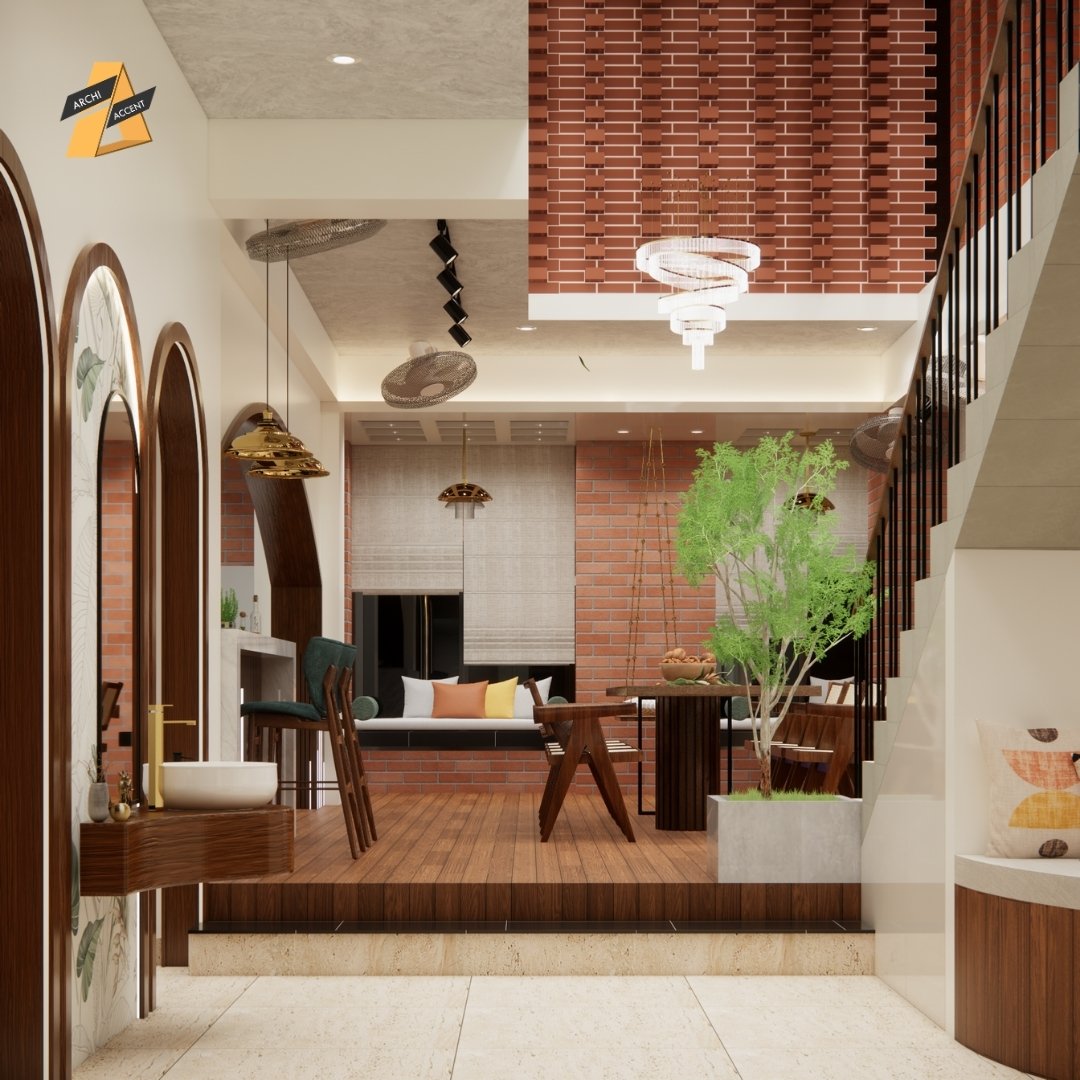
Modern interior design ideas for duplex homes focus on creating spaces that feel connected, functional, spacious, and visually balanced across multiple levels. Duplex homes offer unique opportunities for luxury, openness, and creative layouts, but they also require careful planning to maintain harmony between floors. Unlike smaller apartments, duplex interiors involve staircase integration, vertical space planning, lighting balance, and zoning between private and social areas. A well-designed duplex should feel elegant while still remaining practical for everyday living. At Archi Accent, we believe duplex interiors work best when built around personalized design that reflects the homeowner’s lifestyle, comfort preferences, and family needs naturally. Create a Strong Connection Between Floors One of the most important aspects of duplex interior design is maintaining visual harmony between both levels. The design language should feel connected through: This does not mean both floors need to look identical, but they should feel like parts of one complete home rather than disconnected spaces. Balanced continuity creates a more luxurious and organized atmosphere. Design the Staircase as a Feature Element In duplex homes, staircases become one of the most visually important architectural elements. Modern duplex interiors often use staircases as statement features through: A well-designed staircase adds elegance while improving the overall identity of the home. At Archi Accent, staircase planning is often treated as both a functional and aesthetic centerpiece in duplex interiors. Separate Public and Private Spaces Properly One advantage of duplex homes is the ability to divide spaces more efficiently. Usually: This separation helps maintain better privacy and organization. The lower level may include: While the upper floor often contains: Proper zoning improves comfort and functionality significantly. Use Double Height Spaces Carefully Many duplex homes include double-height living areas that create openness and luxury. These spaces feel: However, double-height areas require balanced lighting and proper furniture proportions to avoid feeling empty or overwhelming. Layered lighting and vertical design elements help maintain visual balance inside taller spaces. Lighting Plays a Huge Role in Duplex Interiors Lighting becomes extremely important in duplex homes because of larger spaces and vertical layouts. Modern duplex interiors usually combine: Large pendant lights or chandeliers often work beautifully in stairwells and double-height areas. Good lighting improves both aesthetics and emotional comfort inside the home. Personalized Design Creates Better Duplex Homes Every duplex homeowner uses spaces differently. Some families prioritize: This is why personalized design is essential in duplex interiors. At Archi Accent, duplex planning focuses heavily on lifestyle understanding before developing layouts and design concepts. A personalized approach creates homes that feel more functional and emotionally connected instead of simply luxurious. Smart Storage Solutions for Duplex Homes Even larger homes need organized storage planning. Modern duplex interiors often include: Smart storage helps maintain cleaner and more visually balanced interiors without overcrowding spaces. Good organization improves both comfort and long-term usability. Use Natural Materials for Warmth Luxury duplex interiors today focus more on warmth and comfort rather than excessive decoration. Natural materials such as: help create elegant yet relaxing environments. Overly glossy or heavily decorative interiors can sometimes feel visually tiring over time. Balanced material selection creates more timeless interiors. Create Cozy Family Spaces Large homes can sometimes feel emotionally distant if not planned carefully. Adding cozy areas such as: helps create warmth and stronger family interaction inside the home. A duplex should feel comfortable, not just visually impressive. Avoid Overdesigning the Space One common mistake in duplex interiors is trying to fill every corner with decorative elements. Too much detailing can make even luxury homes feel heavy and cluttered. Modern duplex interiors work best when they balance: Sometimes restraint creates more sophistication than excessive decoration. The best interior design ideas for duplex homes combine luxury, comfort, functionality, and emotional warmth together. A well-designed duplex should feel connected across floors while supporting the lifestyle and routines of the family naturally. With thoughtful planning and a strong focus on personalized design, firms like Archi Accent help create duplex interiors that feel modern, practical, visually balanced, and comfortable for long-term living.
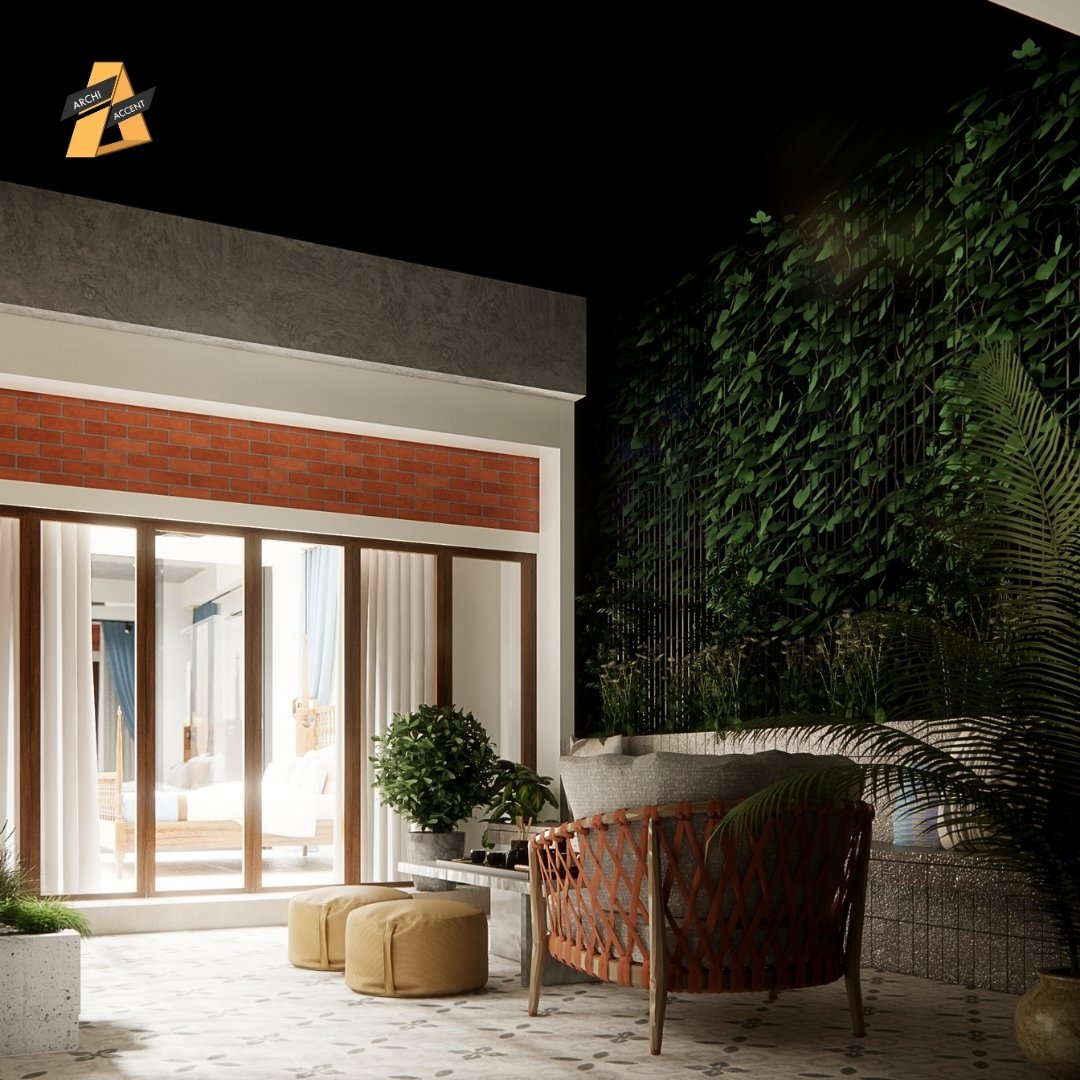
Introduction to Dark vs Light Interiors Choosing between dark vs light interiors is one of the biggest decisions homeowners face while designing a home. Both styles create completely different moods, atmospheres, and visual experiences. Some people prefer darker interiors because they feel luxurious, dramatic, and cozy, while others love lighter interiors for their openness, freshness, and calming effect. The right choice depends not only on trends but also on personality, lifestyle, space size, lighting conditions, and emotional comfort. A home should feel natural to the people living in it rather than simply following what is popular online. At Archi Accent, we focus on personalized design because every homeowner experiences spaces differently. The best interiors are the ones that genuinely reflect comfort and personality. Understanding Dark Interiors Dark interiors usually include deeper shades such as: These interiors often create a sophisticated and luxurious atmosphere. Dark spaces feel: Modern luxury interiors frequently use darker palettes combined with warm lighting and textured materials to create depth and elegance. Advantages of Dark Interiors Creates a Luxurious Atmosphere Dark interiors often feel more refined and elegant when designed properly. Rich textures and layered lighting create strong visual depth. Adds Warmth and Comfort Contrary to popular belief, dark interiors can feel extremely cozy when balanced correctly with lighting and materials. Warm wood textures, soft lighting, and matte finishes usually work beautifully in darker spaces. Hides Minor Imperfections Better Dark colors often hide: more effectively compared to lighter surfaces. Challenges of Dark Interiors Dark interiors may not work well in every home. They can sometimes: Homes with limited natural sunlight may need careful balance to prevent dark spaces from feeling overwhelming. This is why personalized design is important instead of blindly following trends. Understanding Light Interiors Light interiors usually focus on: These spaces feel more open, airy, and calming. Light interiors are especially popular in modern apartments because they visually expand smaller rooms and reflect natural light beautifully. Advantages of Light Interiors Makes Spaces Feel Larger One of the biggest benefits of light interiors is visual spaciousness. Lighter shades reflect more light, helping rooms feel: This works especially well in compact urban apartments. Creates a Calm and Fresh Environment Light interiors usually feel more peaceful and relaxing. They are often associated with: This is why many modern homes prefer lighter palettes. Works Well with Natural Light In countries like Bangladesh where sunlight is strong, lighter interiors can help maintain a cooler and fresher atmosphere during the daytime. Challenges of Light Interiors Although visually beautiful, lighter interiors also have some challenges. They may: That is why textures, fabrics, lighting, and material combinations become extremely important in light-themed spaces. How Personality Influences Interior Preference Your personality naturally affects whether you feel more comfortable in dark or light interiors. People who prefer: At Archi Accent, we often analyze personality, lifestyle, and comfort preferences before developing a personalized design concept for clients. Can You Combine Both Styles? Absolutely. Modern interiors increasingly combine dark and light elements together for balance. For example: Balanced contrast often creates more visually interesting and timeless spaces compared to using only one extreme. Which Style Works Better for Small Homes? For smaller apartments, lighter interiors usually work better because they create visual openness. However, dark accents can still be added strategically through: This creates depth without making the space feel cramped. Good design is never about choosing only one side—it is about balance. Choosing between dark vs light interiors depends entirely on your personality, lifestyle, comfort preferences, and the type of atmosphere you want inside your home. Neither style is universally better—the best interiors are the ones that feel natural and emotionally comfortable for the homeowner. With a strong focus on personalized design, firms like Archi Accent help homeowners create interiors that match not just trends, but also individuality, comfort, and long-term functionality.
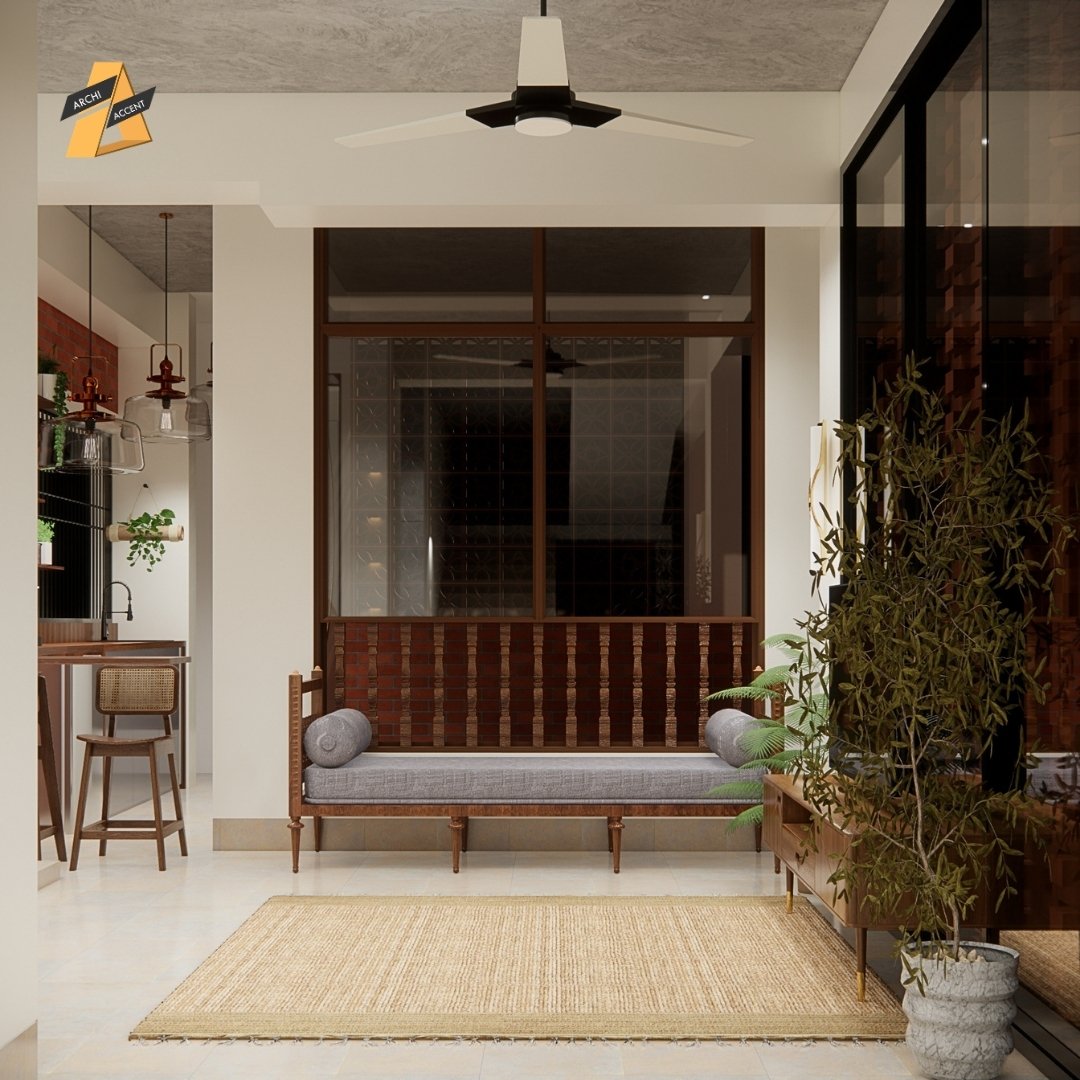
Understanding how to plan your home interior before construction is one of the most important steps in creating a functional and comfortable home. Many homeowners focus only on construction first and leave interior planning for later, but this often creates layout problems, wasted spaces, lighting issues, and expensive modifications in the future. Planning interiors before construction allows homeowners to create better furniture layouts, electrical planning, storage systems, and overall space organization from the beginning. A properly planned interior not only improves aesthetics but also makes everyday living smoother and more practical. At Archi Accent, we believe successful homes are built around functionality, comfort, and personalized design that reflects the homeowner’s lifestyle naturally. How to Plan Your Home Interior Before Construction Based on Lifestyle Before selecting furniture or decorative styles, homeowners should first think about how they actually want to use the space. Every family has different requirements. Some may prioritize: Interior planning should support these daily activities comfortably instead of focusing only on visual appearance. A good home always balances beauty with functionality. Furniture Layout Planning Before Construction One major part of how to plan your home interior before construction is understanding future furniture placement early. Before construction finishes, homeowners should decide: Without proper layout planning, electrical points and lighting placement may not align with the actual furniture arrangement later. At Archi Accent, furniture layout planning is considered essential because it directly affects comfort, movement, and usability. Storage Planning for Better Functionality Storage should never be treated as an afterthought in modern homes. Planning storage before construction helps create cleaner and more organized interiors. Smart storage systems are especially important for compact apartments and urban homes. Important storage areas include: Good storage planning improves both aesthetics and everyday convenience. Lighting and Electrical Planning Before Construction Lighting design works best when planned early during construction. Homeowners should decide in advance: Modern interiors often use layered lighting systems including: Lighting affects not only visibility but also the emotional atmosphere of the home. A properly planned lighting setup creates warmer, calmer, and more visually balanced interiors. Choosing the Right Materials for Long-Term Durability Material selection is another important part of how to plan your home interior before construction. In climates like Bangladesh, materials should handle: Moisture-resistant finishes, durable laminates, breathable fabrics, and practical flooring materials usually perform better over time. At Archi Accent, material recommendations are usually based on functionality, durability, and personalized design preferences. Natural Light and Ventilation Planning Natural airflow and sunlight significantly improve comfort inside a home. Good ventilation helps: Large windows, open layouts, and lighter interior tones can make spaces feel brighter and more breathable. Natural lighting also reduces dependence on artificial lighting during daytime hours. Budget Planning Before Starting Construction Proper budgeting is extremely important before construction begins. Without a clear budget, homeowners often overspend on decorative elements while ignoring important functional areas. A balanced interior budget should include: Planning the budget early helps maintain better financial control throughout the project. Why Personalized Design Matters in Modern Homes Every homeowner has different needs, routines, and lifestyles. Because of this, interiors should never feel copied or generic. A strong personalized design approach creates homes that feel: Instead of blindly following trends, homeowners should focus on spaces that support their real lifestyle needs. Learning how to plan your home interior before construction helps homeowners avoid costly mistakes while creating spaces that are both functional and visually balanced. Proper planning improves storage, lighting, furniture layouts, ventilation, and long-term comfort from the very beginning. With thoughtful planning and expert guidance from firms like Archi Accent, homeowners can create interiors that combine aesthetics, functionality, and personalized design into one complete living experience.
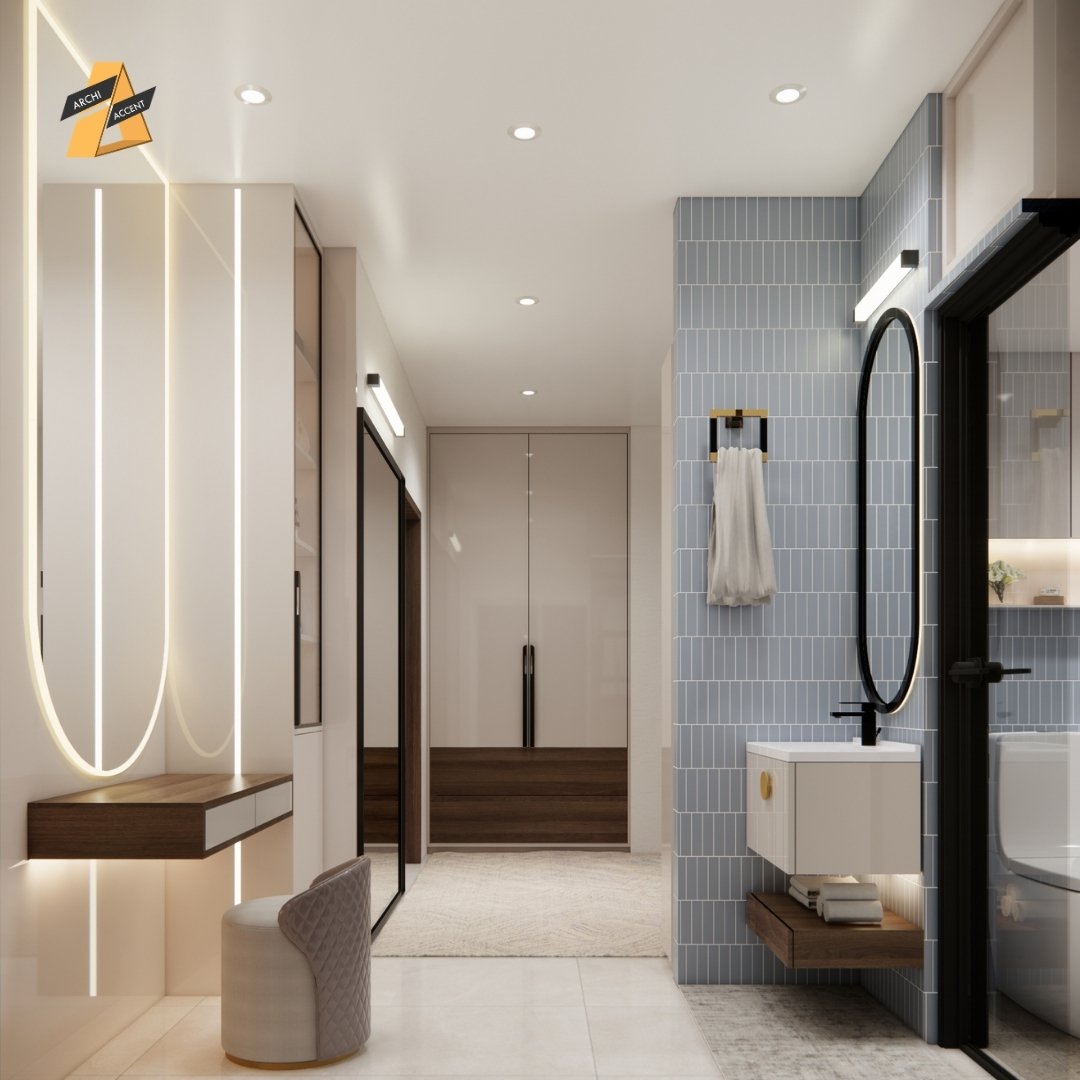
Why Choosing the Best Materials for Homes in Humid Climates Matters The best materials for homes in humid climates are essential for protecting interiors from moisture damage, swelling, rust, and long-term wear. In humid regions, poor material choices can quickly lead to maintenance issues and reduced durability. Selecting the right materials ensures your home stays strong, comfortable, and visually appealing over time. Wood Alternatives That Last Longer Traditional solid wood is often affected by humidity. It can expand, crack, or lose its shape when exposed to moisture for long periods. Instead, engineered wood or high-quality laminates are better options. They offer a similar look while being more stable and resistant to environmental changes. Moisture-Resistant Wall Finishes Walls in humid environments need extra protection. Moisture-resistant paints help prevent peeling, damp patches, and mold growth. Choosing the right finish not only improves durability but also keeps interiors looking fresh for longer periods without frequent repainting. Flooring Options for Humid Conditions Flooring plays a big role in maintaining comfort in humid climates. Materials like tiles, ceramic, or marble are far more practical than carpets. They stay cooler, resist moisture, and are easier to clean. Carpets, on the other hand, can trap humidity and develop odor over time. Metals That Resist Rust and Corrosion In humid environments, metal fixtures can easily rust if not chosen carefully. Stainless steel and treated metals are the most reliable options. They maintain their strength and appearance even in moisture-heavy conditions, making them ideal for kitchens, bathrooms, and fittings. Importance of Ventilation and Sunlight Even the best materials for homes in humid climates won’t perform well without proper ventilation. Good airflow helps reduce moisture buildup indoors. Natural sunlight also plays a key role in keeping spaces dry and preventing mold growth. The best materials for homes in humid climates focus on durability, moisture resistance, and smart design choices. From flooring to furniture, every selection impacts how well your home handles humidity. A well-planned home doesn’t just look good—it stays strong and comfortable in challenging weather conditions.
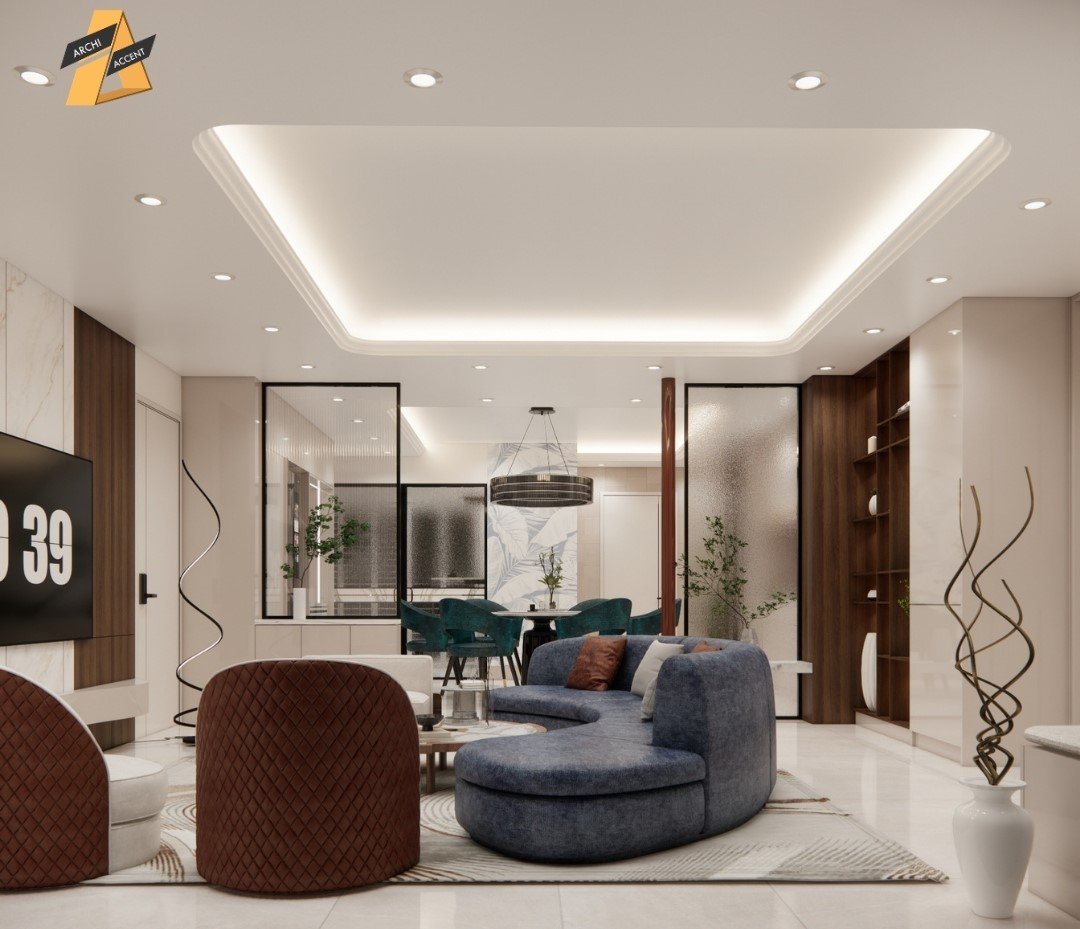
Why Interior Design Ideas for Hot Weather Bangladesh Matter The interior design ideas for hot weather Bangladesh are essential for creating a comfortable home in a warm and humid climate. High temperatures and humidity can make indoor spaces feel heavy and uncomfortable if not designed properly. By choosing the right materials, colors, and layout, you can naturally reduce heat and improve airflow—making your home feel cooler without relying only on air conditioning. Light Colors That Reflect Heat Color plays a big role in temperature control. Light shades like white, off-white, beige, and soft pastels reflect heat instead of absorbing it. Using these tones on walls and ceilings helps keep rooms brighter and cooler. This is one of the simplest yet most effective solutions for warm climates. Breathable Fabrics for Better Comfort In hot weather, fabric choice matters more than you think. Heavy materials trap heat, making spaces feel warmer. Instead, go for breathable fabrics like cotton and linen for curtains, cushions, and upholstery. These materials allow better air circulation and create a lighter, more comfortable environment. Ventilation and Airflow Planning Good airflow is essential in any hot-weather home. Cross ventilation—where air enters from one side and exits from another—can significantly reduce indoor heat. Keeping windows open when possible, using ventilated doors, and avoiding blocked air paths all help maintain a fresh and cool atmosphere. Choosing the Right Flooring Materials Flooring has a direct impact on how cool a space feels. Materials like tiles, marble, or stone remain naturally cooler compared to carpets or heavy wooden floors. These options are more practical for warm climates and also easier to maintain in humid conditions. Using Plants for a Fresh Environment Indoor plants are a simple way to improve air quality and add a refreshing feel to your home. They help create a more natural environment and can slightly reduce heat perception. Choosing low-maintenance plants ensures they stay healthy without much effort. Keep It Light and Minimal Heavy furniture and excessive décor can make a room feel more congested and warm. A lighter, more minimal approach helps improve airflow and keeps the space feeling open. This doesn’t mean empty—it means keeping only what’s necessary and functional. The interior design ideas for hot weather Bangladesh focus on working with the climate rather than against it. Simple choices like lighter colors, breathable materials, and better ventilation can make a noticeable difference. A well-designed home in a hot climate should feel cool, comfortable, and easy to live in every day.