
Choosing the right interior materials is essential for a home in Bangladesh. High humidity, seasonal rainfall, heat, and everyday use can affect how materials look and perform over time. Therefore, selecting materials based only on appearance can lead to maintenance problems and unnecessary expenses. The right interior materials for Bangladesh’s climate should balance durability, comfort, appearance, and maintenance. At Archi Accent, we consider these factors when developing a personalized design for each client. 1. Choose Materials That Handle Humidity Humidity can cause certain wood products to swell, warp, or develop mould, especially when moisture enters through leaks or poorly ventilated areas. Therefore, consider moisture-resistant options for kitchens, bathrooms, and other areas exposed to damp conditions. For example, suitable PVC-based products or properly specified moisture-resistant boards may work for selected applications. However, no board is completely protected from every form of water exposure. Even moisture-resistant materials need suitable edge sealing, installation, and ventilation. Tip: Fix leaks and dampness before installing cabinets or wall finishes. Otherwise, moisture can damage even carefully selected materials. 2. Select Flooring for Durability and Easy Maintenance Flooring needs to handle regular foot traffic, spills, dust, and cleaning. Porcelain tiles can be a practical option for many Bangladeshi homes because they are durable and easy to maintain. However, choose a suitable slip-resistant finish for bathrooms and other wet areas. Engineered flooring or other wood-look products may suit bedrooms and living areas, depending on the product specifications and moisture conditions. Meanwhile, natural stone can offer durability and a distinctive appearance, but some varieties require sealing and specific cleaning methods. Therefore, consider both the appearance and the maintenance requirements before making your final choice. 3. Choose Cabinet Materials Carefully Kitchen cabinets, wardrobes, and storage units often face moisture, heat, and frequent use. For this reason, choose board materials, laminates, and hardware according to the location and expected exposure. Properly manufactured moisture-resistant boards may work well in suitable conditions, while PVC-based cabinetry can be useful in selected applications. In addition, pay attention to edge banding, joints, hinges, and installation quality. Moisture often enters through exposed edges and poorly sealed connections. Ultimately, the right combination of material and workmanship matters as much as the material itself. 4. Consider Heat When Choosing Interior Finishes Bangladesh’s hot weather can make indoor spaces uncomfortable, especially when direct sunlight enters through large windows. Although interior finishes alone cannot solve heat problems, thoughtful material selection can help. For example, light-coloured finishes may reflect more visible light, while appropriate window shading can reduce direct solar heat gain. In addition, consider curtains, blinds, suitable glazing, and ventilation when planning your interior. For the best results, coordinate these choices with the building’s orientation and existing thermal conditions. 5. Select Paints and Wall Finishes for the Right Conditions Paint can peel, blister, or develop mould when walls contain moisture. Therefore, check for leaks, damp patches, and ventilation problems before applying new finishes. Once the surface is dry and properly prepared, select a suitable primer and paint system for the room. For example, washable paints can make living areas easier to maintain. Meanwhile, moisture-resistant systems may suit certain kitchens and bathrooms when the manufacturer approves them for those conditions. However, paint alone cannot solve persistent dampness. Address the underlying moisture problem first. 6. Choose Hardware That Resists Corrosion Cabinet hinges, handles, drawer channels, and other metal fittings face repeated use. In humid conditions, lower-quality hardware may corrode or deteriorate more quickly. Therefore, choose hardware with suitable corrosion resistance and a quality level that matches its intended use. Moreover, check how smoothly hinges and drawer channels operate. Durable hardware can improve daily convenience and reduce the need for frequent replacements. 7. Think About Maintenance Before Choosing Materials Some finishes look attractive but require regular care. Others offer a simpler cleaning routine. For example, glossy surfaces may show fingerprints and scratches more clearly, while textured surfaces can collect dust in their grooves. Similarly, certain natural stones need periodic sealing. Before making a decision, ask: As a result, you can choose materials that suit both your home and your lifestyle. 8. Match Materials to Each Room Not every material belongs in every space. Instead, select finishes according to each room’s conditions and purpose. Area What to prioritize Kitchen Moisture resistance, easy cleaning, durable hardware Bathroom Slip resistance, water resistance, proper waterproofing Bedroom Comfort, low-maintenance finishes, suitable flooring Living room Durability, easy cleaning, resistance to everyday wear Balcony Weather-resistant materials suitable for outdoor exposure Most importantly, proper installation and moisture control remain essential, regardless of which material you choose. How Archi Accent Selects Interior Materials At Archi Accent, material selection begins with understanding the client’s needs, budget, lifestyle, and the conditions of the space. Our approach to personalized design considers more than colour and appearance. We also evaluate durability, maintenance, functionality, and material suitability for the intended application. This helps us develop interiors that balance visual appeal with practical everyday use. Choosing the right interior materials for Bangladesh’s climate requires careful attention to humidity, heat, durability, and maintenance. Therefore, assess the conditions of each room before selecting flooring, cabinetry, paint, hardware, and other finishes. Also, prioritize proper installation and resolve moisture problems before beginning interior work. With thoughtful planning and personalized design, Archi Accent aims to help clients create interiors that remain practical, attractive, and easier to maintain over time.

Even with careful planning, changes can happen during an interior project. You may want to adjust a layout, replace a material, add storage, or change a lighting plan. However, interior construction changes can affect your budget, timeline, and overall design if you do not manage them properly. Therefore, understanding how to handle changes early can help you keep your project organized and avoid unnecessary expenses. 1. Understand Why the Change Is Necessary Before making a change, identify the actual problem. Does the current design fail to meet your needs? Have you discovered a site condition that requires a different solution? Or do you simply prefer another finish? For example, changing a cabinet layout to improve storage may offer long-term value. Meanwhile, replacing a selected finish just because a new trend catches your attention may add costs without improving functionality. First, evaluate the reason for the change. Then decide whether it supports your priorities. 2. Discuss Interior Construction Changes With Your Designer Never make major decisions without informing your designer or project team. Even a small adjustment can affect electrical points, plumbing, furniture dimensions, or other parts of the project. Instead, explain what you want to change and why. Your designer can then assess the impact and recommend a practical solution. At Archi Accent, clear communication and planning help clients make informed decisions throughout the design and execution process. 3. Check the Cost Before Approving Changes Some changes require additional materials, labour, or redesign work. Others may increase costs because workers must remove or redo completed work. Therefore, ask for a clear cost breakdown before approving any change. Also, check whether the change will affect other items in your project. This step helps you avoid unexpected expenses and keep your spending aligned with your budget. 4. Consider the Project Timeline Interior construction changes can delay work, especially when they involve custom furniture, special materials, or adjustments to electrical and plumbing systems. For instance, changing a kitchen cabinet design after production begins may require new measurements and manufacturing time. As a result, discuss the revised timeline with your project team before proceeding. Whenever possible, finalize major design decisions before execution starts. 5. Get Every Approved Change in Writing Verbal instructions can create confusion between clients, designers, contractors, and suppliers. Therefore, document each approved change. Include the revised design, additional costs, material details, and any timeline adjustments. Written confirmation gives everyone a clear reference. Moreover, it reduces the risk of misunderstandings during execution. 6. Avoid Making Decisions in a Hurry When you see work progressing on-site, you may feel tempted to make quick adjustments. However, rushed decisions can lead to poor coordination and unnecessary rework. Instead, review the available options with your designer. Consider how each option affects functionality, appearance, durability, and maintenance. This way, you can make decisions based on your long-term needs rather than temporary preferences. 7. Keep Your Original Priorities in Mind Not every suggested change deserves approval. Some adjustments improve the final result, while others distract from your original goals. Therefore, revisit your budget, lifestyle requirements, and design priorities before making a decision. A personalized design should reflect your needs while maintaining a practical balance between appearance, functionality, and cost. How Archi Accent Manages Interior Construction Changes At Archi Accent, we believe that successful execution depends on proper coordination between design and construction. Our approach considers the client’s requirements, site conditions, materials, and project scope before implementing changes. Through thoughtful planning and personalized design, we aim to help clients make practical decisions while maintaining the overall direction of their projects. Final Thoughts Interior construction changes do not always create problems. In fact, some adjustments can improve your home’s functionality and final appearance. However, every change needs proper evaluation. Discuss the reason, confirm the cost, review the timeline, and document the final decision before work proceeds. Ultimately, clear communication and careful planning can help you manage changes without losing sight of your project’s goals.
Planning a home interior involves many decisions. You have to think about furniture, storage, lighting, materials, colours, and more. Therefore, setting your interior design priorities early can make the process much easier. At Archi Accent, we believe every home needs a different approach. Through personalized design, we help clients focus on what matters most before making major design decisions. Start With Your Lifestyle First, think about how you actually use your home. Do you work from home? Do you cook frequently? Do you regularly host guests? Do you need extra storage? For example, a family with children may prioritize durable materials and practical storage. Meanwhile, someone who works from home may need a dedicated workspace. Your daily routine should therefore influence your interior design priorities. Separate Your Must-Haves Next, divide your requirements into three categories: This simple approach helps you focus on essential features first. Set Your Budget Your budget should guide your interior design priorities from the beginning. Instead of spending equally on everything, decide where quality matters most. For instance, you may want to invest more in kitchen cabinets, flooring, storage, or frequently used furniture. At the same time, you can choose simpler options for decorative elements that are easier to change later. Prioritize Functionality A beautiful interior should also make everyday life easier. Therefore, consider: For example, adding practical storage may provide more everyday value than an expensive decorative feature. Think About Future Needs Your requirements can change over time. Therefore, don’t plan your home only around your current lifestyle. Your needs may change if your family grows, you start working from home, or elderly parents move in. By thinking ahead, you can create a more flexible interior that remains useful for longer. Don’t Let Trends Decide Everything Trends can provide inspiration. However, they shouldn’t determine your entire interior. A trendy design may look attractive today but become less practical later. Instead, create a timeless foundation and introduce trends through smaller elements that are easier to replace. At Archi Accent, our personalized design approach focuses on your lifestyle and preferences rather than simply copying current trends. Consider Maintenance Maintenance should also be part of your interior design priorities. For example, busy families may prefer durable and easy-to-clean materials. Similarly, frequently used areas may need finishes that can handle everyday wear. As a result, the right material choice can make your home easier to maintain in the long run. Prioritize High-Use Areas Not every room needs the same level of investment. For instance, kitchens, bathrooms, living rooms, and wardrobes often receive more daily use. Therefore, investing in quality and functionality in these areas can provide greater long-term value. Let Your Personality Influence the Design Finally, your home should feel personal. At Archi Accent, we use a personality assessment to understand your preferences and help develop a personalized design that suits your lifestyle. As a result, your interior can reflect not only how you live but also what you naturally like. A Simple Priority Checklist Before starting your interior project, ask: ☐ What are my must-have features?☐ Which rooms need the most attention?☐ What is my realistic budget?☐ Where should I invest in quality?☐ What can I compromise on?☐ What will I need in the future?☐ How much maintenance can I manage?☐ Does the design reflect my personality? Once you answer these questions, you’ll have a clearer direction for your project. How Archi Accent Helps At Archi Accent, we help clients identify their priorities before developing their interior. We consider your lifestyle, space, budget, preferences, and future needs. Then, we bring these elements together through personalized design. This approach helps ensure that your budget goes toward features that genuinely improve your everyday life. Setting your interior design priorities makes the design process more focused and practical. More importantly, it helps you spend your budget on the things that matter most. Trends may change. However, a home designed around your lifestyle can remain useful and comfortable for years. At Archi Accent, we combine personalized design with an understanding of your personality and needs to create interiors that feel practical, comfortable, and truly yours.
Knowing how to choose an interior design firm in Bangladesh can make a major difference to your interior project. With many firms offering different styles, services, and price ranges, choosing the right one can feel confusing. However, you do not have to decide based only on attractive 3D designs or the lowest quotation. Instead, look at the firm’s experience, process, communication, materials, and execution capabilities. 1. Check the Interior Design Firm’s Portfolio Start by reviewing the firm’s completed projects. Do not only look at 3D renders. Instead, check photographs of finished spaces and see whether the firm has experience with projects similar to yours. For example, if you are designing an apartment, look for residential projects with similar layouts or requirements. 2. Understand Their Interior Design Services Before choosing an interior design firm in Bangladesh, find out exactly what the company provides. Some firms focus mainly on design, while others also handle execution, furniture, material sourcing, and site supervision. Therefore, ask what is included in your project and what you will need to arrange separately. 3. Compare the Quotation Carefully Price matters, but the lowest quotation does not always represent the lowest overall cost. Instead, compare what each quotation includes. Check materials, furniture, labour, design services, site supervision, and other project costs. Moreover, ask about possible additional costs before signing an agreement. 4. Ask About Materials and Quality Materials directly affect the durability and appearance of your interior. So, ask the firm about the boards, laminates, hardware, lighting, paint, tiles, and other finishes they plan to use. A reliable firm should explain material options clearly and help you choose according to your budget and requirements. 5. Evaluate Communication Good communication makes an interior project easier to manage. Therefore, notice how the firm communicates from your first consultation. Do they listen to your requirements? Do they answer questions clearly? Do they explain changes and costs? Most importantly, you should feel comfortable discussing your concerns with the team. 6. Check Their Execution and Site Supervision A beautiful design still needs proper execution. Therefore, ask who will manage the work once construction begins. Find out whether the firm provides site supervision, coordinates workers and vendors, checks materials, and monitors the quality of the finished work. This step can help reduce gaps between the approved design and the final result. 7. Look for Personalized Design Your home should suit the way you live rather than simply copy a popular design. That is why personalized design should be an important part of your decision. A good interior design firm should consider your lifestyle, preferences, space, budget, and functional requirements before developing the design. 8. Ask About the Complete Project Process Before hiring a firm, ask what happens from the first consultation to final handover. A clear process may include site measurement, space planning, concept development, 3D visualization, material selection, working drawings, execution, supervision, and handover. As a result, you will have a better idea of what to expect throughout the project. Why Choose Archi Accent? At Archi Accent, we believe that choosing an interior design firm should start with understanding the client’s needs. Our approach combines design, planning, and execution to create functional and visually refined spaces. We also focus on personalized design, so the final interior reflects the client’s lifestyle, preferences, and requirements rather than following a standard template. Learning how to choose an interior design firm in Bangladesh becomes easier when you know what to evaluate. Check the portfolio, understand the services, compare quotations, ask about materials, evaluate communication, and learn how the firm handles execution. Most importantly, choose a team that understands your requirements and can turn them into a practical, personalized design. Before making your final decision, take the time to compare firms carefully. A well-informed choice can make the entire interior design process more organized and manageable.
Choosing an interior designer who understands your needs is essential for a successful home interior project. A good designer should understand your lifestyle, budget, preferences, and practical requirements before creating your space. But how do you know if an interior designer understands your needs? Here are seven signs to look for. 1. They Ask About Your Lifestyle An interior designer who understands your needs will ask questions before suggesting designs. They may ask how you use each room, who lives in your home, how much storage you need, and what your daily routine looks like. For example, a family with children may need a different layout from someone living alone. Therefore, your designer should consider your lifestyle first. 2. They Listen to Your Ideas Listening is one of the clearest signs that an interior designer understands your needs. Instead of immediately presenting their own ideas, a good designer listens to your preferences, concerns, and expectations. They should also remember important details throughout the project. 3. They Understand Your Budget A professional designer should discuss your budget early. They should recommend suitable materials, furniture, and finishes based on what you can realistically spend. Moreover, they should explain where you can save and where spending more could improve durability or functionality. 4. They Explain Their Design Choices A good designer does not simply say that something “looks good.” Instead, they explain why a particular colour, layout, material, or furniture choice works for your home. As a result, you can understand the reasoning behind the design and make better decisions. 5. They Offer Personalized Design Your home should not look like a copy of someone else’s project. Instead, it should reflect how you live. That is why personalized design plays an important role. An interior designer who understands your needs will combine your lifestyle, preferences, space, and budget to create a design that suits you. 6. They Consider Functionality Interior design involves more than aesthetics. A designer should also consider storage, movement, lighting, comfort, maintenance, and long-term usability. Therefore, the final design should not only look beautiful but also make everyday living easier. 7. They Communicate Clearly Clear communication can prevent many problems during an interior project. Your designer should explain the project timeline, materials, costs, revisions, and construction process. Furthermore, they should encourage you to ask questions and provide feedback throughout the project. How Archi Accent Understands Your Needs At Archi Accent, we believe that good interior design starts with understanding the client. Our process focuses on your lifestyle, preferences, space, and practical requirements. We then use these insights to develop personalized design solutions that balance aesthetics and functionality. Most importantly, we do not believe that one design works for everyone. Your home should work for you. The right designer does more than create an attractive interior. They listen to you, understand your lifestyle, respect your budget, and communicate clearly. Ultimately, when an interior designer understands your needs, the result becomes more functional, comfortable, and personal. So, before hiring an interior designer, look beyond the portfolio. Make sure they understand you first.
Choosing an interior design company is a major decision. After all, you’re investing in your home, your comfort, and your money. Therefore, comparing companies based on more than just price can help you make a better choice. Before making a decision, look at their experience, portfolio, services, communication, materials, and approach to personalized design. Look at Their Portfolio First, explore the company’s previous projects. A portfolio can show you: However, don’t only look for beautiful pictures. Try to see whether the company has experience with projects similar to yours. Compare Their Services Different companies offer different levels of service. For example, one firm may only provide design, while another may handle design, material selection, construction, furniture, and site supervision. Therefore, compare exactly what each company includes before comparing prices. Ask About Their Process A professional company should have a clear process. Ask how they handle: As a result, you’ll have a better idea of what to expect throughout the project. Don’t Choose Based on Price Alone Price is important, but it shouldn’t be your only deciding factor. A lower quote may exclude certain services or use different materials. Meanwhile, a higher quote may include additional services, better materials, or more detailed project management. So, compare what you’re actually getting for the price rather than comparing numbers alone. Check Material Quality Materials have a major impact on durability and appearance. Ask each company: Most importantly, make sure the quoted materials match the quality you expect. Evaluate Communication Good communication can make an interior project much easier. Notice whether the company: After all, even a talented designer may not be the right choice if communication is difficult. Ask About Site Supervision Design and construction need to work together. Therefore, ask who will monitor the site and how frequently the team will check the work. Proper supervision can help maintain design accuracy, workmanship, measurements, and finishing quality. Look for Personalized Design Not every home needs the same solution. A good interior company should understand your lifestyle, preferences, family requirements, and budget before creating the design. At Archi Accent, we focus on personalized design rather than simply applying a standard template to every project. In addition, our personality assessment helps us understand your preferences and create a design that feels more personal to you. Ask About Changes and Extra Costs Changes can happen during an interior project. However, you should understand how the company handles them. Ask: This way, you can avoid confusion later. Check Reviews and Client Experience Reviews can provide useful insight into how a company works with clients. Look beyond comments about design and check whether clients mention: However, consider multiple reviews rather than relying on a single opinion. Compare the Contract Before signing, carefully compare the terms provided by different companies. Look for details about: If something isn’t clear, ask before signing. A Simple Comparison Checklist Before choosing an interior design company, compare: What to Compare Questions to Ask Portfolio Have they completed similar projects? Services What exactly is included? Materials What quality and specifications do they offer? Design Is it personalized to your needs? Supervision Who manages the site? Communication How will they keep you updated? Cost What does the quoted price include? Timeline When will the project be completed? Contract Are the terms clearly documented? Why Archi Accent Takes a Personalized Approach At Archi Accent, we believe the right interior begins with understanding the client. Our personalized design approach considers your lifestyle, personality, preferences, space, budget, and practical requirements. Then, we translate those insights into a design and execution plan suited to your home. Our personality assessment also helps us understand your design preferences before the design process begins. When you compare interior design companies, don’t simply choose the cheapest quote or the most attractive portfolio. Instead, consider the complete experience—from consultation and design to materials, construction, supervision, communication, and final delivery. The right company should understand what you need and explain how they can deliver it. At Archi Accent, we combine personalized design, careful planning, and project execution to create interiors designed around the people who live in them.
Hiring an interior designer is about more than choosing someone with a beautiful portfolio. More importantly, your designer should understand how you live, what you need, and what you expect from your home. When an interior designer understands your needs, the final design becomes more practical, comfortable, and personal. At Archi Accent, we believe this understanding should come before the design itself. They Ask About Your Lifestyle A good designer doesn’t immediately start discussing colors and furniture. Instead, they ask questions about your everyday life. For example: By asking these questions, a designer can create solutions based on your actual lifestyle. They Listen Before They Suggest Listening is just as important as design expertise. If you explain that you need more storage, a designer should understand why you need it before recommending a solution. Similarly, if you prefer a minimalist interior, they should understand what minimalism means to you rather than simply showing you a standard minimalist template. They Ask About Your Budget Your budget is an important part of your requirements. A designer who understands your needs should discuss your budget early. As a result, they can recommend materials, furniture, and finishes that fit your priorities without creating unrealistic expectations. At Archi Accent, we consider budget alongside lifestyle and design preferences as part of our personalized design approach. They Don’t Force Trends on You Trends can provide inspiration. However, your home shouldn’t look like a copy of something you saw online unless that’s genuinely what you want. A designer should explain different options and help you choose what works for your lifestyle. Ultimately, your home should reflect you—not simply the latest trend. They Remember the Details You Share Pay attention to whether your designer remembers your requirements throughout the process. For example, if you previously mentioned that you need a quiet workspace or additional kitchen storage, those requirements should appear in the design discussion later. This shows that the designer isn’t simply following a template. They Explain Their Decisions A good designer should be able to explain why they recommend something. For instance, they might explain why a particular material suits your lifestyle or why a certain furniture arrangement improves movement through the room. Therefore, don’t hesitate to ask questions. A designer who understands your needs should be comfortable explaining their reasoning. They Offer Solutions, Not Just Ideas Interior design isn’t only about making a mood board. A professional should think about practical issues such as: As a result, the design should work in real life, not just look good in a 3D visualization. They Adapt the Design to You Every home and homeowner is different. A family with children may need durable materials and flexible storage. Meanwhile, someone living alone may prioritize a different layout and atmosphere. This is why personalized design matters. At Archi Accent, we don’t believe one design solution works for everyone. We consider your personality, lifestyle, preferences, and requirements before developing the interior. Personality Can Influence Design Your personality can also influence the kind of environment you feel comfortable in. That’s why Archi Accent uses a personality assessment as part of understanding clients. The assessment helps explore your preferences and provides useful insight into the type of interior that may suit you. Then, we use those insights alongside your practical requirements to develop a more personalized design. They Welcome Your Feedback Interior design is a collaborative process. You should feel comfortable saying what you like, what you don’t like, and what you want to change. At the same time, your designer should explain how a requested change might affect the budget, timeline, or overall design. Open communication helps both sides make better decisions. A Simple Test Before choosing an interior designer, ask yourself: ☐ Did they listen to my requirements?☐ Did they ask about my lifestyle?☐ Did they understand my budget?☐ Did they offer practical solutions?☐ Did they explain their recommendations?☐ Did they adapt ideas to my preferences?☐ Did I feel comfortable sharing my opinions? If most of your answers are yes, you’re likely working with someone who is genuinely trying to understand your needs. How Archi Accent Approaches Your Needs At Archi Accent, we believe the first step in good interior design is understanding the client. Our personalized design process considers your lifestyle, personality, preferences, budget, and practical requirements. In addition, our personality assessment helps us understand your design preferences before we begin developing your interior. The goal isn’t simply to create a beautiful space. Instead, we aim to create a home that makes sense for the person or family living in it. A good interior designer doesn’t just design a space—they understand the person behind it. Therefore, look for a designer who listens carefully, asks meaningful questions, respects your budget, explains their decisions, and adapts the design to your lifestyle. At Archi Accent, we believe every home deserves personalized design. By understanding you first, we can create an interior that feels comfortable, functional, and genuinely yours.
Working from home has changed how many people use their living spaces. A dining table may become a temporary desk, while a quiet corner may turn into a meeting space. Therefore, thoughtful work from home interior design can make your home more comfortable and productive. At Archi Accent, we believe a home office should fit naturally into your lifestyle. Through personalized design, we create spaces that balance work requirements with the comfort of everyday home life. Choose the Right Location First, decide where your workspace should be. If you have a separate room, you can create a dedicated home office. However, you don’t necessarily need an entire room. A quiet corner of a bedroom, living room, or hallway can also work with the right planning. Try to choose an area with: Prioritize a Comfortable Workstation Your desk and chair will probably be the most frequently used elements in your workspace. Therefore, choose furniture that provides enough space for your computer, documents, and other essentials. At the same time, avoid making the workstation unnecessarily large. A properly sized desk can help preserve valuable floor space. Plan Your Lighting Good lighting makes a workspace more comfortable. Natural light can make the area feel brighter during the day. Meanwhile, a dedicated desk lamp or well-planned ceiling lighting can support work after sunset. Try to position your desk so that direct sunlight doesn’t create distracting reflections on your screen. Create Enough Storage Work-from-home spaces often need more storage than homeowners initially expect. You may need space for: Instead of adding multiple storage units later, consider built-in shelves, drawers, or cabinets during the design stage. This keeps the workspace organized without making the room feel crowded. Keep Work and Personal Life Separate One challenge of working from home is creating a clear distinction between work time and personal time. For example, a dedicated workspace can help you mentally separate your professional activities from your living areas. If you don’t have a separate room, use furniture, shelving, lighting, or a different wall finish to visually define the workspace. Think About Video Calls Video meetings have become a normal part of many work-from-home routines. Therefore, consider what will appear behind you during calls. A simple wall, bookshelf, artwork, or carefully planned background can create a clean appearance without requiring an elaborate setup. Plan Electrical Points Early A home office can require several connections for: As a result, electrical planning should happen before construction or furniture installation. Proper placement can also reduce visible cables and keep the workspace organized. Don’t Forget Ventilation A comfortable workspace needs good airflow, particularly in Bangladesh’s warm climate. Therefore, consider windows, fans, air conditioning, and furniture placement together. Avoid blocking important airflow paths with large cabinets or furniture. Make the Workspace Match Your Home Your home office doesn’t need to look completely separate from the rest of your interior. Instead, use similar colors, materials, and finishes so the workspace feels like part of the overall home. At Archi Accent, our personalized design approach allows us to integrate workspaces into the existing interior style rather than treating them as an afterthought. Plan for More Than Work A good home office should remain useful when you’re not working. For example, additional shelving can hold books, while a comfortable chair can create a reading corner. A flexible desk can also serve different purposes when needed. This approach helps you get more value from the available space. How Archi Accent Creates Work-From-Home Spaces At Archi Accent, we start by understanding how you actually work. We consider: Then, we bring these elements together through personalized design to create a workspace that supports both productivity and everyday comfort. A successful work from home interior design should do more than provide a desk. It should create a comfortable, organized, and practical environment that fits naturally into your home. With thoughtful planning, you can create a dedicated workspace even without a large separate office. At Archi Accent, we use personalized design to understand your work habits and lifestyle before planning your space. As a result, your home can support your professional needs without compromising the comfort and character of the rest of your interior.
Changes during an interior project are sometimes unavoidable. A site condition may be different from the original plan, or you may decide that a particular material, color, or furniture detail no longer suits your needs. However, making changes without proper communication can create delays, extra costs, and confusion. Therefore, knowing how to manage interior construction changes is important for both homeowners and design teams. At Archi Accent, we use a personalized design approach to understand your requirements early and reduce unnecessary changes during construction. Why Do Changes Happen During Construction? First, it’s important to understand that not every change means something went wrong. Changes can happen because: For example, a cabinet design may need adjustment after the team discovers an unexpected site condition. Think Before You Approve a Change Before making a change, consider its impact on the entire project. Ask: By considering these questions first, you can avoid making a small change that creates several larger problems. Communicate Changes Clearly Clear communication is essential. Instead of giving instructions informally, discuss the change with your designer or project team and make sure everyone understands what needs to happen. For example, if you want to change a cabinet finish, confirm the exact material, color, and cost before production begins. This keeps the client, designer, and site team on the same page. Understand the Cost Impact Not every change costs the same. A small decorative adjustment may have little financial impact. On the other hand, changing furniture dimensions, materials, electrical points, or completed construction work can cost significantly more. Therefore, always ask for the additional cost before approving a change. Consider the Timeline Changes can also affect your project schedule. For instance, if a selected material needs to be reordered, the installation team may have to wait. Similarly, changing one part of the design can sometimes affect several other stages. As a result, discuss the timeline impact before confirming the change. Avoid Changes After Production Begins The earlier you make a decision, the easier it usually is to implement. For example, changing the design of a wardrobe before production is much simpler than changing it after the materials have already been cut. Therefore, try to finalize important decisions before construction and production begin. Let Your Designer Explain the Alternatives Sometimes you may want a change without realizing its impact on the overall design. Your interior designer can explain how different options may affect the space. At Archi Accent, we discuss alternatives with clients so they can make informed decisions while keeping the overall personalized design consistent. Keep the Original Design in Mind Every element of an interior should work together. If you change one material, color, or furniture piece, consider whether it still matches the rest of the space. For example, changing a cabinet finish can affect how the flooring, wall colors, handles, and other furniture elements look together. Therefore, evaluate changes as part of the complete interior rather than as isolated decisions. How Archi Accent Manages Interior Construction Changes At Archi Accent, our process focuses on planning and communication from the beginning. When a change becomes necessary, we consider: Then, we work toward a solution that protects both the design and the client’s priorities. Our personalized design approach also helps us understand your preferences before construction begins, which can reduce unnecessary revisions later. What Clients Should Ask Before Approving a Change Before saying yes to a change, ask: ☐ What will this change cost?☐ Will it affect the timeline?☐ Will other parts of the design need to change?☐ Is the new material available?☐ Has production already started?☐ Will the change improve functionality or appearance? Most importantly, make sure you understand the consequences before approving the change. Interior construction changes don’t have to become a major problem. With clear communication, early decision-making, and proper coordination, many changes can be handled smoothly. However, the best approach is to minimize unnecessary changes by planning carefully before construction begins. At Archi Accent, we combine careful planning, project coordination, and personalized design to help clients make confident decisions and create interiors that match both their vision and everyday needs.
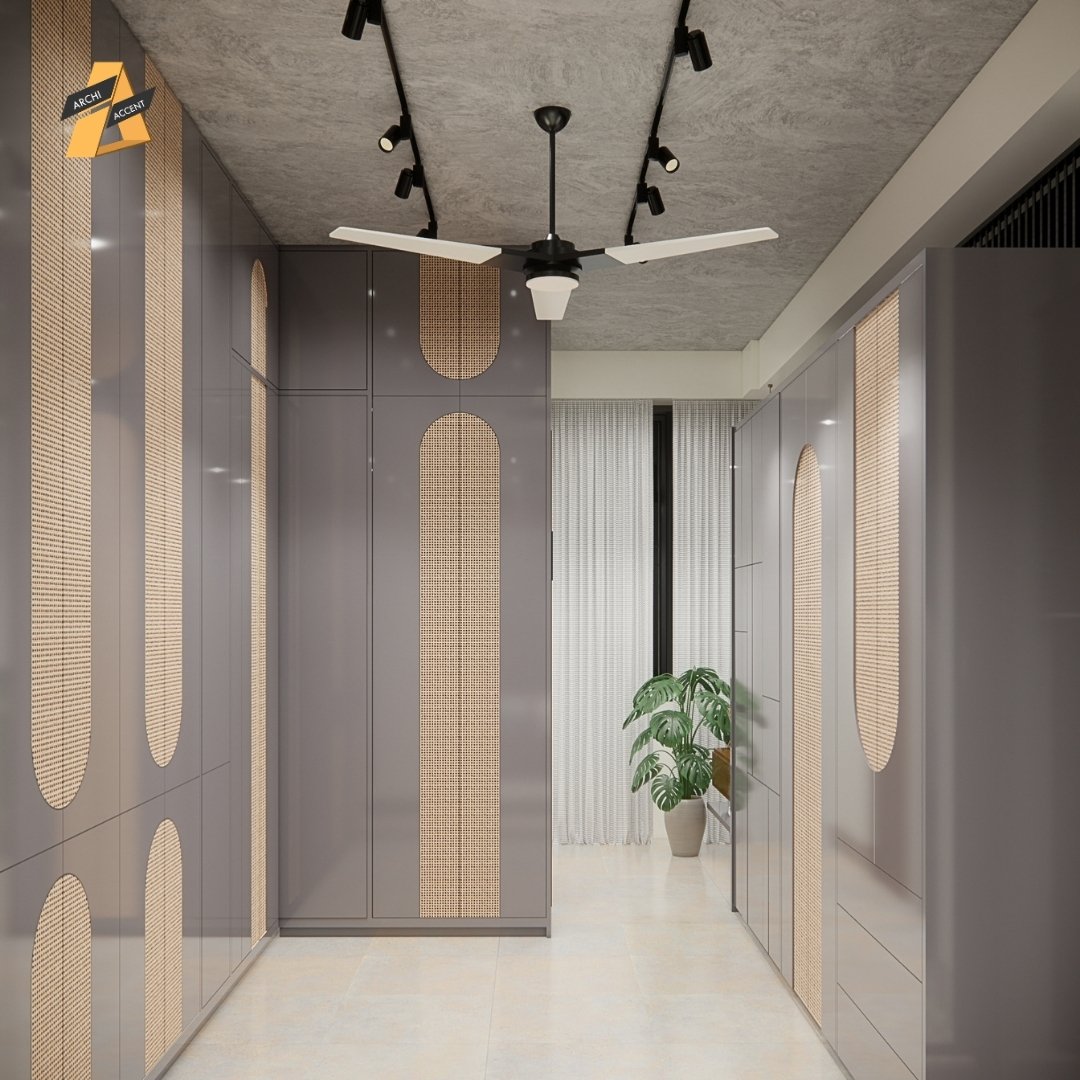
Choosing cheaper materials can seem like an easy way to reduce your interior design budget. However, the lowest upfront price doesn’t always mean the lowest overall cost. Cheap interior materials may require more maintenance, repairs, or replacement over time. Therefore, homeowners should consider durability and long-term value before making a decision. At Archi Accent, our personalized design approach considers your budget, lifestyle, usage, and long-term needs when recommending materials. The Cheapest Option Isn’t Always the Best Option When comparing materials, it’s natural to look at the price first. However, price is only one part of the decision. A material should also be evaluated based on: As a result, spending slightly more initially can sometimes provide better value over the years. Frequent Repairs Can Increase Your Costs Lower-quality materials may show signs of wear sooner, especially in areas that receive frequent use. For example, kitchen cabinets, wardrobes, flooring, and bathroom surfaces experience regular contact and movement. If these materials require frequent repairs, the additional labor and replacement costs can gradually add up. Replacement Can Cost More Than Prevention A material that needs replacement after a short period can become more expensive than a durable alternative that lasts much longer. For example, replacing an entire cabinet door or countertop doesn’t only involve buying a new material. You may also need to pay for labor, transportation, removal, and installation. Therefore, it’s important to consider the total cost over time, rather than just the initial purchase price. Cheap Materials May Affect the Overall Look Interior design depends on how different materials work together. A low-quality finish may look noticeably different from the original design concept. Consequently, even an otherwise well-planned interior can lose some of its visual consistency. Quality materials can help maintain the intended appearance for longer. Bangladesh’s Climate Makes Material Selection Important Bangladesh’s heat and humidity can affect certain interior materials. For areas such as kitchens, bathrooms, and other moisture-prone spaces, homeowners should pay particular attention to material suitability. For this reason, choosing materials based on the environment and usage can be more important than simply choosing the cheapest available option. Not Every Expensive Material Is Necessary Choosing quality doesn’t mean choosing the most expensive material for everything. Instead, prioritize materials based on where they will have the greatest impact. For example, you may want to prioritize durability for: Meanwhile, you can choose more budget-friendly options for elements that are easier to replace. Think About Maintenance A material may look affordable initially but require considerable maintenance. Therefore, ask yourself: These questions can help you make a more informed decision. Your Budget Should Guide the Choices A good interior project isn’t about spending the most money. It’s about spending your budget wisely. At Archi Accent, our personalized design process considers your priorities and budget before selecting materials. For example, if durability is your priority, we can focus more of the budget on high-use areas while choosing practical alternatives elsewhere. Personalized Design Helps You Spend Smarter Every homeowner has different needs. A family with children may prioritize durable surfaces, while someone living alone may have different requirements. Similarly, a frequently used kitchen needs different material considerations from a guest room. That’s why personalized design matters. At Archi Accent, we consider your lifestyle and how you use each space before recommending materials. The goal isn’t simply to choose expensive products; it’s to find the right balance between quality, cost, appearance, and long-term value. Questions to Ask Before Choosing a Material Before selecting an inexpensive option, ask: Ultimately, these questions can help you avoid decisions based only on the initial price. Cheap interior materials can sometimes help reduce your initial budget. However, if they require frequent repairs, maintenance, or replacement, they may cost more in the long run. The smarter approach is to consider value rather than price alone. At Archi Accent, we use personalized design to understand each client’s lifestyle, priorities, and budget. By selecting materials according to how and where they will be used, we help create interiors that balance aesthetics, practicality, durability, and long-term value.