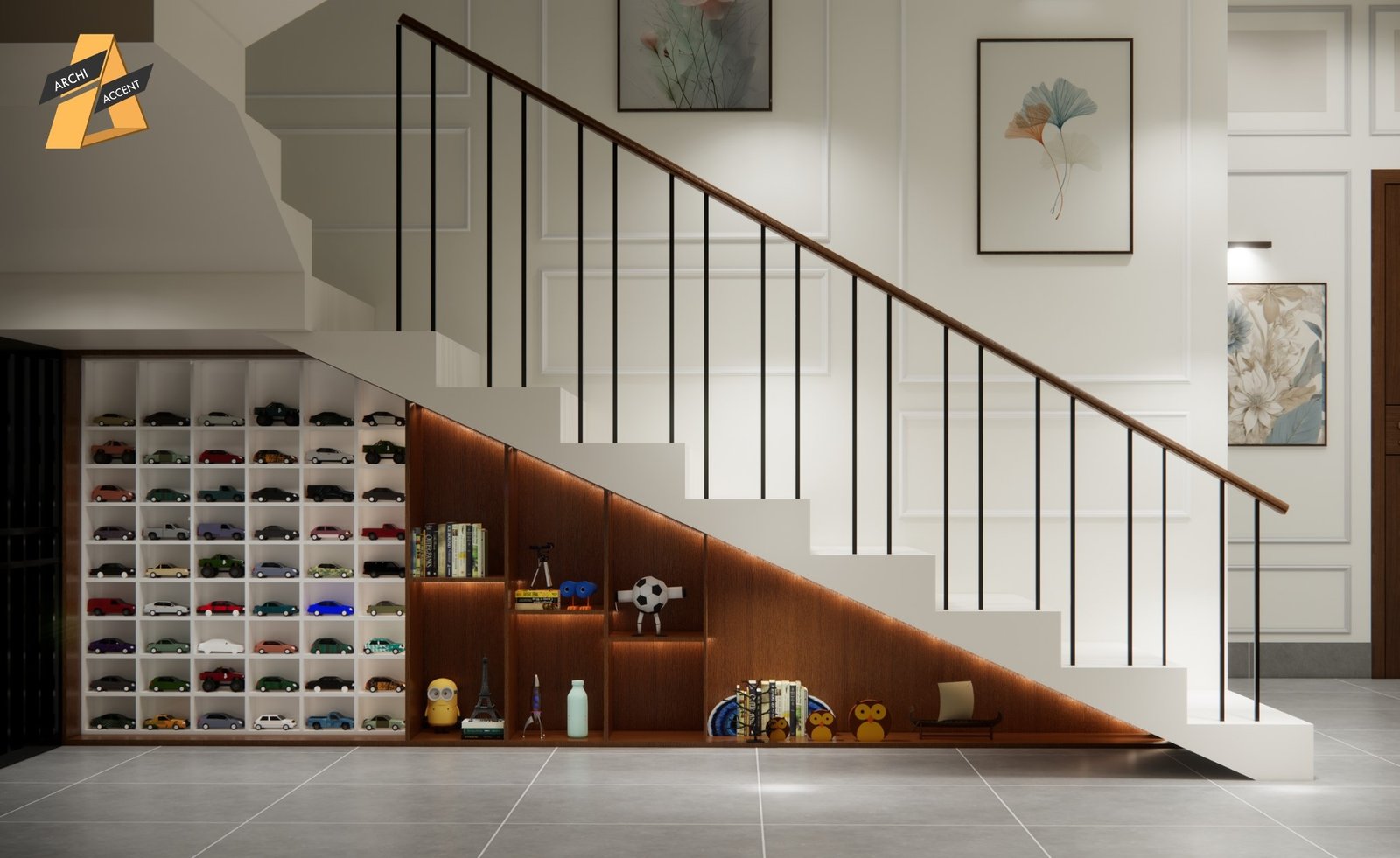
When planning a home interior, many homeowners focus on aesthetics and overlook one important question: should the design be customized for their lifestyle or simply follow a pre-existing template? Understanding Personalized Design vs Template Design can help homeowners make better decisions and create spaces that truly support their daily lives. While both approaches can result in visually attractive interiors, they differ significantly in functionality, flexibility, comfort, and long-term satisfaction. A beautiful home should not only look good—it should also work well for the people living in it. At Archi Accent, we strongly believe in personalized design because every family, lifestyle, and home is unique. What Is Template Design? Template design follows a standard layout or design formula that is used repeatedly across different projects. Typically, template designs: This approach can be faster and sometimes less expensive initially. However, because it is not tailored to the homeowner’s specific needs, it may not always provide the best long-term solution. What Is Personalized Design? Personalized design is a customized approach where every design decision is based on the homeowner’s lifestyle, habits, preferences, and future needs. It considers: Rather than forcing homeowners to adapt to the design, the design adapts to the homeowner. This often results in a more comfortable and functional living environment. Functionality: The Biggest Difference One of the most important aspects of Personalized Design vs Template Design is functionality. A template design may look attractive but often assumes that everyone uses their home in the same way. In reality: A personalized design addresses these unique needs directly. The result is a home that supports everyday activities more effectively. Storage Solutions Tailored to Your Needs Storage requirements vary greatly from one household to another. Template designs often include standard storage solutions that may not match actual usage patterns. Personalized design allows for: At Archi Accent, storage planning is developed through a personalized design process to ensure every space functions efficiently. Emotional Connection to the Space Homes designed around personal preferences often create a stronger emotional connection. A template design may feel attractive, but it can sometimes feel generic. Personalized interiors reflect: This creates a sense of ownership and comfort that is difficult to achieve through standardized solutions. A home should feel like your home—not a copy of someone else’s. Flexibility for Future Changes Life changes over time. Families grow, work situations evolve, and priorities shift. Personalized design often includes: Template designs may not adapt as easily to changing needs. Long-term flexibility is one of the key advantages of a customized approach. The Role of Personality in Design Every person experiences comfort differently. Some homeowners prefer: This is why personalized design goes beyond appearance and focuses on how people interact with their environment. At Archi Accent, clients can even explore personality-based design insights through tools available on our website, helping create interiors that genuinely match their lifestyle and preferences. Long-Term Value and Satisfaction Template designs may provide quick results, but personalized interiors often deliver greater long-term satisfaction. Benefits include: A home that works well every day often provides better value than one designed purely for appearance. When Template Design May Be Suitable Template design can still be useful in certain situations. For example: However, for homeowners planning to live in a space for many years, a personalized approach usually offers significantly greater benefits. Why Archi Accent Focuses on Personalized Design At Archi Accent, we believe that every client deserves more than a standard design template. Our design process focuses on: This commitment to personalized design helps us create interiors that feel unique, practical, and meaningful for each homeowner. Understanding Personalized Design vs Template Design helps homeowners make smarter choices when planning their interiors. While template designs may offer convenience and speed, personalized interiors provide greater comfort, functionality, flexibility, and emotional connection. With a strong focus on personalized design, firms like Archi Accent create homes that are tailored to real lifestyles rather than generic trends—resulting in spaces that feel better, function better, and remain enjoyable for years to come.
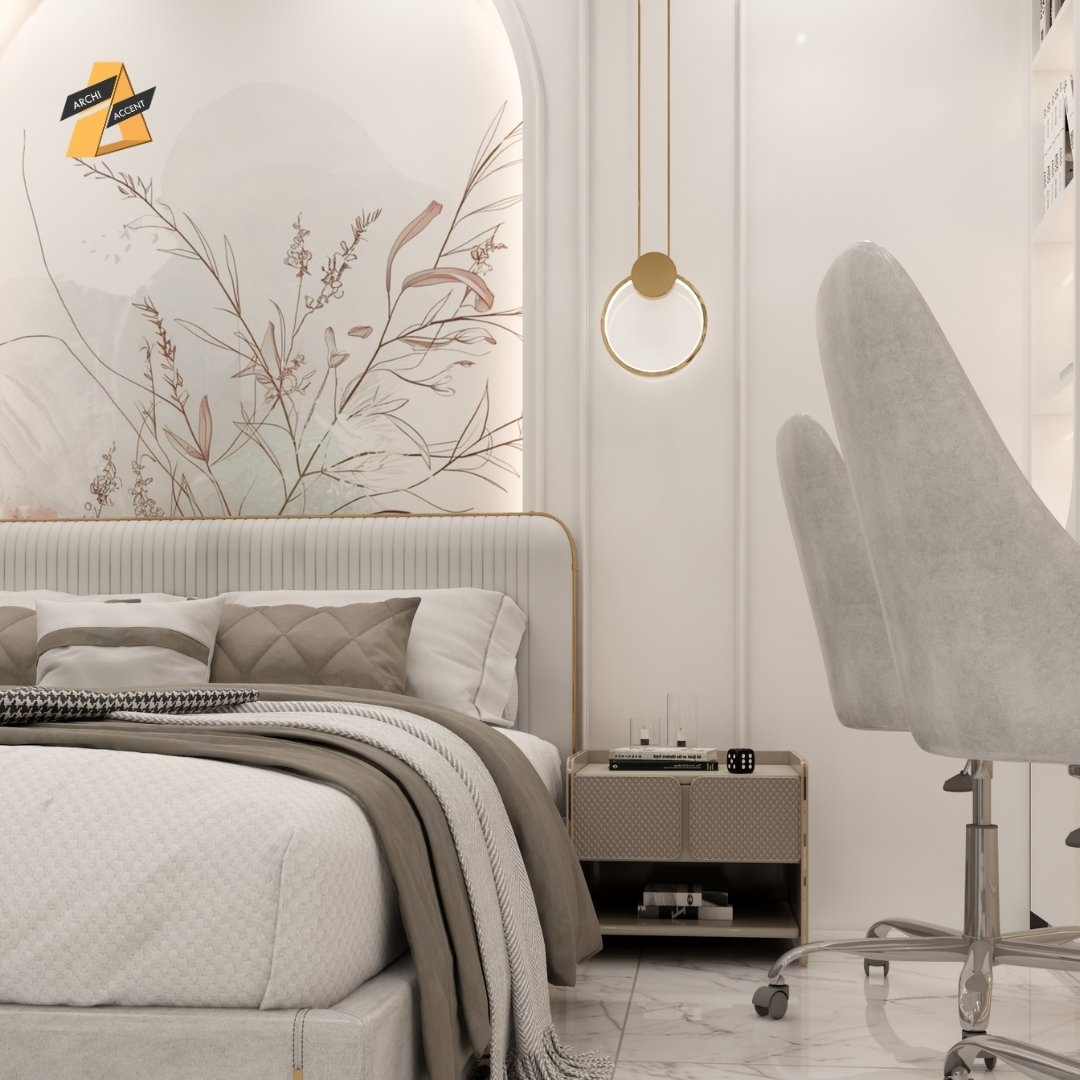
Choosing the Best Bedroom Color Psychology for Better Sleep can have a greater impact on your wellbeing than many people realize. While factors such as lighting, temperature, and mattress quality affect sleep, color also plays an important role in shaping how calm, relaxed, and comfortable a bedroom feels. Colors influence emotions, energy levels, and mood. Some shades help create a peaceful environment that encourages rest, while others can feel stimulating and make it harder to unwind at the end of the day. At Archi Accent, color selection is an important part of our personalized design approach because the ideal bedroom should support both comfort and quality sleep. Why Color Psychology Matters in Bedrooms Color psychology studies how different colors affect human emotions and behavior. In a bedroom, the right colors can help: Since bedrooms are designed for rest and recovery, color choices should support calmness rather than stimulation. Understanding the Best Bedroom Color Psychology for Better Sleep helps homeowners make more informed design decisions. Soft Blue: The Classic Sleep-Friendly Color Blue is often considered one of the best bedroom colors for relaxation. Soft blue tones can create feelings of: Because blue is associated with the sky and water, it often helps people feel more relaxed and comfortable. Light blue shades work especially well in modern bedrooms where a peaceful atmosphere is the goal. Sage Green for a Natural and Relaxing Environment Green is strongly connected to nature, making it a popular choice for bedrooms. Benefits of sage green include: Sage green has become increasingly popular in modern interiors because it feels fresh without being overpowering. At Archi Accent, sage green is often recommended as part of a personalized design palette for homeowners who want a calming and sophisticated bedroom. Warm Beige and Soft Neutrals Neutral colors remain one of the safest and most versatile options for bedrooms. Popular choices include: These shades create: Neutral palettes also pair well with a variety of furniture and decorative styles. Muted Earth Tones for Comfort Earth-inspired colors can create a cozy and grounded atmosphere. Examples include: These colors add warmth while maintaining a relaxing environment. They are particularly effective when combined with natural materials such as wood and linen. Colors to Use Carefully While personal preference always matters, some colors can feel overly stimulating in bedrooms when used excessively. Bright Red Red is associated with: Large amounts of bright red may feel too intense for a sleep-focused environment. Vibrant Orange Orange can create warmth and enthusiasm, but highly saturated shades may feel too energetic for relaxation. Strong Yellow Yellow can make a room feel cheerful, but very bright tones sometimes create visual stimulation that may not support restful sleep. This is why color balance is important in bedroom design. The Role of Lighting in Color Psychology Color does not exist independently of lighting. Natural light, artificial lighting, and room orientation all affect how colors appear. For example: This is why testing paint samples under actual room lighting conditions is always recommended. Good lighting enhances the benefits of sleep-friendly colors. Personalized Design Creates Better Bedrooms Not everyone responds to colors in the same way. Some people feel relaxed in cool tones, while others prefer warm and cozy environments. Factors that influence color selection include: This is where personalized design becomes valuable. At Archi Accent, bedroom color palettes are selected based on individual preferences and comfort rather than simply following trends. A personalized approach often creates a more restful and emotionally comfortable space. Combining Colors for Better Results The best bedrooms rarely rely on a single color. Instead, successful designs combine: For example: Layering colors thoughtfully creates depth while maintaining relaxation. Understanding the Best Bedroom Color Psychology for Better Sleep can help homeowners create spaces that support relaxation, emotional comfort, and better rest. Soft blues, sage greens, warm neutrals, and earthy tones are among the most effective choices for creating a peaceful bedroom environment. With thoughtful planning and a strong focus on personalized design, firms like Archi Accent help homeowners choose color palettes that not only look beautiful but also contribute to healthier and more comfortable living.