
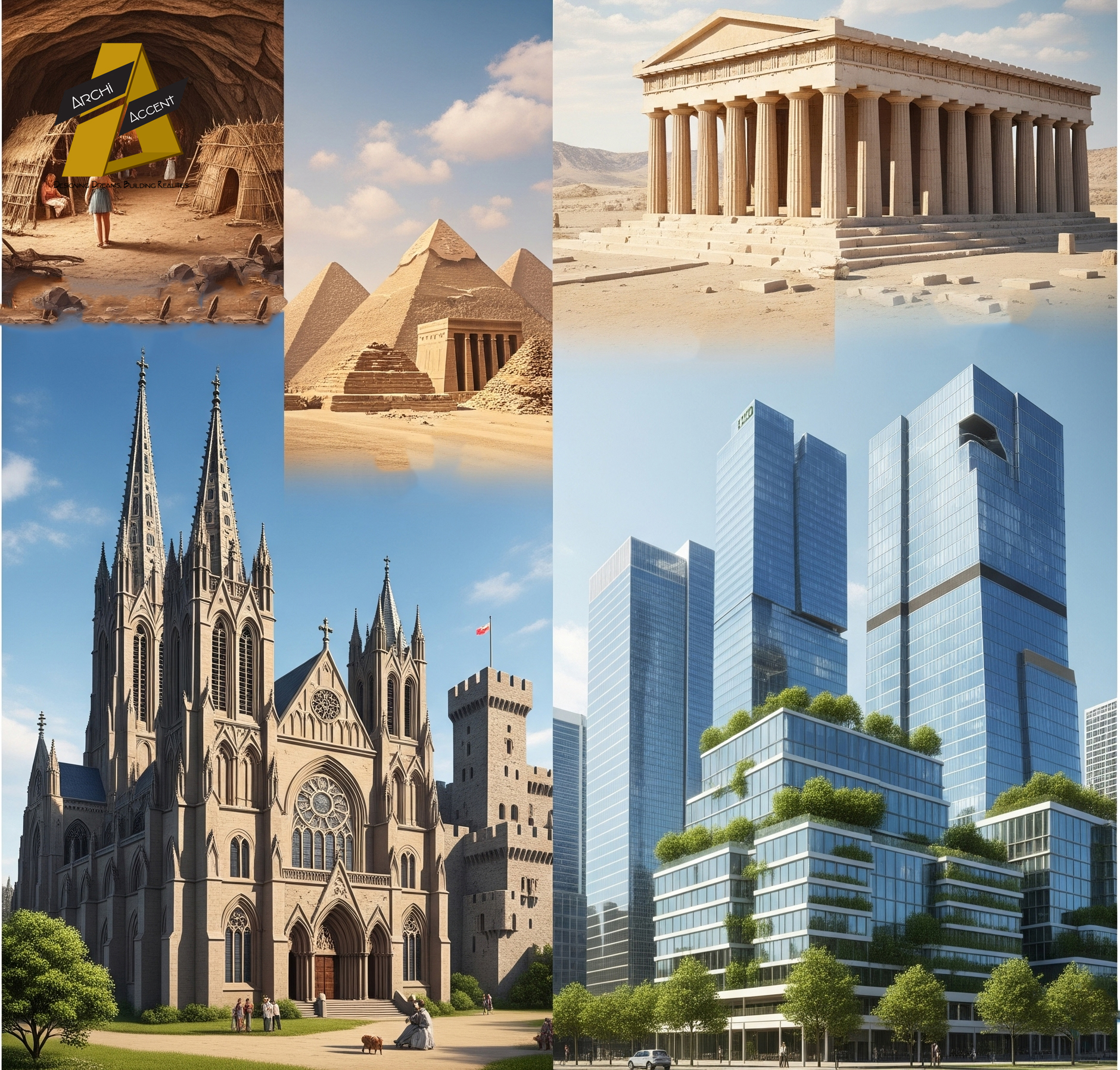
Have you ever looked at a building and wondered who came up with the idea of walls, roofs, and windows? Architecture — the art and science of designing buildings — has a long and fascinating history. Let’s take a short, simple journey through time to understand how architecture has changed over the years. 🏞️ 1. Early Shelter: Caves and Huts Thousands of years ago, humans lived in caves. These natural shelters kept them safe from rain, sun, and wild animals. Later, they started building huts using wood, leaves, mud, and animal skins. These were simple and practical — just enough to survive. 🏺 2. Ancient Civilizations As people began forming villages and cities, they needed bigger and stronger buildings. 🕌 3. The Middle Ages During this time, architecture became more religious and protective. 🏰 4. The Renaissance The Renaissance period was like a “rebirth” of learning and art. Architects got inspired by Greek and Roman designs again. 🏙️ 5. Modern Times In the 1800s and 1900s, new materials like steel, glass, and concrete changed everything. 🏡 6. Today’s Architecture Today, architects focus on sustainability and smart technology. Architecture is more than just building things. It’s about how we live, what we value, and how we express our ideas. From ancient pyramids to modern glass towers, each building tells a story — and the story of architecture is still being written today.
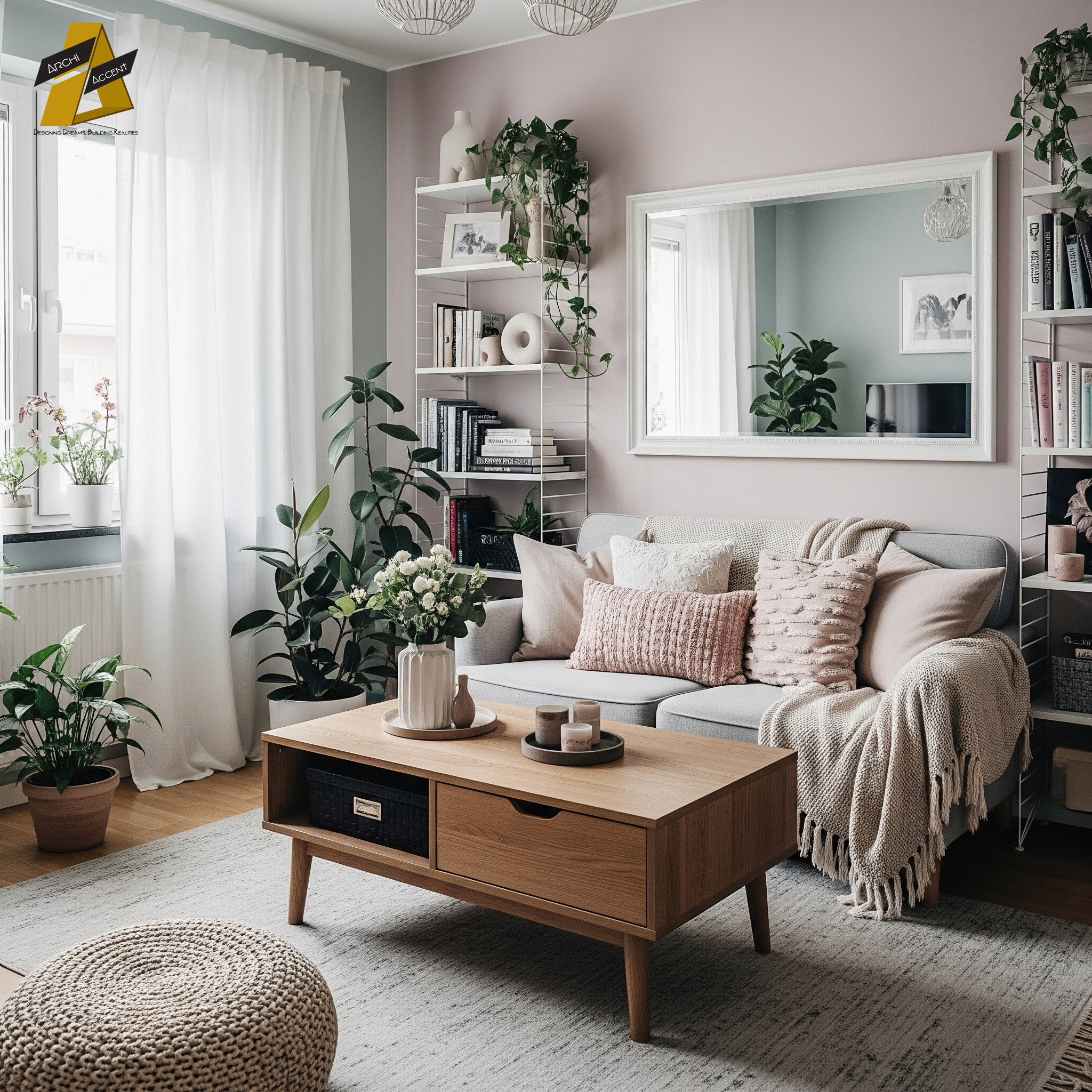
In today’s world, we often find ourselves living in compact apartments or shared spaces. But that doesn’t mean we have to compromise on comfort or style. With the right interior design ideas, even the tiniest room can feel like a luxurious escape. Whether you’re a student in a small studio or a young couple starting your journey in a cozy apartment, here are some smart tips to make your space feel bigger, brighter, and more you. 1. Light Colors, Big Impact Choosing the right colors is the first step in making your space feel open and fresh.Light shades like white, beige, soft gray, or pastel tones help reflect natural light and create an airy atmosphere. You can add pops of color through cushions, rugs, or artwork — but keep your base light for that spacious feel. 2. Multi-Purpose Furniture is a Game-Changer In small spaces, furniture needs to work harder.Go for foldable tables, sofa beds, or ottomans with hidden storage. A wall-mounted desk can double as a study and a dining spot. Investing in multi-functional pieces not only saves space but also makes your home more flexible. 3. Mirrors: The Old Trick That Still Works Mirrors are one of the easiest and most affordable ways to make a small room appear larger.Place a large mirror opposite a window or a light source — it will bounce light around the room and give a sense of openness. Bonus? It also adds a classy touch to your décor. 4. Let the Light In Natural light is your best friend. Avoid heavy curtains that block sunlight.Instead, go for sheer or light-colored blinds that allow light to filter through. The more daylight your room gets, the bigger and more welcoming it will feel. 5. Vertical Space Matters When you can’t expand sideways, go up.Use tall bookshelves, wall-mounted shelves, or hanging planters to make the most of your vertical space. This not only frees up the floor but also draws the eyes upward, making the room look taller. 6. A Touch of Green Indoor plants bring life, calm, and color into a space.Even a small corner with a snake plant or a peace lily can change the vibe of your home. Choose low-maintenance plants if you’re a beginner. 7. Keep It Clutter-Free Less is more. A cluttered space always feels smaller.Use smart storage solutions like under-bed drawers, wall hooks, and baskets to keep things tidy. The cleaner the space, the bigger it feels. Interior design is not just about beauty — it’s about creating a space that fits your lifestyle and brings you peace. Small spaces can still be full of personality, style, and comfort. All you need is a bit of creativity, smart planning, and your own unique touch. So next time someone says “small home”, just smile and say — “Yes, but big in style.”
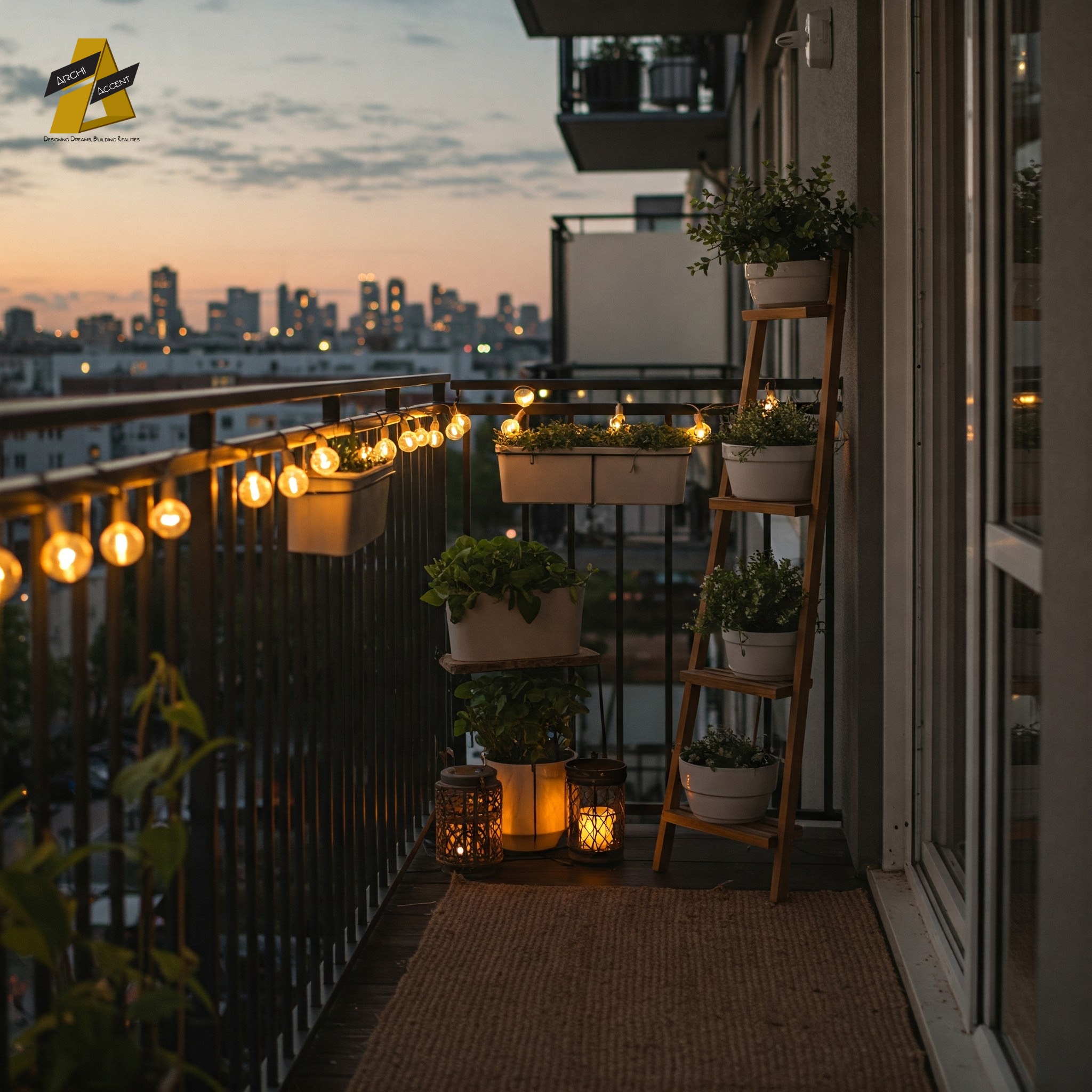
In a crowded city like Dhaka, a balcony is more than just a corner—it’s a little escape from the chaos. No matter how small it is, with a little creativity, your balcony can become your favorite spot in the house. Whether you want a peaceful reading nook, a mini garden, or a cozy tea corner, it’s all possible with the right design choices. Let’s explore some simple yet stylish balcony design ideas that work perfectly for small spaces. 🌿 1. Green Corner: Bring Nature Home Add some life to your balcony with plants! Even in a tiny space, you can create a mini garden using vertical planters, hanging pots, or railing planters. Suggestions: 🪑 2. Foldable Furniture: Smart & Functional Avoid bulky furniture in small balconies. Instead, go for foldable tables and chairs that you can tuck away when not in use. This helps you save space and keep things tidy. Tip: A foldable tea table with a small stool can easily turn your balcony into a morning tea spot! 🕯️ 3. Set the Mood with Lights Good lighting can turn a plain balcony into a magical space. Add fairy lights, battery-operated lanterns, or even solar lights to create a warm, cozy atmosphere for evening relaxation. Pro Tip: Choose warm-toned lights to make the space feel more inviting. 🧺 4. Utilize the Floor Space Make use of the floor area with a low-height bench that includes storage, or keep a stylish basket for storing cushions, magazines, or even small tools. Flooring idea: You can lay a jute rug or artificial grass to make the space feel more cozy. 🖼️ 5. Add Your Personal Touch Personalize your balcony with a piece of wall art, a framed quote, or a photo you love. These small details help turn the space into something truly yours. Even a simple handmade craft or dreamcatcher can change the vibe. You don’t need a big budget or a large space to design a beautiful balcony. With a little effort, your small balcony can become a peaceful retreat, a mini café, or a pocket garden—right outside your room.
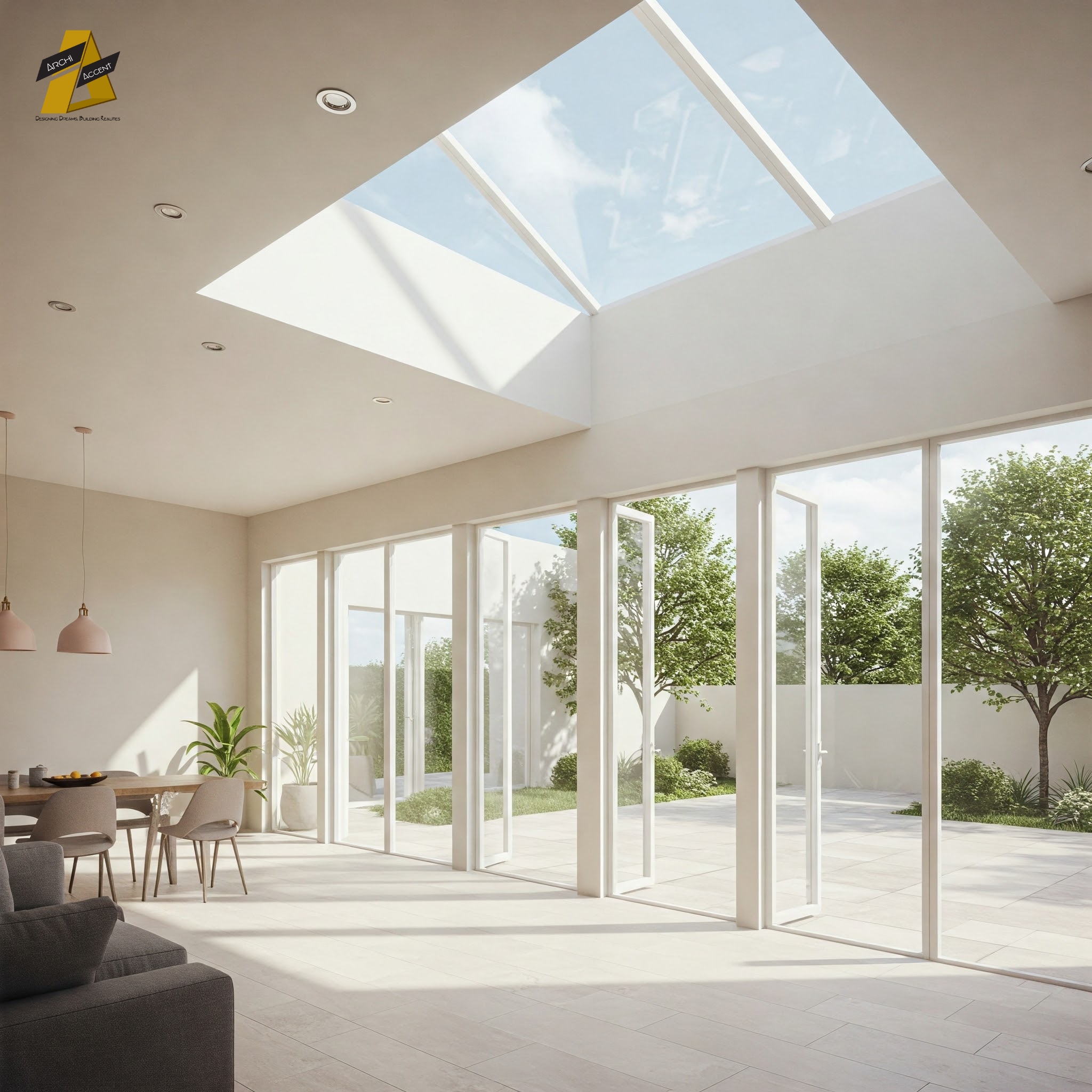
Natural light is a game-changer in both interior and exterior design. It can make spaces feel bigger, brighter, and more welcoming, while also saving energy. Interior Design: Bright and Airy To make interiors feel open and inviting: Exterior Design: Smart Placement For the outside of a building: Indoor-Outdoor Connection Big windows and open spaces create a smooth flow between inside and outside, bringing in more light and making the space feel connected to nature. Mental Benefits Natural light also boosts mood, focus, and overall well-being, making it especially important for home offices or study areas. Incorporating natural light into both interior and exterior design can make spaces look better, feel better, and be more energy-efficient. 4o mini
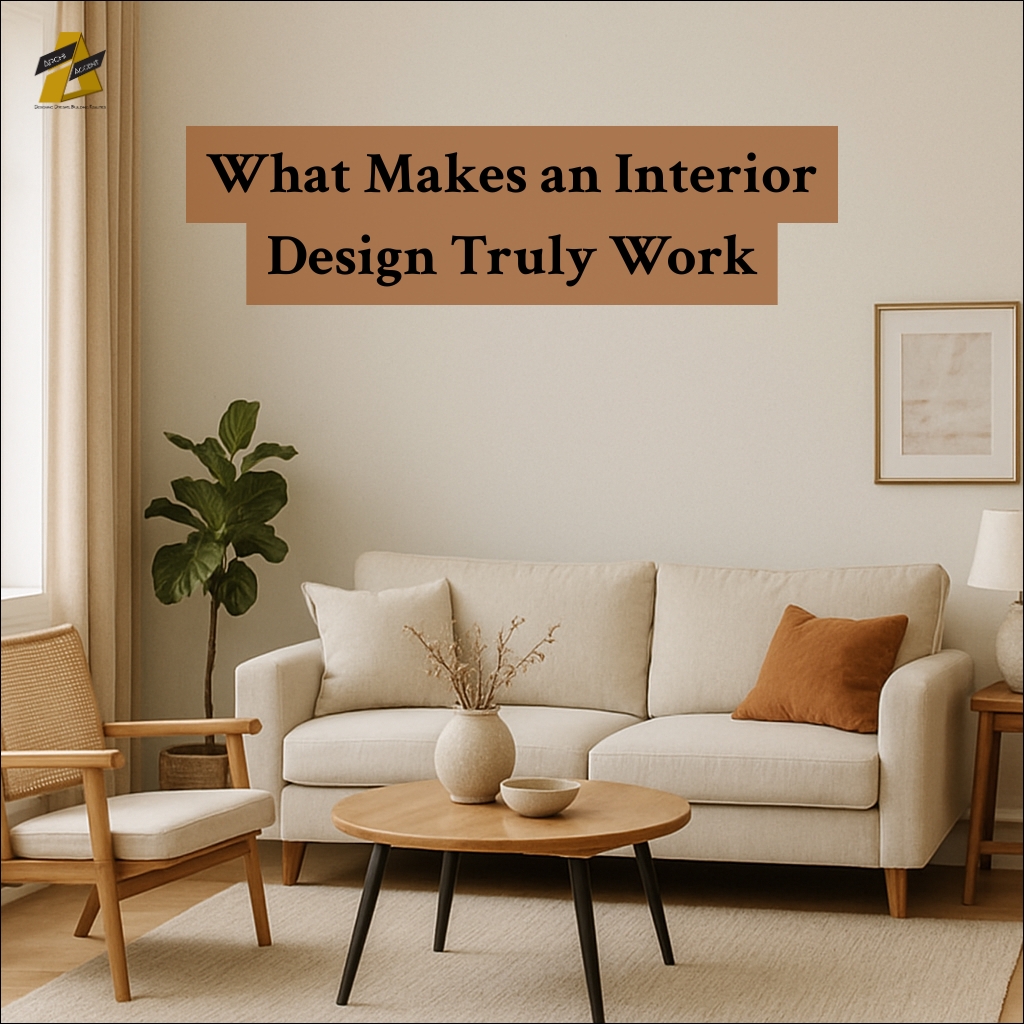
When we step into a beautifully designed space, it often feels effortless — as if everything just naturally belongs. But behind that seamless experience lies a thoughtful blend of creativity, planning, and functionality. So, what truly makes an interior design work? It’s not just about good looks. It’s about how a space makes you feel, live, and connect. 1. Purposeful Functionality A design isn’t successful if it doesn’t serve the people using the space. A cozy living room should invite conversation. A productive office should inspire focus. Every piece — from furniture to lighting — should serve a clear purpose. When beauty meets usability, that’s when design starts to work. 2. Emotional Connection Good interior design tells a story. It reflects the personality, dreams, and memories of those who live or work there. The right colors, textures, and layouts create an emotional response — comfort, excitement, calm, or energy — depending on what the space is meant to offer. 3. Balance and Harmony A room needs balance — between light and dark, hard and soft, large and small. It’s not about strict symmetry; it’s about making sure that no element feels out of place. Harmony ties the space together, making it feel complete. 4. Thoughtful Details Small details often have the biggest impact. The curve of a chair, the texture of a wall, the warmth of a lamp — these little touches add layers to a space. They make it feel lived-in, loved, and intentional. 5. Adaptability Life changes — and a truly great design can adapt. Flexible layouts, movable furniture, multipurpose areas — these ideas future-proof a space, making sure it continues to serve its users over time. 6. Natural Flow Movement within a space should feel effortless. A good design considers pathways and makes sure people can navigate the area without obstacles or confusion. It’s almost like a silent guide, leading you comfortably from one spot to another. 7. Authenticity Trendy designs come and go. What lasts is authenticity. A space that feels true to the people who use it — not just copied from a magazine or Pinterest board — will always feel right. In the end, a truly working interior design is not just seen — it’s felt. It’s the invisible hand that shapes comfort, joy, and connection in a space. When design touches both our lives and our hearts, that’s when it becomes truly unforgettable.
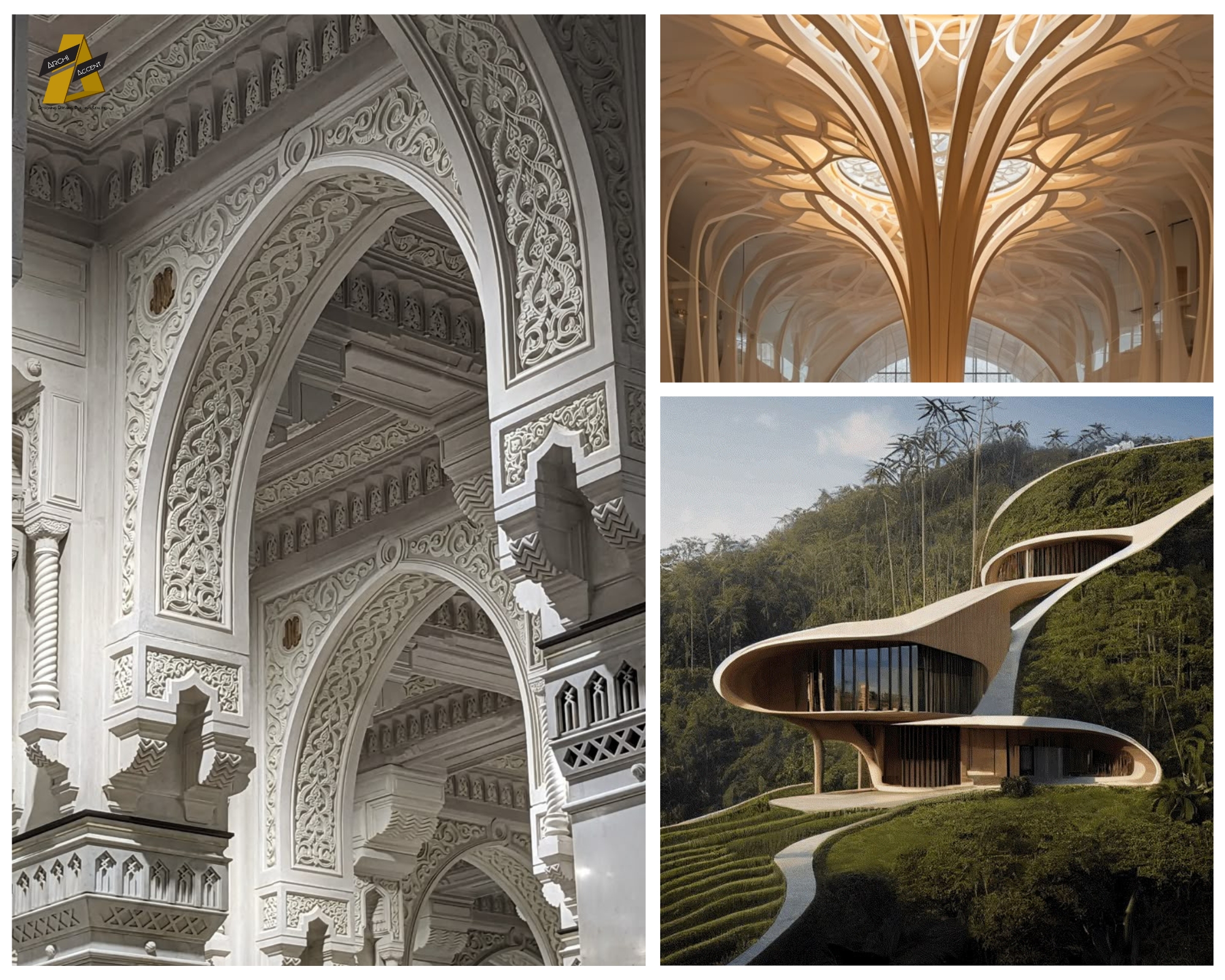
Architecture means the design and building of places where we live, work, pray, and gather. It tells us how people lived in the past and what they believed in. Let’s take a quick journey through the history of architecture, from ancient times to today. In the BeginningLong ago, people needed a place to live and stay safe. So they built small houses using mud, wood, and stone. Indus Valley (now in Pakistan and India): They had smart city planning, with straight roads and drainage systems. Egypt: The ancient Egyptians built huge pyramids. These were used as tombs for kings and showed their power. Mesopotamia: People here built temples called ziggurats that looked like big steps going to the sky. 🏛️ Greek and Roman Times The Greeks and Romans made beautiful buildings with columns and domes. 🕌 Architecture and Religion As religion became more important, buildings also became more spiritual. 🏰 Renaissance and After The Renaissance was a time of learning and art. Builders used ideas from old Roman and Greek styles. 🏢 The Modern World When machines were invented, architecture changed a lot. 🇧🇩 Architecture in Bangladesh Our country also has a rich history in architecture. Architecture is not just about buildings. It tells the story of people — what they needed, what they believed, and how they saw the world. From old temples to modern homes, architecture shows our journey through time.
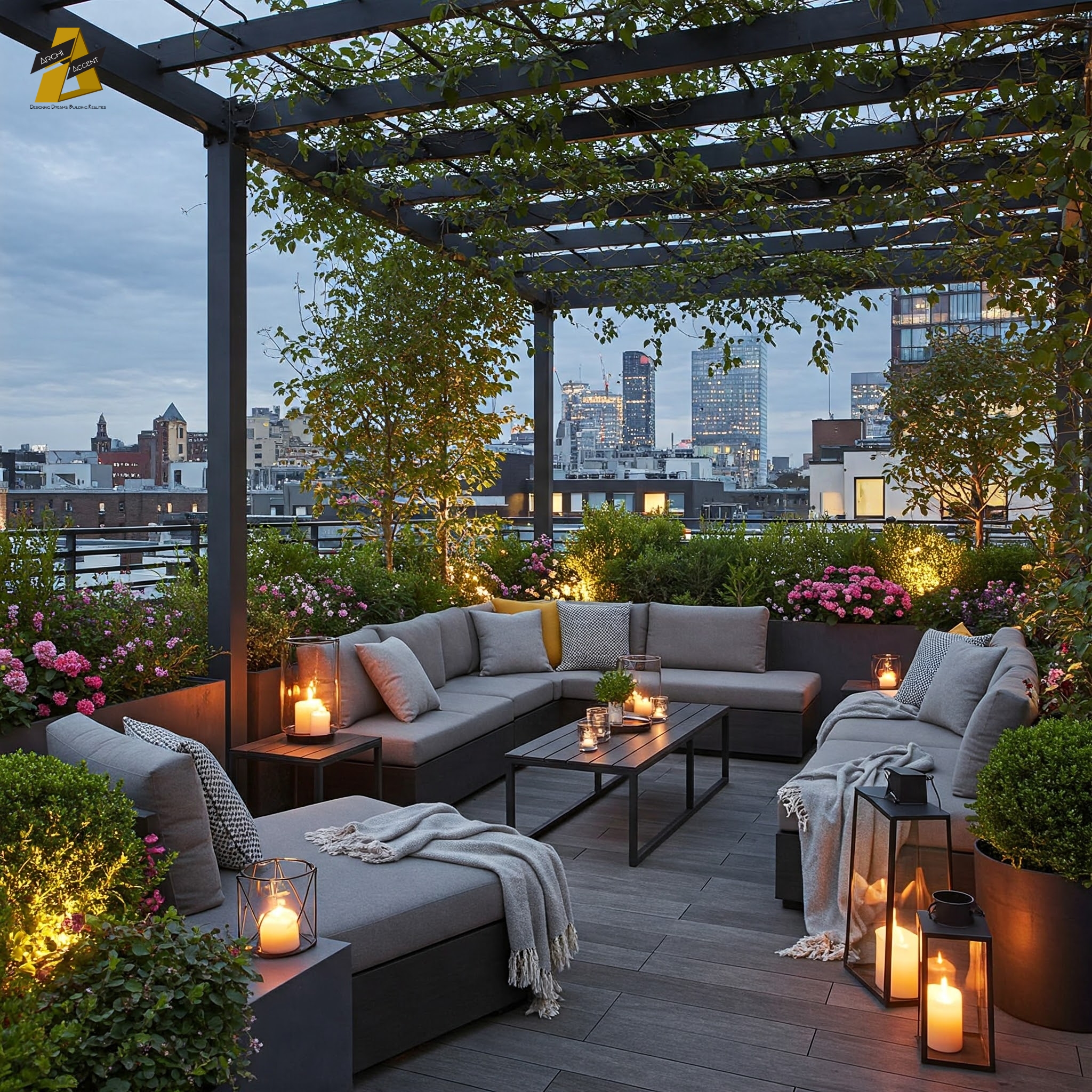
In modern urban settings, rooftops are no longer just empty spaces above buildings; they have become extensions of living and social areas. A well-designed rooftop can provide a peaceful retreat, a green oasis, or even a lively entertainment zone. Key Elements of Rooftop Design A well-planned rooftop is more than just an open space; it’s an opportunity to create a personalized sanctuary above the city. Whether for relaxation, social gatherings, or greenery, thoughtful design can turn any rooftop into a functional and aesthetic extension of your home. 4o
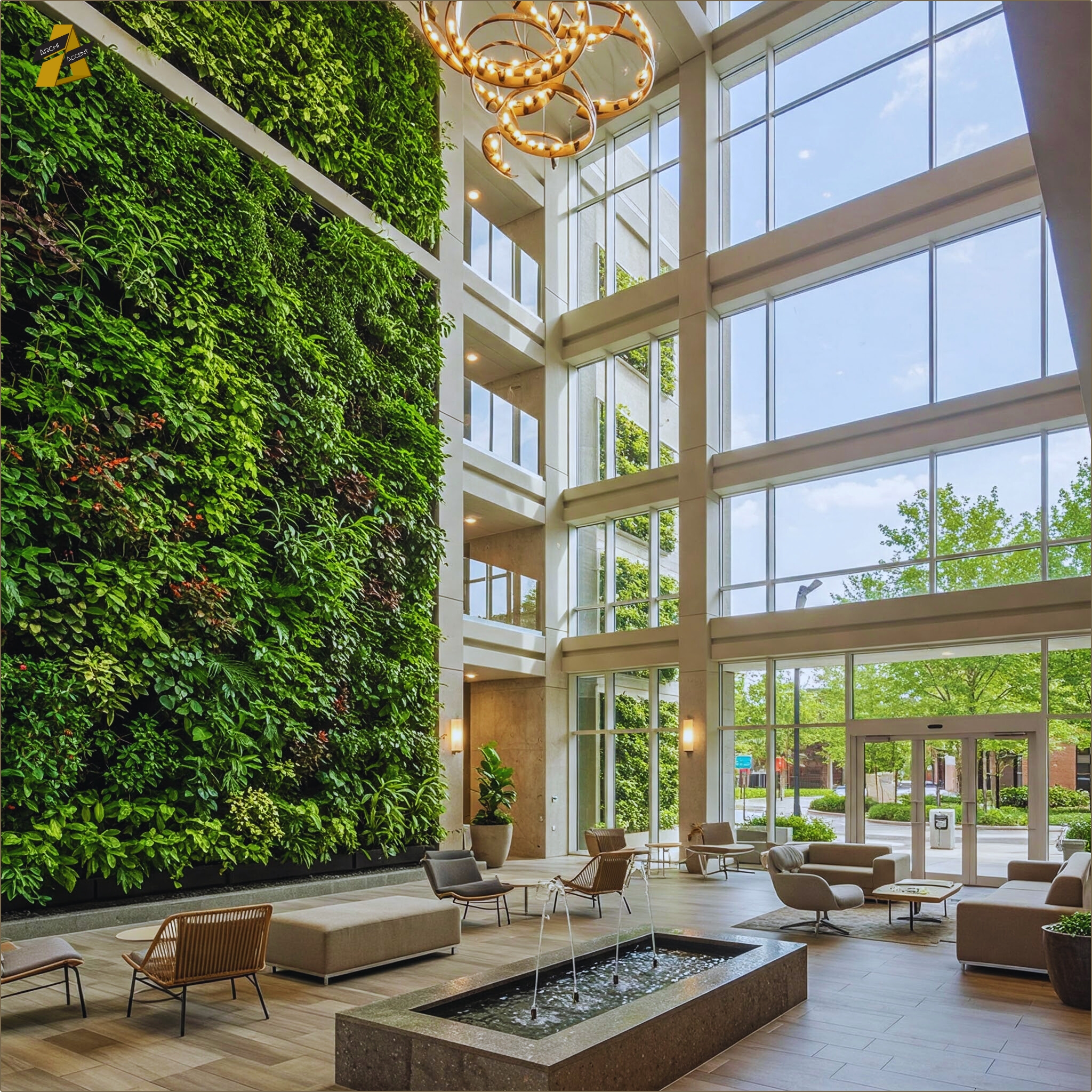
Biophilic design is an architectural approach that connects people with nature by integrating natural elements into buildings. This style enhances well-being, creativity, and sustainability. Examples include indoor gardens, green walls, and natural lighting in homes and offices. Why Does It Matter Today? As cities grow and green spaces shrink, biophilic design offers solutions: Modern Uses and Challenges Architects today incorporate biophilic design in urban settings with rooftop gardens, water features, and large windows. However, challenges like high costs and limited space can make implementation difficult. A Solution for the Future? Biophilic design can create healthier, more sustainable living spaces. By integrating nature into buildings, architects can improve both environmental and human well-being. As urbanization continues, designing with nature in mind may be the key to a greener future.
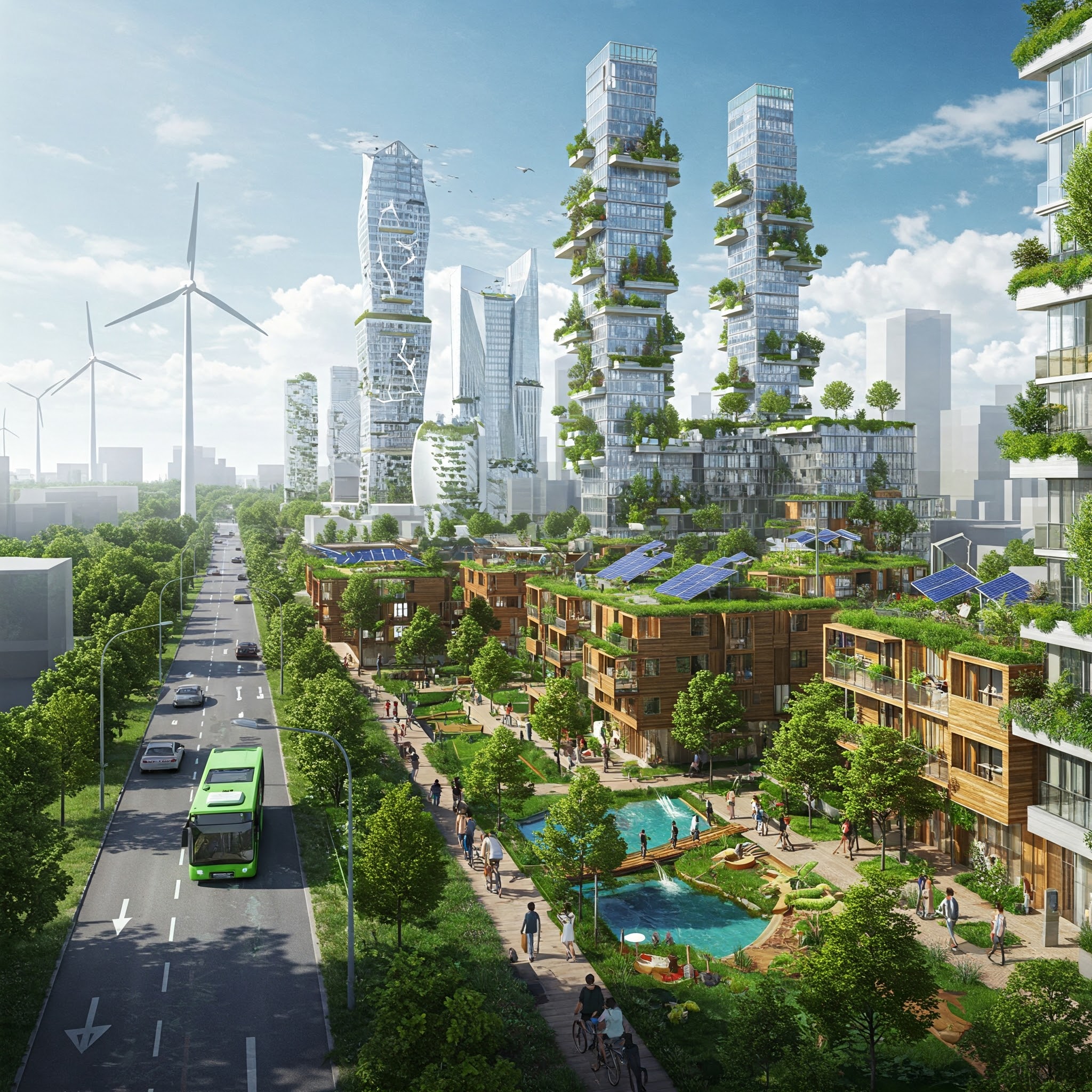
Sustainable architecture is becoming more popular as people look for ways to protect the environment. Architects now focus on creating buildings that are both beautiful and eco-friendly. What is Sustainable Architecture? It means designing buildings that use less energy, water, and materials. These buildings are made to last longer and have a smaller impact on the environment. Key Features of Green Buildings Energy Saving: Using natural light, fresh air, and smart designs to reduce the need for heating, cooling, and lights. Eco-Friendly Materials: Using recycled, local, or natural materials like bamboo and jute. Green Roofs and Walls: Adding plants to roofs and walls helps cool buildings and improve air quality. Water Saving: Collecting rainwater and reusing water inside the building. Examples Around the World The Edge in Amsterdam uses solar panels and rainwater collection to stay energy efficient. Bosco Verticale in Milan has trees growing on its balconies, improving air and reducing pollution. Green Architecture in Bangladesh In Bangladesh, architects use local materials and traditional designs mixed with modern ideas to create eco-friendly buildings. This helps communities face climate challenges. Why It Matters Green buildings are better for the planet and for people. They offer cleaner air, save money on energy, and create healthier spaces. The Future of Green Design New technology is making it easier to build eco-friendly homes. From 3D-printed houses using recycled materials to homes that produce their own energy, the future looks bright for sustainable architecture. Building greener today means a better world tomorrow.
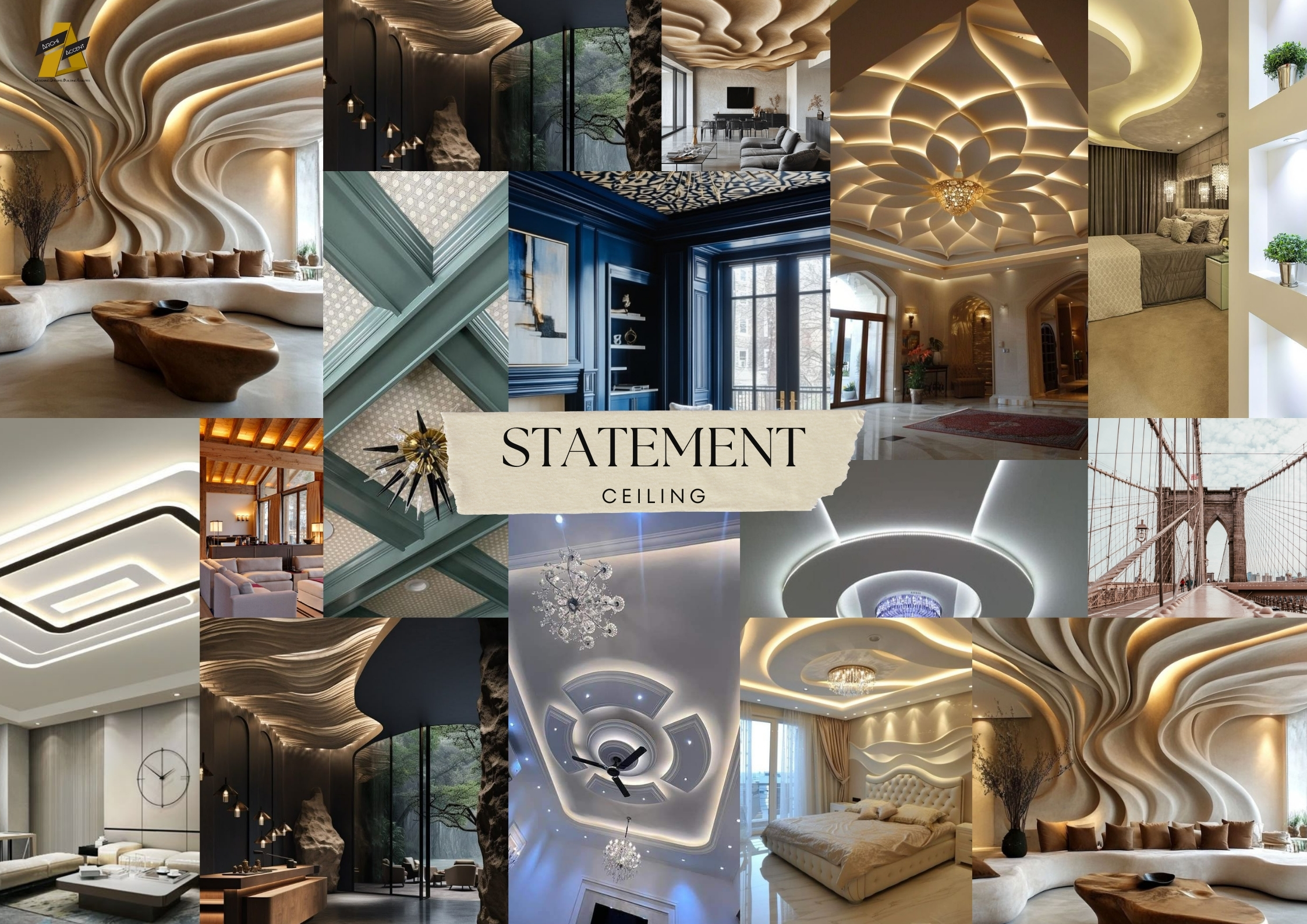
We often focus on walls, but a well-designed ceiling can completely transform your interior! ✨ 🏡 Why Are Statement Ceilings Trending?✔ Visual Impact: Instantly enhances the aesthetic appeal of a room.✔ Spatial Enhancement: Creates a sense of depth and openness.✔ Premium Look: Materials like wood, gypsum, or coffered designs add elegance.✔ Better Acoustics: Helps balance sound, especially in large spaces or villas. 🔥 Trending Statement Ceiling Ideas:🔸 Wooden beams with warm lighting🔹 Gypsum folded designs🔸 Textured or painted ceilings🔹 Indoor skylights or backlit designs So, which one would you choose—a simple accent wall or a dramatic statement ceiling? 😍👇 📌 Let’s bring your dream interior to life! Contact us today. 🏡💡