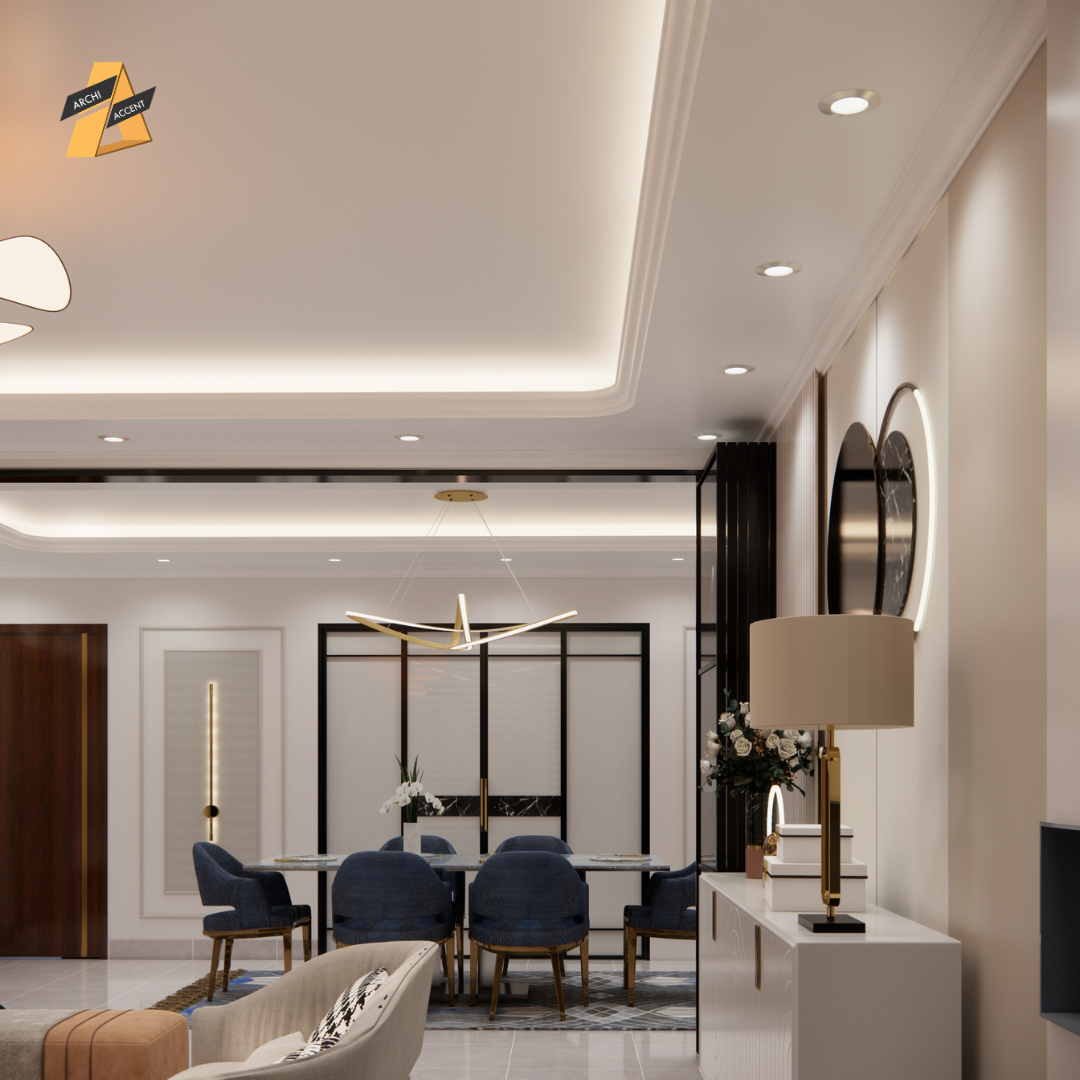
If you’re looking for interior design ideas in Bangladesh, you’ve come to the right place. Homes in Bangladesh face unique challenges such as limited space, high humidity, and irregular layouts, making thoughtful interior design more important than ever. At Archi Accent, we specialize in creating homes that are not only visually appealing but also practical for everyday living. Modern Interior Design for Bangladeshi Homes Modern interior design focuses on clean lines, functional furniture, and a balanced color palette. In Bangladesh, interior design ideas often include using light-colored walls, mirrors, and compact furniture to make spaces appear larger. Natural light is prioritized, while multi-functional furniture helps maximize smaller rooms. Example: A living room can double as a home office by using a foldable desk and modular seating. Archi Accent has implemented this in several Dhaka apartments, combining style with practicality. Using Local Materials for Style and Comfort Incorporating local materials is a smart way to balance aesthetics and climate needs. Bamboo, light wood, and natural fabrics are ideal for interior design in Bangladesh, keeping homes cool while maintaining a warm, inviting atmosphere. Tip: Use cotton or linen curtains instead of heavy drapes to let in light and improve airflow. Archi Accent always selects materials suited to Bangladesh’s hot climate. Color Combinations and Lighting Choosing the right colors and lighting is crucial. Neutral tones with pops of vibrant colors work well for walls, furniture, and accessories. Layered lighting, such as ceiling lights combined with floor lamps and wall sconces, enhances both comfort and ambiance. Multi-Functional Spaces for Bangladeshi Apartments Space efficiency is key. For small apartments, multi-functional furniture like storage beds, foldable tables, and wall-mounted shelves helps keep spaces organized. Archi Accent specializes in transforming compact Dhaka apartments into functional, stylish homes. Finding the right interior design ideas in Bangladesh doesn’t have to be difficult. With the right mix of colors, furniture, lighting, and local materials, every home can be both stylish and practical. Archi Accent is here to help homeowners across Bangladesh create interiors that reflect their lifestyle while optimizing space and comfort.
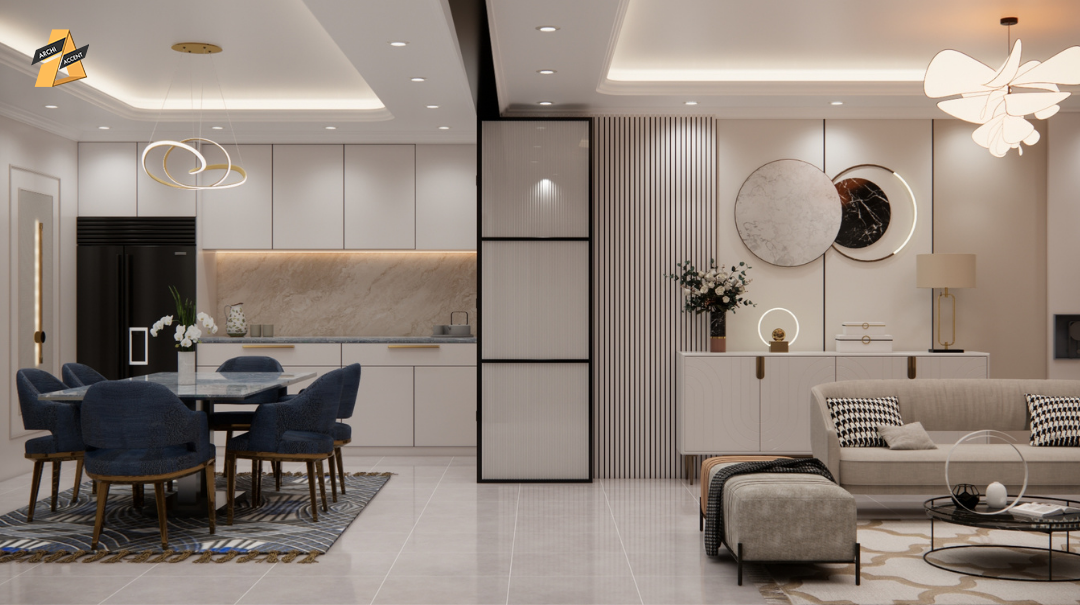
When planning a home or office project in Dhaka, understanding the interior cost Dhaka is essential. Knowing the budget early helps homeowners and business owners make informed decisions. Interior design is more than decorating, it includes layout planning, selecting materials, and supervising execution to ensure spaces are both functional and beautiful. Why Estimating Interior Expenses Matters Estimating your interior cost in Dhaka provides clarity and helps manage finances. It allows you to compare quotes, prioritize rooms, and choose materials wisely. By understanding costs, you can balance style, durability, and budget effectively. Factors Influencing Interior Prices 1. Design Style and Complexity Luxury or custom designs naturally increase your project expenses. Features like designer ceilings, accent walls, and high-end furniture can impact overall pricing. 2. Material Quality Premium finishes such as marble, quartz, imported tiles, and designer fixtures add to the project budget. 3. Furniture and Storage Custom wardrobes, modular kitchens, and built-in storage solutions influence your overall interior investment. 4. Professional Supervision A skilled interior firm coordinates layouts, vendors, and execution to ensure the project stays on track, saving costs in the long run. Tips to Keep Costs Manageable Why Hire a Professional Interior Firm Partnering with a reputable firm like Archi Accent ensures your interior project in Dhaka delivers maximum value. Professionals optimize layouts, recommend durable materials, supervise execution, and create functional, stylish spaces. Knowing your interior project costs in Dhaka helps you plan effectively, avoid overspending, and achieve your design vision. Smart budgeting ensures your space is practical, comfortable, and visually appealing.
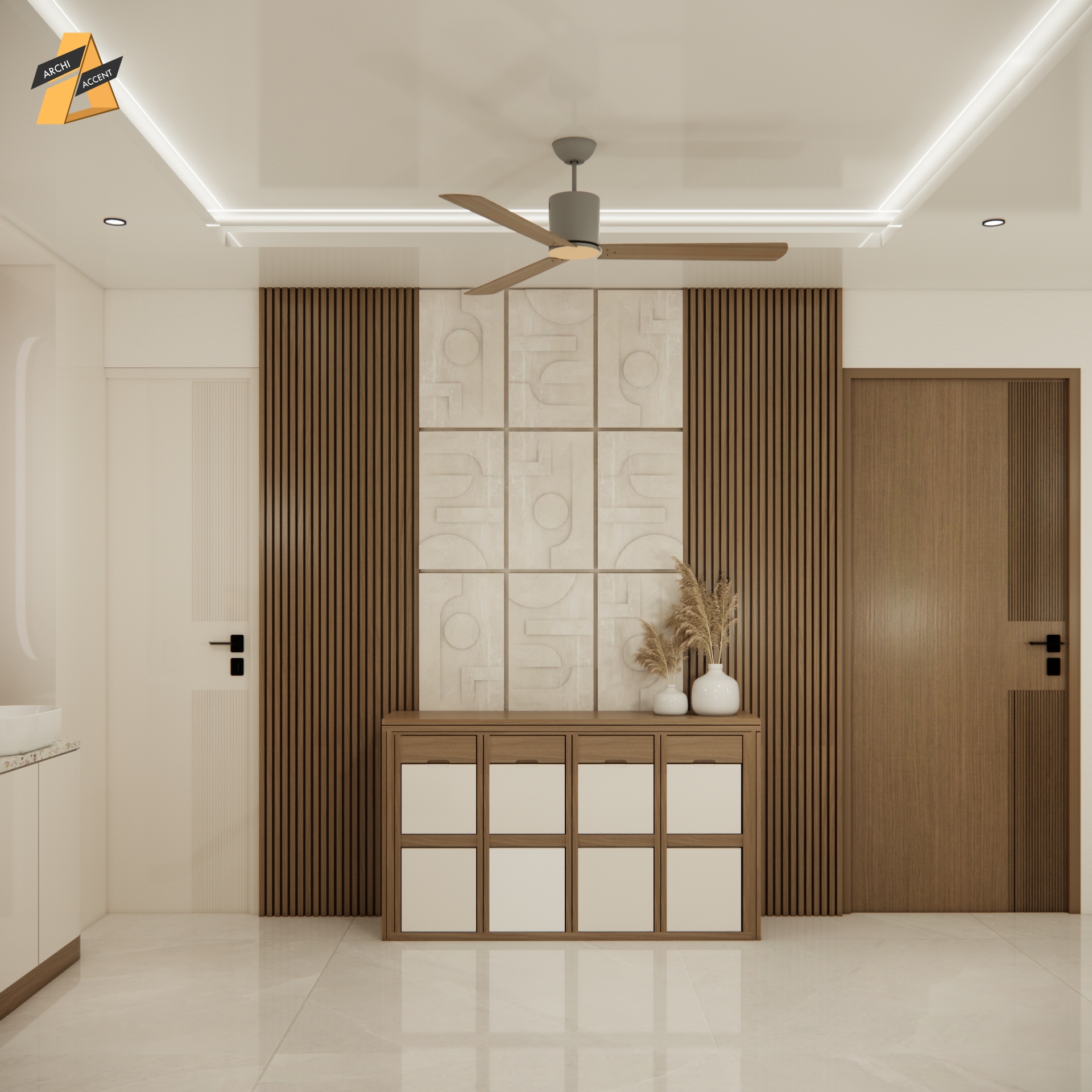
A home is more than walls and furniture, it’s where comfort, style, and lifestyle come together. That’s why professional house interior design is essential for homeowners in Bangladesh. A well-planned home improves daily living, maximizes space, and reflects personal taste. At Archi Accent, every project is approached with a balance of aesthetics, practicality, and functionality. The team begins by understanding the family’s lifestyle, preferences, and the home’s layout. The goal is to create spaces that feel modern, organized, and comfortable. Why Home Interiors Matter Many residences face common challenges like: A professional design addresses these problems while enhancing both style and long-term property value. Even smaller houses can feel spacious and elegant with careful planning. Key Areas of House Interiors Living Room Design The living room is the heart of a home. Archi Accent focuses on: Bedroom Interiors Bedrooms should be relaxing yet functional. Solutions include: Kitchen & Dining Areas The kitchen is the most-used space in any home. Archi Accent designs: Bathroom Interiors Bathrooms combine style with function: Smart Storage & Space Optimization One of the most important aspects of home interiors is organization. Archi Accent incorporates: Smart storage keeps homes tidy, functional, and spacious. Materials for Premium Interiors The right materials affect both look and durability. Archi Accent recommends: Materials are selected for longevity, elegance, and ease of maintenance. Cost of House Interiors in Bangladesh The price depends on factors such as: Archi Accent provides transparent budgeting to avoid unexpected costs. Why Choose Archi Accent for Home Interiors? Archi Accent is trusted for designing homes because the firm delivers: Every home is designed to suit the family’s lifestyle while keeping a premium, modern feel. Conclusion A professionally designed home feels spacious, comfortable, and visually appealing. With smart layouts, high-quality materials, and modern design solutions, Archi Accent ensures every house interior in Bangladesh is functional, stylish, and tailored to its residents.
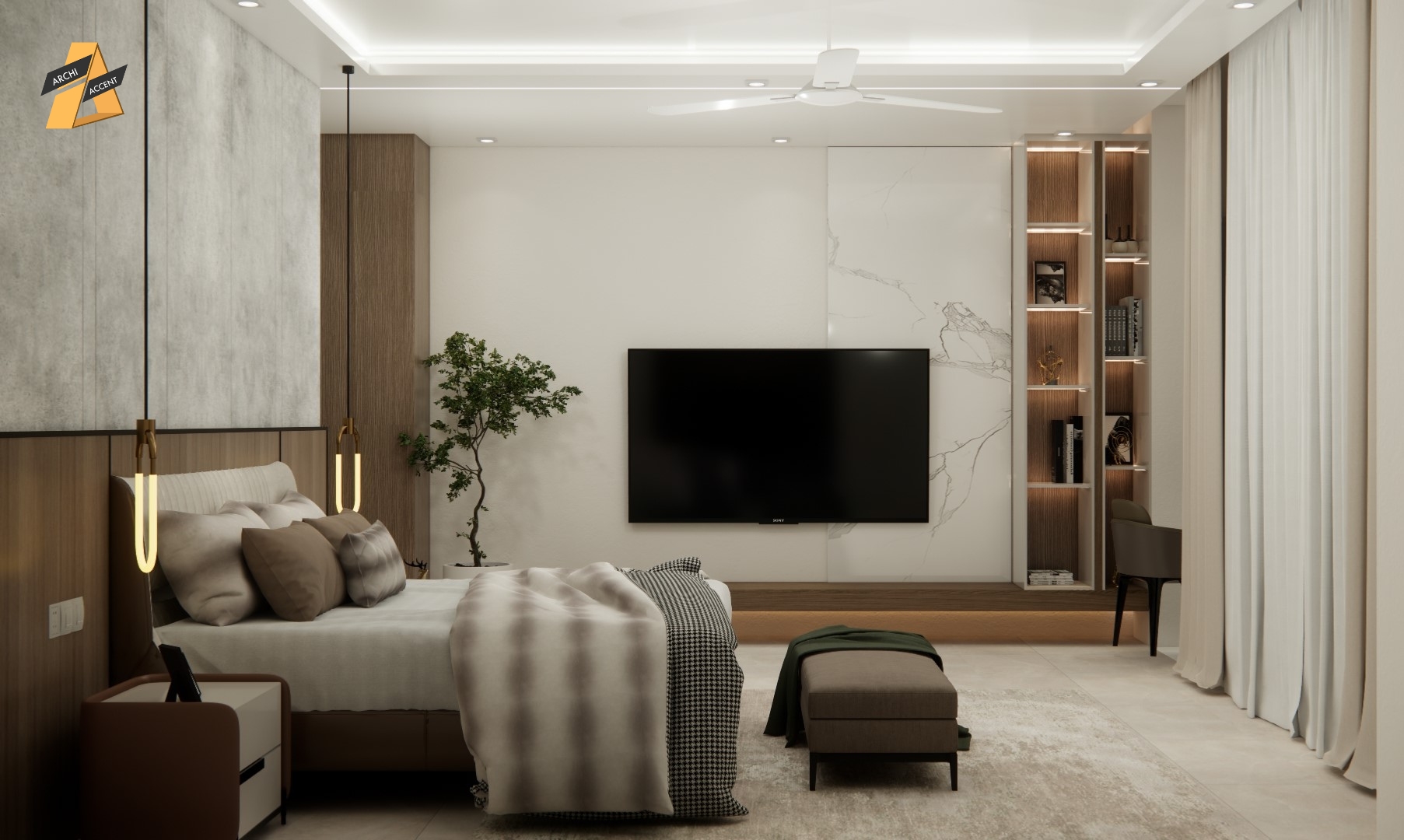
Flat living is becoming the most common lifestyle choice in Dhaka and other major cities in Bangladesh. However, designing a flat is not always simple. A well-planned flat interior design must balance beauty, comfort, storage, and daily functionality. Many flats have limited space, fixed layouts, and structural limitations. That is why interior planning needs to be strategic. Archi Accent focuses on designing flats in a way that feels spacious, organized, and premium without unnecessary clutter. A flat is not only a living space, it is also a long-term investment. So, a proper interior design increases both comfort and property value. Why Flat Interior Design Matters Today Flat owners often face common issues such as: Therefore, professional flat interior design is important to ensure every corner of the space is utilized properly. With the right planning, even a 1200–2000 sqft flat can feel open, modern, and luxurious. Most Popular Flat Interior Design Styles in Bangladesh Different families have different lifestyles. So, flat interior design should never be “one design for all.” Some of the most popular styles include: 1. Modern Minimalist Flat Design This style focuses on clean lines, neutral tones, and simple furniture. Additionally, minimalist interiors make a flat look larger and easier to maintain. 2. Luxury Contemporary Flat Interior Luxury contemporary flats use premium materials, layered lighting, and customized furniture. This style is perfect for high-end apartments in Gulshan, Banani, Bashundhara, and Baridhara. 3. Classic Warm Flat Interior Many families in Bangladesh prefer warm tones, wooden finishes, and cozy lighting. This creates a homely and welcoming environment. Archi Accent customizes designs based on the client’s taste, budget, and flat layout. Key Areas to Focus on in Flat Interior Design Living Room Design The living room is the heart of a flat. It should feel open, elegant, and welcoming. Archi Accent designs living spaces with: Moreover, the design is kept practical so the space remains easy to move around. Bedroom Interior Design Bedrooms should feel comfortable and calm. However, in most flats, bedrooms are smaller than expected. That’s why Archi Accent prioritizes: As a result, bedrooms feel larger, organized, and more premium. Kitchen Design A modern kitchen is essential for daily life. Flat kitchens in Bangladesh often have limited space, so proper planning is necessary. Archi Accent offers: Additionally, the kitchen is designed based on the cooking habits of the family. Dining Space Planning Dining areas in flats are usually combined with living spaces. Therefore, the dining setup must be placed carefully. Archi Accent focuses on: Bathroom Interior Design Bathrooms should look modern and be easy to maintain. Flat bathroom interiors need moisture-friendly materials. Common design upgrades include: Smart Storage Solutions for Flats Storage is one of the biggest challenges in flat living. Without planning, flats become cluttered quickly. That is why Archi Accent includes storage solutions such as: Consequently, the flat remains clean, organized, and spacious. Best Materials for Flat Interior Design in Bangladesh Material choice is important because flats require long-term durability. Archi Accent recommends materials based on budget and lifestyle needs, such as: Furthermore, clients are guided clearly so they understand what they are paying for. Flat Interior Design Cost in Bangladesh The cost of flat interior design depends on multiple factors, including: Archi Accent ensures transparency in cost estimation so clients can plan realistically. Why Choose Archi Accent for Flat Interior Design? Archi Accent is trusted for modern and functional flat interiors because the firm provides: Most importantly, every flat is designed according to the lifestyle of the family, not just trends. Conclusion A flat should not feel tight or unplanned. With smart layout design, premium materials, and proper storage solutions, flat interiors can look spacious and luxurious. If you are looking for professional flat interior design services in Bangladesh, Archi Accent can deliver modern concepts and high-quality execution that fits your space, lifestyle, and budget.
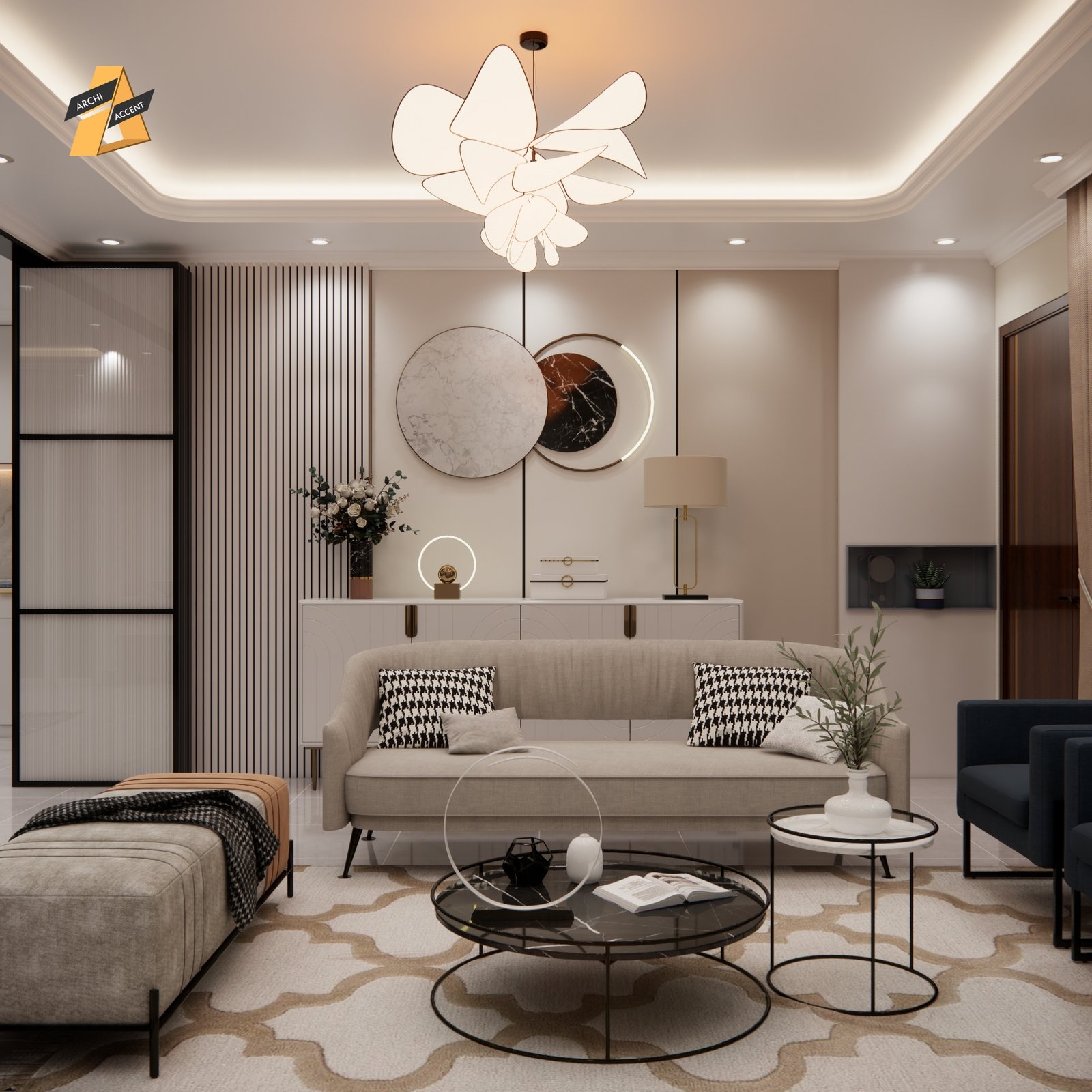
Gulshan is one of Dhaka’s most elite and high-value areas, known for luxury apartments, corporate offices, restaurants, and premium lifestyle spaces. Because of this, many homeowners and business owners look for professional Gulshan interior design services that match the standards of the neighborhood. A Gulshan interior project is not only about decoration. It requires smart space planning, premium finishing, durable materials, and a modern design approach. At Archi Accent, projects are managed professionally from concept development to execution supervision, ensuring the final outcome feels elegant, functional, and long-lasting. Why Gulshan Projects Require a Premium Design Approach Most Gulshan properties are high-value investments. Therefore, interior design work in this area must meet luxury expectations. Clients usually prioritize: As a result, these projects demand more detail-oriented planning compared to standard residential interiors. Popular Interior Styles in Gulshan 1. Luxury Contemporary Interior Luxury contemporary style is widely preferred because it looks modern yet premium. It often includes neutral tones, premium wall finishes, and statement lighting. 2. Modern Minimalist Interior Minimalist interiors are also popular because they create a spacious and clean environment. Additionally, this style is easy to maintain and suits high-rise apartments perfectly. 3. Classic Luxury Interior Some homeowners prefer a classic approach with warm wooden tones, decorative wall textures, and elegant ceiling detailing. This style feels timeless and high-end. Archi Accent provides design solutions based on client preference and space requirements. Key Elements of Premium Gulshan Interiors Smart Space Planning A luxury home should feel balanced, open, and well-organized. That is why Archi Accent focuses on zoning—especially for living rooms, dining spaces, and bedrooms. Customized Furniture and Woodwork High-end apartments and offices often require customized furniture. This includes: Custom furniture creates a polished look and improves space efficiency. Premium Material Selection Material selection is one of the most important parts of luxury interiors. Common premium choices include: Archi Accent recommends materials based on durability, finishing quality, and maintenance requirements. Lighting and Ceiling Design Lighting can completely transform a space. For that reason, layered lighting is often used, such as cove lights, spotlights, chandeliers, and feature lighting to enhance ambience. Residential vs Commercial Interior Design in Gulshan Since Gulshan is a major business hub, many projects include both homes and corporate spaces. Residential Interior Focus Commercial Interior Focus Archi Accent handles both categories with separate planning strategies. Why Choose Archi Accent for Gulshan Projects? Archi Accent provides complete interior design and execution support for premium projects. Clients receive: This structured workflow ensures smooth execution and luxury results. Conclusion A premium interior requires more than just stylish furniture. It needs smart planning, durable materials, and professional finishing. Gulshan properties deserve a design approach that reflects elegance and long-term value. For high-quality Gulshan interior design, Archi Accent offers modern concepts, premium execution, and full project supervision from concept to completion.
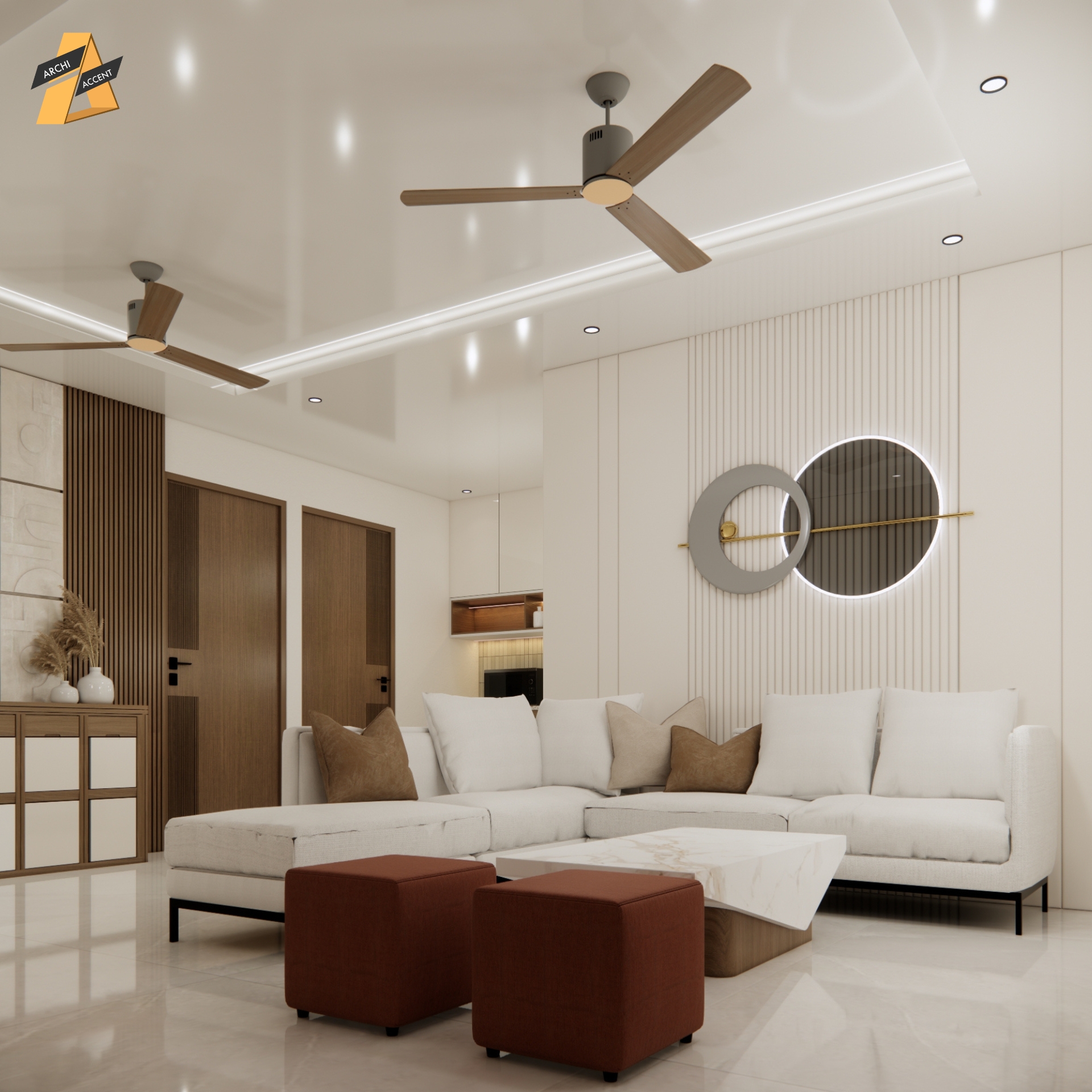
A 2000 square feet space is considered an ideal size for modern apartments, family homes, duplex floors, and medium-scale commercial spaces in Bangladesh. With proper planning, a 2000 sqft space can look premium, spacious, and highly functional. That is why 2000 sqft interior design in Bangladesh is becoming a popular search topic for homeowners who want professional design and quality finishing. At Archi Accent, 2000 sqft interior projects are handled with a balance of design aesthetics and practicality. The firm focuses on space planning, customized storage, durable materials, and smooth execution management. Why 2000 Sqft Interior Design Needs Proper Planning Even though 2000 sqft is a good size, poor layout planning can still create major problems. Many homeowners face issues like: Therefore, interior design is not just about decoration, it is about making the entire space efficient and comfortable. Common Layout Options for a 2000 Sqft Home A typical 2000 sqft apartment in Bangladesh may include: Archi Accent designs layouts based on client lifestyle. For example, some families want a bigger living room, while others prioritize a large kitchen or more storage. Key Elements of 2000 Sqft Interior Design 1. Smart Space Planning A premium interior begins with proper zoning. Archi Accent ensures that the living, dining, and bedroom zones are separated properly while still keeping the space visually open. As a result, the home feels spacious and well-organized. 2. Storage and Custom Furniture Storage is one of the biggest priorities in Bangladeshi homes. That is why Archi Accent includes storage planning early in the design process. A 2000 sqft interior usually includes: This ensures the home remains clean and clutter-free. 3. Material Selection Based on Budget Material selection determines both the cost and durability of the project. Common material options include: Archi Accent recommends materials based on humidity resistance, maintenance needs, and long-term value. 4. Ceiling and Lighting Design Lighting can instantly upgrade the interior look. Even in a standard budget, good lighting creates a premium feel. For 2000 sqft interiors, Archi Accent often uses: This creates a modern and elegant atmosphere. What Affects 2000 Sqft Interior Design Cost in Bangladesh? The cost depends on: Because of these factors, cost can vary significantly from one client to another. How Archi Accent Handles 2000 Sqft Interior Projects Archi Accent follows a structured workflow: Step 1: Discussion & Requirement Analysis Client needs, lifestyle patterns, and budget are discussed. Step 2: Space Planning Layouts are designed to ensure functional zoning and smooth movement flow. Step 3: Design Concept Finalization Theme, colors, materials, and furniture style are confirmed. Step 4: Drawings & Visualization 2D drawings and 3D visuals help clients understand the final look before execution. Step 5: Execution & Supervision On-site monitoring ensures finishing quality and proper project coordination. This professional process reduces delays and prevents unnecessary extra costs. Conclusion A well-planned 2000 sqft interior can deliver both luxury and comfort when handled professionally. Understanding the basics of 2000 sqft interior design in Bangladesh helps clients make better decisions about layout, materials, and budget planning. Archi Accent provides complete interior design and execution solutions for 2000 sqft apartments, houses, and office spaces—ensuring modern planning, premium finishing, and long-lasting quality.
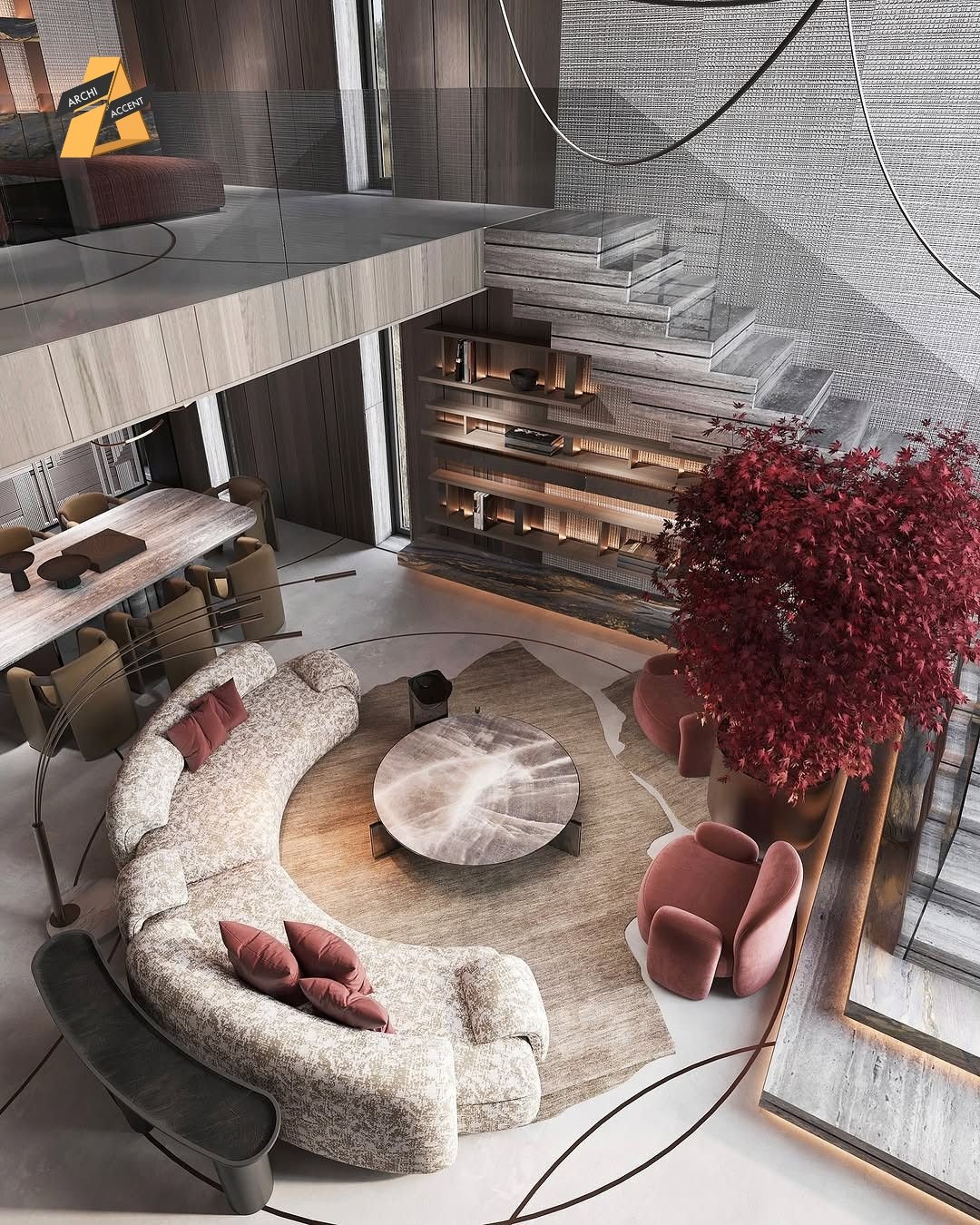
A 5000 square feet interior project is considered a high-end large-scale project in Bangladesh. It usually includes a duplex house, luxury villa, large corporate office, showroom, restaurant, or multi-zone commercial space. Because of its size and complexity, 5000 sqft interior design in Bangladesh requires professional planning, strong execution supervision, and proper budget management. At Archi Accent, 5000 sqft projects are handled through a structured workflow. Rather than focusing only on decoration, the firm prioritizes layout efficiency, lifestyle-based zoning, premium material selection, and long-term durability. Why 5000 Sqft Interior Design Needs a Professional Firm A 5000 sqft space cannot be designed randomly. If the project is not properly planned, the interior may feel unbalanced, unfinished, or poorly organized. Large spaces often face problems such as: Therefore, hiring a professional interior firm is not a luxury—it is a necessity for a project of this scale. Key Elements of a 5000 Sqft Interior Design Project 1. Space Planning and Functional Zoning The most important step is zoning. A 5000 sqft project usually includes: Archi Accent ensures that every zone has purpose, flow, and privacy balance. As a result, the interior feels luxurious and functional. 2. Material Selection for Long-Term Durability For large homes and offices, material selection becomes more important because the budget is bigger and long-term maintenance matters. Popular premium materials include: Archi Accent recommends materials based on Bangladesh weather conditions and long-term usability. 3. Luxury Furniture and Custom Woodwork In a 5000 sqft project, furniture and woodwork are major budget portions. This includes: Custom work increases cost but also creates a unique premium identity. 4. Lighting, Ceiling, and Ambience Design Large spaces need layered lighting design. Without proper lighting, a 5000 sqft home can feel dark or empty. A luxury lighting plan often includes: Archi Accent creates lighting plans that highlight premium details and improve overall ambience. What Affects 5000 Sqft Interior Design Cost in Bangladesh? The cost depends on several factors such as: That is why a site visit and requirement discussion is necessary for accurate budgeting. How Archi Accent Handles 5000 Sqft Interior Projects Archi Accent follows a professional step-by-step process: Step 1: Client Meeting & Requirement Analysis The project starts with understanding lifestyle needs and functional expectations. Step 2: Space Planning & Layout Design A complete zoning plan is developed for smooth movement flow and practical usage. Step 3: Concept Development Design theme, colors, materials, and furniture style are finalized. Step 4: Technical Drawings & Visualization 2D drawings and 3D views help clients approve everything before execution begins. Step 5: Execution and Site Supervision The team monitors on-site work to ensure finishing quality, timeline control, and design accuracy. As a result, the project stays organized and professional from concept to completion. Conclusion A 5000 sqft interior project is a major investment and requires expert planning and execution. Understanding the requirements of 5000 sqft interior design in Bangladesh helps clients prepare realistic budgets and avoid costly mistakes. Archi Accent provides complete interior design and execution solutions for large homes, duplexes, and commercial projects, delivering premium planning, luxury finishing, and professional project coordination for long-lasting results.
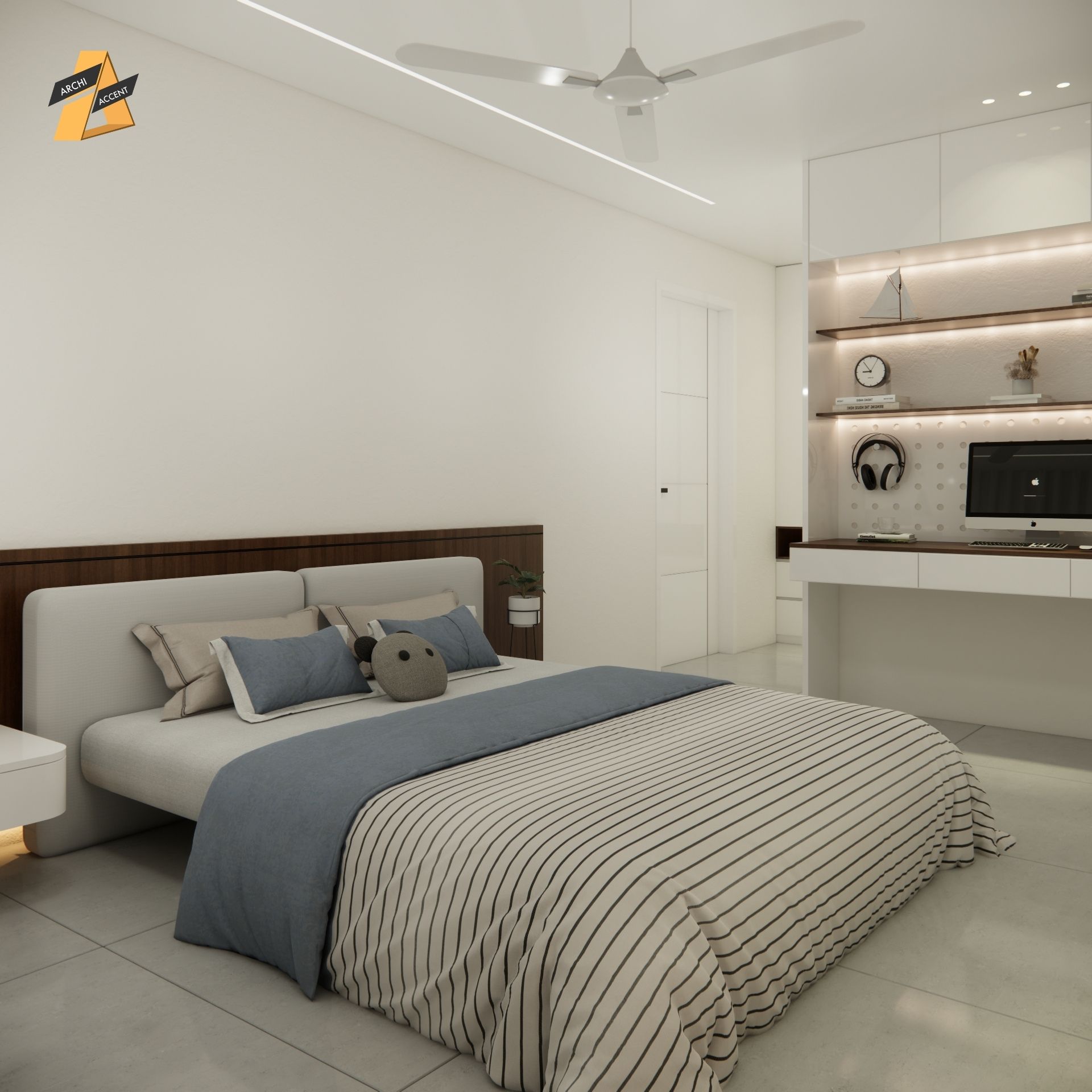
A 3000 square feet space is considered a large interior project in Bangladesh. Whether it is a luxury apartment, duplex house, or commercial office, designing a 3000 sqft space requires proper planning, strong project management, and smart budget control. That is why understanding the 3000 sqft interior design cost in Bangladesh is important before starting the project. At Archi Accent, 3000 sqft interior projects are handled with a structured workflow. Instead of rushing into decoration, the team focuses on layout planning, space zoning, material selection, and execution coordination. This ensures the final output is premium, functional, and long-lasting. Why 3000 Sqft Interior Design Needs Professional Planning A 3000 sqft space usually includes multiple bedrooms, large living and dining areas, kitchen, balconies, and sometimes servant rooms or family lounges. Because of this complexity, clients often face problems like: Therefore, professional interior design becomes essential for a large-scale project. What Affects 3000 Sqft Interior Design Cost in Bangladesh? The 3000 sqft interior design cost in Bangladesh depends on several major factors. Cost is not fixed, because every project has different design expectations. 1. Design Category (Basic, Standard, Luxury) Interior projects are usually divided into 3 levels: Naturally, luxury interiors cost more due to material and finishing requirements. 2. Material Selection Material is one of the biggest cost drivers in a 3000 sqft project. For example: Archi Accent always recommends materials based on durability, moisture resistance, and long-term value. 3. Custom Furniture and Woodwork A 3000 sqft home usually needs large furniture work, including: Since custom furniture is calculated separately, it significantly impacts total budget. 4. Lighting and Ceiling Design Large spaces require professional lighting design. Cove lighting, spotlights, chandeliers, and decorative wall lighting can raise the cost but also create a premium look. Therefore, lighting is often a key luxury element in 3000 sqft projects. 5. Residential vs Commercial Space A 3000 sqft commercial office may require stronger flooring, workstation planning, reception design, meeting rooms, and long-term durability. On the other hand, a residential project focuses more on comfort, lifestyle, and storage. Because of this, commercial interiors may cost more depending on brand requirements. Estimated Cost Range for 3000 Sqft Interior Design in Bangladesh The total cost can vary depending on your design level: If you want an accurate estimate, the best way is to consult an interior firm after site visit and requirement discussion. How Archi Accent Manages 3000 Sqft Interior Projects Archi Accent follows a professional workflow for large-scale projects: Step 1: Requirement Discussion & Site Analysis The team studies the space, client lifestyle, and functional requirements. Step 2: Space Planning and Zoning Room layout and movement flow are designed to ensure the space feels organized and luxurious. Step 3: Design Concept Development Design theme, colors, material selection, and furniture concept are finalized. Step 4: Technical Drawings & 3D Visualization Clients receive proper drawings and visuals before execution begins. Step 5: Execution Monitoring Archi Accent ensures on-site supervision so finishing quality matches the approved design. This structured process reduces delays, minimizes waste, and keeps the project within budget. Conclusion A 3000 sqft interior project is a major investment, and the outcome depends heavily on planning, material selection, and execution quality. Understanding the 3000 sqft interior design cost in Bangladesh helps clients prepare the right budget and avoid unexpected problems. Archi Accent provides complete interior design and execution solutions for large homes and commercial spaces ensuring smart space planning, premium finishing, and professional project management from concept to completion.
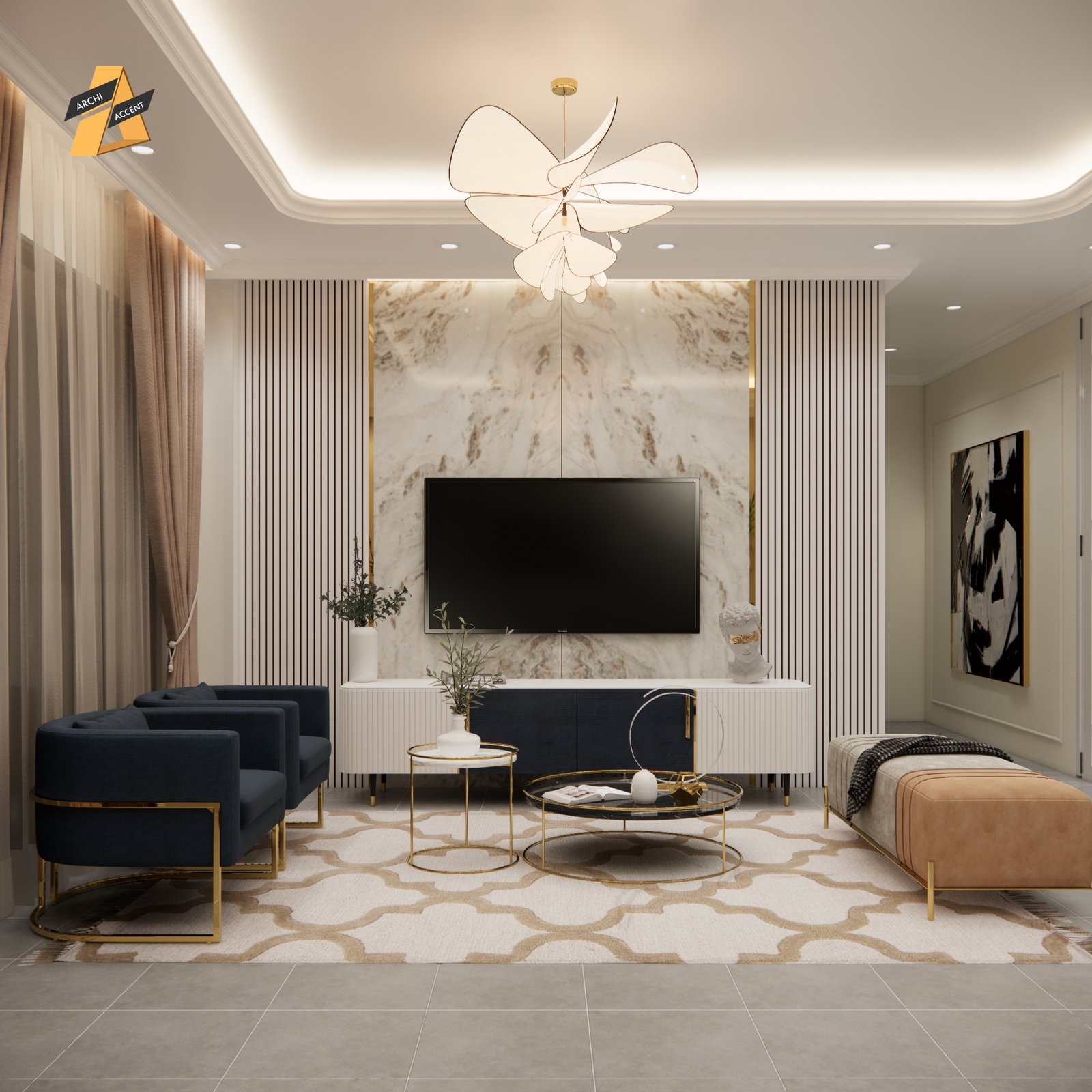
Bashundhara Residential Area is one of the most popular and rapidly developing neighborhoods in Dhaka. With its modern apartments, duplex houses, and growing commercial spaces, the demand for professional Bashundhara interior design services is higher than ever. Homeowners here want interiors that look premium, feel comfortable, and match a modern lifestyle. At Archi Accent, Bashundhara interior projects are designed with a focus on space planning, functional zoning, premium finishing, and long-term durability. The goal is to create interiors that are both visually impressive and practical for everyday life. Why Bashundhara Homes Need Professional Interior Design Many Bashundhara apartments and houses have good space potential, but without proper planning, the interior can feel messy or unfinished. Professional interior design helps homeowners avoid common problems such as: Therefore, a structured interior design plan is essential to turn a standard apartment into a high-quality living space. Popular Bashundhara Interior Design Styles 1. Modern Minimalist Interior Modern minimal interiors are highly popular in Bashundhara because they create a clean and spacious look. This style uses simple color palettes, sleek furniture, and clutter-free layouts. 2. Luxury Contemporary Interior Luxury interiors are also in demand, especially for duplex houses. This includes premium flooring, elegant ceiling designs, feature walls, and high-end lighting. 3. Warm Family-Friendly Interior Many Bashundhara families prefer warm tones and cozy designs. This style focuses on comfort, storage, and easy maintenance, which makes it ideal for long-term living. Archi Accent designs each project based on client lifestyle, not copy-pasted templates. Key Elements of Bashundhara Interior Design Smart Space Planning Space planning is the foundation of a successful interior. Archi Accent designs layouts that improve movement flow and make every room more functional. This is especially important for apartments where space must be utilized wisely. Customized Furniture and Storage In Bashundhara homes, storage is a major requirement. Archi Accent provides custom wardrobes, kitchen cabinets, TV units, shoe racks, and multipurpose furniture to keep the home organized and stylish. Material Selection for Durability Bangladesh’s humidity and dust can damage low-quality materials. That is why Archi Accent recommends durable boards, premium laminates, moisture-resistant paints, and long-lasting flooring to ensure better performance. Lighting and Ceiling Design Lighting is a luxury element that can completely transform an interior. Archi Accent creates layered lighting plans with cove lighting, spotlights, chandeliers, and feature lights to give the space a premium atmosphere. Why Choose Archi Accent for Bashundhara Interior Design? Archi Accent is trusted for professional project handling and quality execution. Clients receive: Because of this structured workflow, Archi Accent ensures that every Bashundhara interior design project is delivered with both elegance and durability. Conclusion A well-designed interior is not just about style, it improves comfort, increases property value, and makes daily living easier. If you are searching for professional Bashundhara interior design services, choosing an experienced firm is essential. Archi Accent provides complete interior design and execution solutions for Bashundhara apartments, duplex houses, and commercial spaces ensuring modern design, smart planning, and premium finishing from concept to completion.
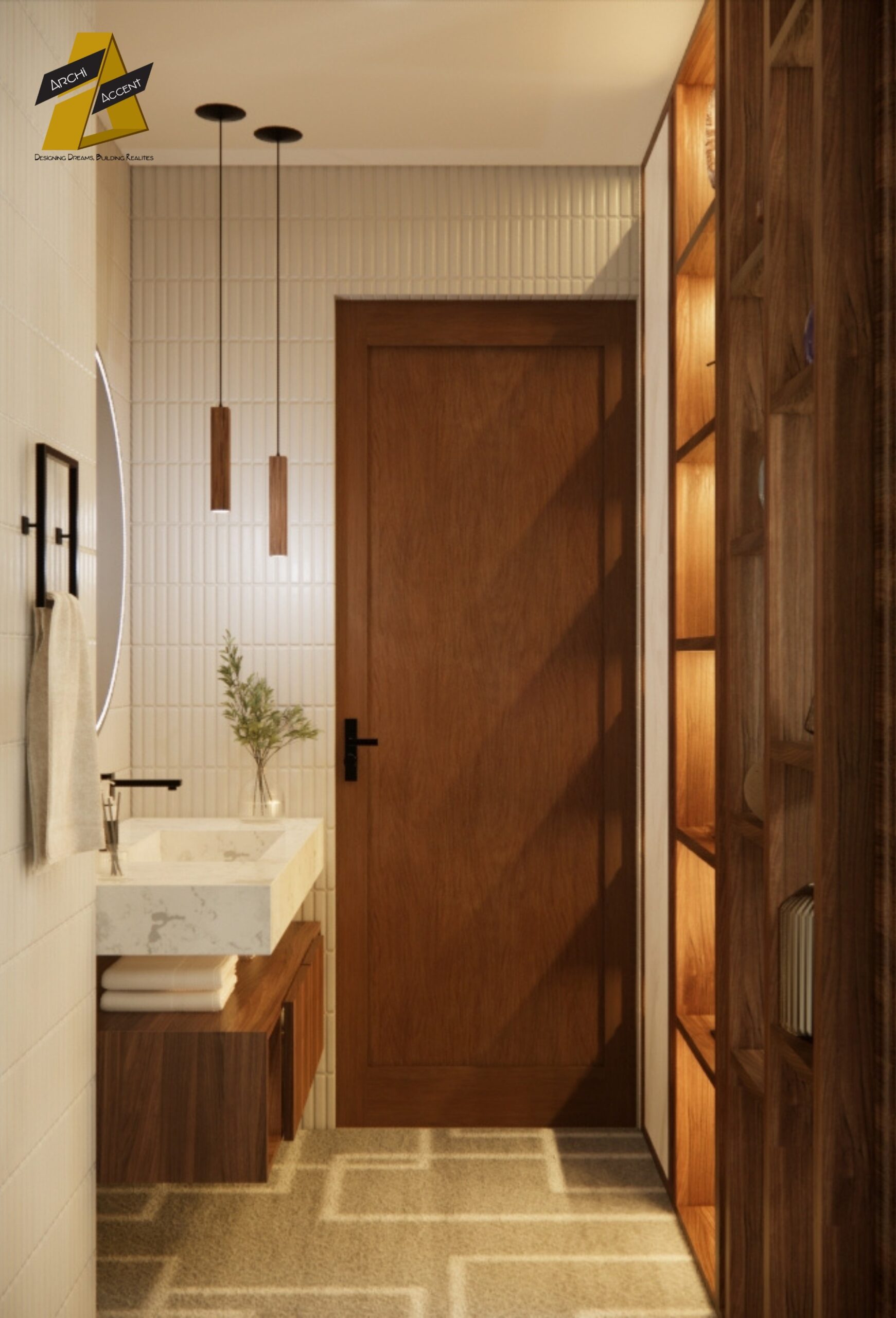
Jolshiri Abashon is quickly becoming one of the most attractive residential developments near Dhaka. With its planned environment, modern housing projects, and premium lifestyle potential, the demand for professional Jolshiri interior design services is rising every year. Homeowners in Jolshiri are not just looking for decoration, they want smart interiors that match modern living standards. At Archi Accent, Jolshiri interior design projects are handled with a professional approach that combines space planning, functional zoning, and premium finishing. The goal is to ensure every home feels comfortable, modern, and long-lasting. Why Jolshiri Homes Need Proper Interior Design Planning Many Jolshiri houses and apartments are designed with modern structure and good space potential. However, without interior planning, homeowners often face problems such as: That is why interior design is essential. A properly designed interior makes the home more organized, visually attractive, and lifestyle-friendly. Popular Jolshiri Interior Design Trends 1. Modern Minimal Interior Modern minimal interiors are highly suitable for Jolshiri homes because they offer clean layouts, simple furniture design, and easy maintenance. This style also gives a premium and spacious feel. 2. Contemporary Luxury Interior Many homeowners prefer luxury finishing with elegant ceiling work, marble tiles, premium lighting, and custom furniture. This style makes Jolshiri homes feel like high-end residences. 3. Warm Natural Interior Theme Some clients prefer warm wooden tones, soft colors, and cozy lighting. This style creates a calm and welcoming atmosphere, especially for family homes. Archi Accent provides design solutions based on the client’s lifestyle and the home’s architecture, ensuring the final look is not copied but customized. Key Elements of Jolshiri Interior Design Smart Space Planning Space planning is crucial for Jolshiri projects because modern homes require better zoning. Archi Accent ensures proper division between living, dining, kitchen, and private zones so the house feels balanced. Storage and Furniture Customization A well-designed Jolshiri home needs smart storage solutions. Archi Accent designs custom wardrobes, kitchen cabinets, TV units, and hidden storage so the home remains clean and clutter-free. Material Selection for Durability Since Bangladesh weather includes humidity and seasonal changes, materials must be selected carefully. Archi Accent recommends durable boards, long-lasting flooring, and moisture-resistant finishes to ensure the interior remains strong. Lighting and Ceiling Design Lighting can completely change the interior atmosphere. Therefore, Archi Accent focuses on layered lighting systems such as cove lights, spotlights, and feature lighting to enhance luxury and comfort. Why Choose Archi Accent for Jolshiri Interior Design? Archi Accent offers complete interior design and execution support. The firm ensures: Because of this structured workflow, Archi Accent is a trusted choice for clients who want high-quality Jolshiri interior design solutions. Conclusion If you are planning a home or apartment interior in Jolshiri Abashon, professional interior design is the smartest investment. A well-designed interior improves comfort, adds long-term value, and makes daily living easier. For premium Jolshiri interior design, Archi Accent provides modern, functional, and luxury interior solutions from concept to completion ensuring every space reflects quality and lifestyle.