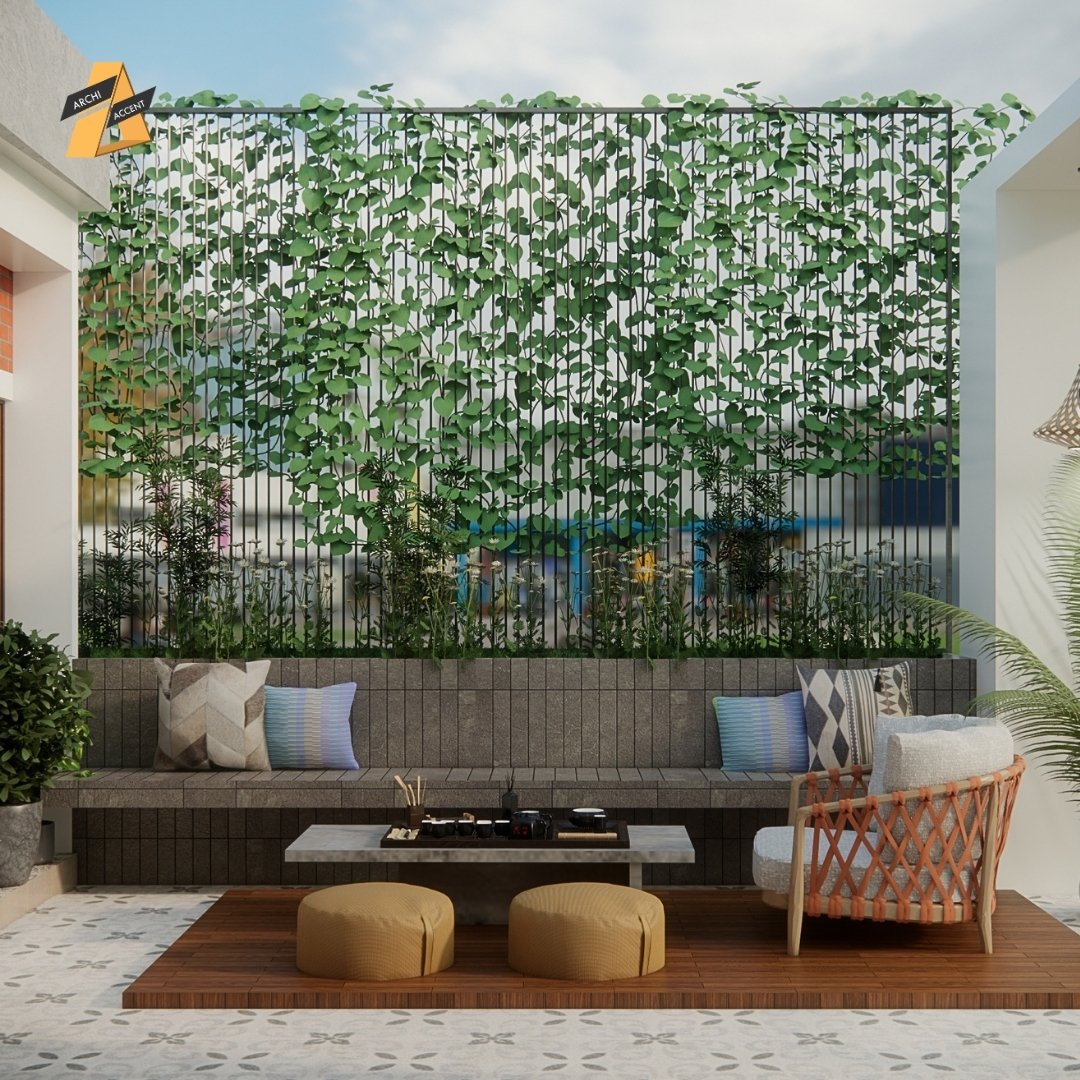
Interior Design and Mental Health: The Hidden Connection
The connection between Interior Design and Mental Health is stronger than many people realize. While interior design is often associated with beauty and aesthetics, it also has a significant impact on how we think, feel, and behave. The spaces we spend time in every day can influence our mood, stress levels, productivity, and overall wellbeing.
Whether you’re working from home, spending time with family, or simply relaxing after a long day, your surroundings play an important role in shaping your daily experience. A thoughtfully designed home can create a sense of comfort and balance, while a poorly planned space may contribute to stress and frustration.
At Archi Accent, we believe every home should support both physical comfort and emotional wellbeing. That’s why personalized design is at the heart of every project we create.
Why Your Environment Affects Your Mind
Our brains constantly respond to our surroundings.
Factors such as:
- Lighting
- Colors
- Noise
- Organization
- Furniture layout
- Natural elements
all influence how comfortable and relaxed we feel.
When a home is thoughtfully designed, it can create a calmer atmosphere that supports everyday living.
This is one of the reasons why Interior Design and Mental Health are closely connected.
Clutter Can Increase Stress
A cluttered home often creates unnecessary mental pressure.
Too much visual clutter can make it harder to:
- Focus
- Relax
- Find everyday items
- Feel organized
Simple storage solutions and better organization help create a cleaner environment that feels easier to manage.
At Archi Accent, storage planning is an essential part of our personalized design process because an organized home contributes to everyday comfort.
Natural Light Improves Mood
Natural light is one of the most valuable elements in any home.
A bright interior can:
- Make spaces feel more welcoming
- Support healthy daily routines
- Improve overall comfort
- Reduce the need for artificial lighting during the day
Good interior planning maximizes available daylight through thoughtful furniture placement, window treatments, and room layouts.
Colors Influence Emotions
Different colors create different emotional responses.
For example:
- Soft blues often feel calming.
- Sage greens create a sense of balance.
- Warm neutrals provide comfort.
- Light earth tones create a relaxing atmosphere.
Choosing colors based on how you want a room to feel is often more effective than simply following trends.
This is why color selection is an important part of personalized design.
Comfortable Layouts Reduce Daily Frustration
A poorly planned home can interrupt daily routines.
Examples include:
- Difficult movement between furniture
- Insufficient storage
- Poor workspace planning
- Overcrowded rooms
A functional layout helps daily activities flow more smoothly, reducing unnecessary stress.
Good design should make life easier, not more complicated.
Creating Spaces for Relaxation
Every home should include spaces where family members can unwind.
This could be:
- A cozy reading corner
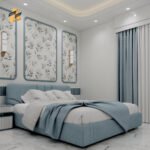
- A comfortable bedroom
- A quiet balcony
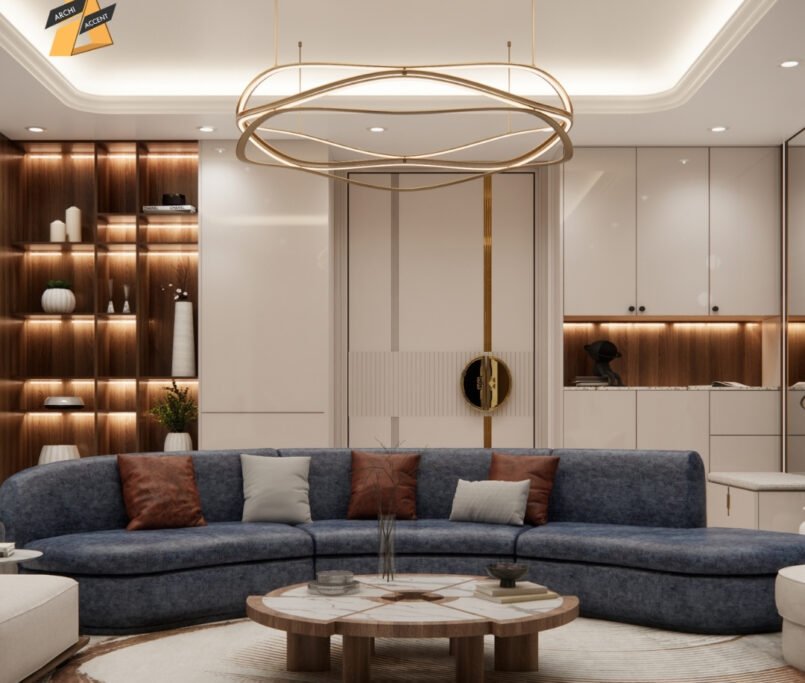
- A peaceful seating area
These spaces encourage moments of relaxation and help create a healthier balance between work and personal life.
Nature Makes a Difference
Bringing natural elements indoors can make a home feel calmer and more inviting.
Simple additions include:
- Indoor plants
- Wooden furniture
- Natural fabrics
- Stone textures
- Large windows with outdoor views
These features help create a stronger connection to nature and contribute to a more relaxing environment.
A Home That Supports Your Lifestyle
Every person experiences comfort differently.
Some homeowners need:
- Quiet workspaces
- Family gathering areas
- Creative studios
- Organized storage
- Flexible multi-purpose rooms
A home that matches your lifestyle is often more enjoyable to live in than one designed only to follow trends.
This is where personalized design becomes essential.
Personalized Design Creates Emotional Comfort
A house becomes a home when it reflects the people living in it.
At Archi Accent, we begin every project by understanding:
- Daily routines
- Family needs
- Personality
- Comfort preferences
- Functional requirements
We also offer a personality assessment on our website to help homeowners better understand their design preferences. These insights allow us to create truly personalized design solutions that support both comfort and emotional wellbeing.
Rather than creating identical interiors, we design spaces that feel natural, personal, and meaningful.
Mental Wellbeing Starts with Everyday Comfort
Small improvements in design can have a meaningful impact on daily life.
Examples include:
- Better lighting
- Comfortable furniture
- Organized storage
- Functional layouts
- Peaceful bedrooms
- Inviting shared spaces
These design choices don’t replace professional mental healthcare, but they can contribute to a more comfortable, supportive, and less stressful living environment.
The relationship between Interior Design and Mental Health goes far beyond appearance. A well-designed home can encourage relaxation, improve organization, support healthy routines, and create spaces where people feel comfortable and connected.
By focusing on personalized design, firms like Archi Accent help homeowners create environments that are not only beautiful but also thoughtfully designed to support everyday wellbeing, comfort, and a better quality of life.