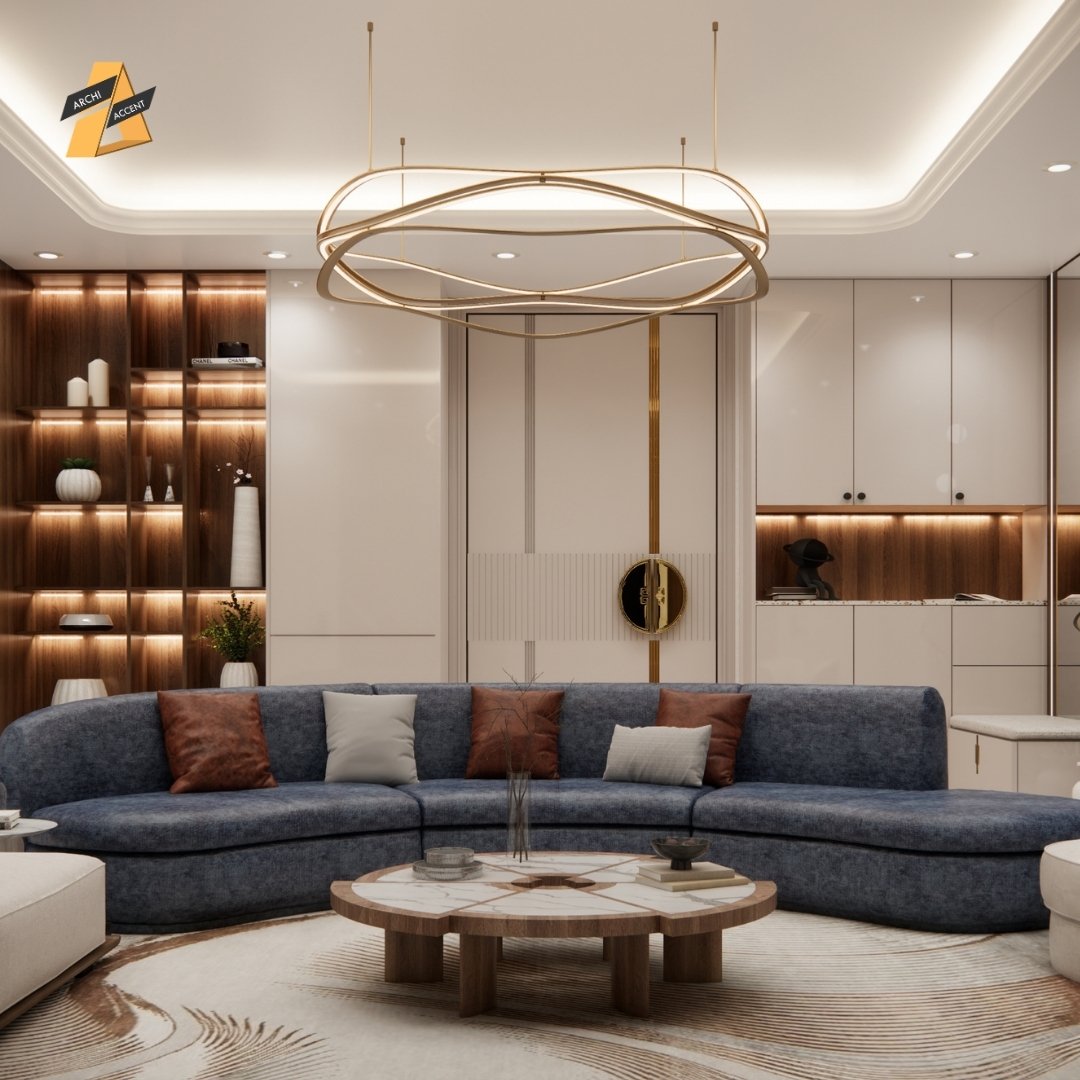
Knowing how to choose an interior design firm in Bangladesh can make a major difference to your interior project. With many firms offering different styles, services, and price ranges, choosing the right one can feel confusing. However, you do not have to decide based only on attractive 3D designs or the lowest quotation. Instead, look at the firm’s experience, process, communication, materials, and execution capabilities. 1. Check the Interior Design Firm’s Portfolio Start by reviewing the firm’s completed projects. Do not only look at 3D renders. Instead, check photographs of finished spaces and see whether the firm has experience with projects similar to yours. For example, if you are designing an apartment, look for residential projects with similar layouts or requirements. 2. Understand Their Interior Design Services Before choosing an interior design firm in Bangladesh, find out exactly what the company provides. Some firms focus mainly on design, while others also handle execution, furniture, material sourcing, and site supervision. Therefore, ask what is included in your project and what you will need to arrange separately. 3. Compare the Quotation Carefully Price matters, but the lowest quotation does not always represent the lowest overall cost. Instead, compare what each quotation includes. Check materials, furniture, labour, design services, site supervision, and other project costs. Moreover, ask about possible additional costs before signing an agreement. 4. Ask About Materials and Quality Materials directly affect the durability and appearance of your interior. So, ask the firm about the boards, laminates, hardware, lighting, paint, tiles, and other finishes they plan to use. A reliable firm should explain material options clearly and help you choose according to your budget and requirements. 5. Evaluate Communication Good communication makes an interior project easier to manage. Therefore, notice how the firm communicates from your first consultation. Do they listen to your requirements? Do they answer questions clearly? Do they explain changes and costs? Most importantly, you should feel comfortable discussing your concerns with the team. 6. Check Their Execution and Site Supervision A beautiful design still needs proper execution. Therefore, ask who will manage the work once construction begins. Find out whether the firm provides site supervision, coordinates workers and vendors, checks materials, and monitors the quality of the finished work. This step can help reduce gaps between the approved design and the final result. 7. Look for Personalized Design Your home should suit the way you live rather than simply copy a popular design. That is why personalized design should be an important part of your decision. A good interior design firm should consider your lifestyle, preferences, space, budget, and functional requirements before developing the design. 8. Ask About the Complete Project Process Before hiring a firm, ask what happens from the first consultation to final handover. A clear process may include site measurement, space planning, concept development, 3D visualization, material selection, working drawings, execution, supervision, and handover. As a result, you will have a better idea of what to expect throughout the project. Why Choose Archi Accent? At Archi Accent, we believe that choosing an interior design firm should start with understanding the client’s needs. Our approach combines design, planning, and execution to create functional and visually refined spaces. We also focus on personalized design, so the final interior reflects the client’s lifestyle, preferences, and requirements rather than following a standard template. Learning how to choose an interior design firm in Bangladesh becomes easier when you know what to evaluate. Check the portfolio, understand the services, compare quotations, ask about materials, evaluate communication, and learn how the firm handles execution. Most importantly, choose a team that understands your requirements and can turn them into a practical, personalized design. Before making your final decision, take the time to compare firms carefully. A well-informed choice can make the entire interior design process more organized and manageable.

“The way you dress, the way you speak, the way you live, everything tells your story. Your home should too.” — Mahfuz Hossain, Founder & CEO, Archi Accent We express ourselves in many ways without even realizing it. The clothes we choose, the way we arrange our workspace, the places we enjoy spending time in, even the small things we keep around us can say something about who we are. Our personality naturally finds its way into the spaces we spend the most time in. So why should our homes be any different? For Mahfuz Hossain, Founder & CEO of Archi Accent, this is at the heart of good interior design. He believes a home should not simply look beautiful or follow whatever style is currently trending. It should feel personal. It should reflect the people who live there. A beautiful home is not always a personal home Walk through different homes designed around the same trends and you may notice something familiar. Similar colour palettes. Similar furniture. Similar lighting. Similar layouts. However the spaces may look polished, but sometimes they feel interchangeable. That is where the difference between decoration and design becomes important. Interior design is not only about deciding what looks good together. It is about understanding how someone lives, what they needs from a space, what they likes, and what makes them feel comfortable. Above all for Mahfuz Hossain, this is why personalized design matters. A home designed for someone who loves hosting friends should not function exactly like the home of someone who prefers quiet evenings. A person who works from home has different spatial needs from someone who spends most of their day outside. Even two people with the same apartment size and similar budgets can need completely different solutions. The space should respond to the person, not the other way around. Your lifestyle is part of the design When designing a home, the first questions should not always be about colours, furniture or trends. They should be about the person. How do you use your living room? Do you work from home? Do you enjoy cooking? Do you need privacy? Do you like having people over? What kind of atmosphere helps you relax after a long day? These questions reveal something that a floor plan alone cannot. They reveal the lifestyle behind the space. This approach is one of the ideas that shapes the work of Archi Accent. Instead of treating every project as a template, the team looks at the client’s lifestyle, preferences, space and requirements before developing a design direction. The goal is not simply to create an attractive interior. It is to create a space that makes sense for the person living in it. Personality can influence design Mahfuz Hossain has also explored this idea through Archi Accent’s approach to understanding personality in interior design. The concept is simple: if personality influences the way we dress, communicate and live, it can also influence the way we want our homes to feel. Some people naturally gravitate towards clean, minimal spaces. Others prefer richer materials, stronger contrasts or more expressive details. Some want their home to feel calm and understated, while others want it to have character the moment someone walks through the door. There is no single definition of a “perfect” home. There is only a home that feels right for the person living in it. This is why Archi Accent uses a personality assessment as part of its design-thinking process. Rather than choosing a style first and fitting the client into it, the idea is to understand the client first and allow the design to develop from there. Trends change. Your story does not. Interior trends come and go. A colour that is everywhere today may feel outdated a few years from now. A particular furniture style may become popular and then disappear. Social media can also make it tempting to recreate the same interiors we see repeatedly online. But a home is not a social media post. It is where you wake up, work, rest, spend time with family, celebrate occasions and return to at the end of the day. That is why blindly following trends may not always create the most meaningful space. A well-designed home can take inspiration from contemporary trends while still remaining personal. Materials, colours, layouts and furniture can be selected because they work for the homeowner, rather than simply because they are fashionable. Design should be personal, but it should also be practical Personalization does not mean filling a home with random things that represent someone. Good design still requires planning. The space has to work. Movement has to feel natural. Storage has to be considered. Materials need to be appropriate. Lighting has to serve a purpose. The design needs to work within the realities of the space and the client’s requirements. This is where architectural thinking and interior design come together. At Archi Accent, the focus extends beyond creating a design concept. The team works through the design and execution process, considering how the idea will actually come together on site. Because a beautiful idea on paper is only successful when it works in real life. From a space to a reflection of you Mahfuz Hossain’s quote captures a simple idea: your home is another form of self-expression. We often spend time thinking about how we present ourselves to the outside world. We choose our clothes carefully. We think about how we speak. We decide what we share and what we keep private. Our homes communicate too. The entrance, the lighting, the materials, the furniture, the way rooms connect and even the empty spaces between things can create a feeling that is uniquely yours. The purpose of personalized design is not to make every home completely different for the sake of being different. It is to make sure the design has a reason behind it. At Archi Accent, that means starting with the person before starting with the style. Because ultimately, your home
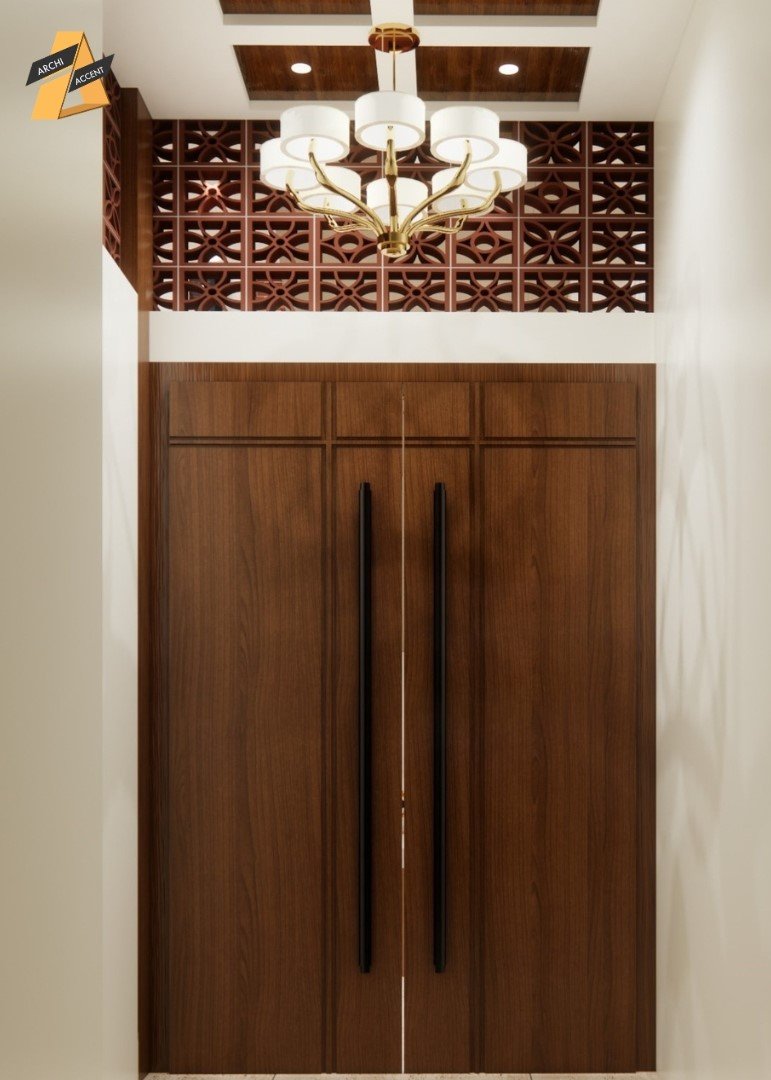
Choosing an interior designer who understands your needs is essential for a successful home interior project. A good designer should understand your lifestyle, budget, preferences, and practical requirements before creating your space. But how do you know if an interior designer understands your needs? Here are seven signs to look for. 1. They Ask About Your Lifestyle An interior designer who understands your needs will ask questions before suggesting designs. They may ask how you use each room, who lives in your home, how much storage you need, and what your daily routine looks like. For example, a family with children may need a different layout from someone living alone. Therefore, your designer should consider your lifestyle first. 2. They Listen to Your Ideas Listening is one of the clearest signs that an interior designer understands your needs. Instead of immediately presenting their own ideas, a good designer listens to your preferences, concerns, and expectations. They should also remember important details throughout the project. 3. They Understand Your Budget A professional designer should discuss your budget early. They should recommend suitable materials, furniture, and finishes based on what you can realistically spend. Moreover, they should explain where you can save and where spending more could improve durability or functionality. 4. They Explain Their Design Choices A good designer does not simply say that something “looks good.” Instead, they explain why a particular colour, layout, material, or furniture choice works for your home. As a result, you can understand the reasoning behind the design and make better decisions. 5. They Offer Personalized Design Your home should not look like a copy of someone else’s project. Instead, it should reflect how you live. That is why personalized design plays an important role. An interior designer who understands your needs will combine your lifestyle, preferences, space, and budget to create a design that suits you. 6. They Consider Functionality Interior design involves more than aesthetics. A designer should also consider storage, movement, lighting, comfort, maintenance, and long-term usability. Therefore, the final design should not only look beautiful but also make everyday living easier. 7. They Communicate Clearly Clear communication can prevent many problems during an interior project. Your designer should explain the project timeline, materials, costs, revisions, and construction process. Furthermore, they should encourage you to ask questions and provide feedback throughout the project. How Archi Accent Understands Your Needs At Archi Accent, we believe that good interior design starts with understanding the client. Our process focuses on your lifestyle, preferences, space, and practical requirements. We then use these insights to develop personalized design solutions that balance aesthetics and functionality. Most importantly, we do not believe that one design works for everyone. Your home should work for you. The right designer does more than create an attractive interior. They listen to you, understand your lifestyle, respect your budget, and communicate clearly. Ultimately, when an interior designer understands your needs, the result becomes more functional, comfortable, and personal. So, before hiring an interior designer, look beyond the portfolio. Make sure they understand you first.
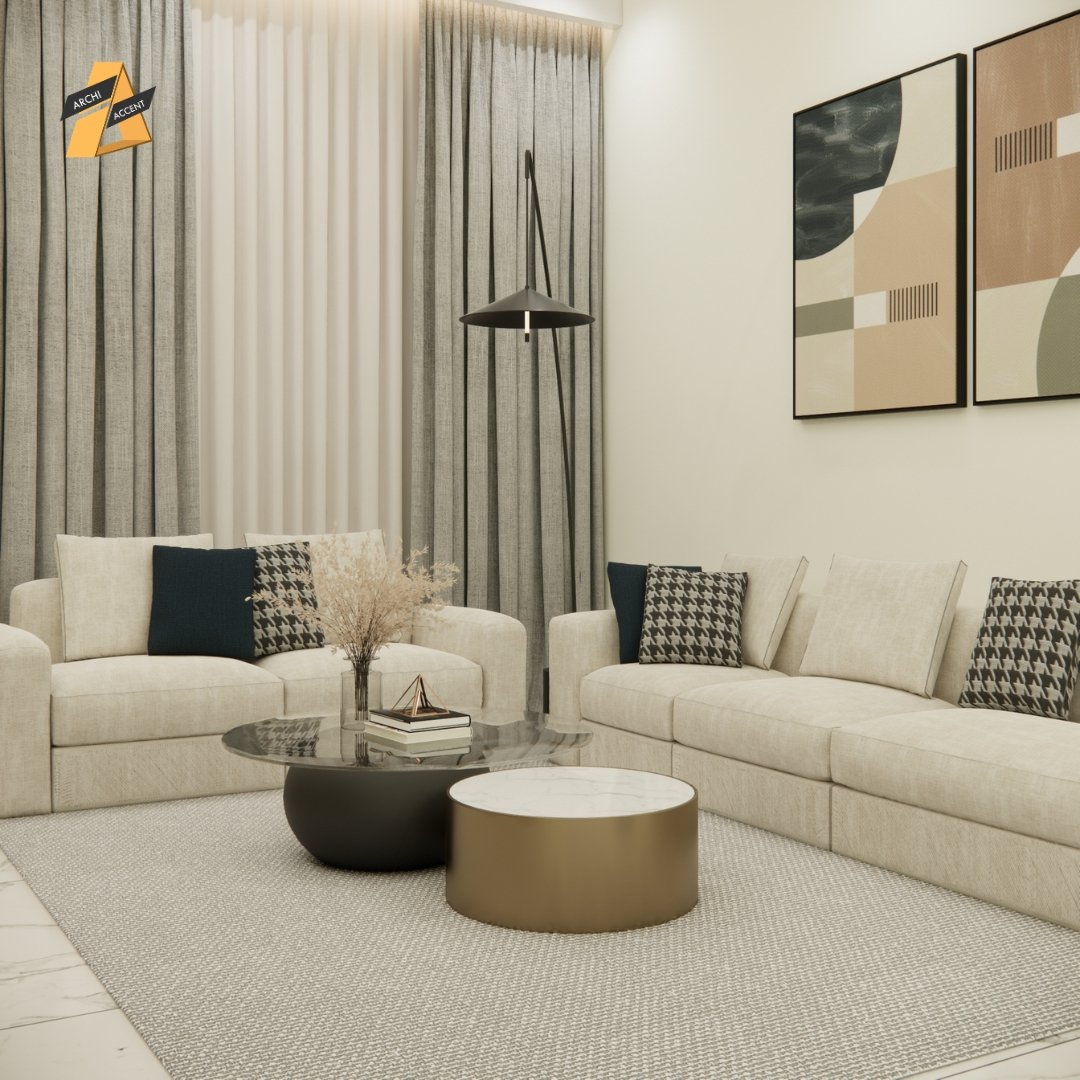
Choosing an interior design company is a major decision. After all, you’re investing in your home, your comfort, and your money. Therefore, comparing companies based on more than just price can help you make a better choice. Before making a decision, look at their experience, portfolio, services, communication, materials, and approach to personalized design. Look at Their Portfolio First, explore the company’s previous projects. A portfolio can show you: However, don’t only look for beautiful pictures. Try to see whether the company has experience with projects similar to yours. Compare Their Services Different companies offer different levels of service. For example, one firm may only provide design, while another may handle design, material selection, construction, furniture, and site supervision. Therefore, compare exactly what each company includes before comparing prices. Ask About Their Process A professional company should have a clear process. Ask how they handle: As a result, you’ll have a better idea of what to expect throughout the project. Don’t Choose Based on Price Alone Price is important, but it shouldn’t be your only deciding factor. A lower quote may exclude certain services or use different materials. Meanwhile, a higher quote may include additional services, better materials, or more detailed project management. So, compare what you’re actually getting for the price rather than comparing numbers alone. Check Material Quality Materials have a major impact on durability and appearance. Ask each company: Most importantly, make sure the quoted materials match the quality you expect. Evaluate Communication Good communication can make an interior project much easier. Notice whether the company: After all, even a talented designer may not be the right choice if communication is difficult. Ask About Site Supervision Design and construction need to work together. Therefore, ask who will monitor the site and how frequently the team will check the work. Proper supervision can help maintain design accuracy, workmanship, measurements, and finishing quality. Look for Personalized Design Not every home needs the same solution. A good interior company should understand your lifestyle, preferences, family requirements, and budget before creating the design. At Archi Accent, we focus on personalized design rather than simply applying a standard template to every project. In addition, our personality assessment helps us understand your preferences and create a design that feels more personal to you. Ask About Changes and Extra Costs Changes can happen during an interior project. However, you should understand how the company handles them. Ask: This way, you can avoid confusion later. Check Reviews and Client Experience Reviews can provide useful insight into how a company works with clients. Look beyond comments about design and check whether clients mention: However, consider multiple reviews rather than relying on a single opinion. Compare the Contract Before signing, carefully compare the terms provided by different companies. Look for details about: If something isn’t clear, ask before signing. A Simple Comparison Checklist Before choosing an interior design company, compare: What to Compare Questions to Ask Portfolio Have they completed similar projects? Services What exactly is included? Materials What quality and specifications do they offer? Design Is it personalized to your needs? Supervision Who manages the site? Communication How will they keep you updated? Cost What does the quoted price include? Timeline When will the project be completed? Contract Are the terms clearly documented? Why Archi Accent Takes a Personalized Approach At Archi Accent, we believe the right interior begins with understanding the client. Our personalized design approach considers your lifestyle, personality, preferences, space, budget, and practical requirements. Then, we translate those insights into a design and execution plan suited to your home. Our personality assessment also helps us understand your design preferences before the design process begins. When you compare interior design companies, don’t simply choose the cheapest quote or the most attractive portfolio. Instead, consider the complete experience—from consultation and design to materials, construction, supervision, communication, and final delivery. The right company should understand what you need and explain how they can deliver it. At Archi Accent, we combine personalized design, careful planning, and project execution to create interiors designed around the people who live in them.
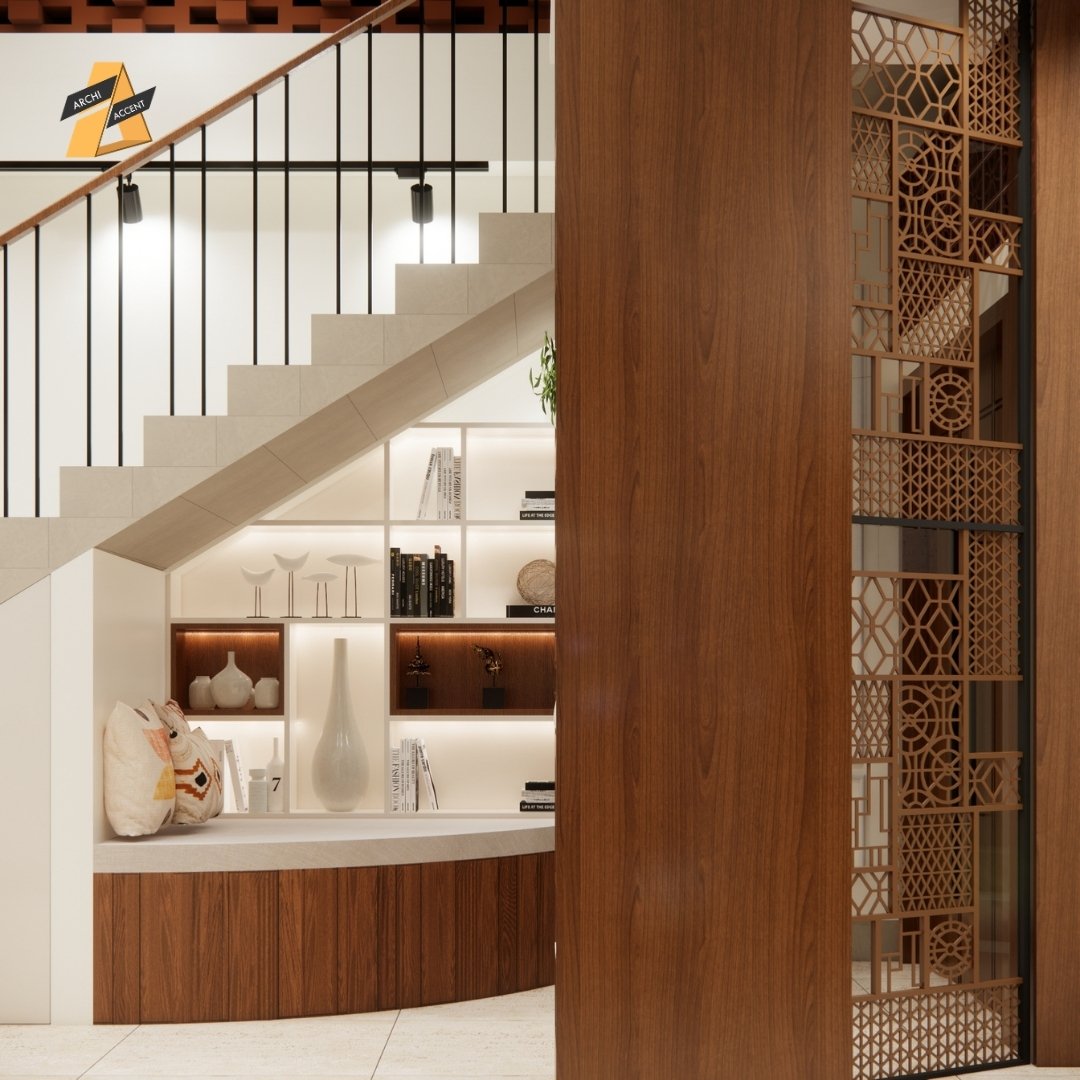
Hiring an interior designer is about more than choosing someone with a beautiful portfolio. More importantly, your designer should understand how you live, what you need, and what you expect from your home. When an interior designer understands your needs, the final design becomes more practical, comfortable, and personal. At Archi Accent, we believe this understanding should come before the design itself. They Ask About Your Lifestyle A good designer doesn’t immediately start discussing colors and furniture. Instead, they ask questions about your everyday life. For example: By asking these questions, a designer can create solutions based on your actual lifestyle. They Listen Before They Suggest Listening is just as important as design expertise. If you explain that you need more storage, a designer should understand why you need it before recommending a solution. Similarly, if you prefer a minimalist interior, they should understand what minimalism means to you rather than simply showing you a standard minimalist template. They Ask About Your Budget Your budget is an important part of your requirements. A designer who understands your needs should discuss your budget early. As a result, they can recommend materials, furniture, and finishes that fit your priorities without creating unrealistic expectations. At Archi Accent, we consider budget alongside lifestyle and design preferences as part of our personalized design approach. They Don’t Force Trends on You Trends can provide inspiration. However, your home shouldn’t look like a copy of something you saw online unless that’s genuinely what you want. A designer should explain different options and help you choose what works for your lifestyle. Ultimately, your home should reflect you—not simply the latest trend. They Remember the Details You Share Pay attention to whether your designer remembers your requirements throughout the process. For example, if you previously mentioned that you need a quiet workspace or additional kitchen storage, those requirements should appear in the design discussion later. This shows that the designer isn’t simply following a template. They Explain Their Decisions A good designer should be able to explain why they recommend something. For instance, they might explain why a particular material suits your lifestyle or why a certain furniture arrangement improves movement through the room. Therefore, don’t hesitate to ask questions. A designer who understands your needs should be comfortable explaining their reasoning. They Offer Solutions, Not Just Ideas Interior design isn’t only about making a mood board. A professional should think about practical issues such as: As a result, the design should work in real life, not just look good in a 3D visualization. They Adapt the Design to You Every home and homeowner is different. A family with children may need durable materials and flexible storage. Meanwhile, someone living alone may prioritize a different layout and atmosphere. This is why personalized design matters. At Archi Accent, we don’t believe one design solution works for everyone. We consider your personality, lifestyle, preferences, and requirements before developing the interior. Personality Can Influence Design Your personality can also influence the kind of environment you feel comfortable in. That’s why Archi Accent uses a personality assessment as part of understanding clients. The assessment helps explore your preferences and provides useful insight into the type of interior that may suit you. Then, we use those insights alongside your practical requirements to develop a more personalized design. They Welcome Your Feedback Interior design is a collaborative process. You should feel comfortable saying what you like, what you don’t like, and what you want to change. At the same time, your designer should explain how a requested change might affect the budget, timeline, or overall design. Open communication helps both sides make better decisions. A Simple Test Before choosing an interior designer, ask yourself: ☐ Did they listen to my requirements?☐ Did they ask about my lifestyle?☐ Did they understand my budget?☐ Did they offer practical solutions?☐ Did they explain their recommendations?☐ Did they adapt ideas to my preferences?☐ Did I feel comfortable sharing my opinions? If most of your answers are yes, you’re likely working with someone who is genuinely trying to understand your needs. How Archi Accent Approaches Your Needs At Archi Accent, we believe the first step in good interior design is understanding the client. Our personalized design process considers your lifestyle, personality, preferences, budget, and practical requirements. In addition, our personality assessment helps us understand your design preferences before we begin developing your interior. The goal isn’t simply to create a beautiful space. Instead, we aim to create a home that makes sense for the person or family living in it. A good interior designer doesn’t just design a space—they understand the person behind it. Therefore, look for a designer who listens carefully, asks meaningful questions, respects your budget, explains their decisions, and adapts the design to your lifestyle. At Archi Accent, we believe every home deserves personalized design. By understanding you first, we can create an interior that feels comfortable, functional, and genuinely yours.
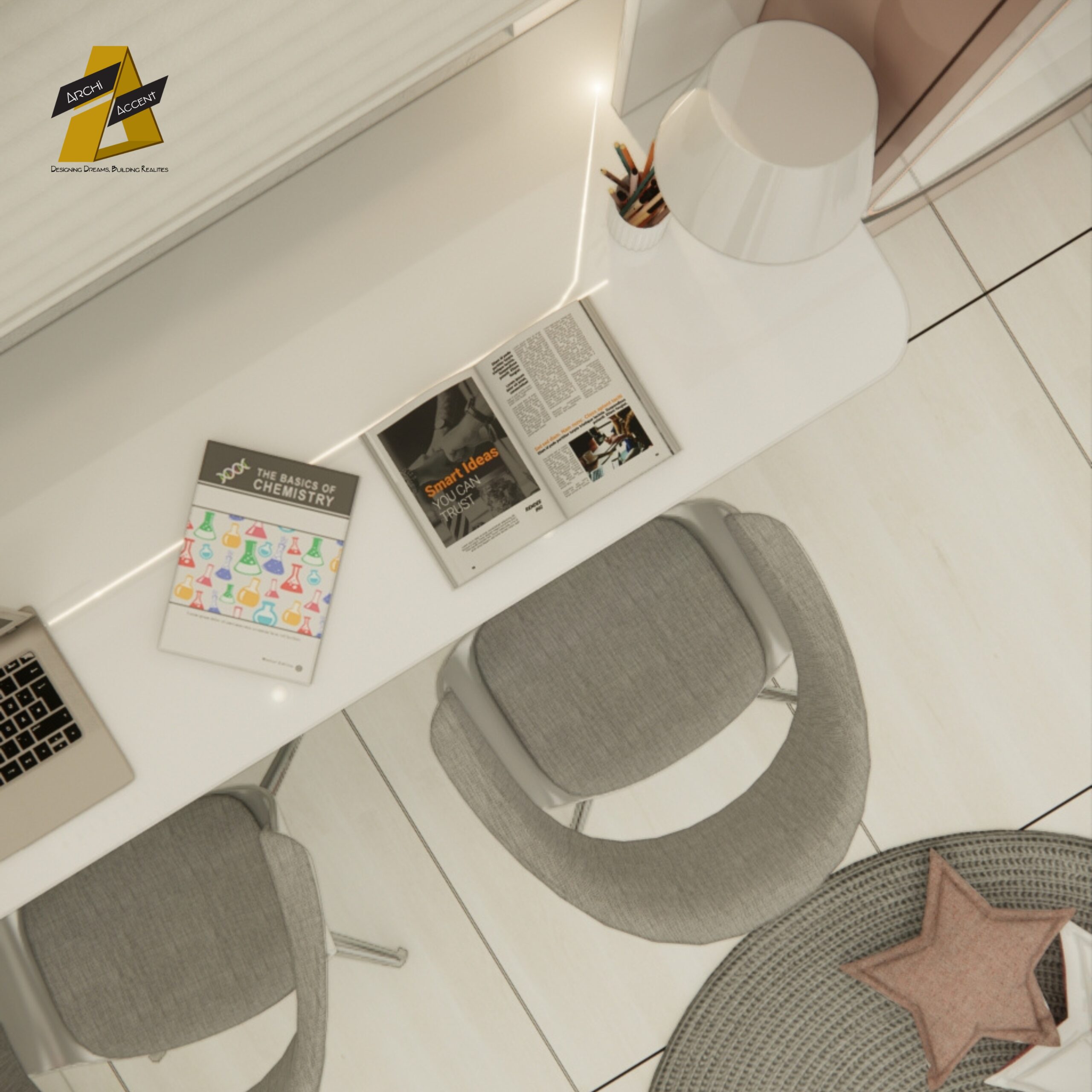
Working from home has changed how many people use their living spaces. A dining table may become a temporary desk, while a quiet corner may turn into a meeting space. Therefore, thoughtful work from home interior design can make your home more comfortable and productive. At Archi Accent, we believe a home office should fit naturally into your lifestyle. Through personalized design, we create spaces that balance work requirements with the comfort of everyday home life. Choose the Right Location First, decide where your workspace should be. If you have a separate room, you can create a dedicated home office. However, you don’t necessarily need an entire room. A quiet corner of a bedroom, living room, or hallway can also work with the right planning. Try to choose an area with: Prioritize a Comfortable Workstation Your desk and chair will probably be the most frequently used elements in your workspace. Therefore, choose furniture that provides enough space for your computer, documents, and other essentials. At the same time, avoid making the workstation unnecessarily large. A properly sized desk can help preserve valuable floor space. Plan Your Lighting Good lighting makes a workspace more comfortable. Natural light can make the area feel brighter during the day. Meanwhile, a dedicated desk lamp or well-planned ceiling lighting can support work after sunset. Try to position your desk so that direct sunlight doesn’t create distracting reflections on your screen. Create Enough Storage Work-from-home spaces often need more storage than homeowners initially expect. You may need space for: Instead of adding multiple storage units later, consider built-in shelves, drawers, or cabinets during the design stage. This keeps the workspace organized without making the room feel crowded. Keep Work and Personal Life Separate One challenge of working from home is creating a clear distinction between work time and personal time. For example, a dedicated workspace can help you mentally separate your professional activities from your living areas. If you don’t have a separate room, use furniture, shelving, lighting, or a different wall finish to visually define the workspace. Think About Video Calls Video meetings have become a normal part of many work-from-home routines. Therefore, consider what will appear behind you during calls. A simple wall, bookshelf, artwork, or carefully planned background can create a clean appearance without requiring an elaborate setup. Plan Electrical Points Early A home office can require several connections for: As a result, electrical planning should happen before construction or furniture installation. Proper placement can also reduce visible cables and keep the workspace organized. Don’t Forget Ventilation A comfortable workspace needs good airflow, particularly in Bangladesh’s warm climate. Therefore, consider windows, fans, air conditioning, and furniture placement together. Avoid blocking important airflow paths with large cabinets or furniture. Make the Workspace Match Your Home Your home office doesn’t need to look completely separate from the rest of your interior. Instead, use similar colors, materials, and finishes so the workspace feels like part of the overall home. At Archi Accent, our personalized design approach allows us to integrate workspaces into the existing interior style rather than treating them as an afterthought. Plan for More Than Work A good home office should remain useful when you’re not working. For example, additional shelving can hold books, while a comfortable chair can create a reading corner. A flexible desk can also serve different purposes when needed. This approach helps you get more value from the available space. How Archi Accent Creates Work-From-Home Spaces At Archi Accent, we start by understanding how you actually work. We consider: Then, we bring these elements together through personalized design to create a workspace that supports both productivity and everyday comfort. A successful work from home interior design should do more than provide a desk. It should create a comfortable, organized, and practical environment that fits naturally into your home. With thoughtful planning, you can create a dedicated workspace even without a large separate office. At Archi Accent, we use personalized design to understand your work habits and lifestyle before planning your space. As a result, your home can support your professional needs without compromising the comfort and character of the rest of your interior.
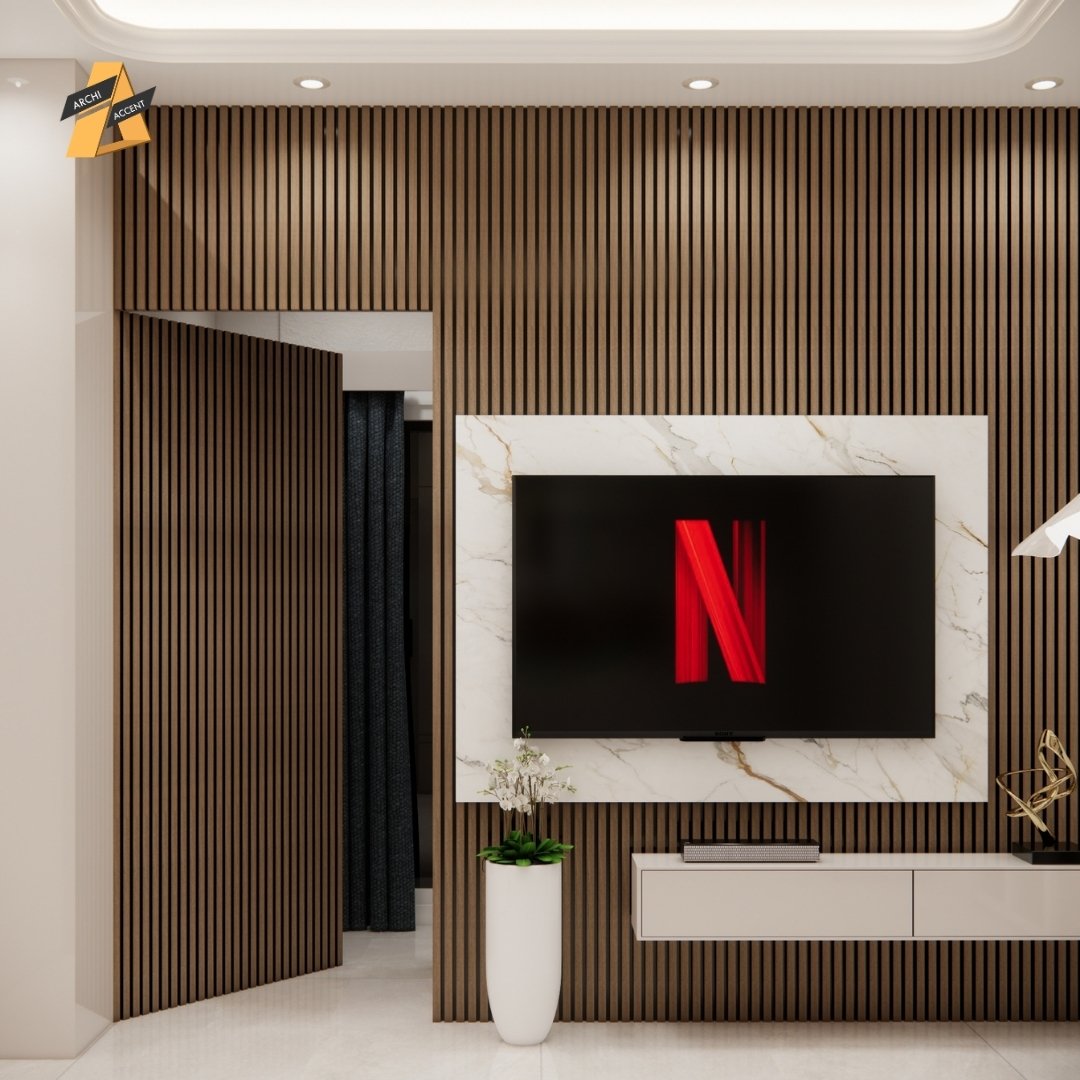
Changes during an interior project are sometimes unavoidable. A site condition may be different from the original plan, or you may decide that a particular material, color, or furniture detail no longer suits your needs. However, making changes without proper communication can create delays, extra costs, and confusion. Therefore, knowing how to manage interior construction changes is important for both homeowners and design teams. At Archi Accent, we use a personalized design approach to understand your requirements early and reduce unnecessary changes during construction. Why Do Changes Happen During Construction? First, it’s important to understand that not every change means something went wrong. Changes can happen because: For example, a cabinet design may need adjustment after the team discovers an unexpected site condition. Think Before You Approve a Change Before making a change, consider its impact on the entire project. Ask: By considering these questions first, you can avoid making a small change that creates several larger problems. Communicate Changes Clearly Clear communication is essential. Instead of giving instructions informally, discuss the change with your designer or project team and make sure everyone understands what needs to happen. For example, if you want to change a cabinet finish, confirm the exact material, color, and cost before production begins. This keeps the client, designer, and site team on the same page. Understand the Cost Impact Not every change costs the same. A small decorative adjustment may have little financial impact. On the other hand, changing furniture dimensions, materials, electrical points, or completed construction work can cost significantly more. Therefore, always ask for the additional cost before approving a change. Consider the Timeline Changes can also affect your project schedule. For instance, if a selected material needs to be reordered, the installation team may have to wait. Similarly, changing one part of the design can sometimes affect several other stages. As a result, discuss the timeline impact before confirming the change. Avoid Changes After Production Begins The earlier you make a decision, the easier it usually is to implement. For example, changing the design of a wardrobe before production is much simpler than changing it after the materials have already been cut. Therefore, try to finalize important decisions before construction and production begin. Let Your Designer Explain the Alternatives Sometimes you may want a change without realizing its impact on the overall design. Your interior designer can explain how different options may affect the space. At Archi Accent, we discuss alternatives with clients so they can make informed decisions while keeping the overall personalized design consistent. Keep the Original Design in Mind Every element of an interior should work together. If you change one material, color, or furniture piece, consider whether it still matches the rest of the space. For example, changing a cabinet finish can affect how the flooring, wall colors, handles, and other furniture elements look together. Therefore, evaluate changes as part of the complete interior rather than as isolated decisions. How Archi Accent Manages Interior Construction Changes At Archi Accent, our process focuses on planning and communication from the beginning. When a change becomes necessary, we consider: Then, we work toward a solution that protects both the design and the client’s priorities. Our personalized design approach also helps us understand your preferences before construction begins, which can reduce unnecessary revisions later. What Clients Should Ask Before Approving a Change Before saying yes to a change, ask: ☐ What will this change cost?☐ Will it affect the timeline?☐ Will other parts of the design need to change?☐ Is the new material available?☐ Has production already started?☐ Will the change improve functionality or appearance? Most importantly, make sure you understand the consequences before approving the change. Interior construction changes don’t have to become a major problem. With clear communication, early decision-making, and proper coordination, many changes can be handled smoothly. However, the best approach is to minimize unnecessary changes by planning carefully before construction begins. At Archi Accent, we combine careful planning, project coordination, and personalized design to help clients make confident decisions and create interiors that match both their vision and everyday needs.
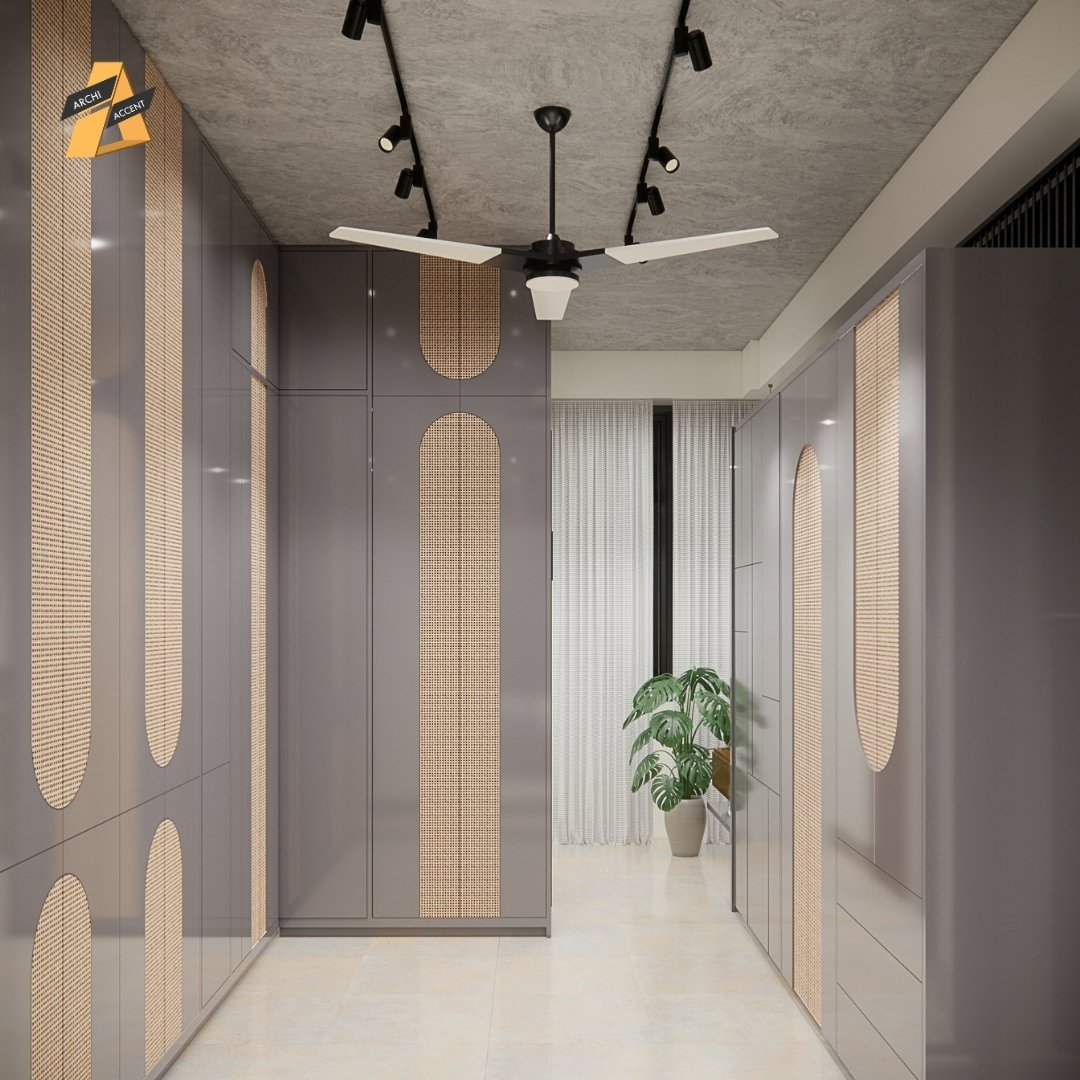
Choosing cheaper materials can seem like an easy way to reduce your interior design budget. However, the lowest upfront price doesn’t always mean the lowest overall cost. Cheap interior materials may require more maintenance, repairs, or replacement over time. Therefore, homeowners should consider durability and long-term value before making a decision. At Archi Accent, our personalized design approach considers your budget, lifestyle, usage, and long-term needs when recommending materials. The Cheapest Option Isn’t Always the Best Option When comparing materials, it’s natural to look at the price first. However, price is only one part of the decision. A material should also be evaluated based on: As a result, spending slightly more initially can sometimes provide better value over the years. Frequent Repairs Can Increase Your Costs Lower-quality materials may show signs of wear sooner, especially in areas that receive frequent use. For example, kitchen cabinets, wardrobes, flooring, and bathroom surfaces experience regular contact and movement. If these materials require frequent repairs, the additional labor and replacement costs can gradually add up. Replacement Can Cost More Than Prevention A material that needs replacement after a short period can become more expensive than a durable alternative that lasts much longer. For example, replacing an entire cabinet door or countertop doesn’t only involve buying a new material. You may also need to pay for labor, transportation, removal, and installation. Therefore, it’s important to consider the total cost over time, rather than just the initial purchase price. Cheap Materials May Affect the Overall Look Interior design depends on how different materials work together. A low-quality finish may look noticeably different from the original design concept. Consequently, even an otherwise well-planned interior can lose some of its visual consistency. Quality materials can help maintain the intended appearance for longer. Bangladesh’s Climate Makes Material Selection Important Bangladesh’s heat and humidity can affect certain interior materials. For areas such as kitchens, bathrooms, and other moisture-prone spaces, homeowners should pay particular attention to material suitability. For this reason, choosing materials based on the environment and usage can be more important than simply choosing the cheapest available option. Not Every Expensive Material Is Necessary Choosing quality doesn’t mean choosing the most expensive material for everything. Instead, prioritize materials based on where they will have the greatest impact. For example, you may want to prioritize durability for: Meanwhile, you can choose more budget-friendly options for elements that are easier to replace. Think About Maintenance A material may look affordable initially but require considerable maintenance. Therefore, ask yourself: These questions can help you make a more informed decision. Your Budget Should Guide the Choices A good interior project isn’t about spending the most money. It’s about spending your budget wisely. At Archi Accent, our personalized design process considers your priorities and budget before selecting materials. For example, if durability is your priority, we can focus more of the budget on high-use areas while choosing practical alternatives elsewhere. Personalized Design Helps You Spend Smarter Every homeowner has different needs. A family with children may prioritize durable surfaces, while someone living alone may have different requirements. Similarly, a frequently used kitchen needs different material considerations from a guest room. That’s why personalized design matters. At Archi Accent, we consider your lifestyle and how you use each space before recommending materials. The goal isn’t simply to choose expensive products; it’s to find the right balance between quality, cost, appearance, and long-term value. Questions to Ask Before Choosing a Material Before selecting an inexpensive option, ask: Ultimately, these questions can help you avoid decisions based only on the initial price. Cheap interior materials can sometimes help reduce your initial budget. However, if they require frequent repairs, maintenance, or replacement, they may cost more in the long run. The smarter approach is to consider value rather than price alone. At Archi Accent, we use personalized design to understand each client’s lifestyle, priorities, and budget. By selecting materials according to how and where they will be used, we help create interiors that balance aesthetics, practicality, durability, and long-term value.
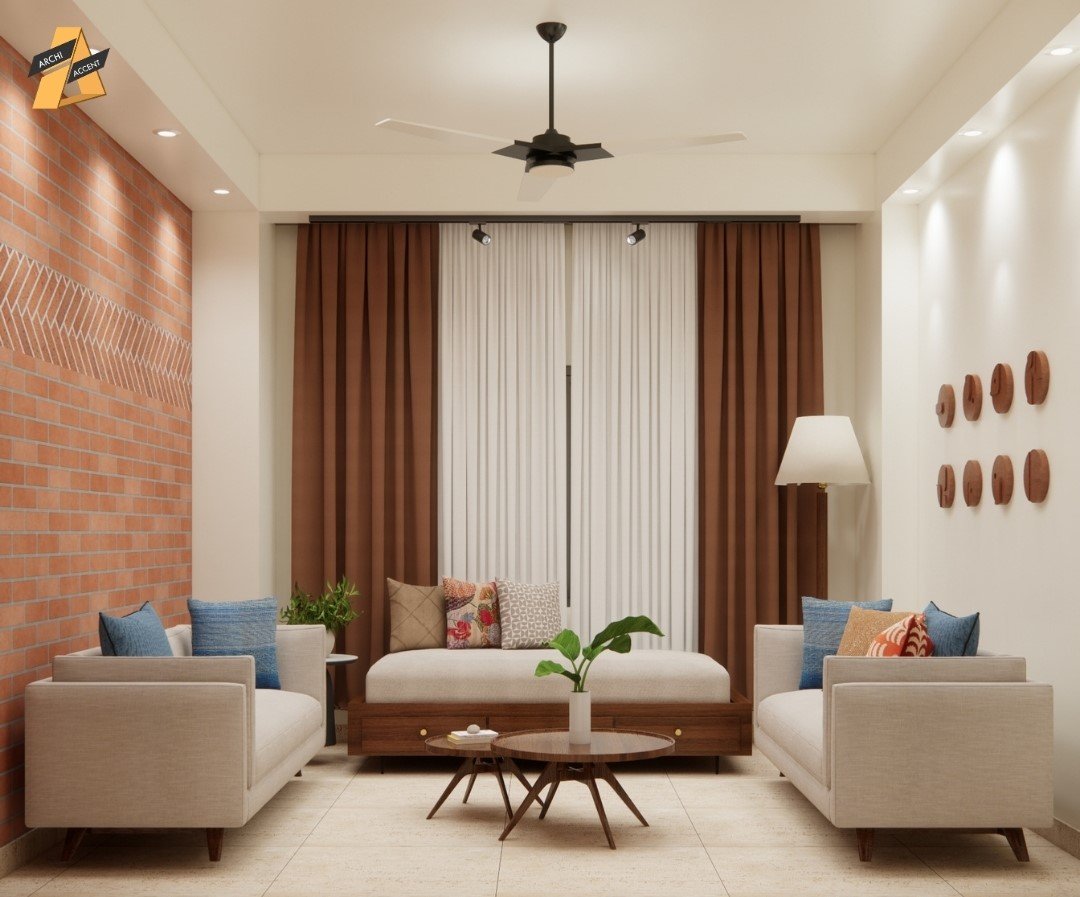
Interior trends come and go. One year, minimalist spaces may be everywhere; the next, bold colors or statement furniture may take over. However, your home needs to work for you long after a trend has disappeared. That’s why lifestyle-based interior design focuses on how you actually live rather than simply copying what’s popular. At Archi Accent, we believe a beautiful home should also be comfortable, practical, and personal. Through our personalized design approach, we consider your lifestyle before choosing styles, materials, colors, and furniture. Trends Don’t Work the Same for Everyone A design that looks beautiful in a magazine may not suit your home. For example, an open shelf kitchen may look stylish, but it may not work well for a family that wants everything stored away. Similarly, a minimalist living room may look elegant but might not provide enough seating for a family that regularly hosts guests. Therefore, the best design isn’t necessarily the most fashionable one. It’s the one that fits your everyday life. Your Daily Routine Should Influence Your Design Think about how you actually use your home. Do you: These details should influence your interior decisions. For example, someone who works from home may need a dedicated workspace, while someone who loves entertaining may prioritize comfortable seating and an inviting dining area. Function Should Come Before Fashion A home should make everyday tasks easier. For instance, a beautiful kitchen isn’t useful if it doesn’t provide enough counter space. Likewise, an attractive wardrobe isn’t practical if it doesn’t offer enough storage for your belongings. This is where lifestyle-based interior design becomes important. Designers can use your daily habits to determine what your home actually needs. Your Family’s Needs Matter Your household also affects your design choices. A couple may have different requirements from a family with children or elderly parents. As your family changes, your home may need to accommodate new requirements. Therefore, thinking beyond current trends can help you create a space that remains useful for longer. Don’t Choose Materials Just Because They’re Trending Trending materials can look appealing, but appearance isn’t the only consideration. You should also think about: At Archi Accent, material selection forms part of our personalized design process. We consider how you use your home before recommending materials and finishes. Your Personality Should Influence Your Home Your home should feel like yours. Some people prefer calm and minimal spaces. Others enjoy bold colors, decorative details, or luxurious finishes. There isn’t one correct interior style. That’s why Archi Accent uses a personality assessment to understand clients’ preferences and help create a more personalized design. You can find the assessment on our website before beginning your design journey. Trends Can Be Added in Small Ways Choosing a timeless foundation doesn’t mean you have to ignore trends completely. Instead, use trends in elements that are easier to replace, such as: This way, you can refresh your home without completely redesigning it whenever a trend changes. Personalized Design Creates More Meaningful Homes A home designed around your lifestyle can feel more comfortable because every decision has a purpose. Your storage reflects your belongings. Your furniture supports your routine. Your lighting suits your activities. Your colors reflect your preferences. As a result, the interior becomes more than a collection of fashionable elements. It becomes a space designed around you. How Archi Accent Approaches Interior Design At Archi Accent, we don’t believe in giving every client the same design formula. Our personalized design process considers: Then, we translate these insights into a design that balances aesthetics with functionality. Interior trends can provide inspiration, but they shouldn’t determine how you live. Lifestyle-based interior design puts your comfort, habits, personality, and practical needs first. As a result, your home can remain functional and meaningful even when today’s trends become outdated. At Archi Accent, we believe the best interiors don’t simply follow trends. They reflect the people who live in them. Through personalized design and our personality assessment, we help create spaces that feel genuinely yours.
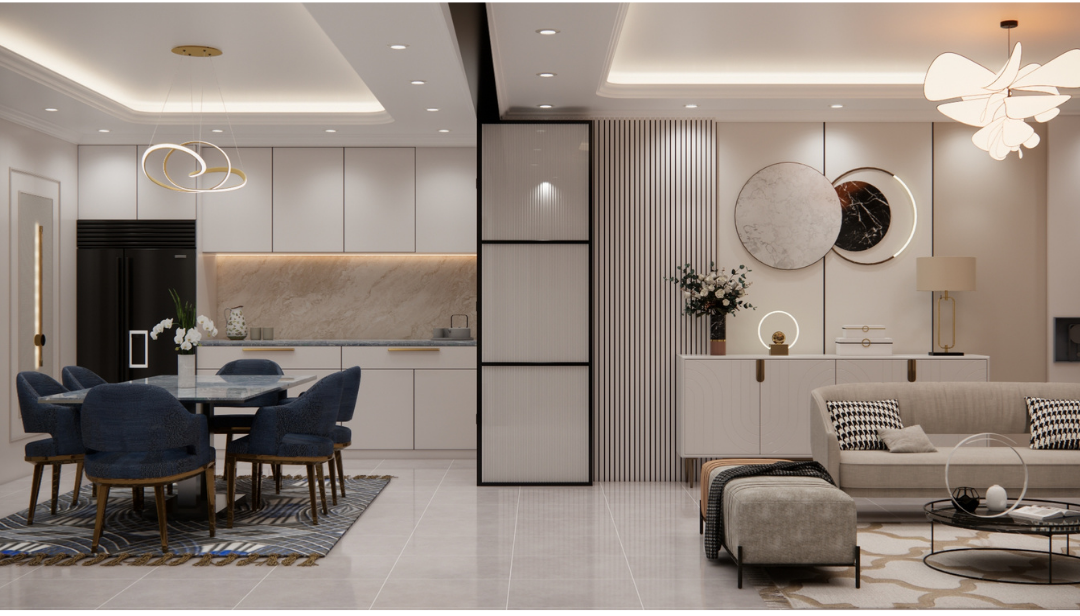
A beautiful interior design is only the beginning. However, the final result depends on how well the design and construction teams work together. This is why design and construction coordination plays such an important role in an interior project. When everyone follows the same plan, the project can move smoothly from concept to completion. On the other hand, poor coordination can lead to incorrect measurements, delays, material waste, unexpected costs, and a final result that doesn’t match the approved design. At Archi Accent, we connect our personalized design process with careful planning and project coordination to help clients achieve a smoother interior experience. What Is Design and Construction Coordination? Design and construction coordination means keeping the design plan and site work connected throughout the project. For example, the design team may need to coordinate: When these elements work together, each team understands what to do and when to do it. What Happens When Coordination Is Poor? 1. The Final Design May Look Different A designer may create a specific cabinet, wall panel, or lighting arrangement. However, if the site team doesn’t follow the approved dimensions and details, the finished result can look very different. Clear communication helps everyone understand the original design before construction begins. 2. Measurement Errors Can Cause Problems Accurate measurements form the foundation of good interior work. For example, an incorrect measurement can affect: As a result, one small measurement error can create several problems later. 3. Electrical Points May End Up in the Wrong Place Electrical planning should happen alongside furniture and space planning. For instance, a socket could end up behind a wardrobe, or a switch could become difficult to access after furniture installation. Therefore, designers and site teams need to coordinate electrical points before construction reaches that stage. 4. Construction Can Take Longer Interior projects involve several teams, including carpenters, electricians, painters, plumbers, and installers. Meanwhile, each team depends on the previous stage being completed correctly. If one team faces a problem, it can delay the next stage. Proper coordination keeps the work moving in the right sequence. 5. Project Costs Can Increase Poor coordination often creates rework. For example, the team may need to move an electrical point, modify furniture, replace materials, or repair a finished surface. Consequently, the homeowner may face additional labor and material costs that better planning could have prevented. 6. Material Waste Can Increase Incorrect measurements and last-minute changes can cause unnecessary material waste. For example, a cabinet panel may need to be replaced because the original measurement didn’t match the actual site condition. Therefore, checking measurements and specifications before production can help reduce waste and additional expenses. 7. Different Elements May Not Match An interior works best when all its elements feel connected. However, poor coordination can create problems with: As a result, individual elements may look good on their own but fail to create a cohesive interior. Why Site Supervision Matters Good coordination doesn’t stop after the design is approved. The team also needs to monitor what happens at the site. For example, site supervision can help check: Most importantly, regular supervision allows the team to identify problems before they become expensive to fix. How Archi Accent Connects Design and Construction At Archi Accent, we believe design should remain connected to execution from the beginning. Our process can include: Each stage supports the next one. Therefore, the project can move forward with greater clarity and fewer unnecessary changes. Why Personalized Design Needs Proper Coordination Every personalized design is created around a particular client’s lifestyle, preferences, and requirements. For example, your home may need additional storage, a dedicated workspace, specific lighting, or custom furniture. These decisions only add value when the construction team executes them correctly. That’s why Archi Accent connects personalized design with project coordination and site supervision. Our goal is to make sure the finished space reflects the design you approved. What Clients Should Ask Before Starting Before hiring an interior design firm, ask how the company manages coordination. You can ask: In addition, ask how the company keeps you updated throughout the project. Clear answers can help you understand what to expect before construction begins. How Better Coordination Benefits Homeowners When design and construction teams communicate properly, homeowners can benefit from: Ultimately, good coordination creates a smoother experience for both the design team and the client. Design and construction coordination can make a major difference to the success of an interior project. Without proper coordination, even an excellent design can face measurement problems, delays, material waste, additional costs, and inconsistent finishing. On the other hand, clear communication, careful planning, and regular site supervision help keep the project on track. At Archi Accent, we combine personalized design, design coordination, and site supervision to help turn your ideas into a finished interior that looks right, functions well, and suits the way you live.