Understanding the value of paying for design consultancy helps you see beyond the upfront cost. When you hire a designer or consultant and compensate them fairly, you’re not just paying for drawings—you’re paying for expertise, strategy, and long-term benefits that directly impact the quality of your space. A properly paid consultant can dedicate their full attention to your project without being restricted by profit-driven shortcuts. This opens the door to better creativity, innovative solutions, and thoughtful design decisions that elevate your space aesthetically and functionally. Instead of cutting corners, they focus on delivering the best possible result. Without proper consultancy, many clients fall into common traps such as poor spatial layout, impractical design choices, and costly revisions later. Investing in professional guidance ensures that every square foot works efficiently, beautifully, and sustainably. A well-compensated designer often becomes like a trusted friend—someone who understands your lifestyle, your needs, and your long-term vision. Their priority shifts from profit to partnership, resulting in a transparent and client-focused relationship. This emotional investment leads to better communication, understanding, and design outcomes. Moreover, paying a consultant fairly allows them to focus on their passion: creating spaces that are functional, innovative, and tailored to you. Their expertise brings lasting value to your property, making your investment worthwhile for years to come.
At Archi Accent, we believe that client-focused interior design is the heart of every successful project. A space becomes meaningful only when it reflects the people who live or work in it. That’s why our process begins not with a drawing board, but with a conversation, a chance to understand your story, your taste, and your goals. Every client we meet brings something unique. Some dream of a calm, minimalist home; others want bold, modern spaces that make a statement. No matter the style, our goal remains the same, to design with you, not just for you. From the first sketch to the final detail, collaboration is key. We share every idea, update, and progress report, ensuring you’re always part of the creative journey. Our client-focused interior design approach keeps communication open, making every decision clear and stress-free. At Archi Accent, we value trust as much as aesthetics. We believe great design grows from honesty, respect, and teamwork. When a project is complete, the best reward isn’t just seeing a beautiful space, it’s seeing our clients’ happiness and knowing we brought their vision to life. Because at Archi Accent, every client truly matters and every design tells their story.
Designing a home is exciting, but it’s not always easy. Many people face problems that make their space look cluttered, dark, or uncomfortable.At Archi Accent, we believe good design should look beautiful and feel right. Here are some common issues people face and how we solve them. 1. Confused About Style Problem: Most people start designing without knowing what style they like. The result often looks mixed up and unbalanced.Our Solution: We begin every project with a personal consultation. Through our personality test on our website, we help clients discover their taste. Then we use related queries and visuals to bring it to life. 2. Poor Space Planning Problem: Furniture is often placed without a plan, making rooms feel too full or too empty.Our Solution: Our team creates smart layouts using 3D visuals. We make sure every inch is used well, so spaces look open and feel comfortable. 3. Lighting Issues Problem: Wrong lighting can make even the best designs look dull or harsh.Our Solution: We layer lighting combining ambient, task, and accent lights to create warmth, depth, and focus. Every room gets a lighting plan tailored to its purpose and mood. 4. Choosing the Wrong Colors Problem: Color can make or break a room, yet many people struggle to pick the right tones.Our Solution: We analyze natural light, room orientation, and the client’s preferences to suggest color palettes that enhance mood and match the interior theme. 5. Budget Mismanagement Problem: Overspending or underestimating costs is a common issue in design projects.Our Solution: We offer detailed cost breakdowns and help clients prioritize where to invest ensuring elegance. 6. Ignoring Functionality Problem: Sometimes, designs focus too much on looks and forget how people live in the space.Our Solution: We design homes for real life balancing beauty with practicality. Storage solutions, durable materials, and user-friendly layouts are always part of our plan. 7. Lack of Professional Guidance Problem: Others’ designs often lead to mismatched results and long-term regrets.Our Solution: With our team of highly experienced architects and interior designers, clients receive professional guidance every step of the way, from concept to completion ensuring the final outcome is cohesive, functional, and timeless. At Archi Accent, we don’t just design interiors, we design experiences. Whether it’s your dream home or a commercial space, our goal is to transform your vision into reality, beautifully and effortlessly.
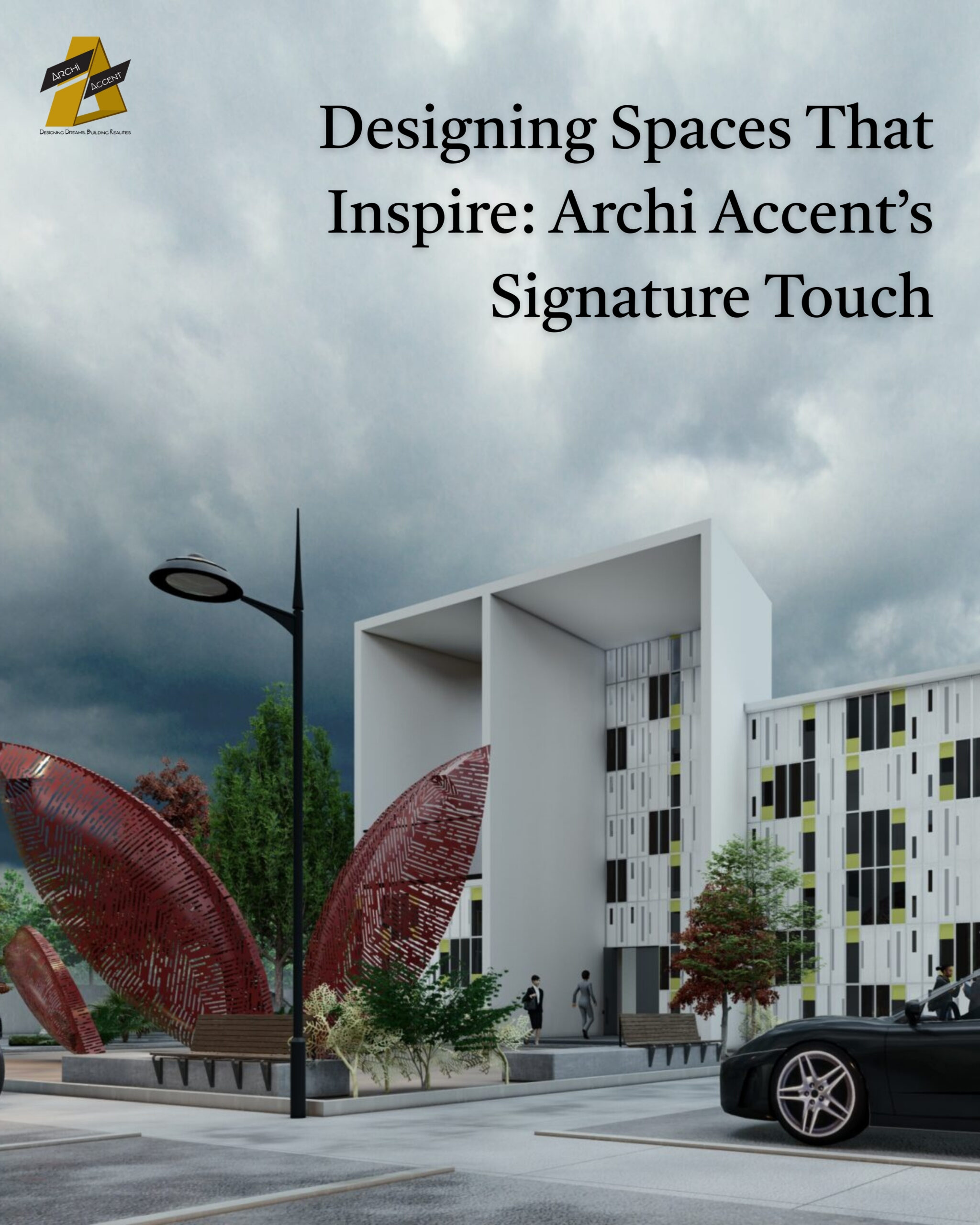
At Archi Accent, we excel in designing spaces that inspire. Our mission is to create homes and offices that are not only visually stunning but also improve your lifestyle. Every project combines modern architecture, functional design, and cultural aesthetics to create spaces that are unique, timeless, and inspiring. Archi Accent’s Signature Touch in Designing Spaces That Inspire Inspired CreativityEvery project starts with a tailored concept. We focus on spaces that inspire, combining elegance with functionality to meet your personal and professional needs. Cultural & Local Sensitivity in Inspiring SpacesWe incorporate Bangladeshi cultural elements into modern designs. This ensures that your home or office feels authentic, welcoming, and creative. Sustainable & High-Quality Materials for Inspiring SpacesDurable, eco-friendly materials are used throughout our projects. They ensure your space lasts longer while being safe and sustainable. Client-Centric Collaboration for Spaces That InspireFrom consultation to execution, we maintain transparent communication. Every decision is guided by your vision to create truly inspiring spaces. Attention to Every DetailLighting, colors, textures, and spatial flow are carefully selected. Every detail contributes to a home or office that inspires comfort and creativity. Why Choose Archi Accent for Designing Spaces That Inspire At Archi Accent, we believe a well-designed space is more than walls and furniture. It’s an experience that inspires your daily life. By choosing us, you ensure that every corner of your home or office is both beautiful and functional. Final Thoughts If you want designing spaces that inspire, Archi Accent is your trusted partner. Contact us today to bring our signature touch to your home or office. Let us create a space that reflects your vision and inspires everyone who steps inside.
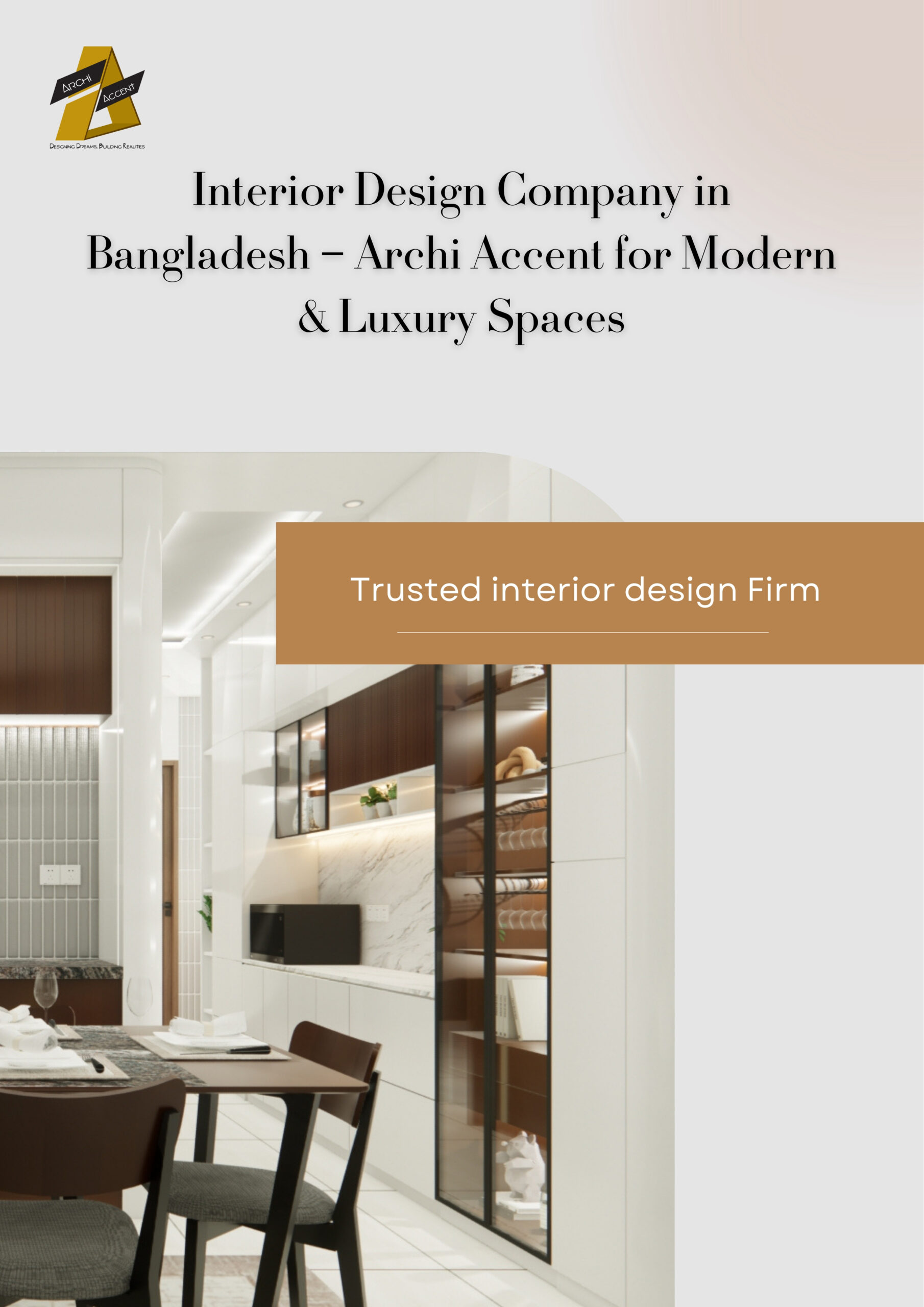
Looking for a trusted interior design company in Bangladesh to transform your home or office? Archi Accent specializes in creating modern, luxury, and functional interiors that perfectly match your lifestyle and vision. With years of experience in residential and commercial interior design, we bring your dream spaces to life. Why Archi Accent is the Top Interior Design Company in Bangladesh Our Design Philosophy for Luxury & Modern Interiors As a leading interior design firm in Bangladesh, we believe that every space should inspire, function, and elevate your life. We focus on: Services Offered by Archi Accent ✅ Residential Interior Design – Modern living rooms, bedrooms, kitchens, and more.✅ Commercial Interior Design – Offices, showrooms, cafes, and other professional spaces.✅ Architectural Planning – Innovative architectural solutions for homes and businesses.✅ Renovation & Remodeling – Transform outdated spaces into modern, functional areas. Transform Your Space with the Best Interior Design Company in Bangladesh At Archi Accent, our goal is to deliver designs that enhance your lifestyle and add lasting value. We combine creativity, professionalism, and client-focused solutions to make every space truly remarkable. Ready to redesign your home or office? Contact Archi Accent, the leading interior design company in Bangladesh, and let us bring your dream space to reality.

✦ The Heartbeat Behind a Firm Every successful architecture firm has a heartbeat, a story that fuels its vision. For Mahfuz Hossain, the Founder and CEO of Archi Accent – Architecture and Interior Design Firm, that story is built not just on design, but on deep passion, honest effort, and years of hands-on experience in architectural design, project management, and creative leadership. It’s a journey that began with curiosity and grew into a calling. ✦ A Different Beginning Mahfuz Hossain didn’t start his journey as an architect. His first steps were taken in the world of graphic design. But even as he built a strong career there, something inside him was constantly drawn toward spaces, structures, and the art of modern architectural design. That inner pull led him to pursue a degree in Architecture from Liaoning Technical University in China. The moment he stepped into that world, he knew he had found where he truly belonged and he never looked back. ✦ Gaining Experience from the Ground Up Before founding Archi Accent, Mahfuz Hossain built a strong foundation in the design and construction industry. Working as a Project Manager at Facets Design & Construction Pvt. Ltd., he gained valuable experience in project execution, team coordination, and client communication, all of which prepared him to lead his own firm with confidence and clarity. ✦ A Teacher Who Touched Lives After his field experience, Mahfuz moved into education. He joined Creative IT Institute as a faculty member in the Interior and Exterior Design department, where he taught for nearly three years. During his time there, the institute reached new heights, the institute was recognized as the Best IT Institute in South Asia. However, what made Mahfuz Hossain truly special was his connection with students. ✦ More Than a Teacher — A Mentor To his students, Mahfuz Hossain became more than just an instructor. He was a mentor, a guide, and a trusted friend. Many of his students have gone on to become successful interior designers, working in renowned firms or running their own studios. Even after finishing their courses, they continue to stay in touch with him, reaching out for advice and support. And Mahfuz is always there for them.In his own words:“They didn’t just learn from me, I grew with them too.” ✦ The Birth of Archi Accent In early 2023, Mahfuz took a bold and beautiful step he launched his own architectural and interior design studio, Archi Accent. But this was more than just a business move. It was a dream taking shape, a place where creative architecture, professionalism, and purpose could come together.With the powerful motto:“Designing Dreams, Building Realities”,Archi Accent quickly became known for its thoughtful architectural designs, smooth execution, and strong client relationships. ✦ A Leader with a Vision As both an Architect and CEO, Mahfuz Hossain leads with strong values. For him, top-notch building design quality and innovation are not optional — they are the foundation of every project. This mindset reflects in his entire team. Under his leadership, Archi Accent has become a space where creativity, discipline, and client satisfaction go hand-in-hand. The firm is growing fast, handling more residential and commercial architecture projects, and most importantly earning the trust of clients every step of the way. ✦ What Makes Archi Accent Different? Archi Accent is not just about beautiful spaces. It’s about creating human-centered design solutions that improve everyday lives. Here’s what sets the firm apart:🔷 Creative, client-focused architectural and interior design🔷 High-end 3D visualization and realistic renderings🔷 Flawless project execution and detail management🔷 Use of top-quality materials and finishes🔷 A passionate, skilled team dedicated to excellence ✦ Looking Forward For Mahfuz Hossain, this is only the beginning. His dream is to take Archi Accent to international architecture and design platforms, work on more meaningful and impactful spaces, and continue raising the standard of architecture and interior design in Bangladesh and beyond.As he puts it:“The goal isn’t to just keep up the pace. The goal is to go faster, better, and bolder.” ✦ At Last Not every path is straight. Some journeys take detours through different passions, unexpected roles, and quiet moments of learning.For Mahfuz Hossain, each chapter from designing pixels to sketching blueprints, from standing before a classroom to standing behind a vision was a step toward something greater.Today, Archi Accent stands as more than just a design firm. It is a living symbol of Mahfuz Hossain’s values, vision, and years of experience.And one thing is clear —This journey is just getting started.
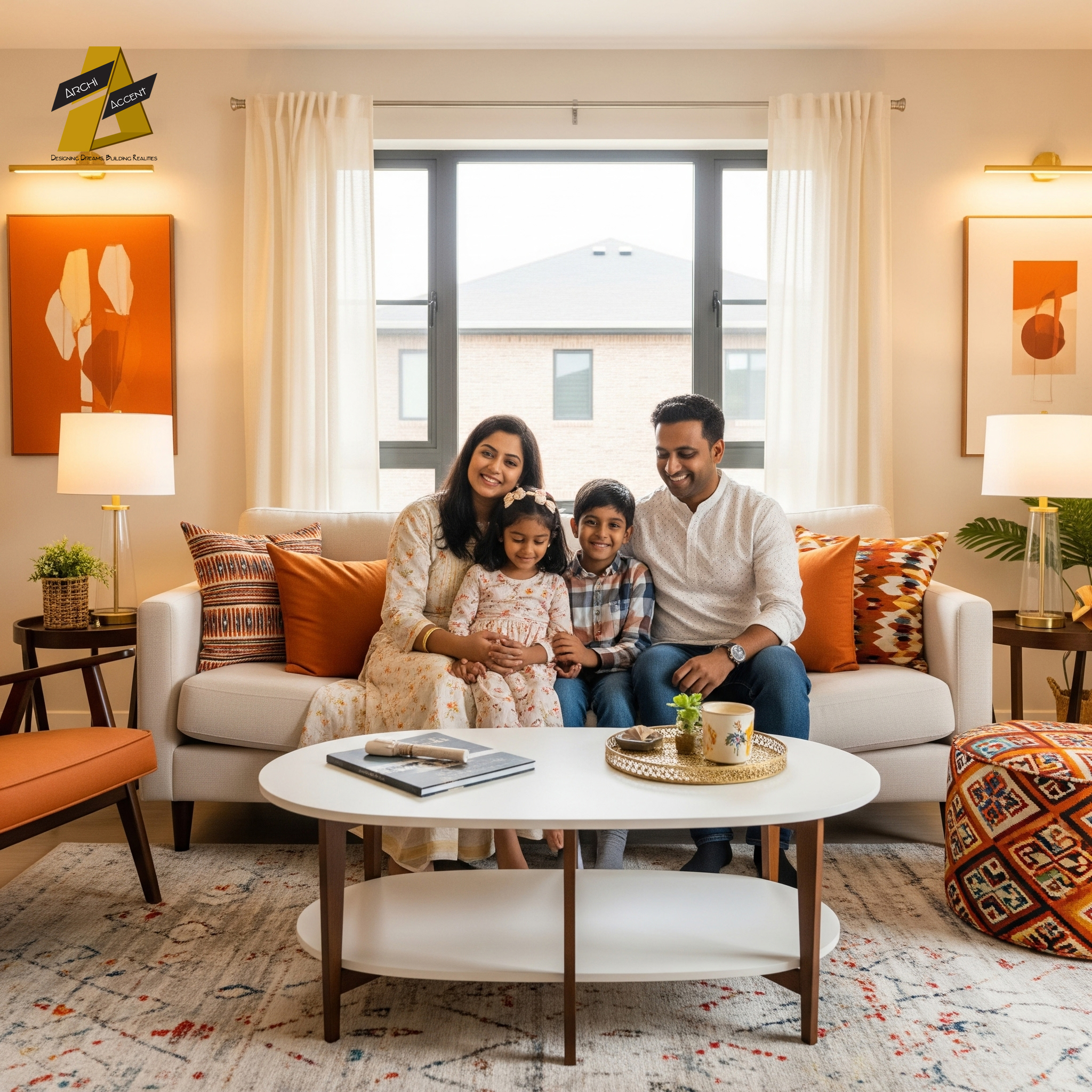
Making your home or office beautiful is a big deal. It’s where you live, relax, work, and spend time with your family. So, when you’re planning to design or decorate it, you want everything to be perfect. That’s why choosing a good interior design firm like Archi Accent is so important. Here’s why: 1. They Understand You Archi Accent listens to what you want. Whether you like modern, traditional, or something in between-they design the space to match your taste and lifestyle. 2. They Know What They’re Doing With years of experience, Archi Accent has done many successful projects. They know which designs look good and which ones are practical. You can trust their advice. 3. Beautiful and Useful Some designs only look nice but are not comfortable to live in. Archi Accent always keeps both in mind—they make your space stylish and easy to use every day. 4. Mix of Local and Modern Style They use materials, colors, and styles that fit our culture, but also add modern, trendy touches. The result? A space that feels both fresh and familiar. 5. They Stay With You Even After the Work Need to move something again? Need Renovation? Want to add something later? Archi Accent is always there to help, even after the design is complete. A good interior design can change the feel of your entire home or office. If you want peace of mind and a beautiful, smart space—go with a top firm like Archi Accent. Let the experts handle the design, while you sit back and enjoy your dream space. https://archiaccent.com/
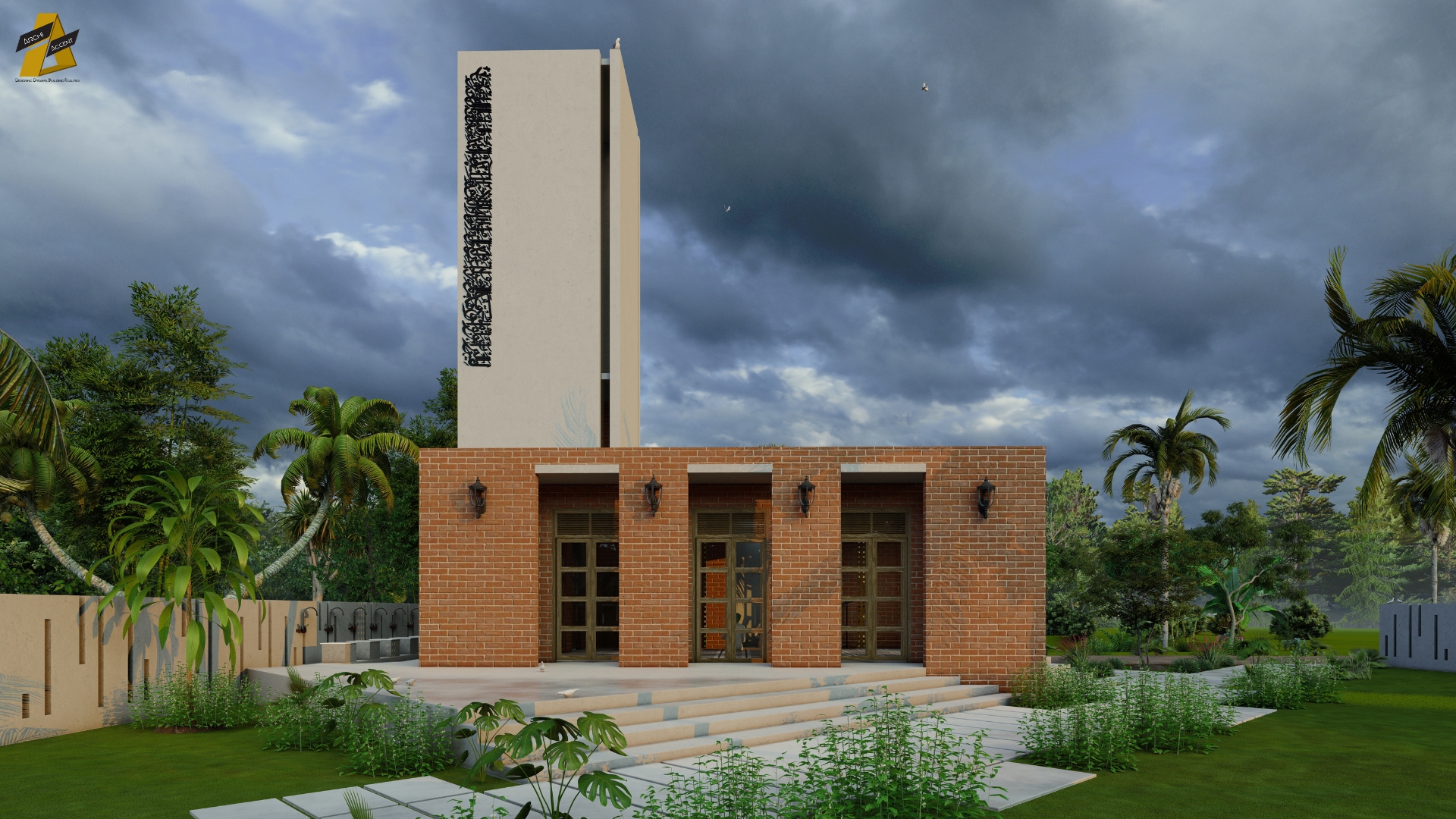
Featuring one of the top firms: Archi Accent Why design matters Interior and exterior design is not just about decoration. It’s about making your space more useful, beautiful, and comfortable. A well-designed home or office can make you feel more relaxed, more focused, and even happier. Good design helps your space match your lifestyle. Bangladesh is changing – through bold interior and exterior design innovations In the last few years, Bangladesh has seen big changes in how people design their homes and buildings. People now want stylish, modern, and smart designs. At the same time, they want to keep some local touch — something that feels like home. This is where good design firms come in. Meet Archi Accent: A top firm One of the leading names in this industry is Archi Accent. This firm is known for mixing creativity with practical ideas. Whether it’s a small apartment or a large office building, Archi Accent makes sure every detail is perfect. Here’s what makes Archi Accent special: Because of this, many people now trust Archi Accent as one of the top design firms in Bangladesh. Design is more than looks Many people think design is just about how things look. But real design is about how things work and feel. A good design can make a small room feel big, or a simple space feel luxurious. Office desk, chair, cabinets from Circlebox Furniture can give your workspace the premium and modern feel in a affordable cost And that’s exactly what Archi Accent does best — they design spaces that look good and feel better. Interior and exterior design is not a luxury anymore — it’s a need. Whether you’re building a new house, opening a shop, or just upgrading your living room, good design makes a big difference. Also Check out Top 10 Office Furniture Stores in Bangladesh (Mid-2026 Edition) And if you’re looking for a firm that understands your vision and can turn it into reality, Archi Accent is a name you can trust.

In Bangladesh, a wave of talented design firms is moving beyond fleeting trends. These creatives are shaping spaces that are not only functional but also meaningful and soulful. Their work goes far beyond aesthetics—they design with people in mind. Today, we’ll explore ten of the most inspiring interior design firms in the country. And yes, Archi Accent proudly tops the list! 1. Archi Accent – Redefining Space with Creativity and Precision Let’s start with the frontrunner. Archi Accent has established itself as a premier interior, exterior, and architectural design firm. Known for its creative strategies and eye for detail, the firm blends artistic flair with practical functionality. Whether it’s a cozy home, a professional office, or a dynamic commercial space, Archi Accent delivers thoughtful design solutions tailored to each client’s needs. Their talented team of architects and designers are praised for their professionalism, innovation, and ability to turn ideas into living, breathing spaces. Over the years, they’ve completed numerous successful projects that reflect their dedication to human-centered design. 2. Zero Inch Interior’s Ltd. – Sleek, Stylish, and Smart Next up, Zero Inch brings a modern and minimalist approach that has earned them a strong presence in Dhaka’s design scene. Their spaces are clean, elegant, and highly practical—perfect for clients who want a polished yet livable environment. 3. Studio Dhaka – Where Bold Meets Beautiful Studio Dhaka is all about unique expressions. With their fearless approach to materials, forms, and layouts, they’ve contributed to some of the city’s most iconic spaces. Their designs reflect creativity that dares to break the mold. 4. Vast Interior – Function First, Always Focused on usability and efficiency, Vast Interior is perfect for those who want interiors that serve a clear purpose. From smart office setups to cozy homes, they make sure your space works for you. 5. Inspace Architects – Making Flow Feel Natural Inspace Architects excels in spatial storytelling. Even in compact layouts, their designs feel open, airy, and organic. Their talent lies in creating spaces that feel intuitive and refreshing. 6. Interior Studio – Timeless Elegance for Every Setting For families and businesses that appreciate classic charm, Interior Studio is a go-to name. Their designs balance comfort and visual appeal, crafting environments that feel both familiar and inspiring. 7. Formed Architects – Daring Designs That Speak If you’re looking for bold statements, Formed Architects has you covered. Especially popular in the commercial sector, their work turns everyday spaces into visual landmarks. 8. Trikon Architects – Nature-Inspired, People-Focused Trikon approaches design with a mindful touch. Their work often brings the outside in, connecting interior environments with nature while keeping human experience at the heart of it all. 9. Studio Morphogenesis – Future-Focused and Artistic Studio Morphogenesis stands out for its innovative and forward-thinking style. Their designs often feel like art installations, where function meets creative storytelling. 10. Architecture A61 – Crafting Emotion Through Design A61 believes that every space should tell a story. Their philosophy is rooted in emotional architecture—design that makes you feel. They turn rooms into meaningful experiences. Final Thoughts: Your Space, Your Story Choosing the right design firm isn’t just about style—it’s about finding a team that understands your needs, dreams, and lifestyle. In Bangladesh, these ten firms are leading the charge toward smarter, more soulful design. Among them, Archi Accent continues to shine with its commitment to thoughtful, innovative, and client-focused work. Whether you’re redesigning a single room or starting from the ground up, the right design partner can turn your vision into reality. You can also check out chair price in bd to browse top ergonomic Offie chair lineup. You can also check out computer table price in bd to browse best Offie table and study table lineup. So, take that first step—because your space deserves nothing less than excellence.
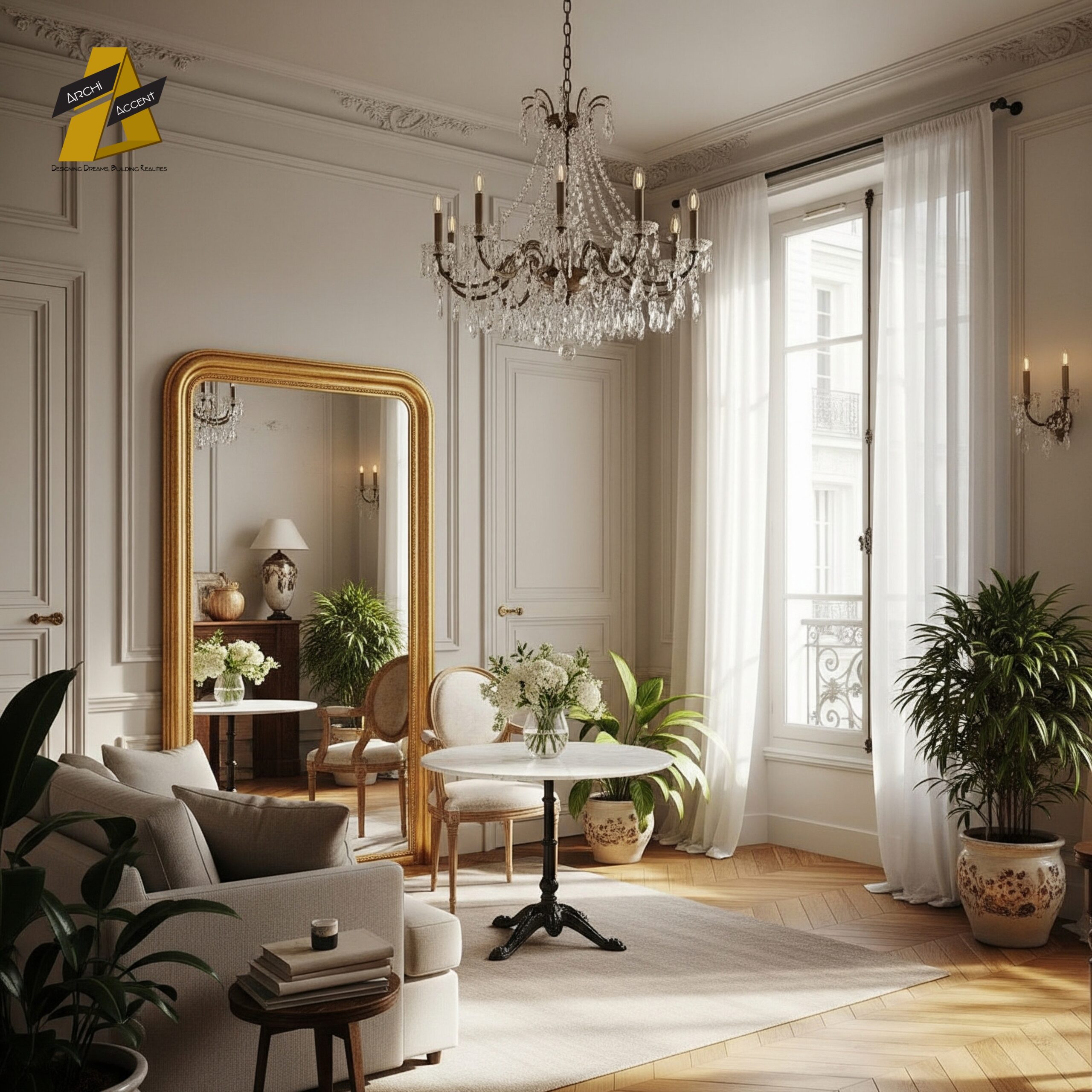
French apartments are known for their beauty, comfort, and timeless style. Even if you don’t live in France, you can still make your home feel like a cozy Paris apartment. Here’s how to do it—using simple steps and easy ideas! 1. Use Light Colors French homes usually have soft and light colors like white, beige, and light grey. These colors make your room look bigger, brighter, and more peaceful. You can paint your walls or just add light-colored curtains, bedsheets, or rugs. 2. Mix Old and New Things French style is all about mixing. You can keep a modern sofa but add an old mirror or vintage chair beside it. Don’t worry if things don’t match perfectly—that’s what makes it charming! 3. Add Pretty Lights Instead of regular lights, use something special like a small chandelier, a gold lamp, or a fancy light hanging from the ceiling. Even a cute table lamp can make your room feel more French. 4. Try Wall Details Many French apartments have wall moldings or designs on the wall. If you can’t build them, use peel-and-stick wall frames or just hang classic art prints in nice frames. 5. Keep It Simple and Natural Don’t fill every corner with things. Keep the room a little empty and clean. A few books, a soft blanket, and a candle are enough to create a cozy feel. 6. Add Touches of Gold or Marble Small things like a gold-framed mirror, a marble tray, or a shiny candle holder can add a rich, elegant touch without spending too much money. 7. Use Classic Furniture Choose furniture that never goes out of style. A simple wooden table, a soft sofa, or a cute vanity mirror can make your room feel like Paris. 8. Pick Natural Fabrics Use cotton, linen, or wool for curtains, bedsheets, and cushions. These fabrics feel soft and look beautiful. 9. Bring in Plants and Flowers French homes love nature. Keep a small plant by the window or fresh flowers in a vase. It adds life and color to your room. 10. Let the Sunlight In Don’t cover your windows with dark curtains. Use light or sheer ones so the sunlight can come in and brighten the room. You can also hang a mirror near the window to reflect the light. The French apartment style is not about being perfect. It’s about feeling happy, calm, and comfortable in your space. Choose things you love, keep it simple, and enjoy your own little piece of Paris—right where you are! Voilà!