A great interior design is only successful when the final execution matches the approved plan. This is why Interior Site Supervision plays an important role in any interior project. From checking measurements to monitoring workmanship, proper supervision helps ensure that the design is executed accurately. At Archi Accent, we combine careful site supervision with personalized design to make sure your project stays aligned with your requirements from design to completion. What Is Interior Site Supervision? Interior Site Supervision means monitoring the work happening at your project site to ensure it follows the approved design, measurements, materials, and specifications. Depending on the project, supervision may include checking: Why Does Site Supervision Matter? 1. It Keeps the Design on Track A 3D visualization shows what the finished space should look like, but execution requires attention to detail. Site supervision helps ensure that dimensions, proportions, finishes, and placements follow the approved design. 2. It Helps Maintain Quality Quality can vary depending on materials, workers, and installation methods. Regular supervision allows the team to identify poor workmanship or incorrect installation before the problem becomes difficult to fix. 3. It Reduces Costly Mistakes A small mistake can become expensive when discovered late. For example, an incorrectly positioned electrical point or cabinet measurement may require additional construction work. Interior Site Supervision helps catch such issues early. 4. It Keeps Different Teams Coordinated An interior project may involve carpenters, electricians, painters, plumbers, installers, and other professionals. Their work needs to happen in the correct order. Proper supervision helps coordinate these different stages and reduce unnecessary delays. 5. It Helps Maintain the Timeline Unexpected problems can slow down an interior project. Regular site monitoring allows the team to identify issues quickly and coordinate solutions before they affect the overall schedule. What Does Archi Accent Supervise? At Archi Accent, supervision depends on the requirements and scope of each project. Our team can monitor: This helps ensure that the final result stays close to the approved concept. Why Design and Supervision Should Work Together Design and execution are closely connected. A designer understands the reasoning behind the layout, materials, proportions, and finishes. This makes it easier to identify when something on-site doesn’t match the intended design. At Archi Accent, our personalized design process continues into execution, helping maintain consistency between the original concept and the finished space. Can Site Supervision Prevent Problems? It can’t eliminate every unexpected issue, but proper supervision can significantly reduce avoidable mistakes. It helps with: For homeowners, this provides greater confidence that their investment is being handled carefully. Why Personalized Design Needs Proper Execution A personalized design is created specifically around your lifestyle, preferences, and requirements. If the execution doesn’t follow that design properly, the final space may not deliver the experience you originally planned. That’s why Archi Accent considers supervision an important part of turning a personalized concept into a functional finished interior. Interior Site Supervision matters because even the best design can lose its impact through poor execution. Careful monitoring helps maintain quality, reduce mistakes, coordinate different teams, and ensure that the finished interior reflects the approved design. At Archi Accent, we combine personalized design with careful project execution to create interiors that are not only beautiful on paper but also properly built and ready for everyday life.

Storage is one of the biggest challenges homeowners face, especially in apartments where every square foot matters. The solution isn’t always adding more cabinets. With the right storage solutions for small homes, you can keep your belongings organized while maintaining a clean and spacious interior. At Archi Accent, we believe storage should be part of the design from the beginning. Our personalized design approach considers your lifestyle, belongings, and daily routine to create storage that works naturally with your home. Use Built-In Storage Built-in furniture can make excellent use of spaces that might otherwise be wasted. Consider built-in: Because they’re designed specifically for your space, built-ins can create a cleaner and more cohesive appearance. Make Use of Vertical Space When floor space is limited, look upward. Tall wardrobes and cabinets can provide significantly more storage without taking up additional floor area. Extending storage closer to the ceiling can also create a more visually streamlined look. For items you don’t use every day, the upper sections can provide useful additional storage. Choose Multi-Functional Furniture Furniture that serves more than one purpose can be especially useful in smaller homes. Examples include: These solutions add functionality without filling the room with additional furniture. Use Hidden Storage Not everything needs to be visible. Hidden storage can keep everyday clutter out of sight while maintaining a cleaner interior. TV units, beds, wardrobes, kitchen cabinets, and even seating can incorporate concealed storage compartments. This is one of the most effective storage solutions for small homes because it combines organization with visual simplicity. Plan Storage According to Your Lifestyle More storage doesn’t automatically mean better storage. Before designing cabinets, consider what you actually need to store. For example: This is why personalized design matters. At Archi Accent, we consider your belongings and daily habits before planning storage so that the available space is used efficiently. Keep Frequently Used Items Accessible Not everything should be hidden away. Keep frequently used items within easy reach and reserve higher or less accessible storage for things you use occasionally. This makes your home easier to organize and prevents storage spaces from becoming difficult to use. Use the Space Under the Bed The area underneath a bed is often overlooked. Drawers or concealed compartments can be used for: It’s an easy way to add storage without occupying additional floor space. Don’t Overfill Every Wall Adding cabinets to every available wall can actually make a home feel smaller. Instead, balance storage with open areas. Combining closed cabinets, open shelves, and empty wall space creates a more visually comfortable interior. Good storage design is about balance, not simply adding more furniture. Choose Consistent Finishes Storage can blend into your interior when its colors and finishes complement the surrounding space. For example, matching wardrobe doors with wall colors can make large storage units feel less visually dominant. At Archi Accent, material and finish selection is part of our personalized design process, allowing storage to become part of the overall interior rather than looking like an afterthought. Plan Storage Before Construction One of the biggest mistakes homeowners make is thinking about storage after the main interior design has already been completed. Storage should be considered alongside: Planning early allows designers to make better use of every available area. Avoid These Common Storage Mistakes More storage won’t help if it’s poorly planned. Avoid: The best storage is storage you’ll actually use. How Archi Accent Approaches Storage Design At Archi Accent, we don’t believe every home needs the same storage solution. Our personalized design process considers your home’s layout, lifestyle, family requirements, and belongings before developing storage solutions. Whether it’s a compact apartment or a large family home, our goal is to create storage that keeps your belongings organized without making the space feel crowded. Creating more storage doesn’t mean filling your home with more cabinets. The right storage solutions for small homes combine smart planning, hidden storage, multifunctional furniture, and efficient use of available space. With Archi Accent’s personalized design approach, storage becomes part of the overall interior rather than something added at the end. When planned properly, your home can have plenty of storage while still feeling open, organized, and comfortable.
In Bangladesh’s hot and humid climate, keeping a home comfortable can often mean relying heavily on fans and air conditioning. But thoughtful energy-efficient interior design can help reduce heat, improve airflow, and make everyday living more comfortable. Energy efficiency doesn’t mean sacrificing style. With the right layout, lighting, materials, and window treatments, you can create a home that feels cooler while using less energy. At Archi Accent, our personalized design approach considers your home’s layout, lifestyle, climate, and daily requirements to create spaces that are both beautiful and practical. Make the Most of Natural Light Natural light can reduce the need for artificial lighting during the day. Consider: Good daylight planning can make rooms feel brighter without constantly relying on electric lights. Improve Natural Ventilation Proper airflow is especially important in Bangladesh. During the design stage, consider window placement, room layouts, and unobstructed air movement. Cross-ventilation can help move warm air out and bring fresher air into the home when outdoor conditions allow. Furniture placement also matters. Avoid blocking windows or important ventilation paths with large cabinets or heavy furniture. Choose the Right Window Treatments Windows can significantly affect indoor heat. Curtains, blinds, and other window treatments can help control direct sunlight and reduce heat entering the room. For rooms receiving strong afternoon sunlight, appropriate curtains or blinds can be particularly useful. The best option depends on your window direction, room function, and overall interior style. Use Energy-Efficient Lighting Lighting is another important part of energy-efficient interior design. LED lighting is a practical choice for modern homes because it can provide good illumination while using less electricity than traditional lighting options. Instead of lighting an entire room equally, consider combining: This allows you to use only the lighting you need. Choose Light Colors Carefully Lighter colors can help rooms feel brighter and more open, especially when combined with good natural lighting. Soft whites, beige, light grey, and other lighter shades can work well in Bangladesh homes. However, color should still reflect your personal taste. At Archi Accent, color selection is part of our personalized design process rather than a fixed formula. Select Materials Suitable for the Climate Bangladesh’s humidity and heat should be considered when choosing interior materials. Look for materials that are: Choosing appropriate materials can help your interior remain comfortable and functional for longer. Don’t Overcrowd Your Rooms Furniture placement can affect airflow and comfort. Too much furniture can make a room feel crowded and restrict movement. A well-planned layout leaves enough open space for comfortable circulation. This is where personalized design becomes particularly valuable. The right furniture arrangement depends on your room size, family needs, and daily activities. Consider Ceiling and Fan Placement Ceiling fans are widely used in Bangladesh, so their placement should be considered during interior planning. Furniture, lighting, and ceiling elements should be coordinated so that fans can operate effectively without creating unnecessary visual clutter. Proper planning before construction can also make electrical installation easier. Use Smart Lighting Controls Energy efficiency can also come from using lighting more intelligently. Consider: These small decisions can make everyday energy use more efficient. Plan Your Interior Before Construction Many energy-related decisions are easier and less expensive to make before construction begins. Electrical points, lighting, window treatments, ceiling fans, ventilation, and furniture layouts should ideally be considered together. At Archi Accent, we integrate these elements into our personalized design process so that comfort and efficiency are considered from the beginning rather than added later. Energy Efficiency Doesn’t Mean Boring Design An energy-efficient home can still be stylish and luxurious. Natural light, thoughtful materials, comfortable furniture layouts, layered lighting, and carefully selected finishes can create an interior that looks sophisticated while also responding to Bangladesh’s climate. The key is finding the right balance between aesthetics, comfort, and practical performance. Energy-efficient interior design is about making smarter choices that improve comfort while reducing unnecessary energy use. From natural ventilation and daylight to efficient lighting and climate-appropriate materials, small design decisions can make a meaningful difference. At Archi Accent, our personalized design approach allows us to consider your home’s specific layout, lifestyle, and climate when planning an interior. The result is a space that isn’t only beautiful, but also comfortable, practical, and better suited to everyday life in Bangladesh.
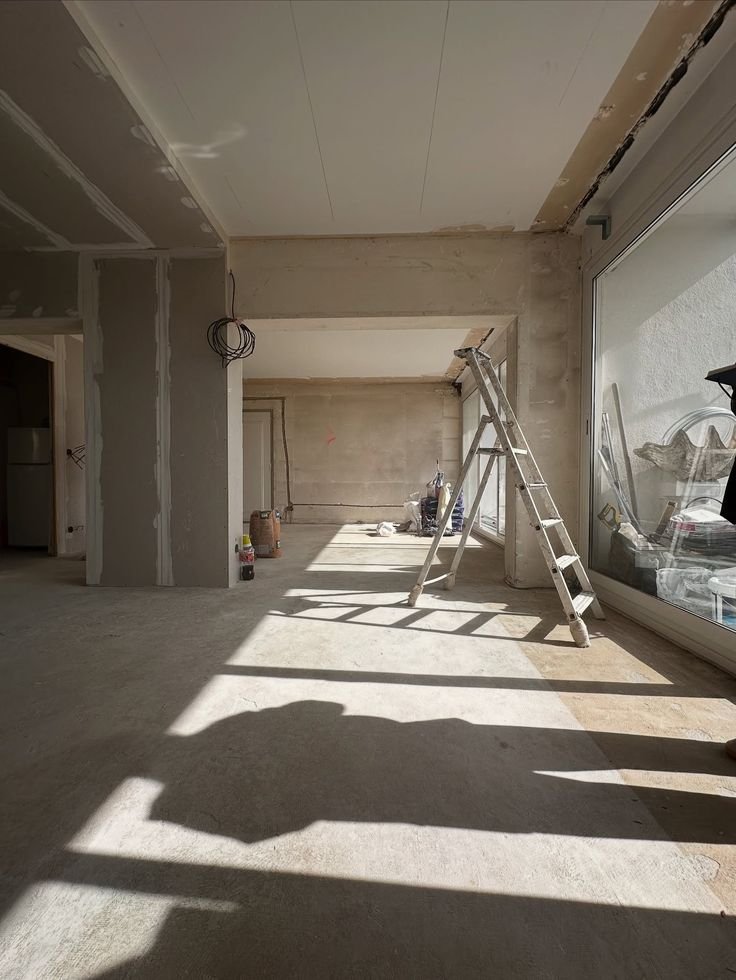
A beautiful interior design can only achieve its full potential when the execution is done correctly. This is where Interior Site Supervision becomes important. From checking measurements to monitoring materials and workmanship, proper supervision helps ensure that the approved design is actually built as planned. At Archi Accent, we believe successful interiors require more than creative ideas. Our personalized design approach is supported by careful site supervision to maintain quality, accuracy, and consistency throughout the project. What Is Interior Site Supervision? Interior Site Supervision is the process of monitoring interior work at the project site to make sure construction and installation follow the approved design and specifications. It can include checking: This helps identify problems before they become expensive to fix. Why Interior Site Supervision Matters 1. It Ensures the Design Is Executed Correctly A 3D design may look perfect on screen, but translating it into a real space requires careful attention. Site supervision helps ensure that important details such as proportions, measurements, finishes, and furniture placement match the approved design. 2. It Helps Maintain Quality Different workers and contractors may have different approaches to installation and finishing. Regular supervision allows the design team to check workmanship and make sure the expected quality standards are maintained throughout the project. 3. It Helps Prevent Costly Mistakes Small mistakes can become expensive when discovered late. For example, an incorrectly placed electrical point or poorly measured cabinet may require additional work to correct. Regular Interior Site Supervision helps identify these issues earlier. 4. It Keeps Different Teams Coordinated Interior projects often involve electricians, carpenters, painters, plumbers, installers, and other professionals. Without proper coordination, one team’s work can interfere with another’s. Site supervision helps different stages of the project happen in the right sequence. 5. It Helps Keep the Project on Track Unexpected issues can cause delays. A supervisor can monitor progress, identify potential problems, and coordinate solutions before they affect the entire project timeline. What Does Archi Accent Check During Site Supervision? At Archi Accent, site supervision is connected to our personalized design process. We pay attention to both the larger design and the small details that affect the final result. Depending on the project, our team may monitor: The exact supervision requirements depend on the size and scope of each project. Why Design and Supervision Should Work Together Design and execution shouldn’t be treated as completely separate stages. A designer who understands the original concept can better identify whether the finished work matches the intended design. At Archi Accent, our personalized design approach continues from the initial planning stage through execution, helping maintain consistency between the approved concept and the finished interior. Can Site Supervision Improve Your Interior Project? Yes. Proper supervision can provide homeowners with greater confidence that their investment is being handled carefully. It can help ensure: Most importantly, it helps turn a design concept into a finished space that actually works in everyday life. Interior Site Supervision is an important part of turning a design into a successful finished project. Without proper monitoring, even a well-planned interior can face mistakes, delays, or inconsistencies during execution. At Archi Accent, we combine careful supervision with personalized design to create interiors that are not only visually appealing but also properly executed, functional, and built around the client’s needs.
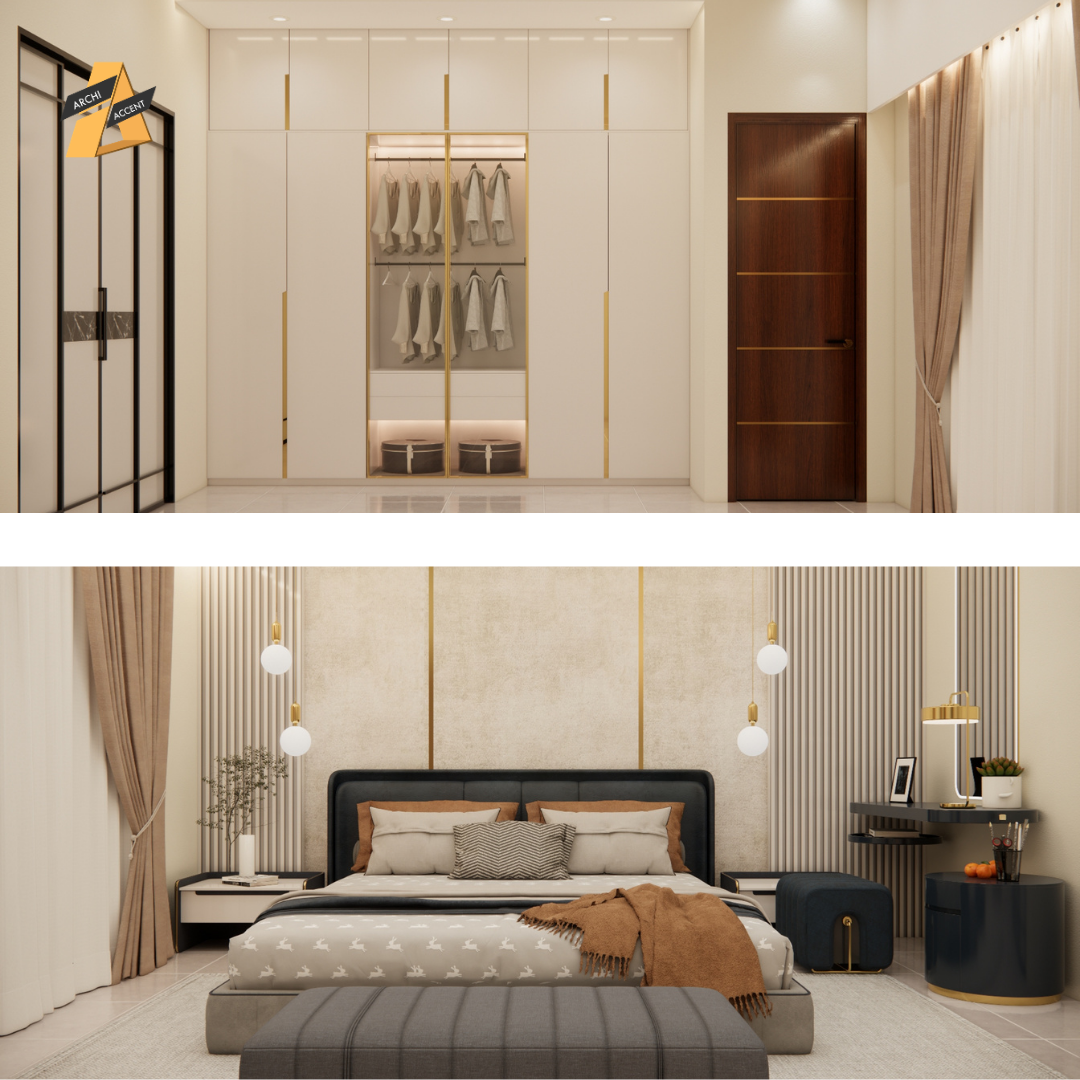
A home should reflect the people who live in it, not just the latest design trends. That’s why a Personality Assessment for Interior Design is the first step in every project at Archi Accent. Every homeowner has different habits, preferences, routines, and expectations. A design that works perfectly for one family may not suit another. Through our personalized design approach, we take the time to understand who you are before creating a space that truly feels like home. What Is a Personality Assessment for Interior Design? A Personality Assessment for Interior Design is a simple questionnaire that helps us understand your lifestyle, preferences, and design goals. It helps us learn about: These insights allow us to create a personalized design instead of relying on standard templates. Why Personality Assessment for Interior Design Matters Every family lives differently. Some homeowners love entertaining guests, while others prefer quiet, relaxing spaces. Some need a productive home office, while others prioritize a spacious kitchen or extra storage. A Personality Assessment for Interior Design helps us understand these differences so every design decision supports your lifestyle rather than following temporary trends. Personalized Design Starts with Understanding You Beautiful interiors aren’t created by copying Pinterest or Instagram photos. They are created by understanding: This is the foundation of every personalized design project at Archi Accent. It Helps Us Recommend the Right Interior Style Many homeowners know what they like but don’t know the name of the style. Based on your assessment, we can recommend styles such as: Instead of choosing randomly, your design is based on your personality and lifestyle. Better Space Planning The way you live should influence the way your home is planned. During the assessment, we discover: These insights help us create layouts that are practical and comfortable. Smarter Material and Furniture Selection Every family has different priorities. Some need durable materials for children, while others want low-maintenance finishes or premium furniture. Our Personality Assessment for Interior Design helps us recommend materials and furniture that match your lifestyle, making your personalized design both beautiful and functional. Fewer Changes During Construction One of the biggest reasons projects get delayed is changing design decisions during construction. By starting with a Personality Assessment for Interior Design, we gain a clear understanding of your expectations early in the process. This reduces confusion, minimizes revisions, and keeps your project moving smoothly. Why Archi Accent Uses a Personality Assessment At Archi Accent, we believe great design starts with understanding people—not just spaces. That’s why every project begins with our personality assessment, available on our website. It allows us to understand your preferences before we start designing, ensuring every personalized design reflects your lifestyle, personality, and future goals. Instead of creating homes that look the same, we create homes that feel uniquely yours. Benefits of a Personality Assessment for Interior Design When you start with a personality assessment, you benefit from: A Personality Assessment for Interior Design is more than just a questionnaire—it’s the first step toward creating a home that truly fits your life. By understanding your habits, preferences, and goals, designers can make better decisions that improve both functionality and comfort. At Archi Accent, every personalized design begins with getting to know you. Our personality assessment helps us design homes that are unique, practical, and tailored to the people who live in them, ensuring your home is not just beautiful but truly personal.
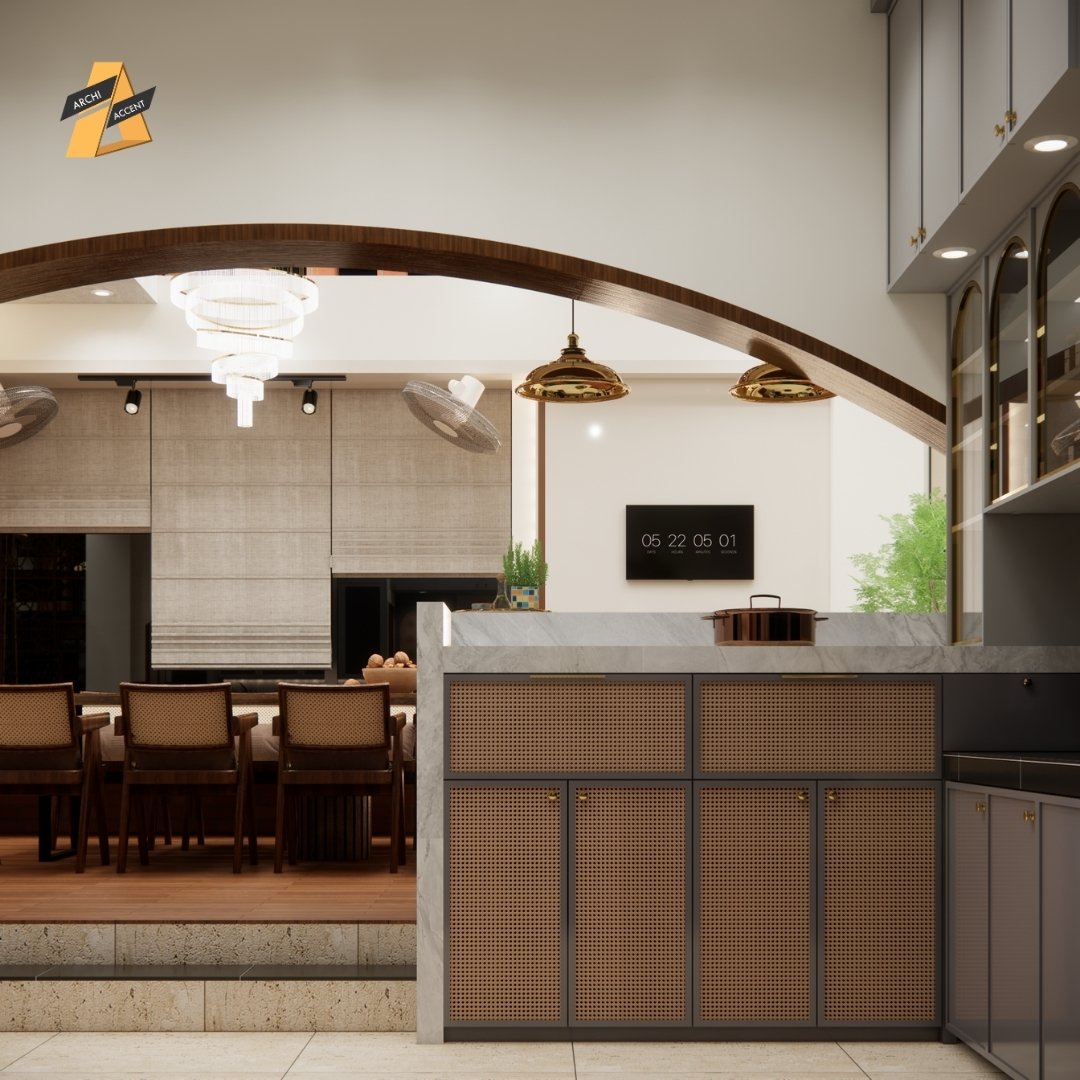
Soft-Close Cabinets have become a popular feature in modern kitchens, wardrobes, and storage units. Unlike traditional cabinets that shut with a loud bang, soft-close cabinets use special hinges or drawer runners that allow doors and drawers to close gently and quietly. Many homeowners wonder whether this feature is simply a luxury or a worthwhile investment. The answer depends on your lifestyle, budget, and long-term expectations. At Archi Accent, we believe that even small details can improve the way you experience your home. Through our personalized design approach, we recommend features that add both comfort and lasting value. What Are Soft-Close Cabinets? Soft-close cabinets are fitted with hinges or sliding mechanisms that automatically slow down the movement of doors and drawers before they close. Instead of slamming shut, they glide smoothly into place, reducing noise and preventing impact damage. Today, soft-close technology is commonly used in: The Benefits of Soft-Close Cabinets Quiet Everyday Living Whether you’re preparing breakfast early in the morning or putting dishes away late at night, cabinets close quietly without disturbing others in the home. Longer Lifespan Repeated slamming can damage cabinet doors, hinges, and frames over time. Soft-close mechanisms reduce impact, helping: Safer for Families Homes with young children often benefit from these cabinets. Because the doors close slowly, there is less chance of fingers getting caught between the cabinet and the frame. While supervision is always important, soft-close systems provide an additional layer of safety. A Premium Feel Small details often make the biggest difference. Soft-close cabinets create a smoother, more refined user experience that makes kitchens and storage spaces feel more luxurious without dramatically increasing the overall project cost. Are Soft-Close Cabinets Worth the Extra Cost? Although Soft-Close Cabinets cost more than standard hardware, the price difference is usually small compared to the overall cost of an interior project. Considering their: many homeowners find them to be a worthwhile investment. Instead of replacing damaged hinges later, investing in quality hardware from the beginning often saves money over time. Where Should You Use Soft-Close Cabinets? Soft-close systems are especially useful in: For high-use areas, they provide noticeable everyday convenience. Choosing Quality Hardware Matters Not all soft-close mechanisms offer the same performance. When selecting cabinet hardware, consider: High-quality hardware typically lasts much longer and performs more consistently. At Archi Accent, hardware selection is part of our personalized design process, ensuring every component matches your home’s usage and long-term needs. Soft-Close Cabinets and Personalized Design Every family uses their home differently. For some homeowners, premium hardware may be a priority, while others may prefer investing more in flooring, lighting, or custom furniture. That’s why personalized design is so important. At Archi Accent, we recommend features like Soft-Close Cabinets based on your lifestyle, budget, and daily habits—not simply because they are popular. We also offer a personality assessment on our website to better understand your preferences and create interiors tailored specifically to you. Common Misconceptions About Soft-Close Cabinets Some homeowners believe soft-close cabinets are only for luxury homes. In reality, they offer practical benefits for almost any household. Another misconception is that they require frequent maintenance. Quality soft-close hardware is designed to operate smoothly for years with minimal maintenance when installed correctly. Should You Choose Soft-Close Cabinets? If you value: then Soft-Close Cabinets are a smart investment. They improve the user experience every day while protecting your furniture from unnecessary wear. Soft-Close Cabinets are more than just a modern trend—they’re a practical upgrade that enhances comfort, reduces noise, and helps extend the life of your furniture. While they may cost slightly more than standard hardware, their long-term benefits often outweigh the initial investment. At Archi Accent, we believe the best interiors are built through thoughtful details and personalized design. By choosing quality materials and hardware that suit your lifestyle, you can create a home that feels comfortable, functional, and built to last.
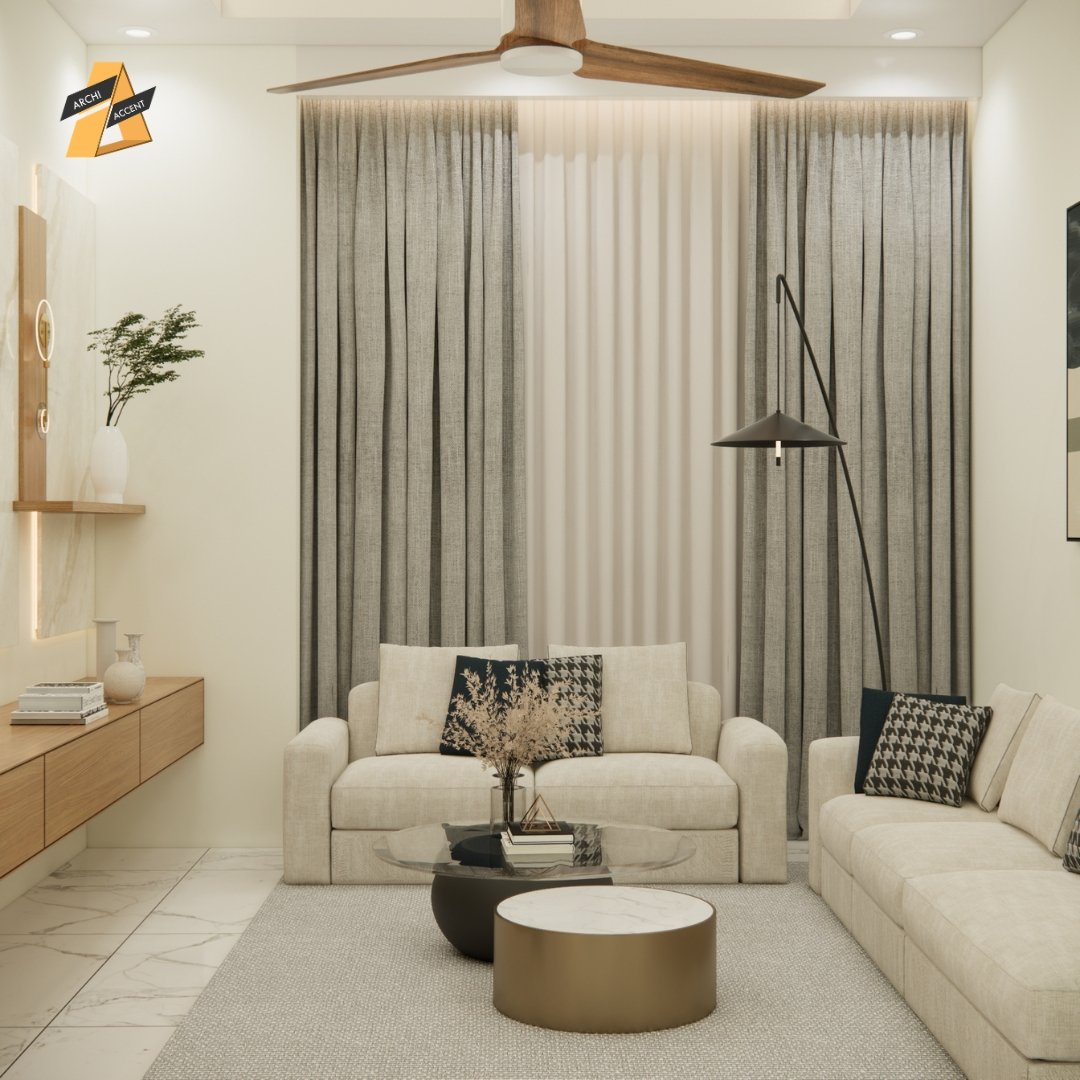
Every home renovation or new construction involves hundreds of choices, but some Interior Design Decisions are far more important than others. While furniture, paint colors, and décor can be updated over time, certain decisions become difficult, expensive, or even impossible to change once construction is complete. Making the right choices early can save you time, money, and unnecessary stress in the future. At Archi Accent, every project begins with personalized design, helping homeowners make informed decisions before construction starts and creating homes that remain functional for years. 1. Room Layout The layout of your home determines how you move and live within the space. Changing room layouts later often requires: A well-planned layout should support your lifestyle today and in the future. 2. Electrical Points Electrical planning is one of the most overlooked Interior Design Decisions. Before construction begins, decide the placement of: Changing these after completion usually involves breaking walls and repainting. 3. Plumbing Layout Bathrooms, kitchens, and laundry areas depend on proper plumbing planning. Moving sinks, toilets, or kitchen plumbing later can be expensive and time-consuming. Careful planning at the beginning helps avoid unnecessary renovation costs. 4. Lighting Placement Lighting affects both functionality and atmosphere. Before construction, finalize: Poor lighting placement is difficult to correct after ceilings are completed. 5. Ceiling Design False ceilings influence lighting, ventilation, and the overall appearance of a room. Once installed, modifying a ceiling often requires: Choosing the right ceiling design from the start saves both time and money. 6. Flooring Materials Flooring covers a large portion of your home and is expensive to replace. Choose materials that are: Replacing flooring later usually involves significant demolition and disruption. 7. Built-In Furniture Custom wardrobes, kitchen cabinets, TV units, and storage systems are designed specifically for your space. Changing them later may affect: A thoughtful design from the beginning ensures long-term functionality. 8. Storage Planning Many homeowners underestimate their future storage needs. Consider: Adding storage later is often more difficult than planning it from the start. 9. Material Selection The materials you choose affect your home’s durability for years. Avoid rushing decisions about: At Archi Accent, material selection is a key part of our personalized design process to ensure every choice matches your lifestyle and maintenance preferences. 10. Space Planning Space planning determines how comfortably your home functions. It considers: Poor space planning is one of the hardest mistakes to fix after construction. Why Personalized Design Prevents Costly Mistakes Every family has different priorities. Some need: This is why personalized design is essential. At Archi Accent, every project begins with understanding your lifestyle, future plans, and design preferences. We also offer a personality assessment on our website to better understand how you live before creating your home’s design. This helps ensure that important decisions are made correctly before construction begins. Common Mistakes Homeowners Regret Many homeowners later regret: Most of these issues could have been avoided with proper planning. Plan for the Future When making important Interior Design Decisions, don’t think only about today’s needs. Consider: Planning ahead creates a home that continues to meet your needs for years. Some Interior Design Decisions can be changed easily, while others become permanent once construction is complete. Taking the time to plan your layout, lighting, plumbing, storage, materials, and electrical points carefully can save you from expensive renovations and everyday frustration. At Archi Accent, our personalized design philosophy helps homeowners make confident decisions from the very beginning. By understanding your lifestyle and future goals, we create interiors that are practical, timeless, and designed to grow with you.
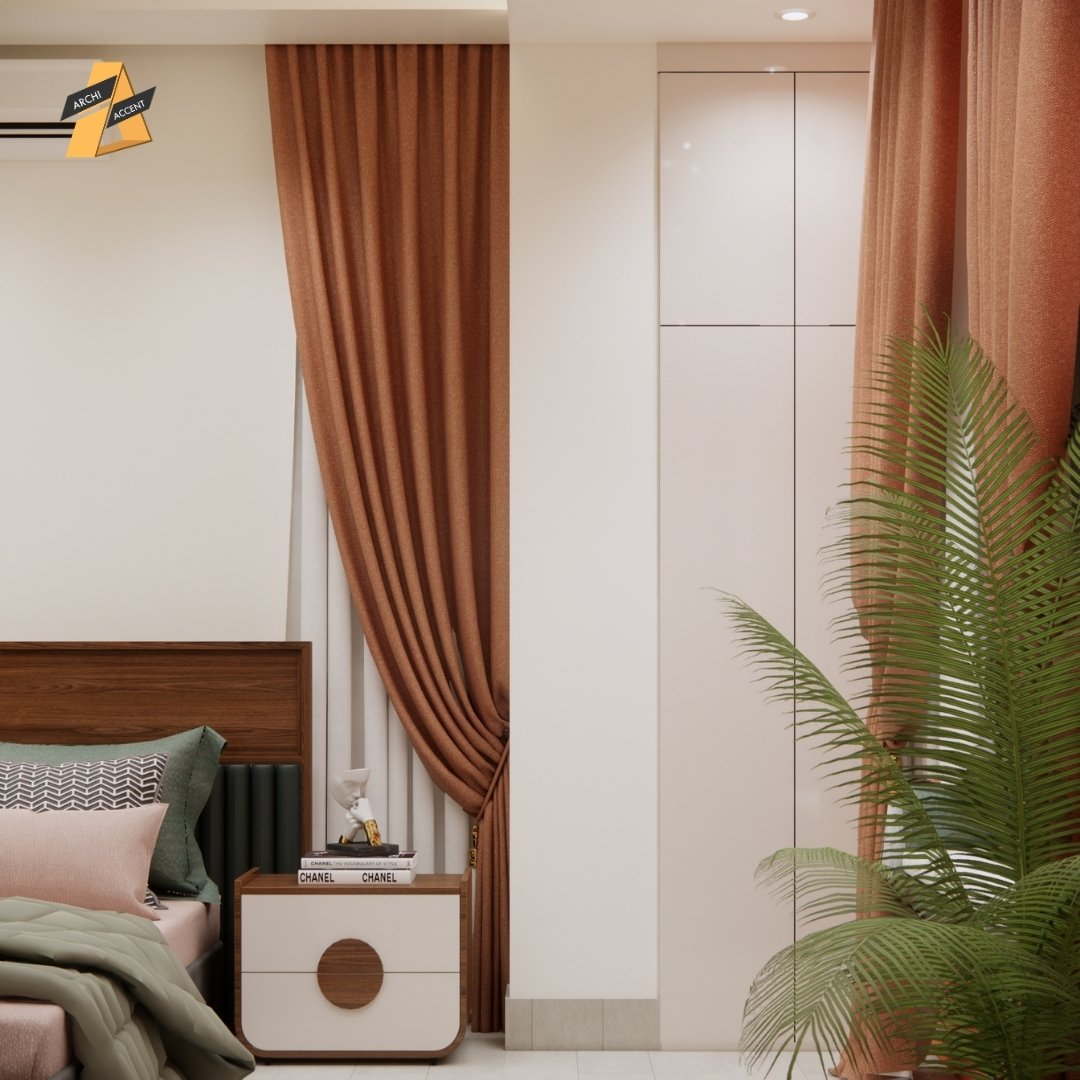
Material Selection for Interior Design is one of the most important decisions you’ll make during a home project. While colors and furniture can be changed over time, materials such as flooring, cabinets, countertops, and wall finishes are long-term investments that affect your home’s durability, comfort, and maintenance. Many homeowners rush this stage because they want construction to move faster. However, making quick decisions can lead to higher maintenance costs, poor durability, and regret after the project is completed. At Archi Accent, every personalized design includes careful material selection based on your lifestyle, budget, and the climate of Bangladesh, ensuring your home remains beautiful and functional for years. Why Material Selection Matters The materials you choose determine how your home will perform every day. Good material selection improves: Choosing the right materials from the beginning helps reduce repairs and future renovation costs. Every Room Has Different Requirements Not every material works well in every space. For example: Selecting materials based on the function of each room leads to better long-term results. Bangladesh’s Climate Should Influence Your Choices Bangladesh’s hot, humid, and rainy climate affects how materials perform over time. When selecting materials, consider: Climate-appropriate materials last longer and require fewer repairs. Quality Saves Money in the Long Run Low-cost materials may seem attractive at first, but they often wear out faster. High-quality materials usually offer: Spending a little more on quality materials today can reduce replacement costs in the future. Materials Affect Everyday Comfort Material selection isn’t only about appearance. The right materials can improve: Good interior design balances aesthetics with practical living. Consider Maintenance Before Choosing Materials Some materials require regular polishing, sealing, or special cleaning products. Before making a decision, ask: Choosing low-maintenance materials makes everyday life easier. Don’t Choose Materials Based Only on Trends Popular materials on social media may not suit your home or lifestyle. Instead of following trends, consider: Timeless, practical materials often provide better value than short-lived design trends. Why Personalized Design Leads to Better Material Choices Every homeowner has different priorities. Some families need scratch-resistant flooring for children, while others may prioritize luxurious finishes or low-maintenance surfaces. This is why personalized design is essential. At Archi Accent, we carefully select materials based on your lifestyle, home layout, budget, and future needs. We also offer a personality assessment on our website, helping us better understand your preferences before recommending materials that suit your home. Rather than recommending the same finishes for every project, we create customized solutions that combine beauty, durability, and functionality. Ask Questions Before Finalizing Materials Before approving any material, ask your designer: Making informed decisions helps prevent costly mistakes. Common Material Selection Mistakes Avoid these common mistakes: Taking time to compare options will lead to better long-term satisfaction. Material Selection for Interior Design should never be treated as a last-minute decision. The materials you choose influence your home’s durability, maintenance, comfort, and overall appearance for many years. At Archi Accent, our personalized design approach ensures that every material is selected with care, considering your lifestyle, budget, and Bangladesh’s climate. By taking the time to choose the right materials, you can create a home that is not only beautiful but also practical, comfortable, and built to last.
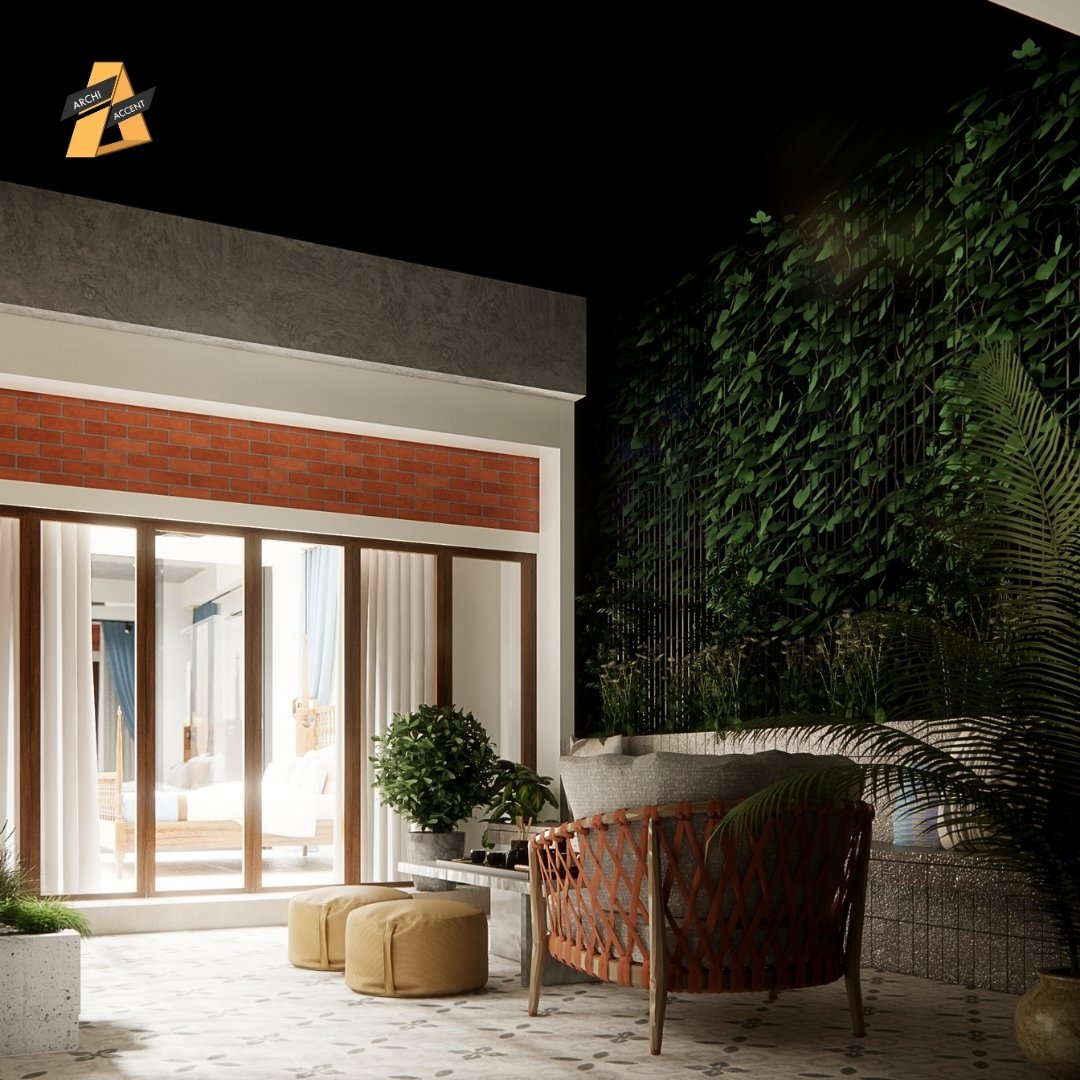
An Interior Design Consultation is the first and one of the most important steps in creating your dream home. It’s more than just discussing colors or furniture—it’s an opportunity for your designer to understand your lifestyle, preferences, budget, and vision. A successful consultation lays the foundation for a smooth project and helps avoid costly mistakes later. At Archi Accent, every consultation is centered around personalized design, ensuring that your home reflects your personality and supports the way you live. Understanding Your Lifestyle Every successful design begins with understanding the people who will live in the space. During the consultation, your designer may ask about: These conversations help create a design that is both beautiful and practical. Discussing Your Design Preferences You don’t need to know design terminology before meeting an interior designer. Instead, you can share: At Archi Accent, we also offer a personality assessment through our website to better understand your preferences. This allows us to create a personalized design that reflects your unique style. Reviewing the Space If the consultation takes place at your home, the designer will evaluate the space by considering: This assessment helps identify opportunities and potential challenges before the design process begins. Setting Your Budget A clear budget helps guide design decisions from the beginning. During the consultation, you’ll discuss: Being open about your budget allows the designer to recommend practical solutions that align with your goals. Talking About the Project Timeline Every project has a different schedule depending on its size and complexity. Your designer may explain: Knowing the timeline helps set realistic expectations. Learning About the Design Process A professional Interior Design Consultation should also explain how the project will move forward. At Archi Accent, our process typically includes: This structured approach ensures transparency throughout the project. Asking Questions The consultation is also your opportunity to learn more about the design team. Consider asking questions such as: A good interior designer welcomes questions and provides clear, honest answers. Why Personalized Design Matters No two families live the same way, so every home should be designed differently. At Archi Accent, we believe personalized design creates better homes because it considers: Our personality assessment helps us understand these factors before the design process begins, allowing us to create spaces that feel truly personal instead of following generic design trends. How to Prepare Before Your Consultation To make the meeting more productive, prepare: The more information you share, the easier it becomes to create a design that matches your expectations. Common Misconceptions About Interior Design Consultations Many homeowners believe they need to have every detail planned before meeting a designer. In reality, an Interior Design Consultation is meant to guide you through the process. Your designer is there to help you: You don’t need all the answers before the consultation—that’s what the consultation is for. An Interior Design Consultation is the starting point for a successful home transformation. It helps establish clear goals, realistic budgets, practical timelines, and a design direction that reflects your lifestyle. At Archi Accent, every consultation begins with understanding you. Through our personalized design approach and personality assessment, we create interiors that are functional, timeless, and uniquely suited to the people who call them home.
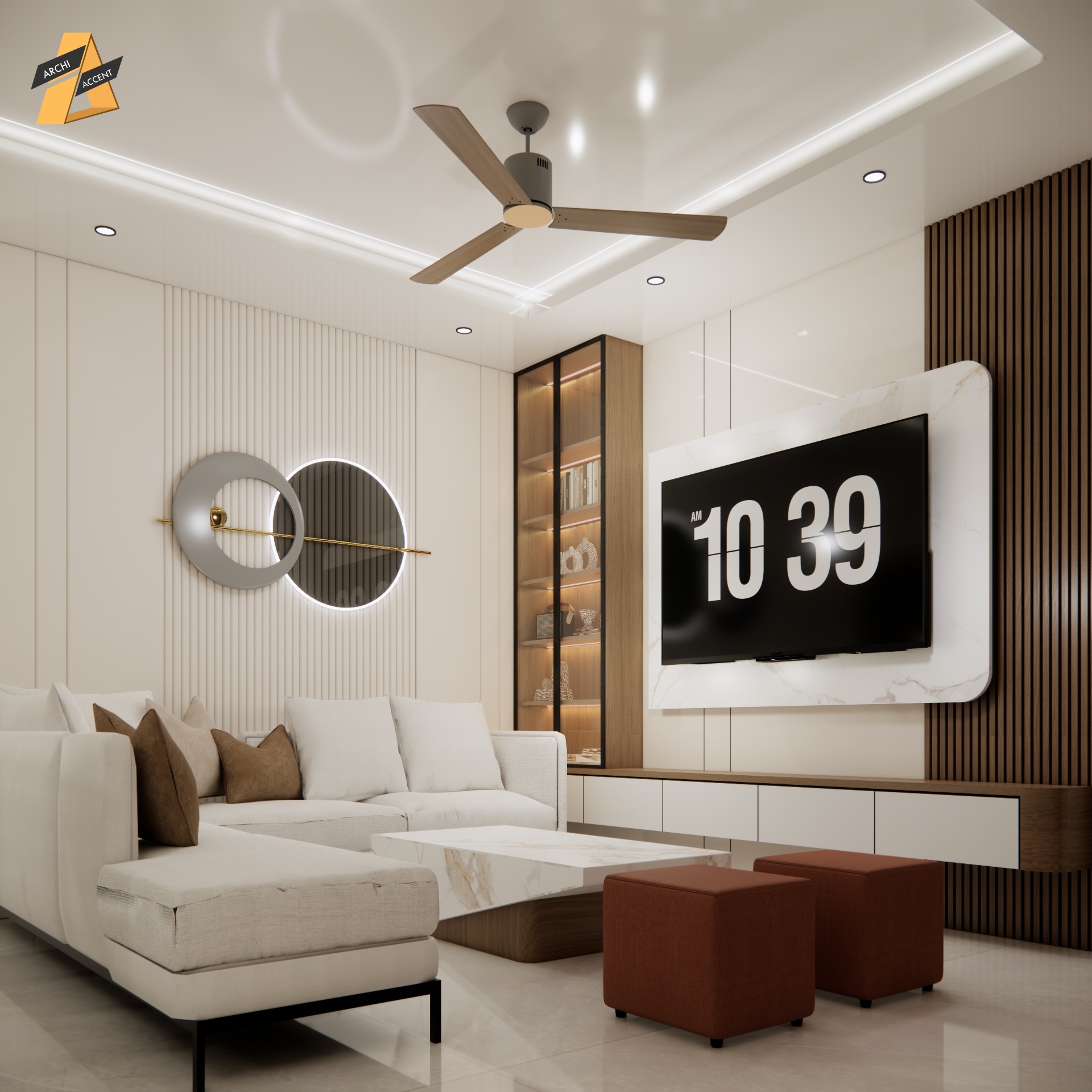
Every homeowner has a unique lifestyle, personality, and vision for their living space. That’s exactly why no two homes should look the same. While it’s easy to find inspiration on Pinterest or Instagram, copying someone else’s interior rarely creates a home that truly works for your family. Great interior design is about more than beautiful furniture and trendy colors—it’s about designing a space that reflects the people who live in it. At Archi Accent, we believe every project should begin with personalized design, ensuring your home is built around your lifestyle rather than someone else’s. Every Family Lives Differently No two families have the same daily routine. Some families: Your home should support your lifestyle instead of forcing you to adapt to a copied design. Your Personality Shapes Your Home Interior design should reflect who you are. Some homeowners prefer: Choosing a design that matches your personality makes your home feel more comfortable and authentic. That’s why Archi Accent starts every project with a personality assessment to better understand your preferences before creating a personalized design. Every Home Has a Different Layout Even apartments with the same square footage often have different layouts. Factors like: all influence the best design solution. Copying another home’s layout may reduce functionality instead of improving it. Climate Should Influence Design Interior design should also respond to the local environment. In Bangladesh, homes benefit from: A design that works in another country may not perform well in Bangladesh’s climate. Personalized Design Creates Better Functionality A beautiful home isn’t enough—it should also make everyday life easier. A personalized design considers: These details create interiors that are practical as well as beautiful. Trends Don’t Last Forever Social media trends change quickly. Designing your home around temporary trends may leave it feeling outdated within a few years. Instead, choose timeless design principles while adding personal touches that reflect your own style. A home designed around you will always feel more meaningful than one designed around trends. Your Home Should Tell Your Story Your home is one of the most personal spaces you’ll ever create. It should reflect: These elements make your home unique in ways that copied designs never can. Why Archi Accent Believes Every Home Should Be Different At Archi Accent, we don’t believe in one-size-fits-all interiors. Every project begins by understanding: We also offer a personality assessment on our website to help homeowners better understand their design style before the project begins. This personalized design approach allows us to create homes that are unique, functional, and tailored specifically to the people living in them. Common Mistakes Homeowners Make Avoid these common mistakes: The best interiors are designed around people—not pictures. Benefits of a Personalized Home When your home is designed specifically for you, you enjoy: This is the true value of personalized design. Understanding Why No Two Homes Should Look the Same helps homeowners move beyond trends and create spaces that truly support their lives. Every family has different habits, priorities, and aspirations, so every home deserves a unique design solution. At Archi Accent, our personalized design philosophy ensures that every project reflects the homeowner’s personality, lifestyle, and future needs. Instead of creating homes that simply look beautiful, we create homes that feel personal, functional, and uniquely yours.