
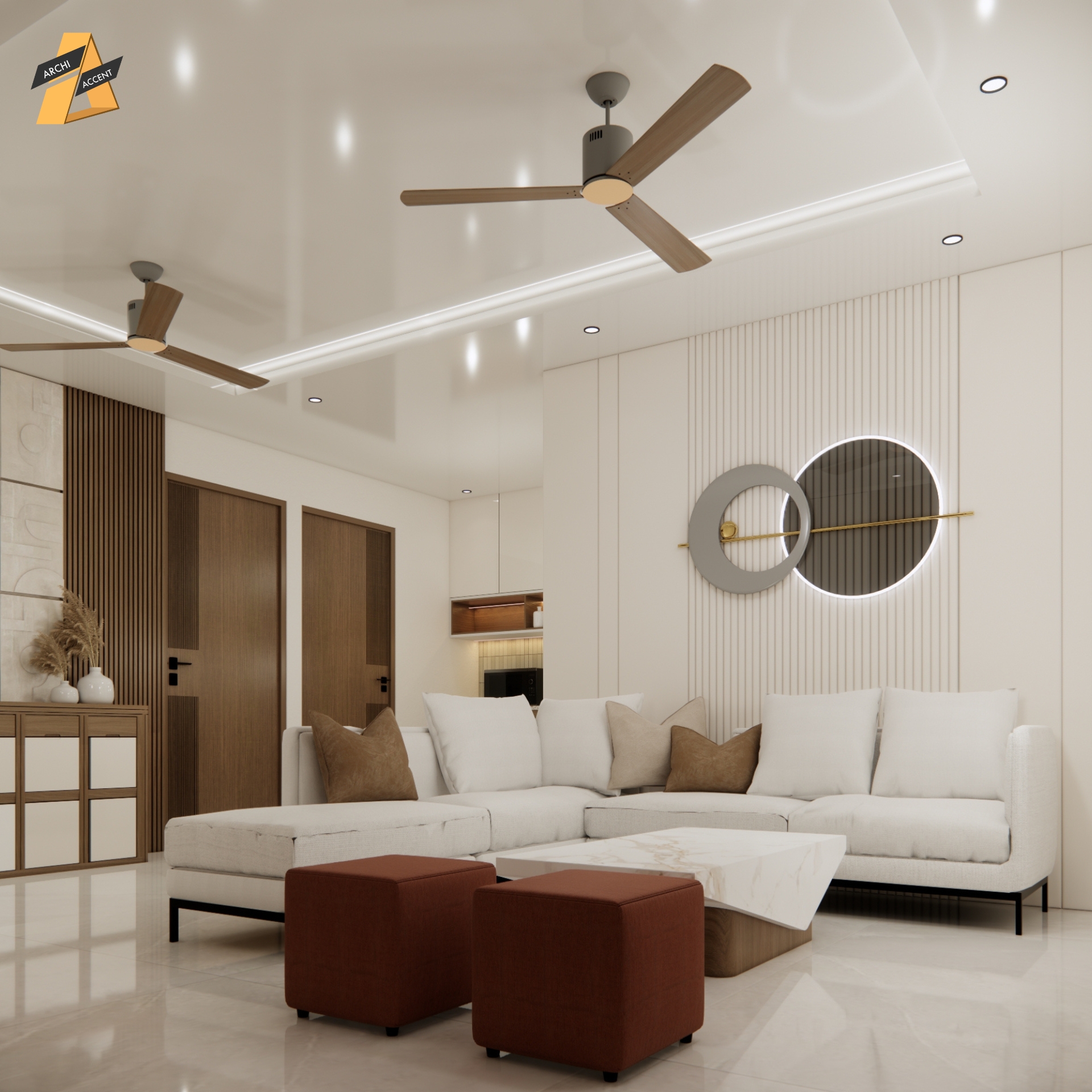
Home interior design in Bangladesh has evolved beyond simple decoration to focus on functional layouts, comfort, and efficiency. Modern homeowners want spaces that reflect their lifestyle while optimizing storage, movement, and natural lighting. Archi Accent, a leading interior design firm, helps families transform their homes into practical and aesthetically pleasing spaces. Understanding Home Interior Design in Bangladesh Every home is unique. Archi Accent begins each project by understanding the family structure, daily routines, and personal preferences. This ensures that every room—from the living area to bedrooms, kitchens, and study spaces—is both functional and visually appealing. Popular Ideas for Home Interiors Some popular home interior ideas in Bangladesh include: Archi Accent adapts each design to suit space limitations, budget, and lifestyle, ensuring that every element serves a purpose. Professional Tips to Avoid Common Mistakes Hiring a professional interior designer helps avoid common pitfalls such as overcrowded layouts, poor lighting, or impractical furniture sizes. Archi Accent emphasizes a balance between style and usability, combining contemporary design trends with local requirements. Cost Considerations and Long-Term Value While cost varies depending on materials, customization, and space, professional interior design is an investment in quality of life. Well-planned interiors increase comfort, usability, and even property value. Archi Accent ensures clients receive transparency in budgeting and material choices to maximize both aesthetics and longevity. With the right approach to home interior design in Bangladesh, homeowners can enjoy functional, stylish, and long-lasting spaces tailored to their needs.
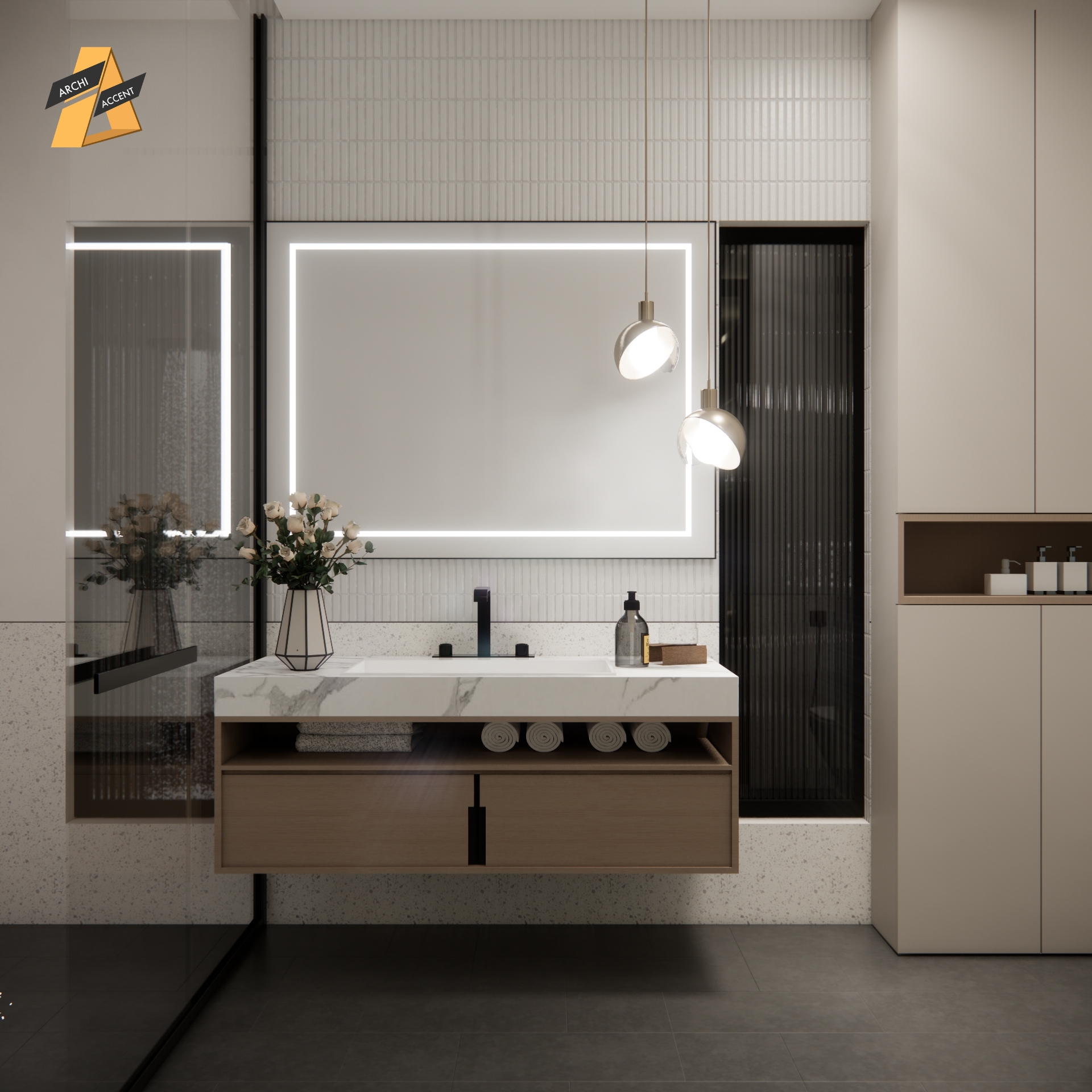
Many homeowners often ask about interior design cost in Bangladesh before starting a project. Understanding the factors that influence pricing helps plan budgets, make informed decisions, and avoid unexpected expenses. Archi Accent provides expert guidance to ensure clients receive value for money while achieving their dream interiors. Factors Affecting Interior Design Cost in Bangladesh The overall cost of interior design varies depending on several factors: Budget Planning and Transparency Archi Accent provides a clear cost breakdown and realistic timelines for every project. This transparency allows homeowners to plan their interior budget effectively, making the process stress-free and reliable. By understanding the interior design cost in Bangladesh and working with experienced professionals, homeowners can achieve functional, stylish, and lasting interiors without overspending.
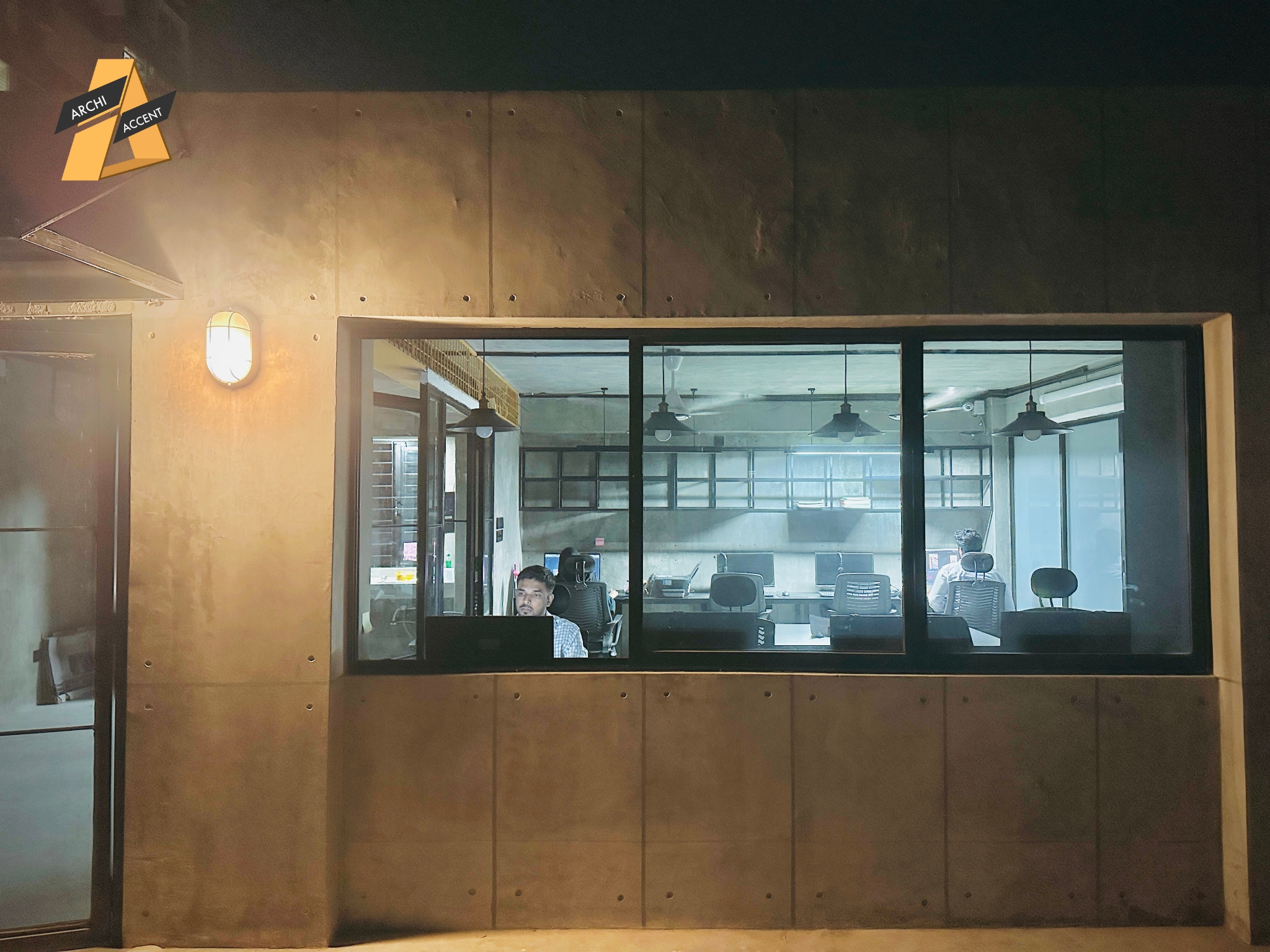
In Dhaka’s fast-paced urban environment, finding a top interior design firm in Dhaka is essential for creating smart, functional, and visually appealing spaces. Archi Accent has established itself as a leading firm by delivering modern interior solutions that balance style, practicality, and comfort for both homes and offices. Why Archi Accent is a Top Interior Design Firm in Dhaka Archi Accent specializes in designing layouts that optimize movement, storage, lighting, and overall comfort. Rather than overcrowding spaces, the firm emphasizes clean lines, purposeful design, and thoughtful use of materials. This ensures that every corner of a home or office is both functional and aesthetically pleasing. Office Interiors Designed for Productivity For office spaces, productivity and employee well-being are key. Archi Accent carefully plans furniture placement, lighting, and ergonomics to create efficient work environments. Collaborative areas, private workstations, and breakout spaces are designed to enhance workflow and employee satisfaction. Residential Interiors That Reflect Lifestyle Residential projects receive the same attention to detail. Living rooms, bedrooms, kitchens, and study areas are customized according to client lifestyle and preferences. Modern design principles are applied without compromising warmth or usability, creating spaces that feel both contemporary and livable. Local Expertise for Urban Challenges Being based in Dhaka, Archi Accent understands local construction challenges, regulations, and client expectations. This local insight ensures smooth project execution and reliable results, making the firm a trusted partner for modern interior solutions in the city. Choosing the top interior design firm in Dhaka guarantees spaces that are stylish, functional, and tailored to your needs. Archi Accent continues to set standards in design excellence across residential and commercial projects.
When searching for the best interior design company in Bangladesh, clients are looking for more than just beautiful spaces. They want functionality, reliability, and designs that last. Archi Accent has built a reputation as a trusted firm by delivering interior solutions that combine aesthetic appeal with practical living. Why Archi Accent is the Best Interior Design Company in Bangladesh Archi Accent believes that interior design should reflect lifestyle, culture, and everyday needs. Each project starts with a detailed understanding of the client’s requirements, budget, and spatial limitations. This ensures that the final design is visually stunning while remaining highly functional. Transparency is a key reason clients choose Archi Accent. From concept development to material selection and on-site execution, every step is clearly communicated. The firm focuses on using durable materials, efficient layouts, and smart lighting solutions to deliver spaces that stand the test of time. Combining Modern Design with Local Context In Bangladesh’s competitive interior design market, Archi Accent stands out by combining modern design principles with local architectural and cultural contexts. Whether it is a residential apartment, corporate office, or commercial project, the company prioritizes high-quality craftsmanship and timely delivery. Choosing the right interior design company is a long-term investment. By focusing on ethical practices, thoughtful design, and consistent results, Archi Accent has become synonymous with excellence in interior design across Bangladesh.
Working with a professional interior & architecture firm is not only about creating visually appealing spaces; it is about structured planning, expert execution, and long-term value. From the first discussion to final handover, a professional approach ensures clarity, efficiency, and peace of mind throughout the project. Initial Consultation with an Experienced Interior Design Firm The process begins with consultation and requirement analysis. An experienced interior design firm takes time to understand your lifestyle, functional needs, budget, and timeline. This step is crucial, as clear communication at the beginning helps avoid confusion and costly changes later. Site assessment and realistic planning are also part of this phase. Early identification of challenges allows the design team to propose practical and effective solutions. Design Development by Professional Interior and Architecture Experts After requirements are finalized, design development begins. Concepts are transformed into layouts, visuals, and material selections by professional interior and architecture experts. Clients are actively involved during this stage, ensuring the design reflects their vision while maintaining functionality. Revisions are handled thoughtfully, balancing aesthetics with practicality. This collaborative process results in a design that is both visually refined and comfortable to use. Execution and Quality Control by a Professional Design Team Execution is where experience truly matters. A professional design team manages site supervision, vendor coordination, and quality control. Regular monitoring ensures the approved design is implemented accurately, within budget, and on schedule. This structured workflow reduces delays, minimizes errors, and maintains consistency from start to finish. Final Delivery and Long-Term Value from a Design Firm Beyond completion, a reliable design firm focuses on long-term performance. Materials are chosen for durability and maintenance, not just appearance. Proper documentation and accountability ensure transparency throughout the project. A well-planned space should remain functional and relevant for years. Working with experts ensures your investment delivers lasting comfort and value. In the end, choosing a professional interior & architecture firm means choosing expertise, organization, and confidence—making the entire design journey smooth, reliable, and rewarding.
Choosing between custom interior design and ready-made solutions is a key decision for homeowners and business owners. Both options have their benefits, but understanding the differences helps you make a smart, long-term choice. Ready-Made Interior Solutions vs Personalized Design Ready-made interior solutions are convenient and time-saving. Furniture, cabinets, and finishes are pre-designed and widely available. This option suits tight timelines or budget-conscious projects. However, these solutions often lack flexibility and may not fully utilize space or match specific lifestyle requirements. Over time, this can affect functionality and comfort. How Personalized Interior Design Adds Value A tailored interior design approach ensures every element—layout, storage, materials, and finishes—is customized for your space. This approach maximizes usability and creates a balanced, functional environment. Lifestyle considerations, such as storage needs, workspace requirements, and family-friendly layouts, are thoughtfully incorporated. Materials are selected for durability and low maintenance, not just aesthetics. Cost, Timeline, and Long-Term Design Benefits Custom interior design may require more time and upfront investment, but it offers better long-term value. Future modifications, replacements, or adjustments are minimized, making it cost-effective over time. On the other hand, ready-made solutions are faster to implement but may require frequent adjustments or replacements. Benefits of Working with a Professional Firm Another advantage of choosing custom interior design is the support of professional designers or firms. Experienced interior and architecture teams guide you through every stage—from initial planning and layout design to material selection and execution. Their expertise ensures that your vision is implemented efficiently while avoiding costly mistakes. Professional firms also stay updated with the latest design trends, materials, and sustainable solutions. This allows you to incorporate modern aesthetics without compromising functionality or durability. In addition, designers can help optimize small or irregular spaces, creating layouts that feel open, organized, and visually appealing. By combining custom interior design with professional guidance, clients get a space that is unique, practical, and future-proof. Unlike ready-made solutions, this approach adapts to lifestyle changes and evolving needs, making it a long-term investment rather than a temporary fix. Finally, working with experts provides peace of mind. You know the project is monitored, quality is maintained, and timelines are followed. This ensures that the final outcome matches your expectations and delivers lasting satisfaction. Choosing the Right Interior Solution for Your Space If you need a quick setup, ready-made options can work. But for a unique, efficient, and lasting space, custom interior design is often the better investment. A professional approach ensures spaces are not just beautiful but functional, comfortable, and aligned with your lifestyle. Ultimately, your choice depends on priorities, budget, and timeline—but well-planned design always delivers superior results.
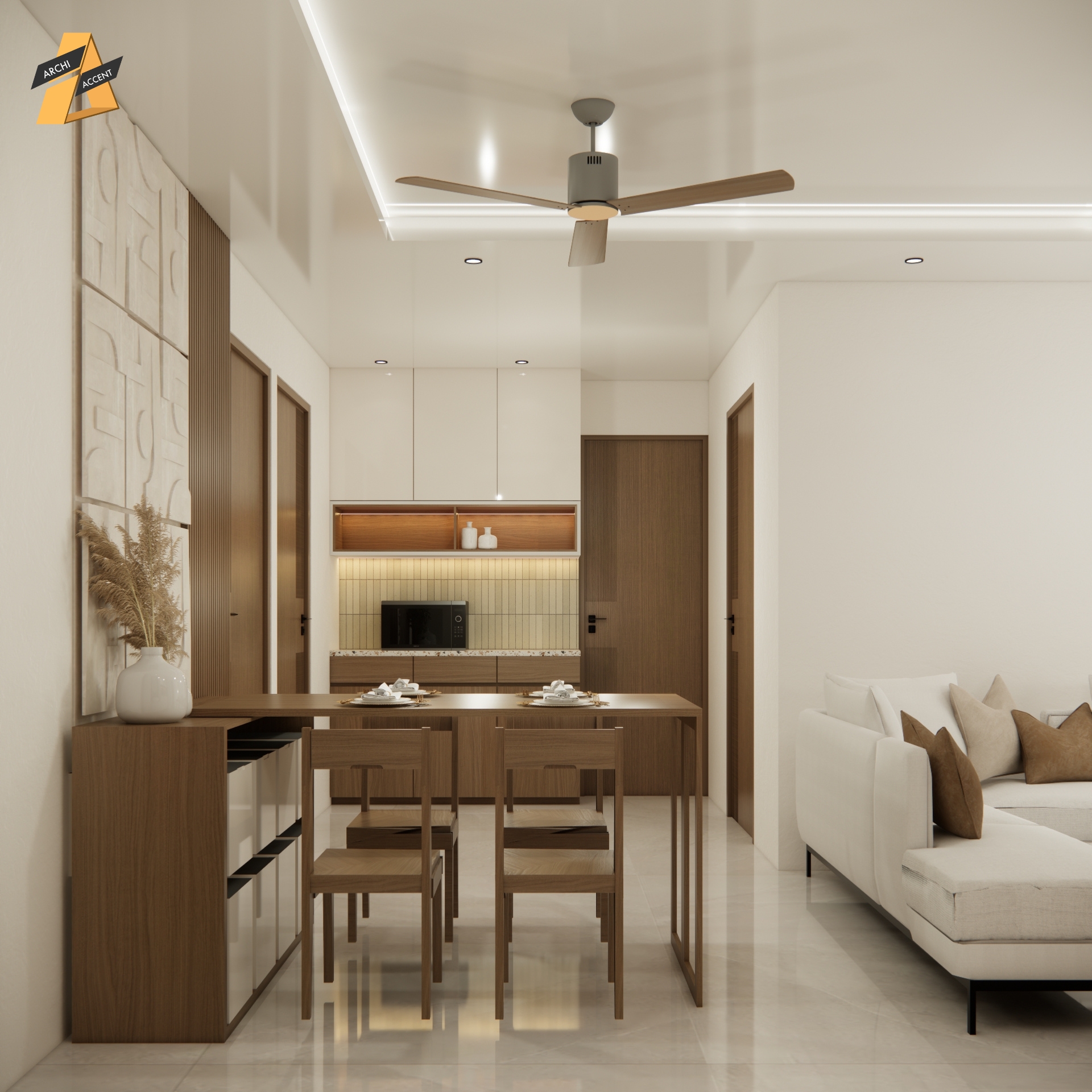
Modern Architecture Trends in Bangladesh: Implementation by Our Firm The field of modern architecture trends in Bangladesh is evolving rapidly. Contemporary homes and offices now emphasize clean lines, open layouts, and natural lighting. Clients seek spaces that are visually appealing, comfortable, and highly functional. Sustainable Design Practices Sustainability is a key focus of current architecture trends in Bangladesh. Energy-efficient solutions, natural ventilation, and locally sourced materials are increasingly popular. These strategies reduce operational costs, enhance indoor comfort, and promote environmental responsibility. Our firm integrates sustainable design solutions into each project, balancing style, functionality, and eco-friendliness. Minimalist Design with Practical Planning Minimalist aesthetics are at the core of modern architecture trends. Simplified, clutter-free spaces with functional layouts enhance usability while maintaining visual elegance. Our firm implements designs that combine minimalism with practical planning, ensuring every space is purposeful, organized, and visually harmonious. Adapting Global Trends Locally Modern architecture trends in Bangladesh often blend international design influences with local climate, cultural, and lifestyle considerations. Our firm customizes layouts, materials, and finishes to create spaces that are both contemporary and contextually appropriate. This ensures durability, comfort, and long-term relevance. Creating Long-Term Value and Satisfaction The ultimate goal of modern architecture trends in Bangladesh is to craft spaces that remain functional, efficient, and aesthetically pleasing for years. By combining sustainable practices, minimalist aesthetics, and functional planning, our firm delivers projects that provide lasting comfort, value, and satisfaction to clients. Working with a Professional Design Team Partnering with our experienced interior and architectural team ensures that each project is monitored closely, executed efficiently, and aligned with the client’s vision. This professional guidance transforms modern design concepts into practical, beautiful spaces that stand the test of time.
Every interior project begins with a clear vision. With our premium interior design solutions, client needs, lifestyle, and functional requirements are prioritized from the start. This ensures spaces that are visually appealing, practical, and uniquely tailored to individual preferences. Concept Development and Space Planning with Expert Solutions After establishing the initial concept, our team focuses on detailed space planning. Layouts are carefully designed to optimize comfort, efficiency, and flow. Materials, lighting schemes, and color palettes are thoughtfully selected to enhance the design while ensuring durability. By applying our expert interior design approach, we create harmonious and functional spaces that elevate everyday living. Execution and Professional Oversight Once the design is approved, execution begins. Our team provides on-site supervision and quality checks to ensure every detail is implemented accurately. Employing our premium design approach guarantees consistency in style, functionality, and craftsmanship, ensuring that the final outcome aligns perfectly with the approved plan. Collaboration and Transparent Communication Client involvement is central to the process. From sketches to final finishes, open communication is maintained at every stage. Our interior design expertise ensures that client expectations are met while delivering a smooth and stress-free experience. Delivering Functional, Elegant, and Long-Lasting Spaces From concept to completion, our structured process guarantees functional, elegant, and long-lasting spaces. Design is not just about aesthetics—it is about creating environments that enhance daily life. Choosing our premium interior design solutions results in beautiful, practical spaces built to last and bring lasting satisfaction to clients.

Many homeowners assume that hiring an interior design firm is costly. In reality, working with professionals can save both time and money by ensuring proper planning, execution, and oversight from the start. A structured approach prevents unnecessary delays and budget overruns. Efficient Planning and Smart Material Selection A professional interior design firm handles all aspects of the project, including layout planning, material selection, and construction coordination. This foresight minimizes costly changes during construction. Designers guide clients to choose materials that are durable, stylish, and budget-friendly. By working with a professional firm, clients achieve cohesive and functional spaces while avoiding overspending. Streamlined Workflow and Project Management Experienced designers manage schedules, supervise contractors, and coordinate multiple vendors. This integrated approach eliminates miscommunication and delays, ensuring a smoother project flow. Instead of juggling different teams, a single design firm takes responsibility for the entire project, saving clients both time and stress. Proactive Problem-Solving and Risk Reduction One of the key advantages of hiring an interior design firm is anticipating potential issues before they arise. Professionals identify challenges early, preventing costly mistakes and rework. From structural adjustments to layout refinements, their expertise ensures the project stays on track and within budget. Long-Term Value and Cost Savings Although hiring a firm involves upfront investment, the long-term savings are significant. Well-planned designs reduce waste, avoid errors, and improve efficiency. Choosing an interior design firm guarantees functional, elegant, and durable spaces, maximizing client satisfaction and value.
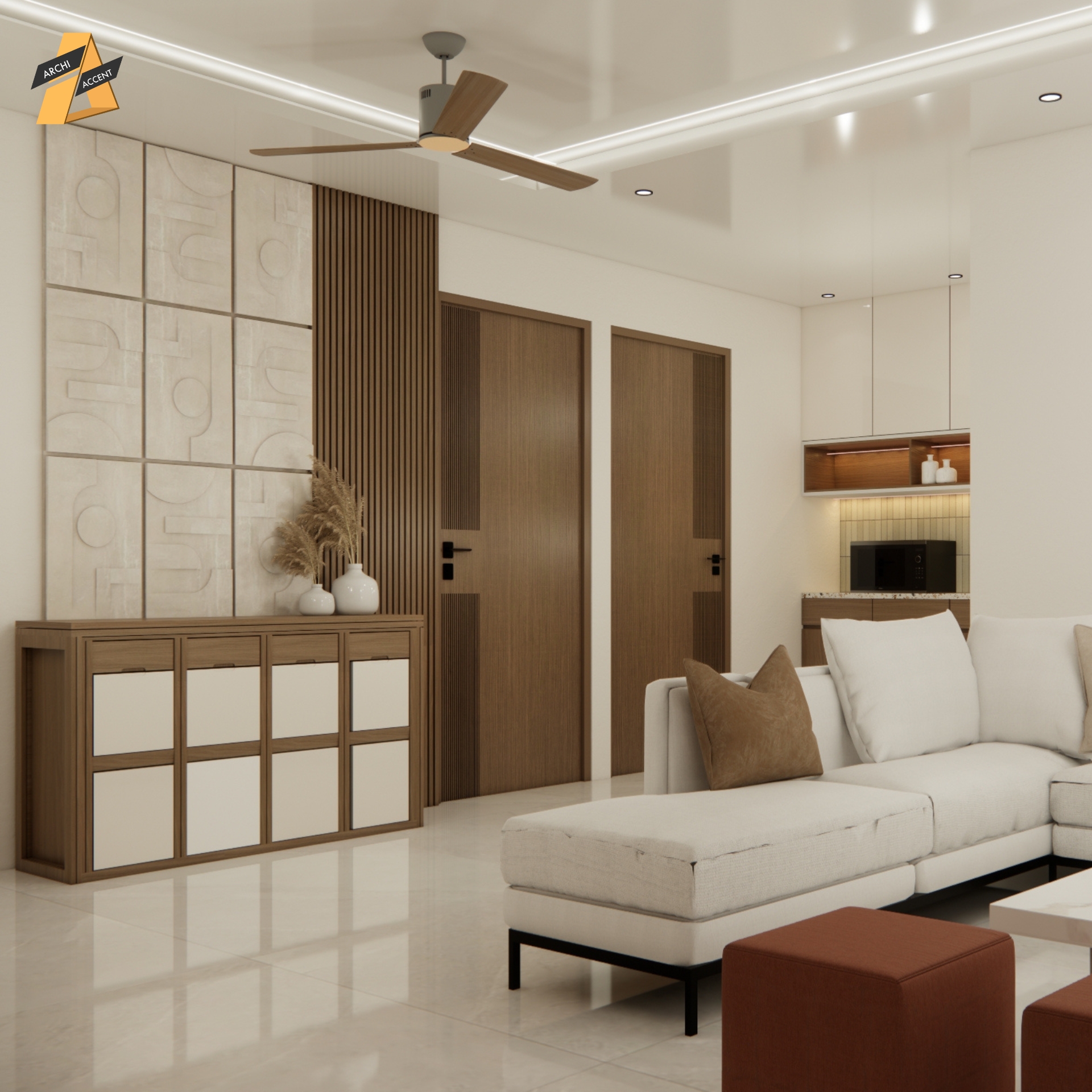
When it comes to premium quality interior design, every detail matters. From high-end materials to smart layouts, a well-designed space can transform the way you live and work. Archi Accent specializes in creating interiors that are not only stylish but also functional and long-lasting. What Makes Premium Quality Interior Design Stand Out Premium quality interior design is all about combining elegance, functionality, and comfort. The choice of materials, lighting, and furniture all contribute to a sophisticated living experience. How Archi Accent Delivers Premium Interior Solutions Archi Accent approaches each project with a luxury mindset. From the initial concept to the final execution, every step is carefully planned to ensure long-lasting beauty and performance. Their premium interior design solutions include: This design philosophy helps create interiors that feel rich, calm, and perfectly organized. Premium Interior Design for Modern Living Modern premium interiors are not just about aesthetics. They support better living by: Archi Accent combines modern interior trends with practical living solutions to achieve these goals seamlessly. Why Clients Choose Archi Accent for Premium Interiors When people search for premium interior design, they want a team that understands luxury, functionality, and long-term value. Archi Accent stands out because of: Their projects are designed not just to impress, but to last. Premium quality interior design is about creating a lifestyle, not just a space. If you’re looking for sophisticated, modern, and thoughtfully designed interiors, Archi Accent delivers premium solutions that redefine everyday living.