
Choosing the right interior materials is essential for a home in Bangladesh. High humidity, seasonal rainfall, heat, and everyday use can affect how materials look and perform over time. Therefore, selecting materials based only on appearance can lead to maintenance problems and unnecessary expenses. The right interior materials for Bangladesh’s climate should balance durability, comfort, appearance, and maintenance. At Archi Accent, we consider these factors when developing a personalized design for each client. 1. Choose Materials That Handle Humidity Humidity can cause certain wood products to swell, warp, or develop mould, especially when moisture enters through leaks or poorly ventilated areas. Therefore, consider moisture-resistant options for kitchens, bathrooms, and other areas exposed to damp conditions. For example, suitable PVC-based products or properly specified moisture-resistant boards may work for selected applications. However, no board is completely protected from every form of water exposure. Even moisture-resistant materials need suitable edge sealing, installation, and ventilation. Tip: Fix leaks and dampness before installing cabinets or wall finishes. Otherwise, moisture can damage even carefully selected materials. 2. Select Flooring for Durability and Easy Maintenance Flooring needs to handle regular foot traffic, spills, dust, and cleaning. Porcelain tiles can be a practical option for many Bangladeshi homes because they are durable and easy to maintain. However, choose a suitable slip-resistant finish for bathrooms and other wet areas. Engineered flooring or other wood-look products may suit bedrooms and living areas, depending on the product specifications and moisture conditions. Meanwhile, natural stone can offer durability and a distinctive appearance, but some varieties require sealing and specific cleaning methods. Therefore, consider both the appearance and the maintenance requirements before making your final choice. 3. Choose Cabinet Materials Carefully Kitchen cabinets, wardrobes, and storage units often face moisture, heat, and frequent use. For this reason, choose board materials, laminates, and hardware according to the location and expected exposure. Properly manufactured moisture-resistant boards may work well in suitable conditions, while PVC-based cabinetry can be useful in selected applications. In addition, pay attention to edge banding, joints, hinges, and installation quality. Moisture often enters through exposed edges and poorly sealed connections. Ultimately, the right combination of material and workmanship matters as much as the material itself. 4. Consider Heat When Choosing Interior Finishes Bangladesh’s hot weather can make indoor spaces uncomfortable, especially when direct sunlight enters through large windows. Although interior finishes alone cannot solve heat problems, thoughtful material selection can help. For example, light-coloured finishes may reflect more visible light, while appropriate window shading can reduce direct solar heat gain. In addition, consider curtains, blinds, suitable glazing, and ventilation when planning your interior. For the best results, coordinate these choices with the building’s orientation and existing thermal conditions. 5. Select Paints and Wall Finishes for the Right Conditions Paint can peel, blister, or develop mould when walls contain moisture. Therefore, check for leaks, damp patches, and ventilation problems before applying new finishes. Once the surface is dry and properly prepared, select a suitable primer and paint system for the room. For example, washable paints can make living areas easier to maintain. Meanwhile, moisture-resistant systems may suit certain kitchens and bathrooms when the manufacturer approves them for those conditions. However, paint alone cannot solve persistent dampness. Address the underlying moisture problem first. 6. Choose Hardware That Resists Corrosion Cabinet hinges, handles, drawer channels, and other metal fittings face repeated use. In humid conditions, lower-quality hardware may corrode or deteriorate more quickly. Therefore, choose hardware with suitable corrosion resistance and a quality level that matches its intended use. Moreover, check how smoothly hinges and drawer channels operate. Durable hardware can improve daily convenience and reduce the need for frequent replacements. 7. Think About Maintenance Before Choosing Materials Some finishes look attractive but require regular care. Others offer a simpler cleaning routine. For example, glossy surfaces may show fingerprints and scratches more clearly, while textured surfaces can collect dust in their grooves. Similarly, certain natural stones need periodic sealing. Before making a decision, ask: As a result, you can choose materials that suit both your home and your lifestyle. 8. Match Materials to Each Room Not every material belongs in every space. Instead, select finishes according to each room’s conditions and purpose. Area What to prioritize Kitchen Moisture resistance, easy cleaning, durable hardware Bathroom Slip resistance, water resistance, proper waterproofing Bedroom Comfort, low-maintenance finishes, suitable flooring Living room Durability, easy cleaning, resistance to everyday wear Balcony Weather-resistant materials suitable for outdoor exposure Most importantly, proper installation and moisture control remain essential, regardless of which material you choose. How Archi Accent Selects Interior Materials At Archi Accent, material selection begins with understanding the client’s needs, budget, lifestyle, and the conditions of the space. Our approach to personalized design considers more than colour and appearance. We also evaluate durability, maintenance, functionality, and material suitability for the intended application. This helps us develop interiors that balance visual appeal with practical everyday use. Choosing the right interior materials for Bangladesh’s climate requires careful attention to humidity, heat, durability, and maintenance. Therefore, assess the conditions of each room before selecting flooring, cabinetry, paint, hardware, and other finishes. Also, prioritize proper installation and resolve moisture problems before beginning interior work. With thoughtful planning and personalized design, Archi Accent aims to help clients create interiors that remain practical, attractive, and easier to maintain over time.
Electrical planning is an essential part of building a functional home. However, deciding where to place switches, sockets, and lights before planning your interior can create problems later. Interior design before electrical planning helps you coordinate furniture layouts, lighting, appliances, and daily activities from the beginning. As a result, you can reduce unnecessary changes and create a more practical living space. 1. Plan Electrical Points Around Furniture First, decide where your furniture will go. The position of your bed, sofa, dining table, and work desk directly affects where you need electrical points. For example, placing a socket behind a large wardrobe can make it difficult to access. Similarly, a switch placed behind a bed’s headboard may become inconvenient. Therefore, finalize the furniture layout before confirming electrical point locations. 2. Avoid Unnecessary Costs and Rework Changing electrical points after construction begins can require cutting walls, replacing wiring, repairing plaster, and repainting surfaces. However, proper interior design before electrical planning allows your design and electrical teams to coordinate their work in advance. Consequently, you can reduce avoidable rework, material waste, and additional labour costs. 3. Plan Lighting for Every Room Lighting affects both the appearance and functionality of your home. Therefore, think about how you will use each space before deciding where to install lights. For example, kitchens need focused lighting around work surfaces, while bedrooms benefit from a combination of general and bedside lighting. In addition, consider decorative lighting, reading lights, and task lighting where necessary. This approach helps you avoid dark corners and poorly lit work areas. 4. Place Switches and Sockets Conveniently Switches and sockets should support your everyday routine. For instance, bedside switches can help you control lights without leaving the bed. Meanwhile, accessible sockets near your work desk can power laptops and other devices. Also, plan dedicated electrical connections for appliances such as refrigerators, ovens, washing machines, and air conditioners according to their requirements. 5. Coordinate Electrical Points With Ceiling and Wall Design False ceilings, wall panels, built-in cabinets, and decorative features can affect electrical placement. Therefore, coordinate these elements before finalizing the electrical layout. Otherwise, lights may not align with the ceiling design, or wall panels may cover switches and sockets. Interior design before electrical planning helps your team coordinate these details and maintain a cleaner finish. 6. Consider Future Needs Your electrical requirements may change over time. For example, you may add a workstation, new kitchen appliances, or additional lighting. Therefore, discuss future requirements with your designer and qualified electrician before installation. They can assess suitable locations, circuit capacity, and other technical requirements. This preparation can make future upgrades easier without compromising safety. 7. Improve Safety Through Proper Planning Electrical planning involves more than convenience and appearance. It also affects safety. Keep sockets away from inappropriate wet areas, follow applicable electrical codes, and use suitable protection for kitchens and bathrooms. In addition, a qualified electrician should determine circuit loads, wiring specifications, and protective devices. Your interior designer can coordinate the layout, but a qualified electrical professional must verify the technical design. How Archi Accent Approaches Interior and Electrical Planning At Archi Accent, we believe interior design and execution should work together from the beginning. Our planning process considers furniture placement, lighting, storage, appliances, and the client’s lifestyle before execution moves forward. Through personalized design, we aim to create interiors where electrical points support everyday activities while complementing the overall design. Planning your interior before finalizing electrical points can help prevent inconvenient switch locations, poorly placed sockets, lighting issues, and costly changes. Therefore, coordinate your furniture layout, lighting plan, ceiling design, and appliance requirements before electrical installation begins. At Archi Accent, we combine practical planning with personalized design to help create homes that look refined and work well for everyday living.

Even with careful planning, changes can happen during an interior project. You may want to adjust a layout, replace a material, add storage, or change a lighting plan. However, interior construction changes can affect your budget, timeline, and overall design if you do not manage them properly. Therefore, understanding how to handle changes early can help you keep your project organized and avoid unnecessary expenses. 1. Understand Why the Change Is Necessary Before making a change, identify the actual problem. Does the current design fail to meet your needs? Have you discovered a site condition that requires a different solution? Or do you simply prefer another finish? For example, changing a cabinet layout to improve storage may offer long-term value. Meanwhile, replacing a selected finish just because a new trend catches your attention may add costs without improving functionality. First, evaluate the reason for the change. Then decide whether it supports your priorities. 2. Discuss Interior Construction Changes With Your Designer Never make major decisions without informing your designer or project team. Even a small adjustment can affect electrical points, plumbing, furniture dimensions, or other parts of the project. Instead, explain what you want to change and why. Your designer can then assess the impact and recommend a practical solution. At Archi Accent, clear communication and planning help clients make informed decisions throughout the design and execution process. 3. Check the Cost Before Approving Changes Some changes require additional materials, labour, or redesign work. Others may increase costs because workers must remove or redo completed work. Therefore, ask for a clear cost breakdown before approving any change. Also, check whether the change will affect other items in your project. This step helps you avoid unexpected expenses and keep your spending aligned with your budget. 4. Consider the Project Timeline Interior construction changes can delay work, especially when they involve custom furniture, special materials, or adjustments to electrical and plumbing systems. For instance, changing a kitchen cabinet design after production begins may require new measurements and manufacturing time. As a result, discuss the revised timeline with your project team before proceeding. Whenever possible, finalize major design decisions before execution starts. 5. Get Every Approved Change in Writing Verbal instructions can create confusion between clients, designers, contractors, and suppliers. Therefore, document each approved change. Include the revised design, additional costs, material details, and any timeline adjustments. Written confirmation gives everyone a clear reference. Moreover, it reduces the risk of misunderstandings during execution. 6. Avoid Making Decisions in a Hurry When you see work progressing on-site, you may feel tempted to make quick adjustments. However, rushed decisions can lead to poor coordination and unnecessary rework. Instead, review the available options with your designer. Consider how each option affects functionality, appearance, durability, and maintenance. This way, you can make decisions based on your long-term needs rather than temporary preferences. 7. Keep Your Original Priorities in Mind Not every suggested change deserves approval. Some adjustments improve the final result, while others distract from your original goals. Therefore, revisit your budget, lifestyle requirements, and design priorities before making a decision. A personalized design should reflect your needs while maintaining a practical balance between appearance, functionality, and cost. How Archi Accent Manages Interior Construction Changes At Archi Accent, we believe that successful execution depends on proper coordination between design and construction. Our approach considers the client’s requirements, site conditions, materials, and project scope before implementing changes. Through thoughtful planning and personalized design, we aim to help clients make practical decisions while maintaining the overall direction of their projects. Final Thoughts Interior construction changes do not always create problems. In fact, some adjustments can improve your home’s functionality and final appearance. However, every change needs proper evaluation. Discuss the reason, confirm the cost, review the timeline, and document the final decision before work proceeds. Ultimately, clear communication and careful planning can help you manage changes without losing sight of your project’s goals.

If your family regularly invites relatives, friends, or guests over, your home needs to support more than everyday living. A good home design for hosting should make entertaining comfortable while keeping the space functional for your family. Therefore, your layout, seating, dining area, lighting, and storage all need careful planning. Create a Comfortable Living Area First, focus on the living room. Instead of filling the space with large furniture, choose a layout that allows guests to sit and interact comfortably. For example, arrange sofas and chairs so people can easily face each other. Meanwhile, keep enough space between furniture for smooth movement. Plan Flexible Seating Your everyday seating may not be enough when guests arrive. However, you do not necessarily need a huge sofa. Instead, consider movable chairs, ottomans, benches, or nesting tables. As a result, you can adjust the arrangement depending on the number of guests. Make the Dining Area Practical Dining becomes especially important for families who love hosting. Therefore, choose a dining table that fits your regular family size while allowing some flexibility for guests. If space allows, consider an extendable table. In addition, keep serving areas close to the dining space so you can serve food without constantly moving between rooms. Keep the Kitchen Connected For many families, hosting does not happen only in the living room. Guests often gather around the kitchen while food is being prepared. A well-planned kitchen can therefore improve the entire hosting experience. Consider a practical island, sufficient counter space, and easy access to frequently used items. Add Smart Storage Hosting often means keeping extra dinnerware, serving dishes, cushions, and other items at home. Therefore, include dedicated storage for these items. Built-in cabinets, sideboards, and concealed storage can keep everything accessible without making the home look cluttered. Think About Lighting Lighting can change how a space feels when you host guests. Use layered lighting instead of relying on one central fixture. For example, combine general lighting with pendant lights, wall lights, or accent lighting. Moreover, dimmable lighting can help you create different settings for everyday family life and evening gatherings. Make Guest Movement Easy A good home design for hosting should also consider movement. Guests should be able to move from the entrance to the living and dining areas without navigating around unnecessary furniture. Therefore, keep major pathways open and avoid overcrowding. Design Around Your Family Most importantly, your home should work for your family even when nobody is visiting. That is where personalized design becomes important. Your designer should understand how your family lives, how often you host, and what kind of gatherings you usually have. At Archi Accent, we use these details to develop spaces that balance everyday family life with entertaining. Don’t Design Only for Large Gatherings You may love hosting, but you probably do not have guests every day. Therefore, avoid designing your entire home around occasional gatherings. Instead, choose flexible furniture and layouts that work for both everyday use and larger groups. As a result, your home remains comfortable whether you have two guests or twenty. How Archi Accent Approaches Hosting-Friendly Homes At Archi Accent, we believe there is no single formula for a hosting-friendly home. A family that hosts formal dinners has different requirements from one that prefers casual gatherings. Through personalized design, we consider your lifestyle, space, preferences, and hosting habits before developing the interior. Good home design for hosting is not about simply adding more seating. Instead, it involves creating a space where people can move, sit, eat, talk, and spend time comfortably. With flexible furniture, smart storage, practical layouts, and personalized design, you can create a home that works beautifully for both your family and your guests.
Planning a home interior involves many decisions. You have to think about furniture, storage, lighting, materials, colours, and more. Therefore, setting your interior design priorities early can make the process much easier. At Archi Accent, we believe every home needs a different approach. Through personalized design, we help clients focus on what matters most before making major design decisions. Start With Your Lifestyle First, think about how you actually use your home. Do you work from home? Do you cook frequently? Do you regularly host guests? Do you need extra storage? For example, a family with children may prioritize durable materials and practical storage. Meanwhile, someone who works from home may need a dedicated workspace. Your daily routine should therefore influence your interior design priorities. Separate Your Must-Haves Next, divide your requirements into three categories: This simple approach helps you focus on essential features first. Set Your Budget Your budget should guide your interior design priorities from the beginning. Instead of spending equally on everything, decide where quality matters most. For instance, you may want to invest more in kitchen cabinets, flooring, storage, or frequently used furniture. At the same time, you can choose simpler options for decorative elements that are easier to change later. Prioritize Functionality A beautiful interior should also make everyday life easier. Therefore, consider: For example, adding practical storage may provide more everyday value than an expensive decorative feature. Think About Future Needs Your requirements can change over time. Therefore, don’t plan your home only around your current lifestyle. Your needs may change if your family grows, you start working from home, or elderly parents move in. By thinking ahead, you can create a more flexible interior that remains useful for longer. Don’t Let Trends Decide Everything Trends can provide inspiration. However, they shouldn’t determine your entire interior. A trendy design may look attractive today but become less practical later. Instead, create a timeless foundation and introduce trends through smaller elements that are easier to replace. At Archi Accent, our personalized design approach focuses on your lifestyle and preferences rather than simply copying current trends. Consider Maintenance Maintenance should also be part of your interior design priorities. For example, busy families may prefer durable and easy-to-clean materials. Similarly, frequently used areas may need finishes that can handle everyday wear. As a result, the right material choice can make your home easier to maintain in the long run. Prioritize High-Use Areas Not every room needs the same level of investment. For instance, kitchens, bathrooms, living rooms, and wardrobes often receive more daily use. Therefore, investing in quality and functionality in these areas can provide greater long-term value. Let Your Personality Influence the Design Finally, your home should feel personal. At Archi Accent, we use a personality assessment to understand your preferences and help develop a personalized design that suits your lifestyle. As a result, your interior can reflect not only how you live but also what you naturally like. A Simple Priority Checklist Before starting your interior project, ask: ☐ What are my must-have features?☐ Which rooms need the most attention?☐ What is my realistic budget?☐ Where should I invest in quality?☐ What can I compromise on?☐ What will I need in the future?☐ How much maintenance can I manage?☐ Does the design reflect my personality? Once you answer these questions, you’ll have a clearer direction for your project. How Archi Accent Helps At Archi Accent, we help clients identify their priorities before developing their interior. We consider your lifestyle, space, budget, preferences, and future needs. Then, we bring these elements together through personalized design. This approach helps ensure that your budget goes toward features that genuinely improve your everyday life. Setting your interior design priorities makes the design process more focused and practical. More importantly, it helps you spend your budget on the things that matter most. Trends may change. However, a home designed around your lifestyle can remain useful and comfortable for years. At Archi Accent, we combine personalized design with an understanding of your personality and needs to create interiors that feel practical, comfortable, and truly yours.
Knowing how to choose an interior design firm in Bangladesh can make a major difference to your interior project. With many firms offering different styles, services, and price ranges, choosing the right one can feel confusing. However, you do not have to decide based only on attractive 3D designs or the lowest quotation. Instead, look at the firm’s experience, process, communication, materials, and execution capabilities. 1. Check the Interior Design Firm’s Portfolio Start by reviewing the firm’s completed projects. Do not only look at 3D renders. Instead, check photographs of finished spaces and see whether the firm has experience with projects similar to yours. For example, if you are designing an apartment, look for residential projects with similar layouts or requirements. 2. Understand Their Interior Design Services Before choosing an interior design firm in Bangladesh, find out exactly what the company provides. Some firms focus mainly on design, while others also handle execution, furniture, material sourcing, and site supervision. Therefore, ask what is included in your project and what you will need to arrange separately. 3. Compare the Quotation Carefully Price matters, but the lowest quotation does not always represent the lowest overall cost. Instead, compare what each quotation includes. Check materials, furniture, labour, design services, site supervision, and other project costs. Moreover, ask about possible additional costs before signing an agreement. 4. Ask About Materials and Quality Materials directly affect the durability and appearance of your interior. So, ask the firm about the boards, laminates, hardware, lighting, paint, tiles, and other finishes they plan to use. A reliable firm should explain material options clearly and help you choose according to your budget and requirements. 5. Evaluate Communication Good communication makes an interior project easier to manage. Therefore, notice how the firm communicates from your first consultation. Do they listen to your requirements? Do they answer questions clearly? Do they explain changes and costs? Most importantly, you should feel comfortable discussing your concerns with the team. 6. Check Their Execution and Site Supervision A beautiful design still needs proper execution. Therefore, ask who will manage the work once construction begins. Find out whether the firm provides site supervision, coordinates workers and vendors, checks materials, and monitors the quality of the finished work. This step can help reduce gaps between the approved design and the final result. 7. Look for Personalized Design Your home should suit the way you live rather than simply copy a popular design. That is why personalized design should be an important part of your decision. A good interior design firm should consider your lifestyle, preferences, space, budget, and functional requirements before developing the design. 8. Ask About the Complete Project Process Before hiring a firm, ask what happens from the first consultation to final handover. A clear process may include site measurement, space planning, concept development, 3D visualization, material selection, working drawings, execution, supervision, and handover. As a result, you will have a better idea of what to expect throughout the project. Why Choose Archi Accent? At Archi Accent, we believe that choosing an interior design firm should start with understanding the client’s needs. Our approach combines design, planning, and execution to create functional and visually refined spaces. We also focus on personalized design, so the final interior reflects the client’s lifestyle, preferences, and requirements rather than following a standard template. Learning how to choose an interior design firm in Bangladesh becomes easier when you know what to evaluate. Check the portfolio, understand the services, compare quotations, ask about materials, evaluate communication, and learn how the firm handles execution. Most importantly, choose a team that understands your requirements and can turn them into a practical, personalized design. Before making your final decision, take the time to compare firms carefully. A well-informed choice can make the entire interior design process more organized and manageable.

“The way you dress, the way you speak, the way you live, everything tells your story. Your home should too.” — Mahfuz Hossain, Founder & CEO, Archi Accent We express ourselves in many ways without even realizing it. The clothes we choose, the way we arrange our workspace, the places we enjoy spending time in, even the small things we keep around us can say something about who we are. Our personality naturally finds its way into the spaces we spend the most time in. So why should our homes be any different? For Mahfuz Hossain, Founder & CEO of Archi Accent, this is at the heart of good interior design. He believes a home should not simply look beautiful or follow whatever style is currently trending. It should feel personal. It should reflect the people who live there. A beautiful home is not always a personal home Walk through different homes designed around the same trends and you may notice something familiar. Similar colour palettes. Similar furniture. Similar lighting. Similar layouts. However the spaces may look polished, but sometimes they feel interchangeable. That is where the difference between decoration and design becomes important. Interior design is not only about deciding what looks good together. It is about understanding how someone lives, what they needs from a space, what they likes, and what makes them feel comfortable. Above all for Mahfuz Hossain, this is why personalized design matters. A home designed for someone who loves hosting friends should not function exactly like the home of someone who prefers quiet evenings. A person who works from home has different spatial needs from someone who spends most of their day outside. Even two people with the same apartment size and similar budgets can need completely different solutions. The space should respond to the person, not the other way around. Your lifestyle is part of the design When designing a home, the first questions should not always be about colours, furniture or trends. They should be about the person. How do you use your living room? Do you work from home? Do you enjoy cooking? Do you need privacy? Do you like having people over? What kind of atmosphere helps you relax after a long day? These questions reveal something that a floor plan alone cannot. They reveal the lifestyle behind the space. This approach is one of the ideas that shapes the work of Archi Accent. Instead of treating every project as a template, the team looks at the client’s lifestyle, preferences, space and requirements before developing a design direction. The goal is not simply to create an attractive interior. It is to create a space that makes sense for the person living in it. Personality can influence design Mahfuz Hossain has also explored this idea through Archi Accent’s approach to understanding personality in interior design. The concept is simple: if personality influences the way we dress, communicate and live, it can also influence the way we want our homes to feel. Some people naturally gravitate towards clean, minimal spaces. Others prefer richer materials, stronger contrasts or more expressive details. Some want their home to feel calm and understated, while others want it to have character the moment someone walks through the door. There is no single definition of a “perfect” home. There is only a home that feels right for the person living in it. This is why Archi Accent uses a personality assessment as part of its design-thinking process. Rather than choosing a style first and fitting the client into it, the idea is to understand the client first and allow the design to develop from there. Trends change. Your story does not. Interior trends come and go. A colour that is everywhere today may feel outdated a few years from now. A particular furniture style may become popular and then disappear. Social media can also make it tempting to recreate the same interiors we see repeatedly online. But a home is not a social media post. It is where you wake up, work, rest, spend time with family, celebrate occasions and return to at the end of the day. That is why blindly following trends may not always create the most meaningful space. A well-designed home can take inspiration from contemporary trends while still remaining personal. Materials, colours, layouts and furniture can be selected because they work for the homeowner, rather than simply because they are fashionable. Design should be personal, but it should also be practical Personalization does not mean filling a home with random things that represent someone. Good design still requires planning. The space has to work. Movement has to feel natural. Storage has to be considered. Materials need to be appropriate. Lighting has to serve a purpose. The design needs to work within the realities of the space and the client’s requirements. This is where architectural thinking and interior design come together. At Archi Accent, the focus extends beyond creating a design concept. The team works through the design and execution process, considering how the idea will actually come together on site. Because a beautiful idea on paper is only successful when it works in real life. From a space to a reflection of you Mahfuz Hossain’s quote captures a simple idea: your home is another form of self-expression. We often spend time thinking about how we present ourselves to the outside world. We choose our clothes carefully. We think about how we speak. We decide what we share and what we keep private. Our homes communicate too. The entrance, the lighting, the materials, the furniture, the way rooms connect and even the empty spaces between things can create a feeling that is uniquely yours. The purpose of personalized design is not to make every home completely different for the sake of being different. It is to make sure the design has a reason behind it. At Archi Accent, that means starting with the person before starting with the style. Because ultimately, your home
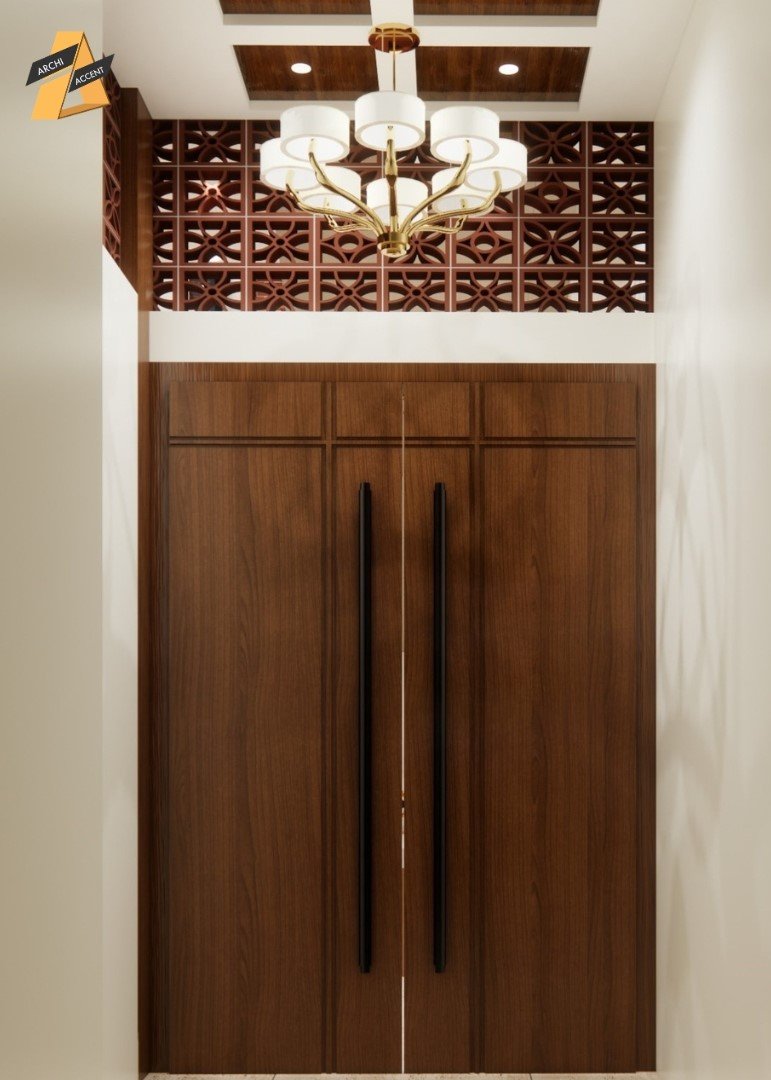
Choosing an interior designer who understands your needs is essential for a successful home interior project. A good designer should understand your lifestyle, budget, preferences, and practical requirements before creating your space. But how do you know if an interior designer understands your needs? Here are seven signs to look for. 1. They Ask About Your Lifestyle An interior designer who understands your needs will ask questions before suggesting designs. They may ask how you use each room, who lives in your home, how much storage you need, and what your daily routine looks like. For example, a family with children may need a different layout from someone living alone. Therefore, your designer should consider your lifestyle first. 2. They Listen to Your Ideas Listening is one of the clearest signs that an interior designer understands your needs. Instead of immediately presenting their own ideas, a good designer listens to your preferences, concerns, and expectations. They should also remember important details throughout the project. 3. They Understand Your Budget A professional designer should discuss your budget early. They should recommend suitable materials, furniture, and finishes based on what you can realistically spend. Moreover, they should explain where you can save and where spending more could improve durability or functionality. 4. They Explain Their Design Choices A good designer does not simply say that something “looks good.” Instead, they explain why a particular colour, layout, material, or furniture choice works for your home. As a result, you can understand the reasoning behind the design and make better decisions. 5. They Offer Personalized Design Your home should not look like a copy of someone else’s project. Instead, it should reflect how you live. That is why personalized design plays an important role. An interior designer who understands your needs will combine your lifestyle, preferences, space, and budget to create a design that suits you. 6. They Consider Functionality Interior design involves more than aesthetics. A designer should also consider storage, movement, lighting, comfort, maintenance, and long-term usability. Therefore, the final design should not only look beautiful but also make everyday living easier. 7. They Communicate Clearly Clear communication can prevent many problems during an interior project. Your designer should explain the project timeline, materials, costs, revisions, and construction process. Furthermore, they should encourage you to ask questions and provide feedback throughout the project. How Archi Accent Understands Your Needs At Archi Accent, we believe that good interior design starts with understanding the client. Our process focuses on your lifestyle, preferences, space, and practical requirements. We then use these insights to develop personalized design solutions that balance aesthetics and functionality. Most importantly, we do not believe that one design works for everyone. Your home should work for you. The right designer does more than create an attractive interior. They listen to you, understand your lifestyle, respect your budget, and communicate clearly. Ultimately, when an interior designer understands your needs, the result becomes more functional, comfortable, and personal. So, before hiring an interior designer, look beyond the portfolio. Make sure they understand you first.
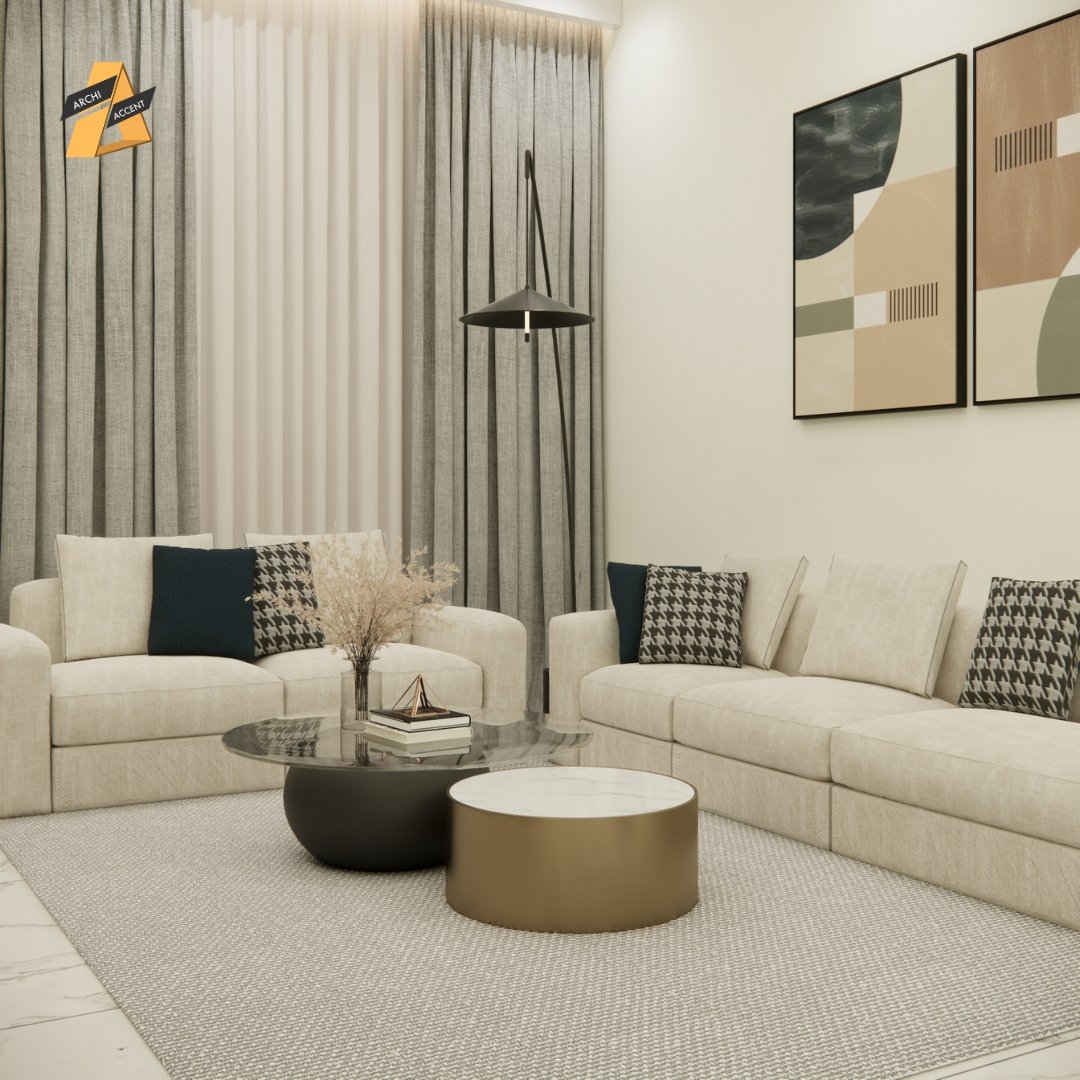
Choosing an interior design company is a major decision. After all, you’re investing in your home, your comfort, and your money. Therefore, comparing companies based on more than just price can help you make a better choice. Before making a decision, look at their experience, portfolio, services, communication, materials, and approach to personalized design. Look at Their Portfolio First, explore the company’s previous projects. A portfolio can show you: However, don’t only look for beautiful pictures. Try to see whether the company has experience with projects similar to yours. Compare Their Services Different companies offer different levels of service. For example, one firm may only provide design, while another may handle design, material selection, construction, furniture, and site supervision. Therefore, compare exactly what each company includes before comparing prices. Ask About Their Process A professional company should have a clear process. Ask how they handle: As a result, you’ll have a better idea of what to expect throughout the project. Don’t Choose Based on Price Alone Price is important, but it shouldn’t be your only deciding factor. A lower quote may exclude certain services or use different materials. Meanwhile, a higher quote may include additional services, better materials, or more detailed project management. So, compare what you’re actually getting for the price rather than comparing numbers alone. Check Material Quality Materials have a major impact on durability and appearance. Ask each company: Most importantly, make sure the quoted materials match the quality you expect. Evaluate Communication Good communication can make an interior project much easier. Notice whether the company: After all, even a talented designer may not be the right choice if communication is difficult. Ask About Site Supervision Design and construction need to work together. Therefore, ask who will monitor the site and how frequently the team will check the work. Proper supervision can help maintain design accuracy, workmanship, measurements, and finishing quality. Look for Personalized Design Not every home needs the same solution. A good interior company should understand your lifestyle, preferences, family requirements, and budget before creating the design. At Archi Accent, we focus on personalized design rather than simply applying a standard template to every project. In addition, our personality assessment helps us understand your preferences and create a design that feels more personal to you. Ask About Changes and Extra Costs Changes can happen during an interior project. However, you should understand how the company handles them. Ask: This way, you can avoid confusion later. Check Reviews and Client Experience Reviews can provide useful insight into how a company works with clients. Look beyond comments about design and check whether clients mention: However, consider multiple reviews rather than relying on a single opinion. Compare the Contract Before signing, carefully compare the terms provided by different companies. Look for details about: If something isn’t clear, ask before signing. A Simple Comparison Checklist Before choosing an interior design company, compare: What to Compare Questions to Ask Portfolio Have they completed similar projects? Services What exactly is included? Materials What quality and specifications do they offer? Design Is it personalized to your needs? Supervision Who manages the site? Communication How will they keep you updated? Cost What does the quoted price include? Timeline When will the project be completed? Contract Are the terms clearly documented? Why Archi Accent Takes a Personalized Approach At Archi Accent, we believe the right interior begins with understanding the client. Our personalized design approach considers your lifestyle, personality, preferences, space, budget, and practical requirements. Then, we translate those insights into a design and execution plan suited to your home. Our personality assessment also helps us understand your design preferences before the design process begins. When you compare interior design companies, don’t simply choose the cheapest quote or the most attractive portfolio. Instead, consider the complete experience—from consultation and design to materials, construction, supervision, communication, and final delivery. The right company should understand what you need and explain how they can deliver it. At Archi Accent, we combine personalized design, careful planning, and project execution to create interiors designed around the people who live in them.
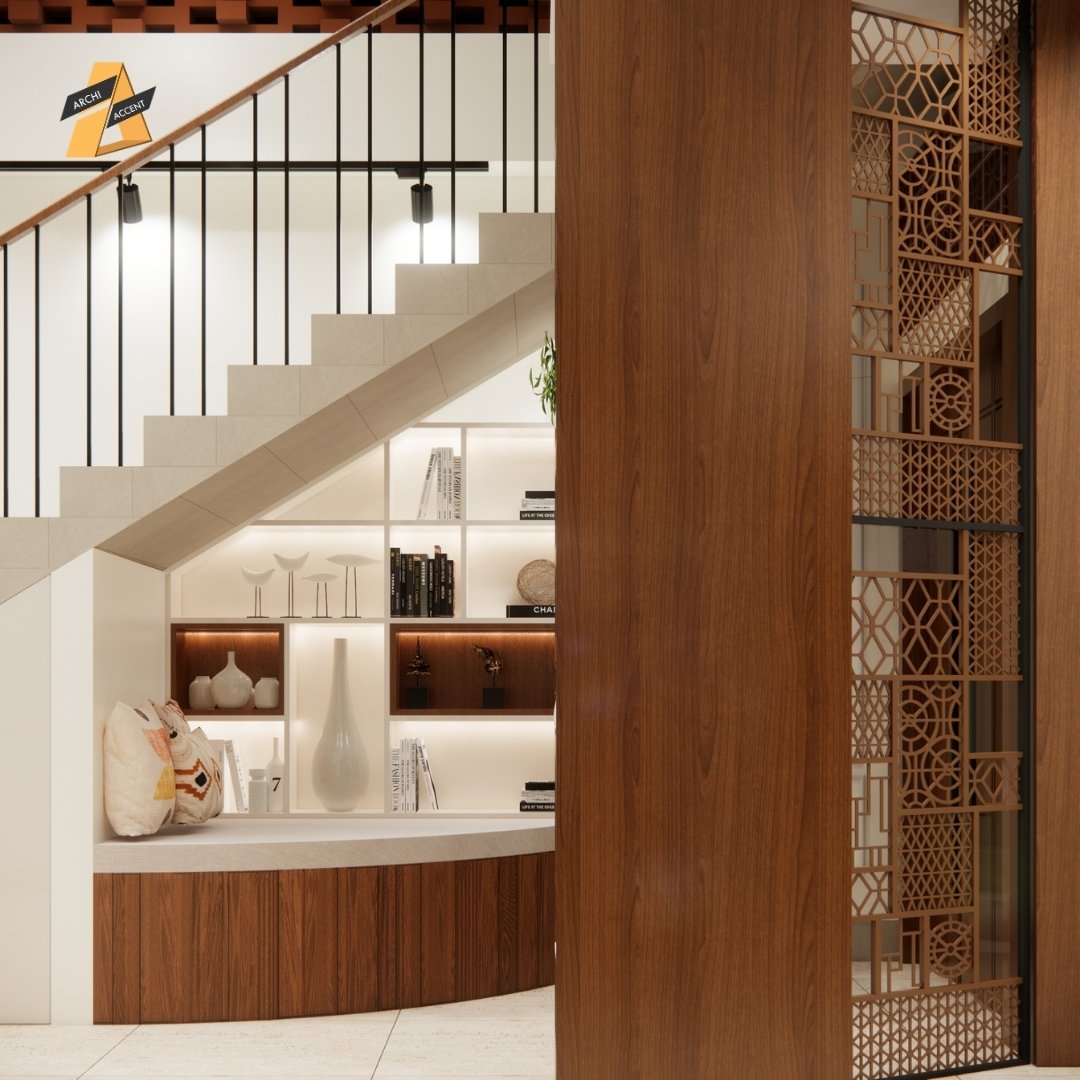
Hiring an interior designer is about more than choosing someone with a beautiful portfolio. More importantly, your designer should understand how you live, what you need, and what you expect from your home. When an interior designer understands your needs, the final design becomes more practical, comfortable, and personal. At Archi Accent, we believe this understanding should come before the design itself. They Ask About Your Lifestyle A good designer doesn’t immediately start discussing colors and furniture. Instead, they ask questions about your everyday life. For example: By asking these questions, a designer can create solutions based on your actual lifestyle. They Listen Before They Suggest Listening is just as important as design expertise. If you explain that you need more storage, a designer should understand why you need it before recommending a solution. Similarly, if you prefer a minimalist interior, they should understand what minimalism means to you rather than simply showing you a standard minimalist template. They Ask About Your Budget Your budget is an important part of your requirements. A designer who understands your needs should discuss your budget early. As a result, they can recommend materials, furniture, and finishes that fit your priorities without creating unrealistic expectations. At Archi Accent, we consider budget alongside lifestyle and design preferences as part of our personalized design approach. They Don’t Force Trends on You Trends can provide inspiration. However, your home shouldn’t look like a copy of something you saw online unless that’s genuinely what you want. A designer should explain different options and help you choose what works for your lifestyle. Ultimately, your home should reflect you—not simply the latest trend. They Remember the Details You Share Pay attention to whether your designer remembers your requirements throughout the process. For example, if you previously mentioned that you need a quiet workspace or additional kitchen storage, those requirements should appear in the design discussion later. This shows that the designer isn’t simply following a template. They Explain Their Decisions A good designer should be able to explain why they recommend something. For instance, they might explain why a particular material suits your lifestyle or why a certain furniture arrangement improves movement through the room. Therefore, don’t hesitate to ask questions. A designer who understands your needs should be comfortable explaining their reasoning. They Offer Solutions, Not Just Ideas Interior design isn’t only about making a mood board. A professional should think about practical issues such as: As a result, the design should work in real life, not just look good in a 3D visualization. They Adapt the Design to You Every home and homeowner is different. A family with children may need durable materials and flexible storage. Meanwhile, someone living alone may prioritize a different layout and atmosphere. This is why personalized design matters. At Archi Accent, we don’t believe one design solution works for everyone. We consider your personality, lifestyle, preferences, and requirements before developing the interior. Personality Can Influence Design Your personality can also influence the kind of environment you feel comfortable in. That’s why Archi Accent uses a personality assessment as part of understanding clients. The assessment helps explore your preferences and provides useful insight into the type of interior that may suit you. Then, we use those insights alongside your practical requirements to develop a more personalized design. They Welcome Your Feedback Interior design is a collaborative process. You should feel comfortable saying what you like, what you don’t like, and what you want to change. At the same time, your designer should explain how a requested change might affect the budget, timeline, or overall design. Open communication helps both sides make better decisions. A Simple Test Before choosing an interior designer, ask yourself: ☐ Did they listen to my requirements?☐ Did they ask about my lifestyle?☐ Did they understand my budget?☐ Did they offer practical solutions?☐ Did they explain their recommendations?☐ Did they adapt ideas to my preferences?☐ Did I feel comfortable sharing my opinions? If most of your answers are yes, you’re likely working with someone who is genuinely trying to understand your needs. How Archi Accent Approaches Your Needs At Archi Accent, we believe the first step in good interior design is understanding the client. Our personalized design process considers your lifestyle, personality, preferences, budget, and practical requirements. In addition, our personality assessment helps us understand your design preferences before we begin developing your interior. The goal isn’t simply to create a beautiful space. Instead, we aim to create a home that makes sense for the person or family living in it. A good interior designer doesn’t just design a space—they understand the person behind it. Therefore, look for a designer who listens carefully, asks meaningful questions, respects your budget, explains their decisions, and adapts the design to your lifestyle. At Archi Accent, we believe every home deserves personalized design. By understanding you first, we can create an interior that feels comfortable, functional, and genuinely yours.