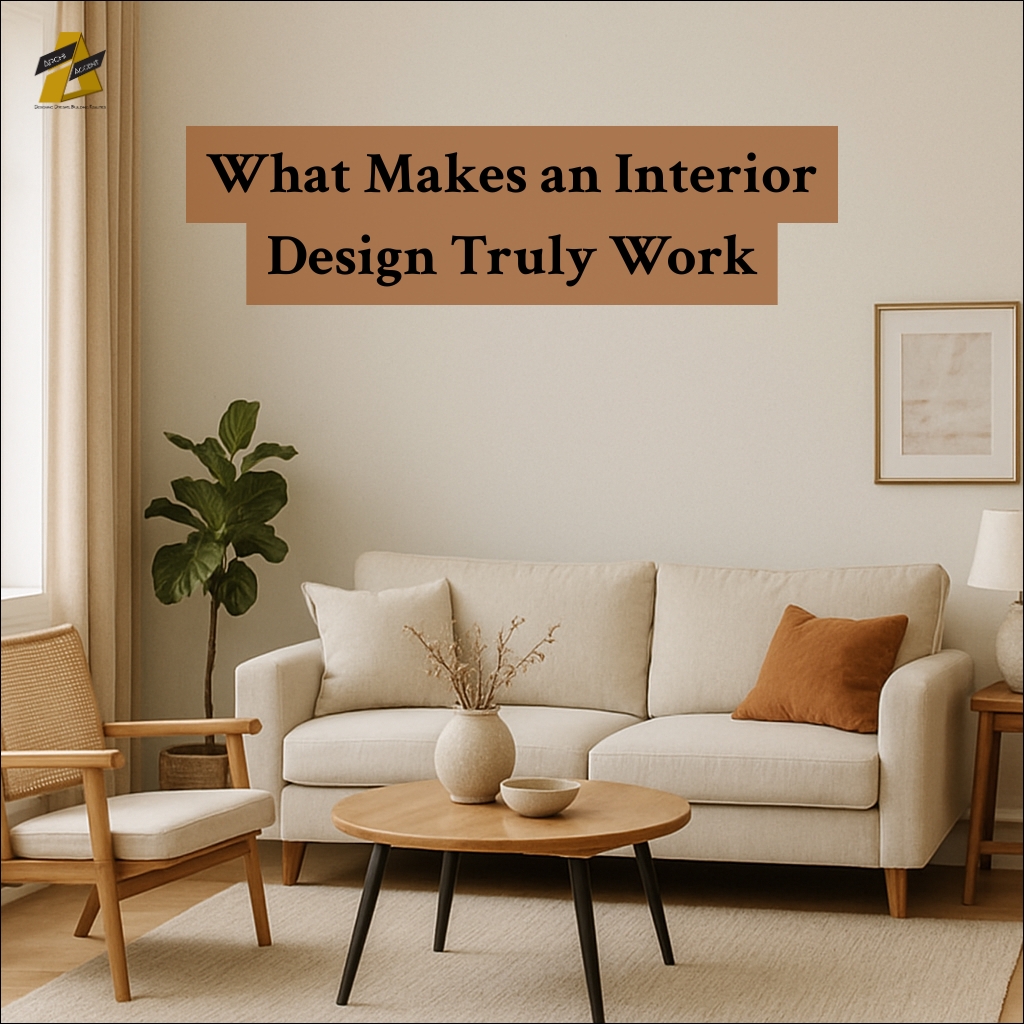
When we step into a beautifully designed space, it often feels effortless — as if everything just naturally belongs. But behind that seamless experience lies a thoughtful blend of creativity, planning, and functionality. So, what truly makes an interior design work? It’s not just about good looks. It’s about how a space makes you feel, live, and connect. 1. Purposeful Functionality A design isn’t successful if it doesn’t serve the people using the space. A cozy living room should invite conversation. A productive office should inspire focus. Every piece — from furniture to lighting — should serve a clear purpose. When beauty meets usability, that’s when design starts to work. 2. Emotional Connection Good interior design tells a story. It reflects the personality, dreams, and memories of those who live or work there. The right colors, textures, and layouts create an emotional response — comfort, excitement, calm, or energy — depending on what the space is meant to offer. 3. Balance and Harmony A room needs balance — between light and dark, hard and soft, large and small. It’s not about strict symmetry; it’s about making sure that no element feels out of place. Harmony ties the space together, making it feel complete. 4. Thoughtful Details Small details often have the biggest impact. The curve of a chair, the texture of a wall, the warmth of a lamp — these little touches add layers to a space. They make it feel lived-in, loved, and intentional. 5. Adaptability Life changes — and a truly great design can adapt. Flexible layouts, movable furniture, multipurpose areas — these ideas future-proof a space, making sure it continues to serve its users over time. 6. Natural Flow Movement within a space should feel effortless. A good design considers pathways and makes sure people can navigate the area without obstacles or confusion. It’s almost like a silent guide, leading you comfortably from one spot to another. 7. Authenticity Trendy designs come and go. What lasts is authenticity. A space that feels true to the people who use it — not just copied from a magazine or Pinterest board — will always feel right. In the end, a truly working interior design is not just seen — it’s felt. It’s the invisible hand that shapes comfort, joy, and connection in a space. When design touches both our lives and our hearts, that’s when it becomes truly unforgettable.
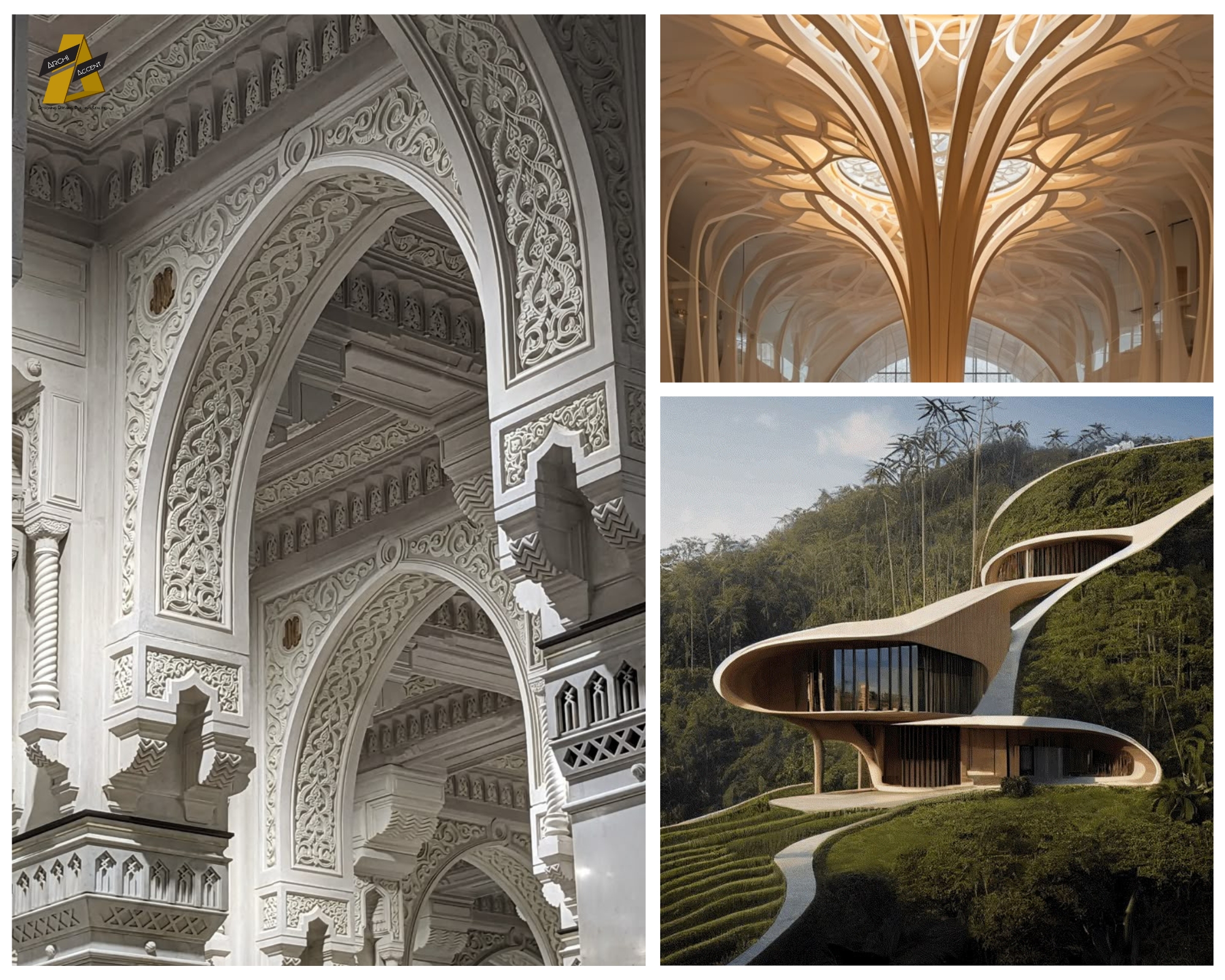
Architecture means the design and building of places where we live, work, pray, and gather. It tells us how people lived in the past and what they believed in. Let’s take a quick journey through the history of architecture, from ancient times to today. In the BeginningLong ago, people needed a place to live and stay safe. So they built small houses using mud, wood, and stone. Indus Valley (now in Pakistan and India): They had smart city planning, with straight roads and drainage systems. Egypt: The ancient Egyptians built huge pyramids. These were used as tombs for kings and showed their power. Mesopotamia: People here built temples called ziggurats that looked like big steps going to the sky. 🏛️ Greek and Roman Times The Greeks and Romans made beautiful buildings with columns and domes. 🕌 Architecture and Religion As religion became more important, buildings also became more spiritual. 🏰 Renaissance and After The Renaissance was a time of learning and art. Builders used ideas from old Roman and Greek styles. 🏢 The Modern World When machines were invented, architecture changed a lot. 🇧🇩 Architecture in Bangladesh Our country also has a rich history in architecture. Architecture is not just about buildings. It tells the story of people — what they needed, what they believed, and how they saw the world. From old temples to modern homes, architecture shows our journey through time.
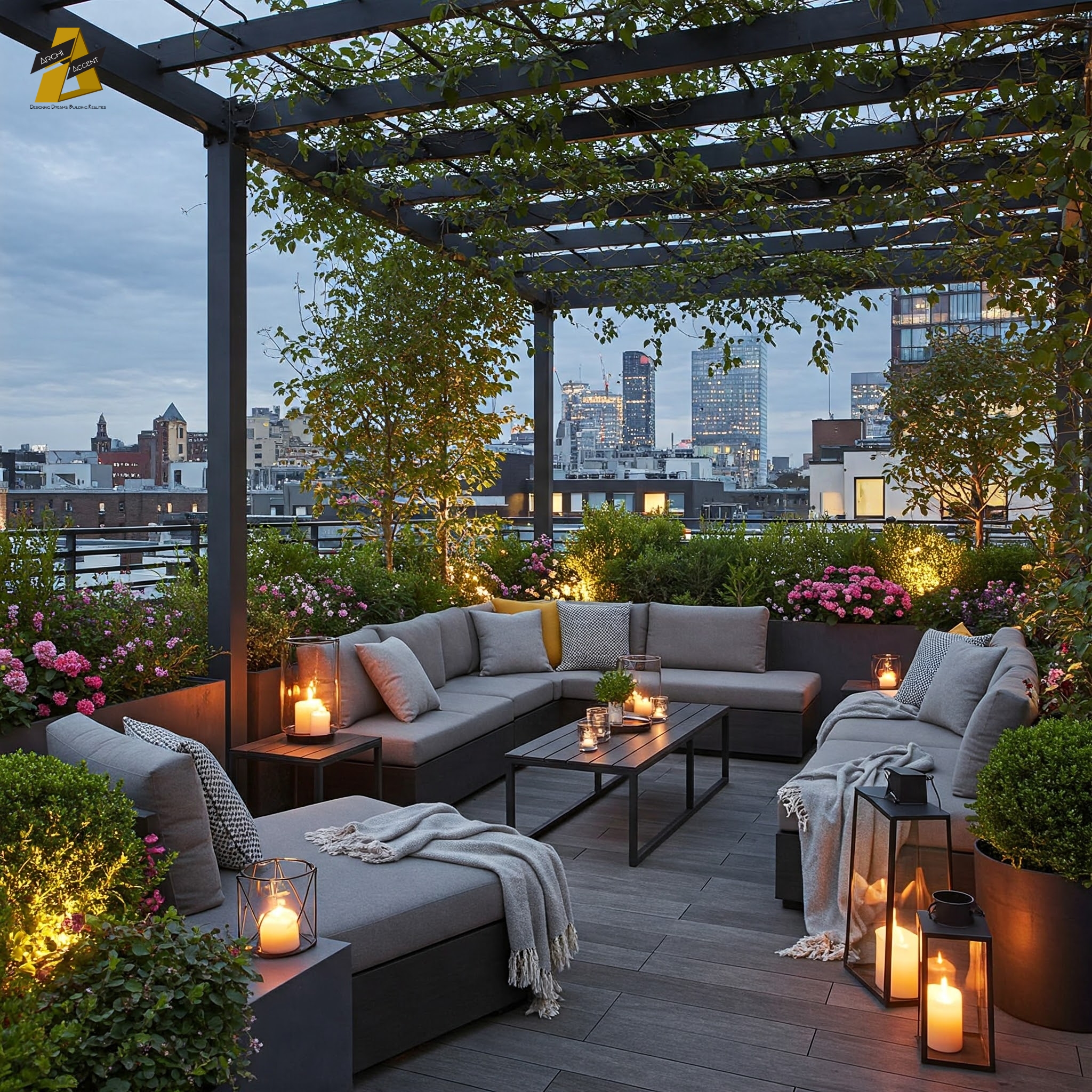
In modern urban settings, rooftops are no longer just empty spaces above buildings; they have become extensions of living and social areas. A well-designed rooftop can provide a peaceful retreat, a green oasis, or even a lively entertainment zone. Key Elements of Rooftop Design A well-planned rooftop is more than just an open space; it’s an opportunity to create a personalized sanctuary above the city. Whether for relaxation, social gatherings, or greenery, thoughtful design can turn any rooftop into a functional and aesthetic extension of your home. 4o
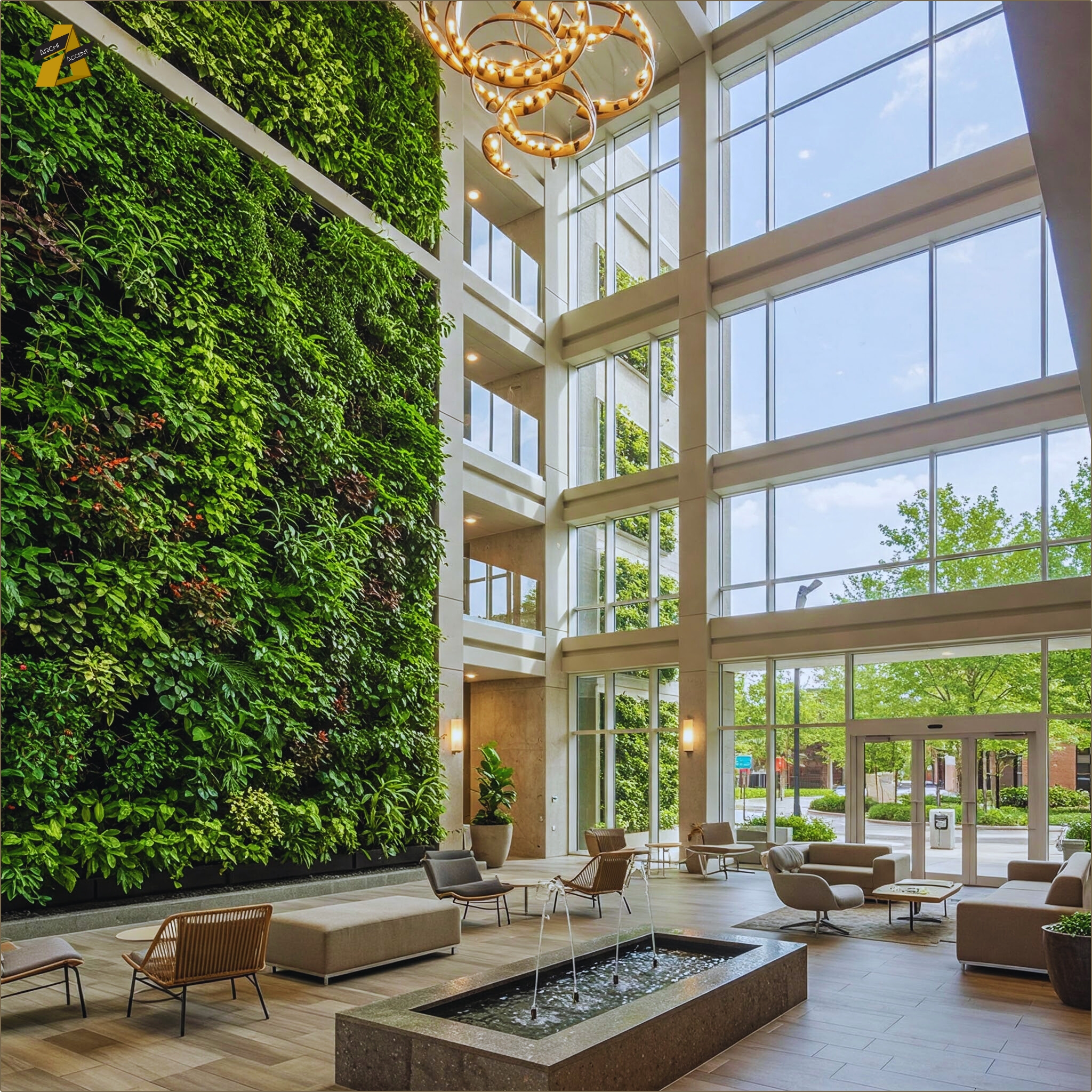
Biophilic design is an architectural approach that connects people with nature by integrating natural elements into buildings. This style enhances well-being, creativity, and sustainability. Examples include indoor gardens, green walls, and natural lighting in homes and offices. Why Does It Matter Today? As cities grow and green spaces shrink, biophilic design offers solutions: Modern Uses and Challenges Architects today incorporate biophilic design in urban settings with rooftop gardens, water features, and large windows. However, challenges like high costs and limited space can make implementation difficult. A Solution for the Future? Biophilic design can create healthier, more sustainable living spaces. By integrating nature into buildings, architects can improve both environmental and human well-being. As urbanization continues, designing with nature in mind may be the key to a greener future.
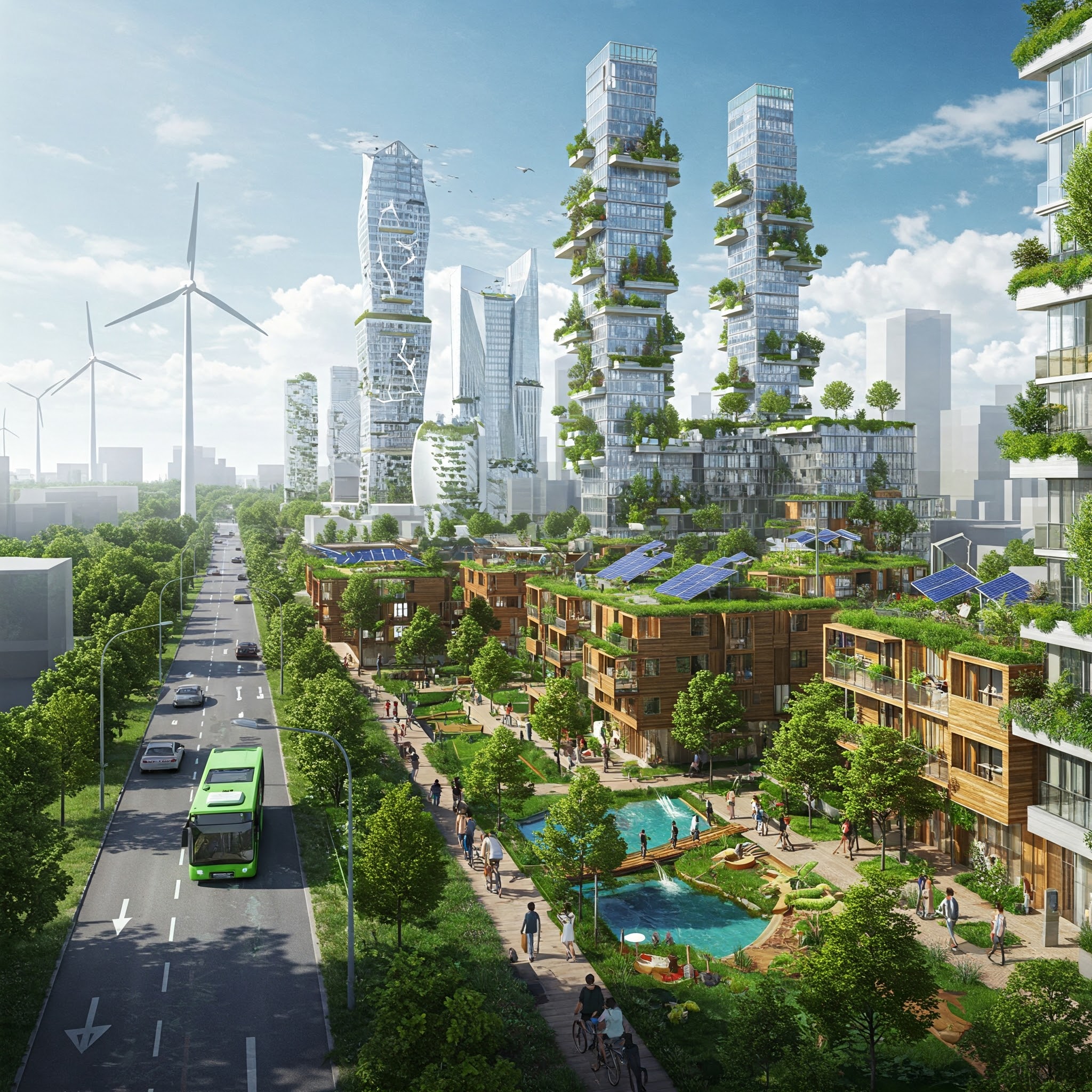
Sustainable architecture is becoming more popular as people look for ways to protect the environment. Architects now focus on creating buildings that are both beautiful and eco-friendly. What is Sustainable Architecture? It means designing buildings that use less energy, water, and materials. These buildings are made to last longer and have a smaller impact on the environment. Key Features of Green Buildings Energy Saving: Using natural light, fresh air, and smart designs to reduce the need for heating, cooling, and lights. Eco-Friendly Materials: Using recycled, local, or natural materials like bamboo and jute. Green Roofs and Walls: Adding plants to roofs and walls helps cool buildings and improve air quality. Water Saving: Collecting rainwater and reusing water inside the building. Examples Around the World The Edge in Amsterdam uses solar panels and rainwater collection to stay energy efficient. Bosco Verticale in Milan has trees growing on its balconies, improving air and reducing pollution. Green Architecture in Bangladesh In Bangladesh, architects use local materials and traditional designs mixed with modern ideas to create eco-friendly buildings. This helps communities face climate challenges. Why It Matters Green buildings are better for the planet and for people. They offer cleaner air, save money on energy, and create healthier spaces. The Future of Green Design New technology is making it easier to build eco-friendly homes. From 3D-printed houses using recycled materials to homes that produce their own energy, the future looks bright for sustainable architecture. Building greener today means a better world tomorrow.
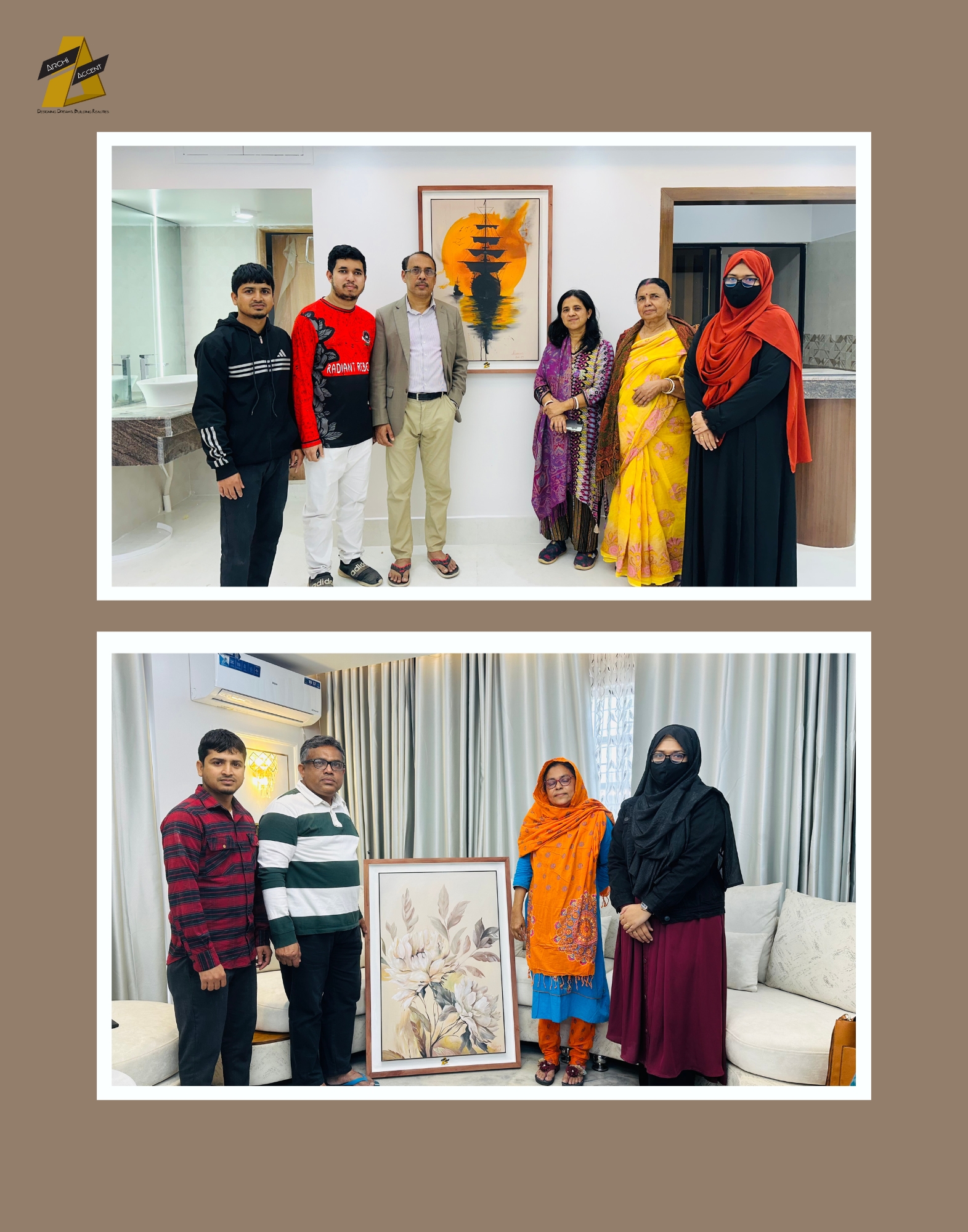
At Archi Accent, we believe in building strong connections beyond just design. This year, we wanted to express our gratitude in a way that reflects our creativity and appreciation. Instead of the usual tokens, we chose something meaningful—custom canvases, carefully selected for each client.Our work revolves around aesthetics and personalization, so we wanted to share something that aligns with that philosophy. A canvas isn’t just decor; it’s an artistic expression, much like the spaces we create. A Shared Passion for DesignSeeing how these canvases seamlessly fit into our clients’ homes has been truly rewarding.At Archi Accent, we don’t just design spaces; we build relationships. This was our way of celebrating that bond, and we look forward to many more creative collaborations ahead!
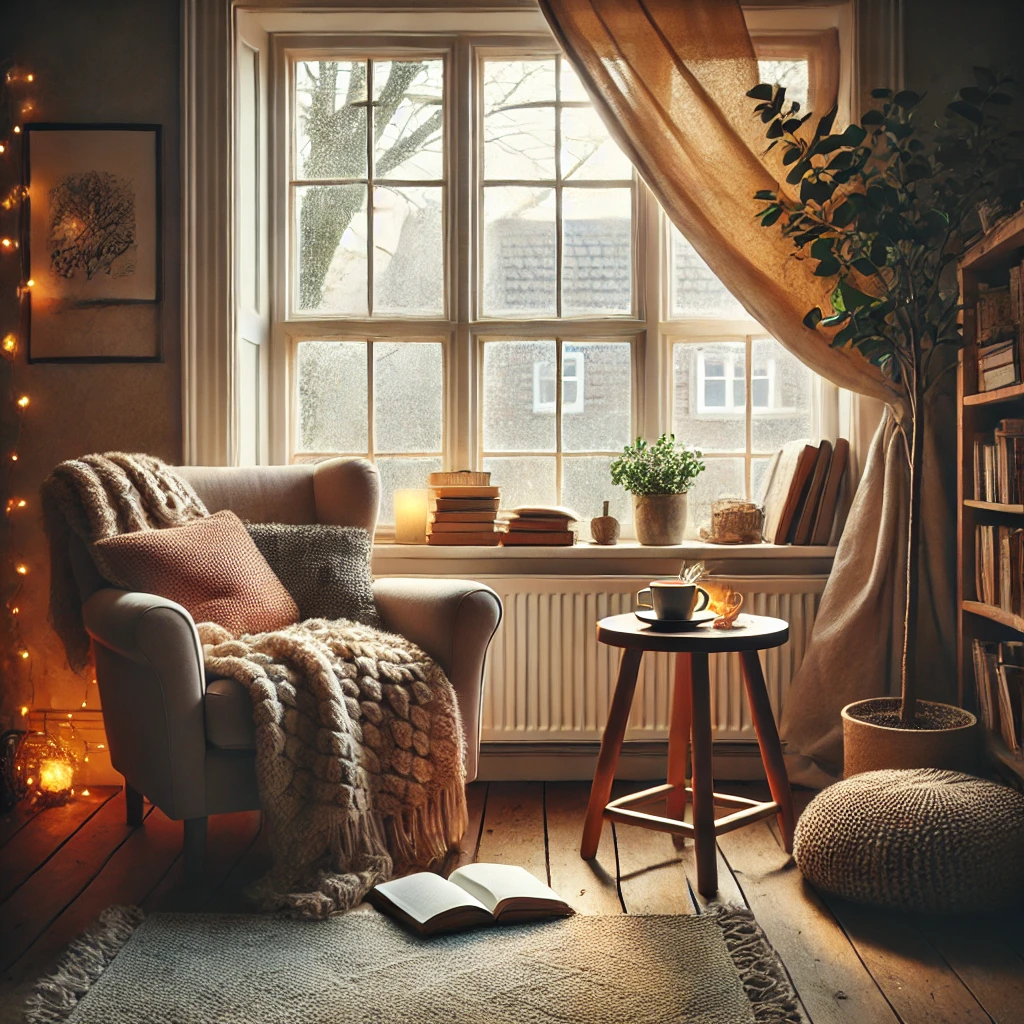
Want a comfy spot to relax? Here’s how to make your own cozy corner:
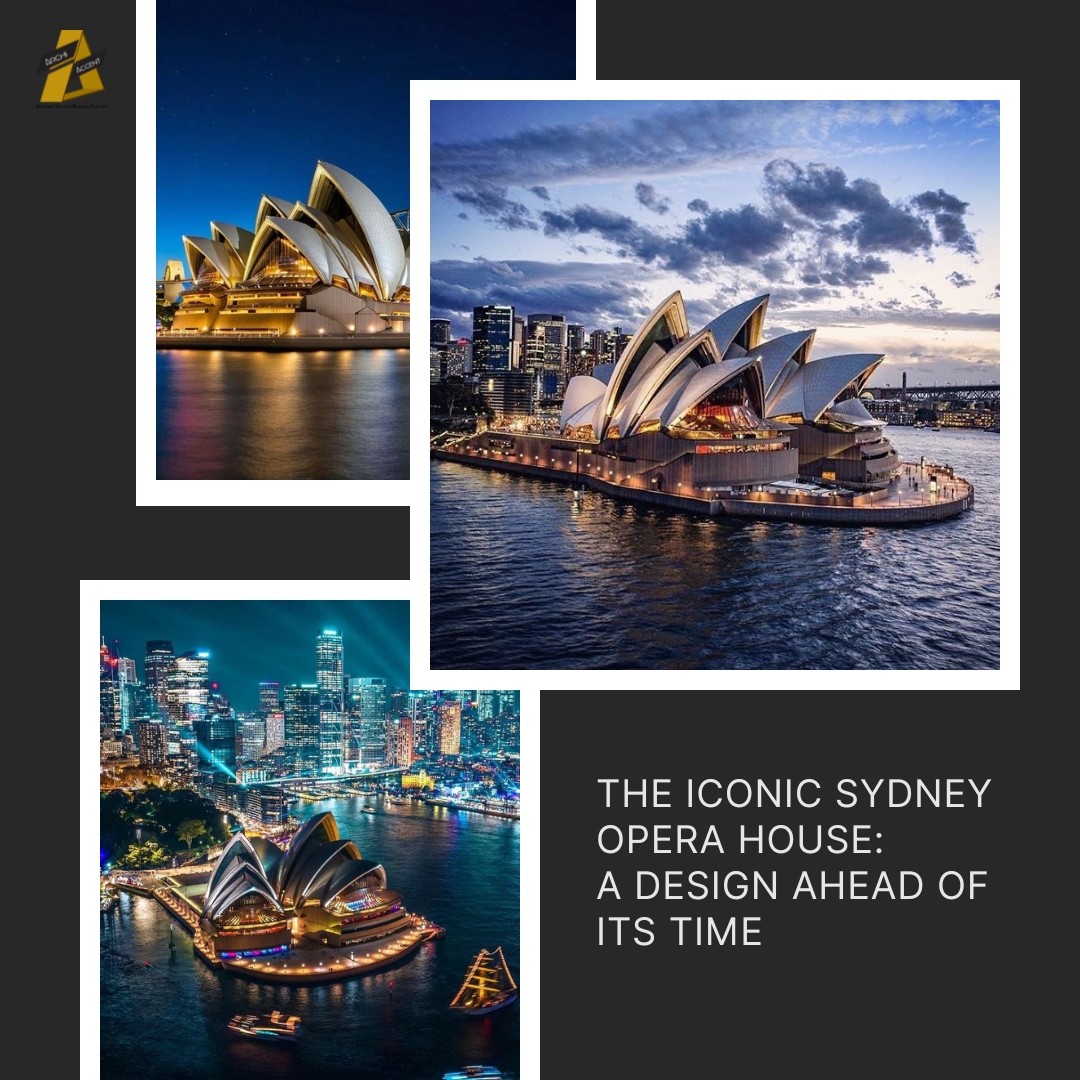
The Sydney Opera House isn’t just beautiful—it’s a masterpiece of modern architecture. Its roof looks like giant sails, making it one of the most famous buildings in the world. Building those curved roofs wasn’t easy, but engineers made it happen with new ideas. Sitting by Sydney Harbour, it blends perfectly with the water and skyline.
A faceting effect livens up and interrupts the cubism that sets the morphology of the West system apart from the cliches of modern design. Characterised by its suitability for use in a wide range of different…
A faceting effect livens up and interrupts the cubism that sets the morphology of the West system apart from the cliches of modern design. Characterised by its suitability for use in a wide range of different…