Choosing an interior designer who understands your needs is essential for a successful home interior project. A good designer should understand your lifestyle, budget, preferences, and practical requirements before creating your space. But how do you know if an interior designer understands your needs? Here are seven signs to look for. 1. They Ask About Your Lifestyle An interior designer who understands your needs will ask questions before suggesting designs. They may ask how you use each room, who lives in your home, how much storage you need, and what your daily routine looks like. For example, a family with children may need a different layout from someone living alone. Therefore, your designer should consider your lifestyle first. 2. They Listen to Your Ideas Listening is one of the clearest signs that an interior designer understands your needs. Instead of immediately presenting their own ideas, a good designer listens to your preferences, concerns, and expectations. They should also remember important details throughout the project. 3. They Understand Your Budget A professional designer should discuss your budget early. They should recommend suitable materials, furniture, and finishes based on what you can realistically spend. Moreover, they should explain where you can save and where spending more could improve durability or functionality. 4. They Explain Their Design Choices A good designer does not simply say that something “looks good.” Instead, they explain why a particular colour, layout, material, or furniture choice works for your home. As a result, you can understand the reasoning behind the design and make better decisions. 5. They Offer Personalized Design Your home should not look like a copy of someone else’s project. Instead, it should reflect how you live. That is why personalized design plays an important role. An interior designer who understands your needs will combine your lifestyle, preferences, space, and budget to create a design that suits you. 6. They Consider Functionality Interior design involves more than aesthetics. A designer should also consider storage, movement, lighting, comfort, maintenance, and long-term usability. Therefore, the final design should not only look beautiful but also make everyday living easier. 7. They Communicate Clearly Clear communication can prevent many problems during an interior project. Your designer should explain the project timeline, materials, costs, revisions, and construction process. Furthermore, they should encourage you to ask questions and provide feedback throughout the project. How Archi Accent Understands Your Needs At Archi Accent, we believe that good interior design starts with understanding the client. Our process focuses on your lifestyle, preferences, space, and practical requirements. We then use these insights to develop personalized design solutions that balance aesthetics and functionality. Most importantly, we do not believe that one design works for everyone. Your home should work for you. The right designer does more than create an attractive interior. They listen to you, understand your lifestyle, respect your budget, and communicate clearly. Ultimately, when an interior designer understands your needs, the result becomes more functional, comfortable, and personal. So, before hiring an interior designer, look beyond the portfolio. Make sure they understand you first.
Choosing an interior design company is a major decision. After all, you’re investing in your home, your comfort, and your money. Therefore, comparing companies based on more than just price can help you make a better choice. Before making a decision, look at their experience, portfolio, services, communication, materials, and approach to personalized design. Look at Their Portfolio First, explore the company’s previous projects. A portfolio can show you: However, don’t only look for beautiful pictures. Try to see whether the company has experience with projects similar to yours. Compare Their Services Different companies offer different levels of service. For example, one firm may only provide design, while another may handle design, material selection, construction, furniture, and site supervision. Therefore, compare exactly what each company includes before comparing prices. Ask About Their Process A professional company should have a clear process. Ask how they handle: As a result, you’ll have a better idea of what to expect throughout the project. Don’t Choose Based on Price Alone Price is important, but it shouldn’t be your only deciding factor. A lower quote may exclude certain services or use different materials. Meanwhile, a higher quote may include additional services, better materials, or more detailed project management. So, compare what you’re actually getting for the price rather than comparing numbers alone. Check Material Quality Materials have a major impact on durability and appearance. Ask each company: Most importantly, make sure the quoted materials match the quality you expect. Evaluate Communication Good communication can make an interior project much easier. Notice whether the company: After all, even a talented designer may not be the right choice if communication is difficult. Ask About Site Supervision Design and construction need to work together. Therefore, ask who will monitor the site and how frequently the team will check the work. Proper supervision can help maintain design accuracy, workmanship, measurements, and finishing quality. Look for Personalized Design Not every home needs the same solution. A good interior company should understand your lifestyle, preferences, family requirements, and budget before creating the design. At Archi Accent, we focus on personalized design rather than simply applying a standard template to every project. In addition, our personality assessment helps us understand your preferences and create a design that feels more personal to you. Ask About Changes and Extra Costs Changes can happen during an interior project. However, you should understand how the company handles them. Ask: This way, you can avoid confusion later. Check Reviews and Client Experience Reviews can provide useful insight into how a company works with clients. Look beyond comments about design and check whether clients mention: However, consider multiple reviews rather than relying on a single opinion. Compare the Contract Before signing, carefully compare the terms provided by different companies. Look for details about: If something isn’t clear, ask before signing. A Simple Comparison Checklist Before choosing an interior design company, compare: What to Compare Questions to Ask Portfolio Have they completed similar projects? Services What exactly is included? Materials What quality and specifications do they offer? Design Is it personalized to your needs? Supervision Who manages the site? Communication How will they keep you updated? Cost What does the quoted price include? Timeline When will the project be completed? Contract Are the terms clearly documented? Why Archi Accent Takes a Personalized Approach At Archi Accent, we believe the right interior begins with understanding the client. Our personalized design approach considers your lifestyle, personality, preferences, space, budget, and practical requirements. Then, we translate those insights into a design and execution plan suited to your home. Our personality assessment also helps us understand your design preferences before the design process begins. When you compare interior design companies, don’t simply choose the cheapest quote or the most attractive portfolio. Instead, consider the complete experience—from consultation and design to materials, construction, supervision, communication, and final delivery. The right company should understand what you need and explain how they can deliver it. At Archi Accent, we combine personalized design, careful planning, and project execution to create interiors designed around the people who live in them.
Hiring an interior designer is about more than choosing someone with a beautiful portfolio. More importantly, your designer should understand how you live, what you need, and what you expect from your home. When an interior designer understands your needs, the final design becomes more practical, comfortable, and personal. At Archi Accent, we believe this understanding should come before the design itself. They Ask About Your Lifestyle A good designer doesn’t immediately start discussing colors and furniture. Instead, they ask questions about your everyday life. For example: By asking these questions, a designer can create solutions based on your actual lifestyle. They Listen Before They Suggest Listening is just as important as design expertise. If you explain that you need more storage, a designer should understand why you need it before recommending a solution. Similarly, if you prefer a minimalist interior, they should understand what minimalism means to you rather than simply showing you a standard minimalist template. They Ask About Your Budget Your budget is an important part of your requirements. A designer who understands your needs should discuss your budget early. As a result, they can recommend materials, furniture, and finishes that fit your priorities without creating unrealistic expectations. At Archi Accent, we consider budget alongside lifestyle and design preferences as part of our personalized design approach. They Don’t Force Trends on You Trends can provide inspiration. However, your home shouldn’t look like a copy of something you saw online unless that’s genuinely what you want. A designer should explain different options and help you choose what works for your lifestyle. Ultimately, your home should reflect you—not simply the latest trend. They Remember the Details You Share Pay attention to whether your designer remembers your requirements throughout the process. For example, if you previously mentioned that you need a quiet workspace or additional kitchen storage, those requirements should appear in the design discussion later. This shows that the designer isn’t simply following a template. They Explain Their Decisions A good designer should be able to explain why they recommend something. For instance, they might explain why a particular material suits your lifestyle or why a certain furniture arrangement improves movement through the room. Therefore, don’t hesitate to ask questions. A designer who understands your needs should be comfortable explaining their reasoning. They Offer Solutions, Not Just Ideas Interior design isn’t only about making a mood board. A professional should think about practical issues such as: As a result, the design should work in real life, not just look good in a 3D visualization. They Adapt the Design to You Every home and homeowner is different. A family with children may need durable materials and flexible storage. Meanwhile, someone living alone may prioritize a different layout and atmosphere. This is why personalized design matters. At Archi Accent, we don’t believe one design solution works for everyone. We consider your personality, lifestyle, preferences, and requirements before developing the interior. Personality Can Influence Design Your personality can also influence the kind of environment you feel comfortable in. That’s why Archi Accent uses a personality assessment as part of understanding clients. The assessment helps explore your preferences and provides useful insight into the type of interior that may suit you. Then, we use those insights alongside your practical requirements to develop a more personalized design. They Welcome Your Feedback Interior design is a collaborative process. You should feel comfortable saying what you like, what you don’t like, and what you want to change. At the same time, your designer should explain how a requested change might affect the budget, timeline, or overall design. Open communication helps both sides make better decisions. A Simple Test Before choosing an interior designer, ask yourself: ☐ Did they listen to my requirements?☐ Did they ask about my lifestyle?☐ Did they understand my budget?☐ Did they offer practical solutions?☐ Did they explain their recommendations?☐ Did they adapt ideas to my preferences?☐ Did I feel comfortable sharing my opinions? If most of your answers are yes, you’re likely working with someone who is genuinely trying to understand your needs. How Archi Accent Approaches Your Needs At Archi Accent, we believe the first step in good interior design is understanding the client. Our personalized design process considers your lifestyle, personality, preferences, budget, and practical requirements. In addition, our personality assessment helps us understand your design preferences before we begin developing your interior. The goal isn’t simply to create a beautiful space. Instead, we aim to create a home that makes sense for the person or family living in it. A good interior designer doesn’t just design a space—they understand the person behind it. Therefore, look for a designer who listens carefully, asks meaningful questions, respects your budget, explains their decisions, and adapts the design to your lifestyle. At Archi Accent, we believe every home deserves personalized design. By understanding you first, we can create an interior that feels comfortable, functional, and genuinely yours.

Changes during an interior project are sometimes unavoidable. A site condition may be different from the original plan, or you may decide that a particular material, color, or furniture detail no longer suits your needs. However, making changes without proper communication can create delays, extra costs, and confusion. Therefore, knowing how to manage interior construction changes is important for both homeowners and design teams. At Archi Accent, we use a personalized design approach to understand your requirements early and reduce unnecessary changes during construction. Why Do Changes Happen During Construction? First, it’s important to understand that not every change means something went wrong. Changes can happen because: For example, a cabinet design may need adjustment after the team discovers an unexpected site condition. Think Before You Approve a Change Before making a change, consider its impact on the entire project. Ask: By considering these questions first, you can avoid making a small change that creates several larger problems. Communicate Changes Clearly Clear communication is essential. Instead of giving instructions informally, discuss the change with your designer or project team and make sure everyone understands what needs to happen. For example, if you want to change a cabinet finish, confirm the exact material, color, and cost before production begins. This keeps the client, designer, and site team on the same page. Understand the Cost Impact Not every change costs the same. A small decorative adjustment may have little financial impact. On the other hand, changing furniture dimensions, materials, electrical points, or completed construction work can cost significantly more. Therefore, always ask for the additional cost before approving a change. Consider the Timeline Changes can also affect your project schedule. For instance, if a selected material needs to be reordered, the installation team may have to wait. Similarly, changing one part of the design can sometimes affect several other stages. As a result, discuss the timeline impact before confirming the change. Avoid Changes After Production Begins The earlier you make a decision, the easier it usually is to implement. For example, changing the design of a wardrobe before production is much simpler than changing it after the materials have already been cut. Therefore, try to finalize important decisions before construction and production begin. Let Your Designer Explain the Alternatives Sometimes you may want a change without realizing its impact on the overall design. Your interior designer can explain how different options may affect the space. At Archi Accent, we discuss alternatives with clients so they can make informed decisions while keeping the overall personalized design consistent. Keep the Original Design in Mind Every element of an interior should work together. If you change one material, color, or furniture piece, consider whether it still matches the rest of the space. For example, changing a cabinet finish can affect how the flooring, wall colors, handles, and other furniture elements look together. Therefore, evaluate changes as part of the complete interior rather than as isolated decisions. How Archi Accent Manages Interior Construction Changes At Archi Accent, our process focuses on planning and communication from the beginning. When a change becomes necessary, we consider: Then, we work toward a solution that protects both the design and the client’s priorities. Our personalized design approach also helps us understand your preferences before construction begins, which can reduce unnecessary revisions later. What Clients Should Ask Before Approving a Change Before saying yes to a change, ask: ☐ What will this change cost?☐ Will it affect the timeline?☐ Will other parts of the design need to change?☐ Is the new material available?☐ Has production already started?☐ Will the change improve functionality or appearance? Most importantly, make sure you understand the consequences before approving the change. Interior construction changes don’t have to become a major problem. With clear communication, early decision-making, and proper coordination, many changes can be handled smoothly. However, the best approach is to minimize unnecessary changes by planning carefully before construction begins. At Archi Accent, we combine careful planning, project coordination, and personalized design to help clients make confident decisions and create interiors that match both their vision and everyday needs.
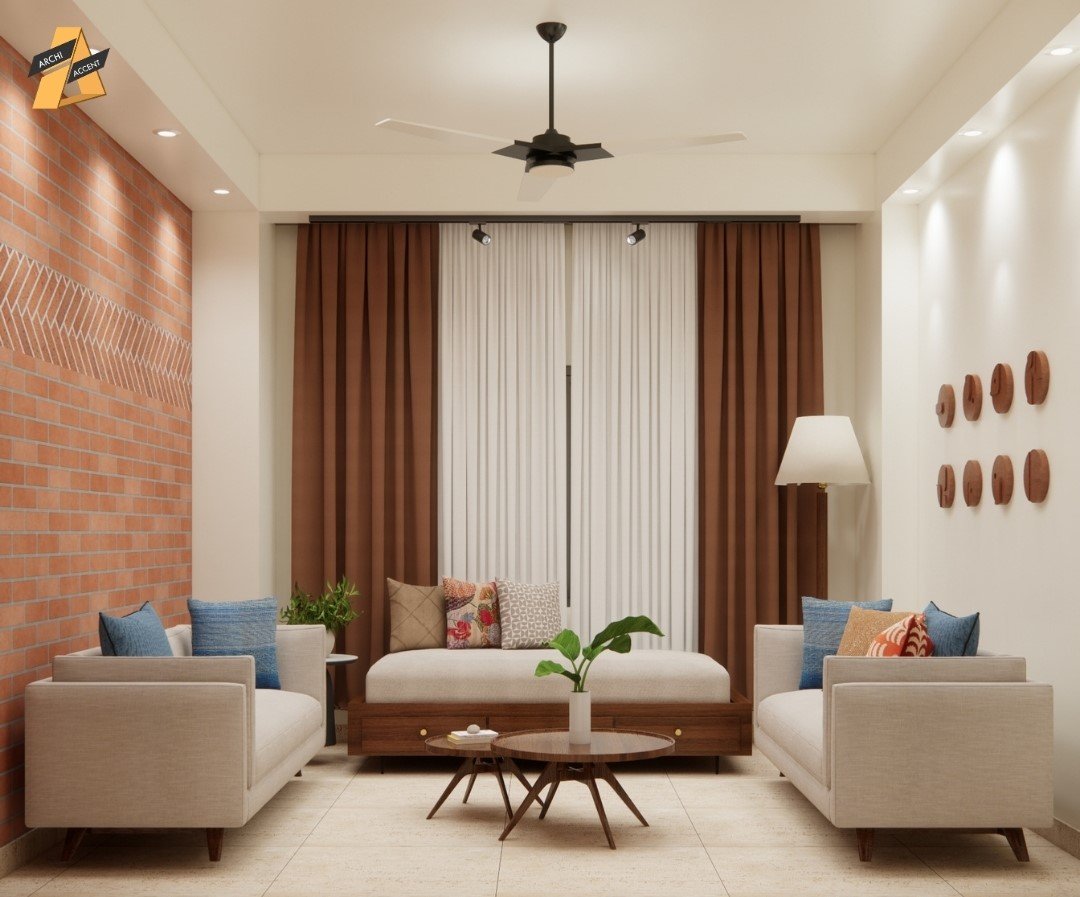
Interior trends come and go. One year, minimalist spaces may be everywhere; the next, bold colors or statement furniture may take over. However, your home needs to work for you long after a trend has disappeared. That’s why lifestyle-based interior design focuses on how you actually live rather than simply copying what’s popular. At Archi Accent, we believe a beautiful home should also be comfortable, practical, and personal. Through our personalized design approach, we consider your lifestyle before choosing styles, materials, colors, and furniture. Trends Don’t Work the Same for Everyone A design that looks beautiful in a magazine may not suit your home. For example, an open shelf kitchen may look stylish, but it may not work well for a family that wants everything stored away. Similarly, a minimalist living room may look elegant but might not provide enough seating for a family that regularly hosts guests. Therefore, the best design isn’t necessarily the most fashionable one. It’s the one that fits your everyday life. Your Daily Routine Should Influence Your Design Think about how you actually use your home. Do you: These details should influence your interior decisions. For example, someone who works from home may need a dedicated workspace, while someone who loves entertaining may prioritize comfortable seating and an inviting dining area. Function Should Come Before Fashion A home should make everyday tasks easier. For instance, a beautiful kitchen isn’t useful if it doesn’t provide enough counter space. Likewise, an attractive wardrobe isn’t practical if it doesn’t offer enough storage for your belongings. This is where lifestyle-based interior design becomes important. Designers can use your daily habits to determine what your home actually needs. Your Family’s Needs Matter Your household also affects your design choices. A couple may have different requirements from a family with children or elderly parents. As your family changes, your home may need to accommodate new requirements. Therefore, thinking beyond current trends can help you create a space that remains useful for longer. Don’t Choose Materials Just Because They’re Trending Trending materials can look appealing, but appearance isn’t the only consideration. You should also think about: At Archi Accent, material selection forms part of our personalized design process. We consider how you use your home before recommending materials and finishes. Your Personality Should Influence Your Home Your home should feel like yours. Some people prefer calm and minimal spaces. Others enjoy bold colors, decorative details, or luxurious finishes. There isn’t one correct interior style. That’s why Archi Accent uses a personality assessment to understand clients’ preferences and help create a more personalized design. You can find the assessment on our website before beginning your design journey. Trends Can Be Added in Small Ways Choosing a timeless foundation doesn’t mean you have to ignore trends completely. Instead, use trends in elements that are easier to replace, such as: This way, you can refresh your home without completely redesigning it whenever a trend changes. Personalized Design Creates More Meaningful Homes A home designed around your lifestyle can feel more comfortable because every decision has a purpose. Your storage reflects your belongings. Your furniture supports your routine. Your lighting suits your activities. Your colors reflect your preferences. As a result, the interior becomes more than a collection of fashionable elements. It becomes a space designed around you. How Archi Accent Approaches Interior Design At Archi Accent, we don’t believe in giving every client the same design formula. Our personalized design process considers: Then, we translate these insights into a design that balances aesthetics with functionality. Interior trends can provide inspiration, but they shouldn’t determine how you live. Lifestyle-based interior design puts your comfort, habits, personality, and practical needs first. As a result, your home can remain functional and meaningful even when today’s trends become outdated. At Archi Accent, we believe the best interiors don’t simply follow trends. They reflect the people who live in them. Through personalized design and our personality assessment, we help create spaces that feel genuinely yours.
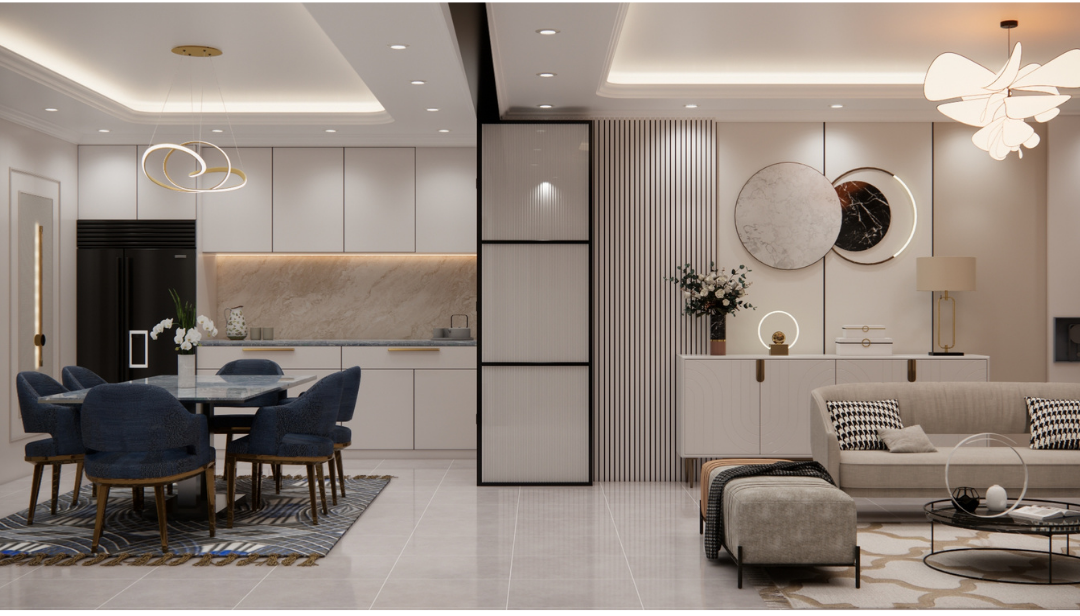
A beautiful interior design is only the beginning. However, the final result depends on how well the design and construction teams work together. This is why design and construction coordination plays such an important role in an interior project. When everyone follows the same plan, the project can move smoothly from concept to completion. On the other hand, poor coordination can lead to incorrect measurements, delays, material waste, unexpected costs, and a final result that doesn’t match the approved design. At Archi Accent, we connect our personalized design process with careful planning and project coordination to help clients achieve a smoother interior experience. What Is Design and Construction Coordination? Design and construction coordination means keeping the design plan and site work connected throughout the project. For example, the design team may need to coordinate: When these elements work together, each team understands what to do and when to do it. What Happens When Coordination Is Poor? 1. The Final Design May Look Different A designer may create a specific cabinet, wall panel, or lighting arrangement. However, if the site team doesn’t follow the approved dimensions and details, the finished result can look very different. Clear communication helps everyone understand the original design before construction begins. 2. Measurement Errors Can Cause Problems Accurate measurements form the foundation of good interior work. For example, an incorrect measurement can affect: As a result, one small measurement error can create several problems later. 3. Electrical Points May End Up in the Wrong Place Electrical planning should happen alongside furniture and space planning. For instance, a socket could end up behind a wardrobe, or a switch could become difficult to access after furniture installation. Therefore, designers and site teams need to coordinate electrical points before construction reaches that stage. 4. Construction Can Take Longer Interior projects involve several teams, including carpenters, electricians, painters, plumbers, and installers. Meanwhile, each team depends on the previous stage being completed correctly. If one team faces a problem, it can delay the next stage. Proper coordination keeps the work moving in the right sequence. 5. Project Costs Can Increase Poor coordination often creates rework. For example, the team may need to move an electrical point, modify furniture, replace materials, or repair a finished surface. Consequently, the homeowner may face additional labor and material costs that better planning could have prevented. 6. Material Waste Can Increase Incorrect measurements and last-minute changes can cause unnecessary material waste. For example, a cabinet panel may need to be replaced because the original measurement didn’t match the actual site condition. Therefore, checking measurements and specifications before production can help reduce waste and additional expenses. 7. Different Elements May Not Match An interior works best when all its elements feel connected. However, poor coordination can create problems with: As a result, individual elements may look good on their own but fail to create a cohesive interior. Why Site Supervision Matters Good coordination doesn’t stop after the design is approved. The team also needs to monitor what happens at the site. For example, site supervision can help check: Most importantly, regular supervision allows the team to identify problems before they become expensive to fix. How Archi Accent Connects Design and Construction At Archi Accent, we believe design should remain connected to execution from the beginning. Our process can include: Each stage supports the next one. Therefore, the project can move forward with greater clarity and fewer unnecessary changes. Why Personalized Design Needs Proper Coordination Every personalized design is created around a particular client’s lifestyle, preferences, and requirements. For example, your home may need additional storage, a dedicated workspace, specific lighting, or custom furniture. These decisions only add value when the construction team executes them correctly. That’s why Archi Accent connects personalized design with project coordination and site supervision. Our goal is to make sure the finished space reflects the design you approved. What Clients Should Ask Before Starting Before hiring an interior design firm, ask how the company manages coordination. You can ask: In addition, ask how the company keeps you updated throughout the project. Clear answers can help you understand what to expect before construction begins. How Better Coordination Benefits Homeowners When design and construction teams communicate properly, homeowners can benefit from: Ultimately, good coordination creates a smoother experience for both the design team and the client. Design and construction coordination can make a major difference to the success of an interior project. Without proper coordination, even an excellent design can face measurement problems, delays, material waste, additional costs, and inconsistent finishing. On the other hand, clear communication, careful planning, and regular site supervision help keep the project on track. At Archi Accent, we combine personalized design, design coordination, and site supervision to help turn your ideas into a finished interior that looks right, functions well, and suits the way you live.
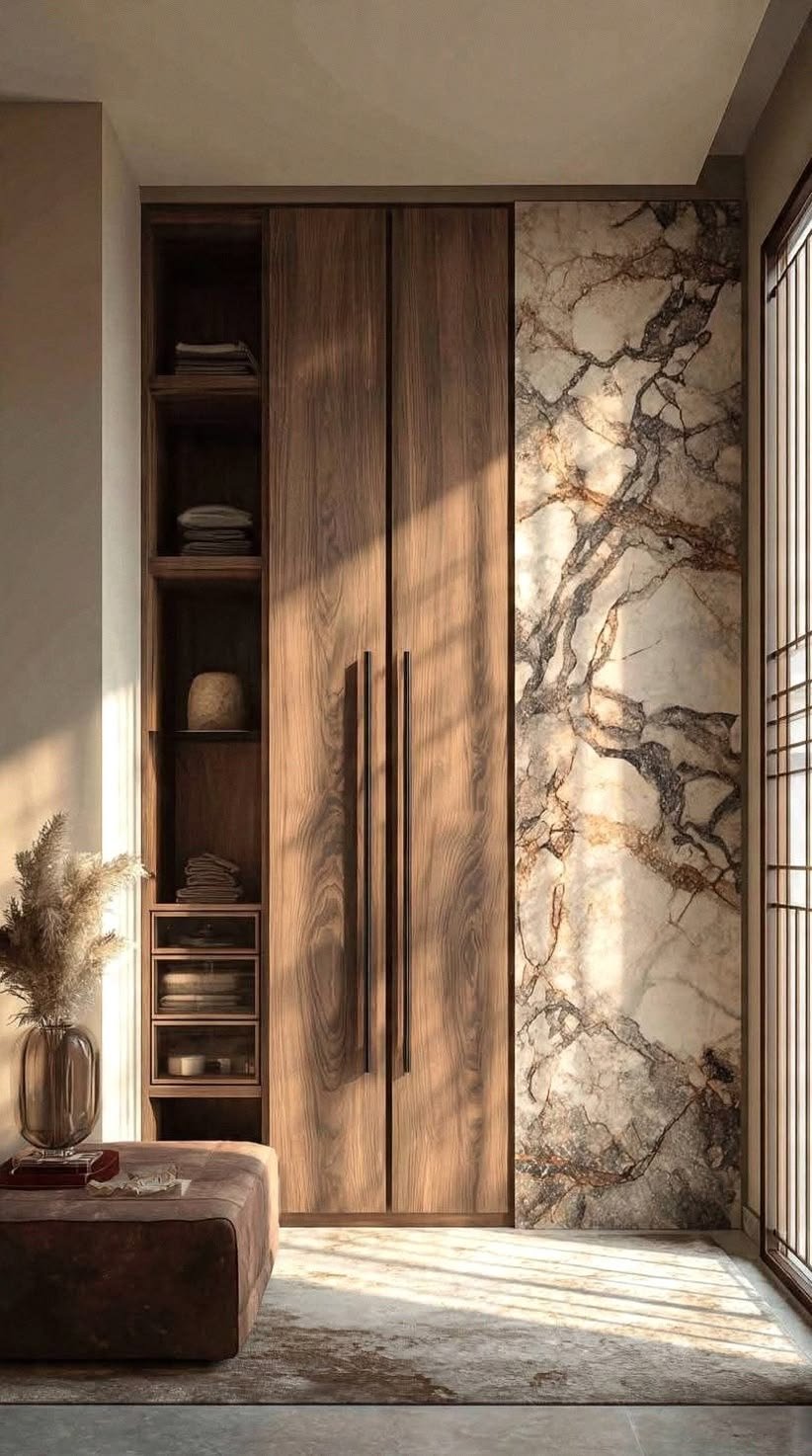
Choosing the right finish can significantly change how a room looks and feels. Matte vs Gloss Finishes is a common consideration when selecting finishes for cabinets, wardrobes, walls, furniture, and other interior elements. While matte finishes create a soft and understated appearance, gloss finishes reflect light and create a brighter, more polished look. Neither is universally better. The right choice depends on your space, lifestyle, maintenance preferences, and overall design. At Archi Accent, our personalized design approach considers these factors before recommending finishes for your home. Matte vs Gloss Finishes: What’s the Difference? The main difference is how much light the surface reflects. Matte finishes have little to no shine, creating a smooth and subtle appearance. Gloss finishes have a reflective surface that bounces light around the room, making surfaces appear brighter and more noticeable. Both can work beautifully when used in the right space. Benefits of Matte Finishes Matte finishes are popular for homeowners who prefer a calm and sophisticated interior. Softer Appearance Matte surfaces create a subtle look without strong reflections. They work particularly well with minimalist, contemporary, and modern interiors. Hides Minor Imperfections Because they don’t reflect much light, matte surfaces can be more forgiving of small surface imperfections. Creates a Premium Look Matte finishes can give furniture and cabinetry a refined appearance without making the room feel overly shiny. Works Well with Neutral Colors Beige, grey, white, brown, and other neutral shades often look elegant with matte finishes. Benefits of Gloss Finishes Gloss finishes are useful when you want your interior to feel brighter and more visually striking. Reflects Light Gloss surfaces reflect both natural and artificial light, which can make a room feel brighter. Makes Small Spaces Feel More Open When used thoughtfully, reflective surfaces can help create a greater sense of visual space. Easy to Wipe Many smooth gloss surfaces are relatively easy to wipe clean, making them useful for certain kitchen and storage applications. Creates a Modern Look Gloss finishes work particularly well in contemporary kitchens, wardrobes, TV units, and modern furniture. Matte vs Gloss Finishes for Kitchens The kitchen is one of the most important places to consider your lifestyle before choosing a finish. Matte cabinets can create a sophisticated and understated appearance, while gloss cabinets can make a kitchen feel brighter and more contemporary. Your choice should also consider cleaning, fingerprints, lighting, and how frequently the kitchen is used. Matte vs Gloss Finishes for Bedrooms For bedrooms, matte finishes can create a softer and calmer atmosphere. They work well for: Gloss can also be used as an accent, particularly when you want to add a modern or luxurious element. Matte vs Gloss Finishes for Small Homes If your home has limited space, gloss finishes can help reflect light and create a brighter appearance. However, using gloss everywhere can make an interior feel visually busy. A balanced combination of matte and gloss can often create a more interesting result. Which Finish Is Easier to Maintain? Maintenance depends on the specific material and color, not just whether it is matte or gloss. For example, some darker glossy surfaces can make fingerprints more noticeable, while certain matte surfaces may show marks differently. Before choosing a finish, consider how frequently the surface will be touched and how much maintenance you’re comfortable with. Should You Choose Matte or Gloss? There is no single answer to Matte vs Gloss Finishes. Choose matte if you prefer: Choose gloss if you prefer: You can also combine both to create contrast and visual depth. Why Personalized Design Matters The same finish won’t work equally well for every homeowner. Your choice should depend on your home’s lighting, room size, lifestyle, maintenance preferences, and overall design style. At Archi Accent, we use personalized design to understand these factors before selecting finishes. Rather than following a fixed formula, we recommend combinations that suit your specific home and lifestyle. This approach helps ensure that design decisions are both beautiful and practical. Matte vs Gloss Finishes isn’t simply about choosing between a dull or shiny surface. Each finish creates a different visual effect and offers different practical benefits. The best choice depends on where the material will be used, how the room is lit, how frequently the surface will be used, and the overall look you want to achieve. With Archi Accent, our personalized design approach helps you make these decisions based on your home, lifestyle, and preferences rather than simply following a trend.
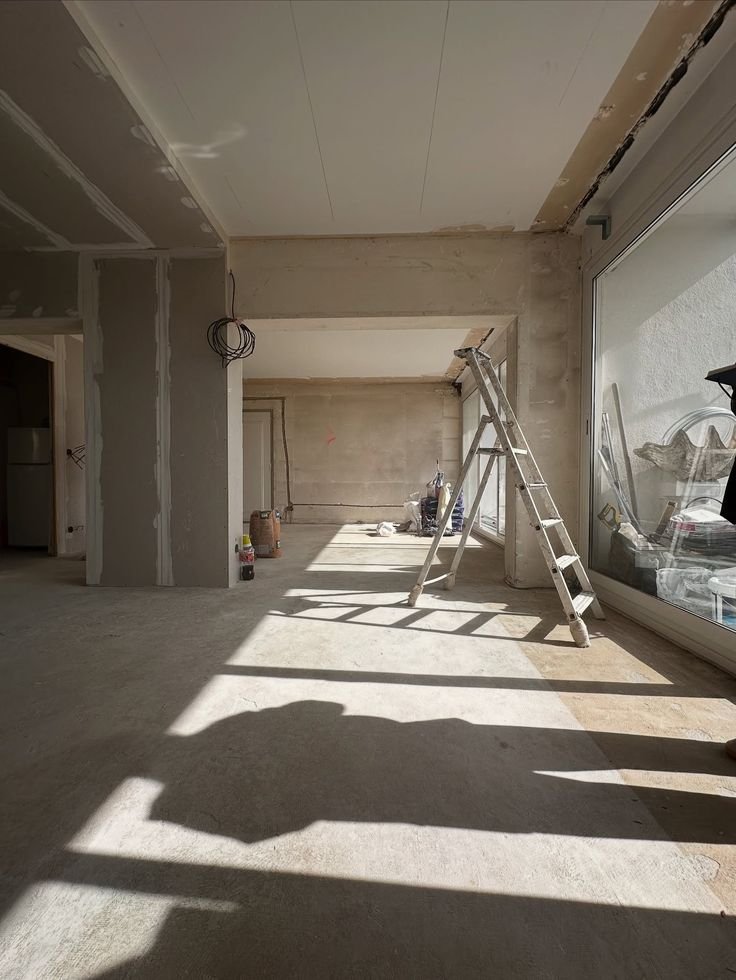
A beautiful interior design can only achieve its full potential when the execution is done correctly. This is where Interior Site Supervision becomes important. From checking measurements to monitoring materials and workmanship, proper supervision helps ensure that the approved design is actually built as planned. At Archi Accent, we believe successful interiors require more than creative ideas. Our personalized design approach is supported by careful site supervision to maintain quality, accuracy, and consistency throughout the project. What Is Interior Site Supervision? Interior Site Supervision is the process of monitoring interior work at the project site to make sure construction and installation follow the approved design and specifications. It can include checking: This helps identify problems before they become expensive to fix. Why Interior Site Supervision Matters 1. It Ensures the Design Is Executed Correctly A 3D design may look perfect on screen, but translating it into a real space requires careful attention. Site supervision helps ensure that important details such as proportions, measurements, finishes, and furniture placement match the approved design. 2. It Helps Maintain Quality Different workers and contractors may have different approaches to installation and finishing. Regular supervision allows the design team to check workmanship and make sure the expected quality standards are maintained throughout the project. 3. It Helps Prevent Costly Mistakes Small mistakes can become expensive when discovered late. For example, an incorrectly placed electrical point or poorly measured cabinet may require additional work to correct. Regular Interior Site Supervision helps identify these issues earlier. 4. It Keeps Different Teams Coordinated Interior projects often involve electricians, carpenters, painters, plumbers, installers, and other professionals. Without proper coordination, one team’s work can interfere with another’s. Site supervision helps different stages of the project happen in the right sequence. 5. It Helps Keep the Project on Track Unexpected issues can cause delays. A supervisor can monitor progress, identify potential problems, and coordinate solutions before they affect the entire project timeline. What Does Archi Accent Check During Site Supervision? At Archi Accent, site supervision is connected to our personalized design process. We pay attention to both the larger design and the small details that affect the final result. Depending on the project, our team may monitor: The exact supervision requirements depend on the size and scope of each project. Why Design and Supervision Should Work Together Design and execution shouldn’t be treated as completely separate stages. A designer who understands the original concept can better identify whether the finished work matches the intended design. At Archi Accent, our personalized design approach continues from the initial planning stage through execution, helping maintain consistency between the approved concept and the finished interior. Can Site Supervision Improve Your Interior Project? Yes. Proper supervision can provide homeowners with greater confidence that their investment is being handled carefully. It can help ensure: Most importantly, it helps turn a design concept into a finished space that actually works in everyday life. Interior Site Supervision is an important part of turning a design into a successful finished project. Without proper monitoring, even a well-planned interior can face mistakes, delays, or inconsistencies during execution. At Archi Accent, we combine careful supervision with personalized design to create interiors that are not only visually appealing but also properly executed, functional, and built around the client’s needs.
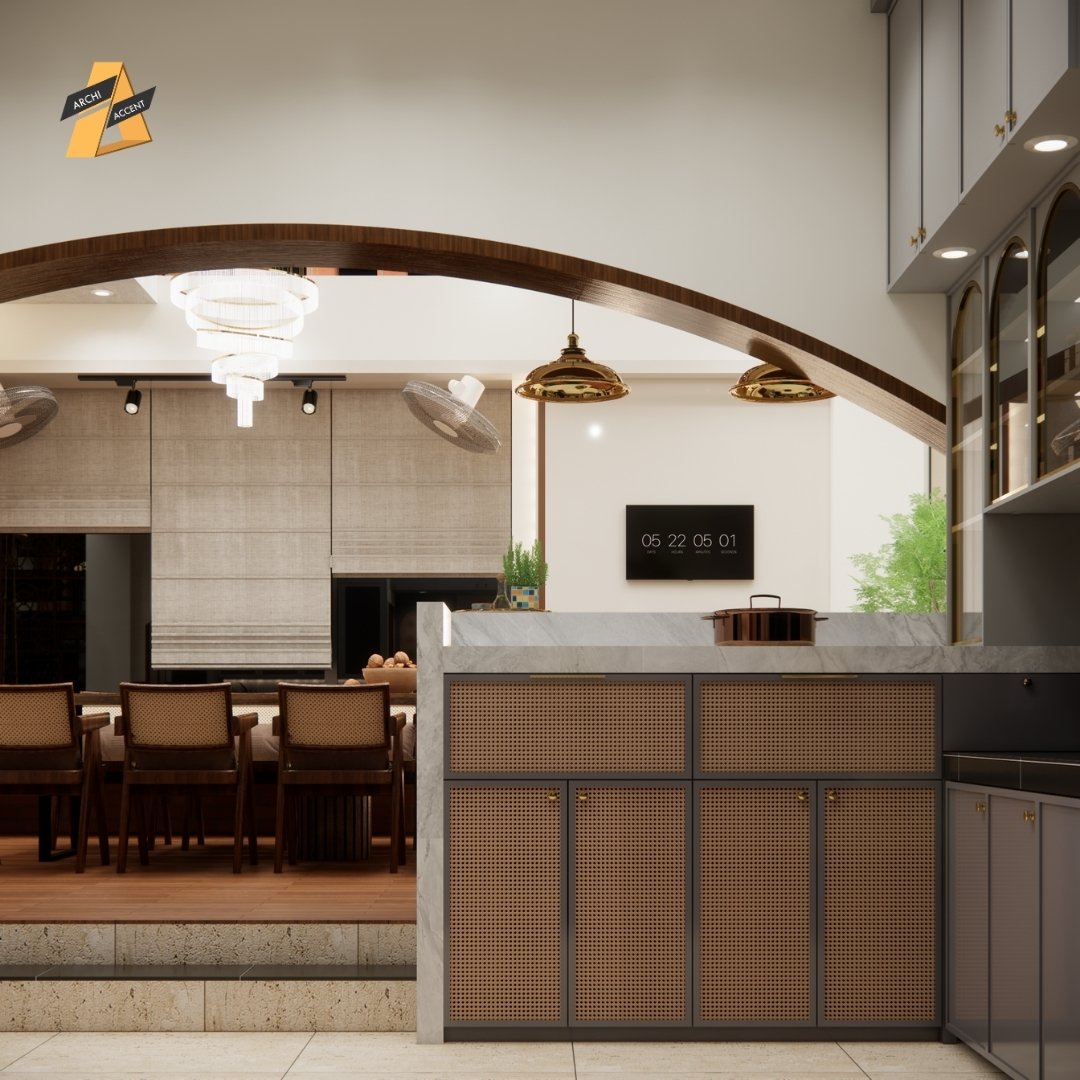
Soft-Close Cabinets have become a popular feature in modern kitchens, wardrobes, and storage units. Unlike traditional cabinets that shut with a loud bang, soft-close cabinets use special hinges or drawer runners that allow doors and drawers to close gently and quietly. Many homeowners wonder whether this feature is simply a luxury or a worthwhile investment. The answer depends on your lifestyle, budget, and long-term expectations. At Archi Accent, we believe that even small details can improve the way you experience your home. Through our personalized design approach, we recommend features that add both comfort and lasting value. What Are Soft-Close Cabinets? Soft-close cabinets are fitted with hinges or sliding mechanisms that automatically slow down the movement of doors and drawers before they close. Instead of slamming shut, they glide smoothly into place, reducing noise and preventing impact damage. Today, soft-close technology is commonly used in: The Benefits of Soft-Close Cabinets Quiet Everyday Living Whether you’re preparing breakfast early in the morning or putting dishes away late at night, cabinets close quietly without disturbing others in the home. Longer Lifespan Repeated slamming can damage cabinet doors, hinges, and frames over time. Soft-close mechanisms reduce impact, helping: Safer for Families Homes with young children often benefit from these cabinets. Because the doors close slowly, there is less chance of fingers getting caught between the cabinet and the frame. While supervision is always important, soft-close systems provide an additional layer of safety. A Premium Feel Small details often make the biggest difference. Soft-close cabinets create a smoother, more refined user experience that makes kitchens and storage spaces feel more luxurious without dramatically increasing the overall project cost. Are Soft-Close Cabinets Worth the Extra Cost? Although Soft-Close Cabinets cost more than standard hardware, the price difference is usually small compared to the overall cost of an interior project. Considering their: many homeowners find them to be a worthwhile investment. Instead of replacing damaged hinges later, investing in quality hardware from the beginning often saves money over time. Where Should You Use Soft-Close Cabinets? Soft-close systems are especially useful in: For high-use areas, they provide noticeable everyday convenience. Choosing Quality Hardware Matters Not all soft-close mechanisms offer the same performance. When selecting cabinet hardware, consider: High-quality hardware typically lasts much longer and performs more consistently. At Archi Accent, hardware selection is part of our personalized design process, ensuring every component matches your home’s usage and long-term needs. Soft-Close Cabinets and Personalized Design Every family uses their home differently. For some homeowners, premium hardware may be a priority, while others may prefer investing more in flooring, lighting, or custom furniture. That’s why personalized design is so important. At Archi Accent, we recommend features like Soft-Close Cabinets based on your lifestyle, budget, and daily habits—not simply because they are popular. We also offer a personality assessment on our website to better understand your preferences and create interiors tailored specifically to you. Common Misconceptions About Soft-Close Cabinets Some homeowners believe soft-close cabinets are only for luxury homes. In reality, they offer practical benefits for almost any household. Another misconception is that they require frequent maintenance. Quality soft-close hardware is designed to operate smoothly for years with minimal maintenance when installed correctly. Should You Choose Soft-Close Cabinets? If you value: then Soft-Close Cabinets are a smart investment. They improve the user experience every day while protecting your furniture from unnecessary wear. Soft-Close Cabinets are more than just a modern trend—they’re a practical upgrade that enhances comfort, reduces noise, and helps extend the life of your furniture. While they may cost slightly more than standard hardware, their long-term benefits often outweigh the initial investment. At Archi Accent, we believe the best interiors are built through thoughtful details and personalized design. By choosing quality materials and hardware that suit your lifestyle, you can create a home that feels comfortable, functional, and built to last.
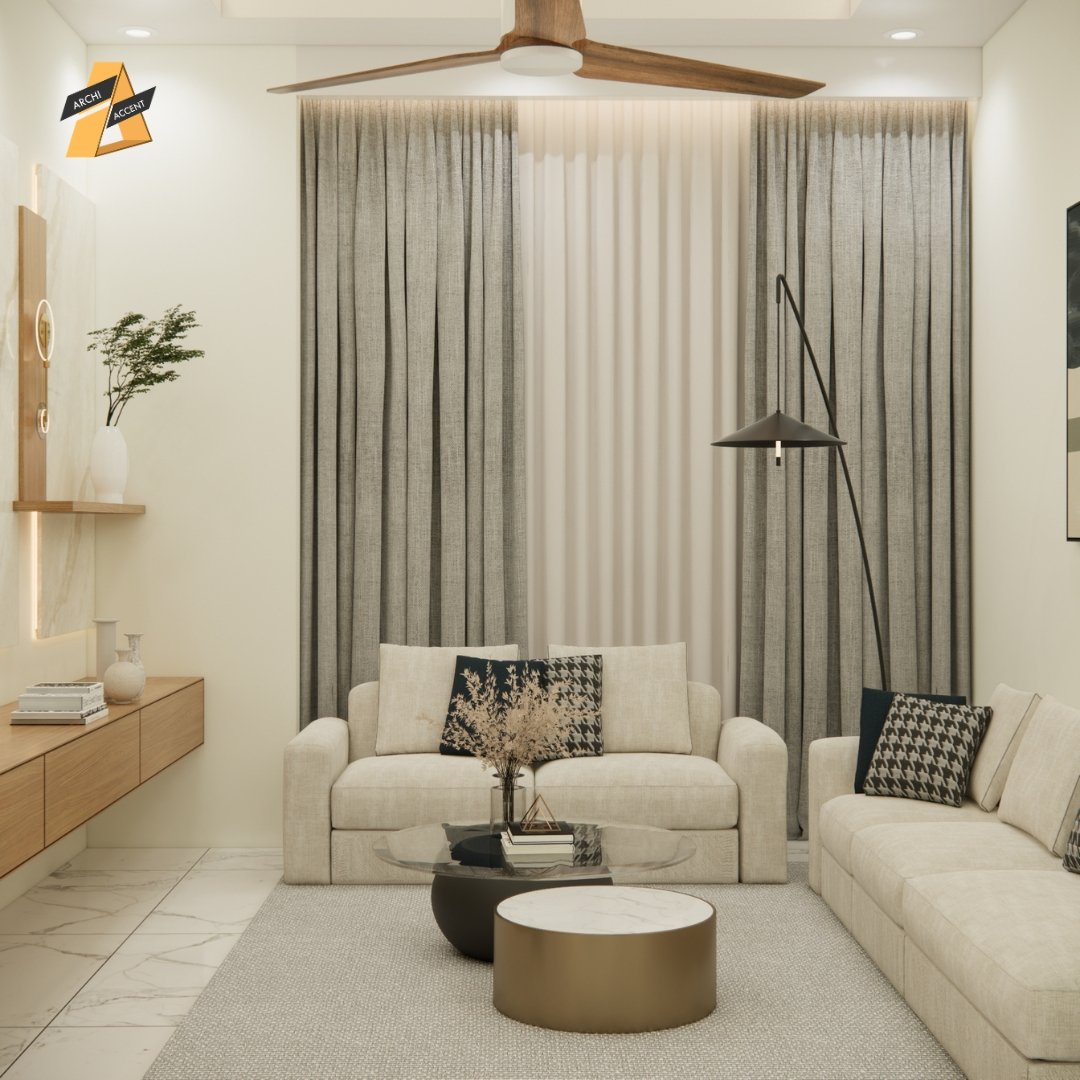
Every home renovation or new construction involves hundreds of choices, but some Interior Design Decisions are far more important than others. While furniture, paint colors, and décor can be updated over time, certain decisions become difficult, expensive, or even impossible to change once construction is complete. Making the right choices early can save you time, money, and unnecessary stress in the future. At Archi Accent, every project begins with personalized design, helping homeowners make informed decisions before construction starts and creating homes that remain functional for years. 1. Room Layout The layout of your home determines how you move and live within the space. Changing room layouts later often requires: A well-planned layout should support your lifestyle today and in the future. 2. Electrical Points Electrical planning is one of the most overlooked Interior Design Decisions. Before construction begins, decide the placement of: Changing these after completion usually involves breaking walls and repainting. 3. Plumbing Layout Bathrooms, kitchens, and laundry areas depend on proper plumbing planning. Moving sinks, toilets, or kitchen plumbing later can be expensive and time-consuming. Careful planning at the beginning helps avoid unnecessary renovation costs. 4. Lighting Placement Lighting affects both functionality and atmosphere. Before construction, finalize: Poor lighting placement is difficult to correct after ceilings are completed. 5. Ceiling Design False ceilings influence lighting, ventilation, and the overall appearance of a room. Once installed, modifying a ceiling often requires: Choosing the right ceiling design from the start saves both time and money. 6. Flooring Materials Flooring covers a large portion of your home and is expensive to replace. Choose materials that are: Replacing flooring later usually involves significant demolition and disruption. 7. Built-In Furniture Custom wardrobes, kitchen cabinets, TV units, and storage systems are designed specifically for your space. Changing them later may affect: A thoughtful design from the beginning ensures long-term functionality. 8. Storage Planning Many homeowners underestimate their future storage needs. Consider: Adding storage later is often more difficult than planning it from the start. 9. Material Selection The materials you choose affect your home’s durability for years. Avoid rushing decisions about: At Archi Accent, material selection is a key part of our personalized design process to ensure every choice matches your lifestyle and maintenance preferences. 10. Space Planning Space planning determines how comfortably your home functions. It considers: Poor space planning is one of the hardest mistakes to fix after construction. Why Personalized Design Prevents Costly Mistakes Every family has different priorities. Some need: This is why personalized design is essential. At Archi Accent, every project begins with understanding your lifestyle, future plans, and design preferences. We also offer a personality assessment on our website to better understand how you live before creating your home’s design. This helps ensure that important decisions are made correctly before construction begins. Common Mistakes Homeowners Regret Many homeowners later regret: Most of these issues could have been avoided with proper planning. Plan for the Future When making important Interior Design Decisions, don’t think only about today’s needs. Consider: Planning ahead creates a home that continues to meet your needs for years. Some Interior Design Decisions can be changed easily, while others become permanent once construction is complete. Taking the time to plan your layout, lighting, plumbing, storage, materials, and electrical points carefully can save you from expensive renovations and everyday frustration. At Archi Accent, our personalized design philosophy helps homeowners make confident decisions from the very beginning. By understanding your lifestyle and future goals, we create interiors that are practical, timeless, and designed to grow with you.