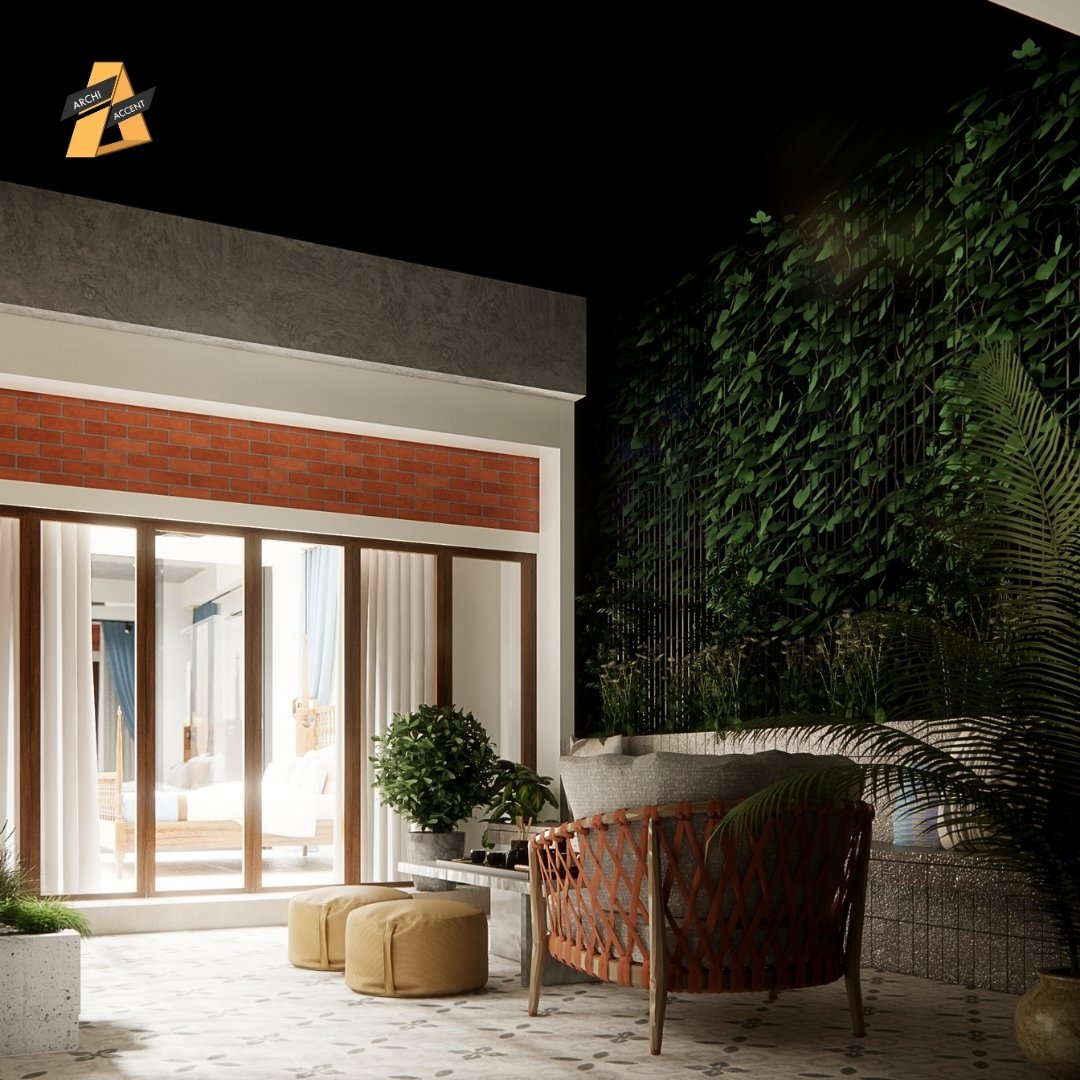
Dark vs Light Interiors: Which Style Fits You?
Introduction to Dark vs Light Interiors
Choosing between dark vs light interiors is one of the biggest decisions homeowners face while designing a home. Both styles create completely different moods, atmospheres, and visual experiences. Some people prefer darker interiors because they feel luxurious, dramatic, and cozy, while others love lighter interiors for their openness, freshness, and calming effect.
The right choice depends not only on trends but also on personality, lifestyle, space size, lighting conditions, and emotional comfort. A home should feel natural to the people living in it rather than simply following what is popular online.
At Archi Accent, we focus on personalized design because every homeowner experiences spaces differently. The best interiors are the ones that genuinely reflect comfort and personality.
Understanding Dark Interiors
Dark interiors usually include deeper shades such as:
- Charcoal grey
- Matte black
- Deep brown
- Navy blue
- Dark wood textures
These interiors often create a sophisticated and luxurious atmosphere.
Dark spaces feel:
- More intimate
- More dramatic
- More premium
- More cinematic
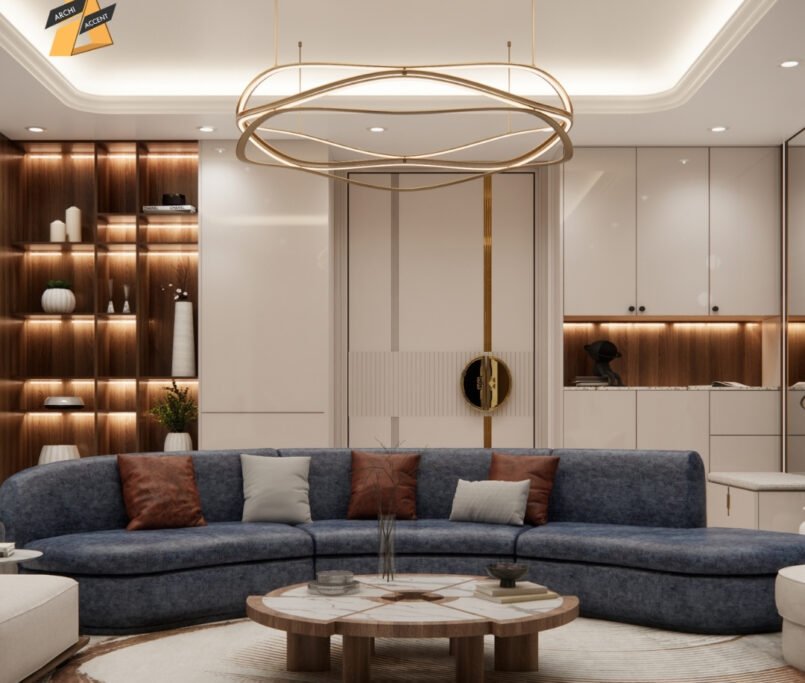
Modern luxury interiors frequently use darker palettes combined with warm lighting and textured materials to create depth and elegance.
Advantages of Dark Interiors
Creates a Luxurious Atmosphere
Dark interiors often feel more refined and elegant when designed properly. Rich textures and layered lighting create strong visual depth.
Adds Warmth and Comfort
Contrary to popular belief, dark interiors can feel extremely cozy when balanced correctly with lighting and materials.
Warm wood textures, soft lighting, and matte finishes usually work beautifully in darker spaces.
Hides Minor Imperfections Better
Dark colors often hide:
- Dust
- Small wall imperfections
- Minor stains
- Furniture wear
more effectively compared to lighter surfaces.
Challenges of Dark Interiors
Dark interiors may not work well in every home.
They can sometimes:
- Make smaller rooms feel tighter
- Reduce brightness
- Require better lighting planning
- Feel visually heavy if overused
Homes with limited natural sunlight may need careful balance to prevent dark spaces from feeling overwhelming.
This is why personalized design is important instead of blindly following trends.
Understanding Light Interiors
Light interiors usually focus on:
- White tones
- Beige shades
- Soft greys
- Warm neutrals
- Light wood textures
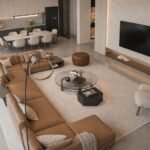
These spaces feel more open, airy, and calming.
Light interiors are especially popular in modern apartments because they visually expand smaller rooms and reflect natural light beautifully.
Advantages of Light Interiors
Makes Spaces Feel Larger
One of the biggest benefits of light interiors is visual spaciousness.
Lighter shades reflect more light, helping rooms feel:
- Bigger
- Brighter
- More breathable
- More open
This works especially well in compact urban apartments.
Creates a Calm and Fresh Environment
Light interiors usually feel more peaceful and relaxing.
They are often associated with:
- Simplicity
- Minimalism
- Freshness
- Clean aesthetics
This is why many modern homes prefer lighter palettes.
Works Well with Natural Light
In countries like Bangladesh where sunlight is strong, lighter interiors can help maintain a cooler and fresher atmosphere during the daytime.
Challenges of Light Interiors
Although visually beautiful, lighter interiors also have some challenges.
They may:
- Show stains and dust more easily
- Require more maintenance
- Feel too plain if not balanced properly
- Lose warmth without texture layering
That is why textures, fabrics, lighting, and material combinations become extremely important in light-themed spaces.
How Personality Influences Interior Preference
Your personality naturally affects whether you feel more comfortable in dark or light interiors.
People who prefer:
- Calmness and openness often lean toward lighter interiors
- Drama and sophistication may prefer darker palettes
- Minimal environments usually choose softer neutrals
- Bold personalities may enjoy contrast-heavy interiors
At Archi Accent, we often analyze personality, lifestyle, and comfort preferences before developing a personalized design concept for clients.
Can You Combine Both Styles?
Absolutely.
Modern interiors increasingly combine dark and light elements together for balance.
For example:
- Light walls with dark furniture
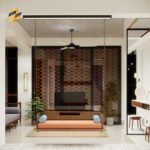
- Dark TV units with neutral surroundings
- Warm wood textures with white spaces
- Black accents inside minimalist interiors
Balanced contrast often creates more visually interesting and timeless spaces compared to using only one extreme.
Which Style Works Better for Small Homes?
For smaller apartments, lighter interiors usually work better because they create visual openness.
However, dark accents can still be added strategically through:
- Furniture
- Lighting
- Wall panels
- Decor accessories
This creates depth without making the space feel cramped.
Good design is never about choosing only one side—it is about balance.
Choosing between dark vs light interiors depends entirely on your personality, lifestyle, comfort preferences, and the type of atmosphere you want inside your home. Neither style is universally better—the best interiors are the ones that feel natural and emotionally comfortable for the homeowner.
With a strong focus on personalized design, firms like Archi Accent help homeowners create interiors that match not just trends, but also individuality, comfort, and long-term functionality.