Personalized Design vs Template Design: What’s the Difference?
When planning a home interior, many homeowners focus on aesthetics and overlook one important question: should the design be customized for their lifestyle or simply follow a pre-existing template? Understanding Personalized Design vs Template Design can help homeowners make better decisions and create spaces that truly support their daily lives.
While both approaches can result in visually attractive interiors, they differ significantly in functionality, flexibility, comfort, and long-term satisfaction. A beautiful home should not only look good—it should also work well for the people living in it.
At Archi Accent, we strongly believe in personalized design because every family, lifestyle, and home is unique.
What Is Template Design?
Template design follows a standard layout or design formula that is used repeatedly across different projects.
Typically, template designs:
- Follow popular trends
- Use similar layouts
- Apply standard furniture arrangements
- Require minimal customization
This approach can be faster and sometimes less expensive initially.
However, because it is not tailored to the homeowner’s specific needs, it may not always provide the best long-term solution.
What Is Personalized Design?
Personalized design is a customized approach where every design decision is based on the homeowner’s lifestyle, habits, preferences, and future needs.
It considers:
- Daily routines
- Family structure
- Storage requirements
- Work habits
- Comfort preferences
- Personal taste
Rather than forcing homeowners to adapt to the design, the design adapts to the homeowner.
This often results in a more comfortable and functional living environment.
Functionality: The Biggest Difference
One of the most important aspects of Personalized Design vs Template Design is functionality.
A template design may look attractive but often assumes that everyone uses their home in the same way.
In reality:
- Some families need extra storage
- Some work from home
- Some entertain guests frequently
- Some prioritize child-friendly spaces
A personalized design addresses these unique needs directly.
The result is a home that supports everyday activities more effectively.
Storage Solutions Tailored to Your Needs
Storage requirements vary greatly from one household to another.
Template designs often include standard storage solutions that may not match actual usage patterns.
Personalized design allows for:
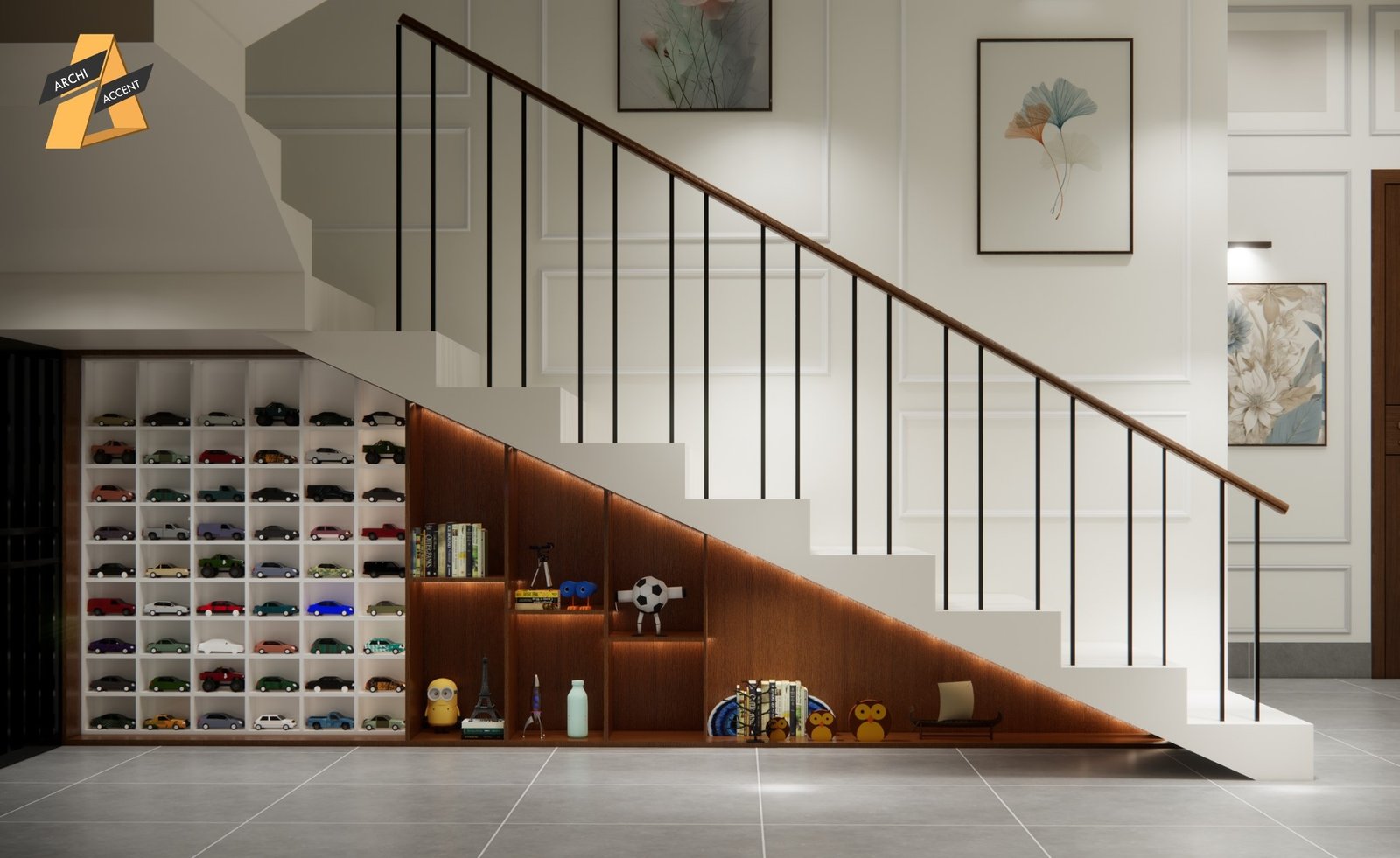
- Custom wardrobes
- Specialized kitchen storage
- Home office organization
- Family-specific storage planning
At Archi Accent, storage planning is developed through a personalized design process to ensure every space functions efficiently.
Emotional Connection to the Space
Homes designed around personal preferences often create a stronger emotional connection.
A template design may feel attractive, but it can sometimes feel generic.
Personalized interiors reflect:
- Personality
- Lifestyle
- Values
- Individual taste
This creates a sense of ownership and comfort that is difficult to achieve through standardized solutions.
A home should feel like your home—not a copy of someone else’s.
Flexibility for Future Changes
Life changes over time.
Families grow, work situations evolve, and priorities shift.
Personalized design often includes:
- Flexible layouts
- Multi-purpose spaces
- Future-ready planning
Template designs may not adapt as easily to changing needs.
Long-term flexibility is one of the key advantages of a customized approach.
The Role of Personality in Design
Every person experiences comfort differently.
Some homeowners prefer:
- Minimalist interiors
- Warm and cozy environments
- Open layouts
- Structured spaces
This is why personalized design goes beyond appearance and focuses on how people interact with their environment.
At Archi Accent, clients can even explore personality-based design insights through tools available on our website, helping create interiors that genuinely match their lifestyle and preferences.
Long-Term Value and Satisfaction
Template designs may provide quick results, but personalized interiors often deliver greater long-term satisfaction.
Benefits include:
- Better usability
- Reduced design regrets
- Improved comfort
- Greater functionality
- More meaningful living experiences
A home that works well every day often provides better value than one designed purely for appearance.
When Template Design May Be Suitable
Template design can still be useful in certain situations.
For example:
- Rental properties
- Temporary residences
- Tight project timelines
- Very limited budgets
However, for homeowners planning to live in a space for many years, a personalized approach usually offers significantly greater benefits.
Why Archi Accent Focuses on Personalized Design
At Archi Accent, we believe that every client deserves more than a standard design template.
Our design process focuses on:
- Lifestyle analysis
- Space usage patterns
- Personal preferences
- Functional requirements
- Long-term comfort
This commitment to personalized design helps us create interiors that feel unique, practical, and meaningful for each homeowner.
Understanding Personalized Design vs Template Design helps homeowners make smarter choices when planning their interiors. While template designs may offer convenience and speed, personalized interiors provide greater comfort, functionality, flexibility, and emotional connection.
With a strong focus on personalized design, firms like Archi Accent create homes that are tailored to real lifestyles rather than generic trends—resulting in spaces that feel better, function better, and remain enjoyable for years to come.