
How to Handle Changes During Interior Construction
Even with careful planning, changes can happen during an interior project. You may want to adjust a layout, replace a material, add storage, or change a lighting plan. However, interior construction changes can affect your budget, timeline, and overall design if you do not manage them properly.
Therefore, understanding how to handle changes early can help you keep your project organized and avoid unnecessary expenses.
1. Understand Why the Change Is Necessary
Before making a change, identify the actual problem. Does the current design fail to meet your needs? Have you discovered a site condition that requires a different solution? Or do you simply prefer another finish?
For example, changing a cabinet layout to improve storage may offer long-term value. Meanwhile, replacing a selected finish just because a new trend catches your attention may add costs without improving functionality.
First, evaluate the reason for the change. Then decide whether it supports your priorities.
2. Discuss Interior Construction Changes With Your Designer
Never make major decisions without informing your designer or project team. Even a small adjustment can affect electrical points, plumbing, furniture dimensions, or other parts of the project.
Instead, explain what you want to change and why. Your designer can then assess the impact and recommend a practical solution.
At Archi Accent, clear communication and planning help clients make informed decisions throughout the design and execution process.
3. Check the Cost Before Approving Changes
Some changes require additional materials, labour, or redesign work. Others may increase costs because workers must remove or redo completed work.
Therefore, ask for a clear cost breakdown before approving any change. Also, check whether the change will affect other items in your project.
This step helps you avoid unexpected expenses and keep your spending aligned with your budget.
4. Consider the Project Timeline
Interior construction changes can delay work, especially when they involve custom furniture, special materials, or adjustments to electrical and plumbing systems.
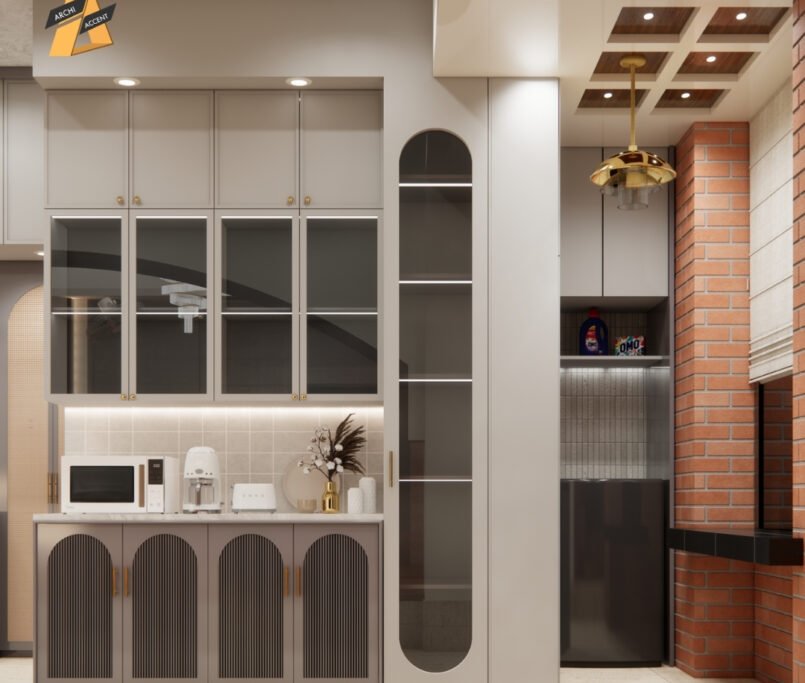
For instance, changing a kitchen cabinet design after production begins may require new measurements and manufacturing time.
As a result, discuss the revised timeline with your project team before proceeding. Whenever possible, finalize major design decisions before execution starts.
5. Get Every Approved Change in Writing
Verbal instructions can create confusion between clients, designers, contractors, and suppliers.
Therefore, document each approved change. Include the revised design, additional costs, material details, and any timeline adjustments.
Written confirmation gives everyone a clear reference. Moreover, it reduces the risk of misunderstandings during execution.
6. Avoid Making Decisions in a Hurry
When you see work progressing on-site, you may feel tempted to make quick adjustments. However, rushed decisions can lead to poor coordination and unnecessary rework.
Instead, review the available options with your designer. Consider how each option affects functionality, appearance, durability, and maintenance.
This way, you can make decisions based on your long-term needs rather than temporary preferences.
7. Keep Your Original Priorities in Mind
Not every suggested change deserves approval. Some adjustments improve the final result, while others distract from your original goals.
Therefore, revisit your budget, lifestyle requirements, and design priorities before making a decision.
A personalized design should reflect your needs while maintaining a practical balance between appearance, functionality, and cost.
How Archi Accent Manages Interior Construction Changes
At Archi Accent, we believe that successful execution depends on proper coordination between design and construction. Our approach considers the client’s requirements, site conditions, materials, and project scope before implementing changes.
Through thoughtful planning and personalized design, we aim to help clients make practical decisions while maintaining the overall direction of their projects.
Final Thoughts
Interior construction changes do not always create problems. In fact, some adjustments can improve your home’s functionality and final appearance.
However, every change needs proper evaluation. Discuss the reason, confirm the cost, review the timeline, and document the final decision before work proceeds.
Ultimately, clear communication and careful planning can help you manage changes without losing sight of your project’s goals.